
“…the 9th Division prepared to advance toward Schmidt, a strategically located town, because its high ground overlooked the Roer and it served as a road hub.”
The Bloody Forest by Gerald Astor (2000, Presidio Press)
On September 29, 1944, the 39th Infantry Regiment of the 9th Infantry Division along with the support of the 746th Tank Battalion Company C (and one platoon of Company A) captured the Kalltalsperre Dam and Hill 554 near Lammersdorf, Germany. The Allies were in the early stages of the ill-fated campaign to capture the Schwammenauel Dam to prevent the Nazis from blowing it up. To capture the dam, several villages with crucial road networks linked to the dam needed to also be captured and secured. Two of these were the small villages of Germeter and Vossenack just to the north of Hill 554. On October 6, the 746th and 39th set out to take them but had to cross terrain that was “decidely unfavorable for tank operation.”1 These seemingly insignificant villages became the scene of intense fighting as the Americans were met with heavy resistance in the form of “concrete, field fortifications, road blocks, mines, mortars and SA fire”2. By October 16th, they had failed to obtain their objective with the 39th losing 4500 men3.
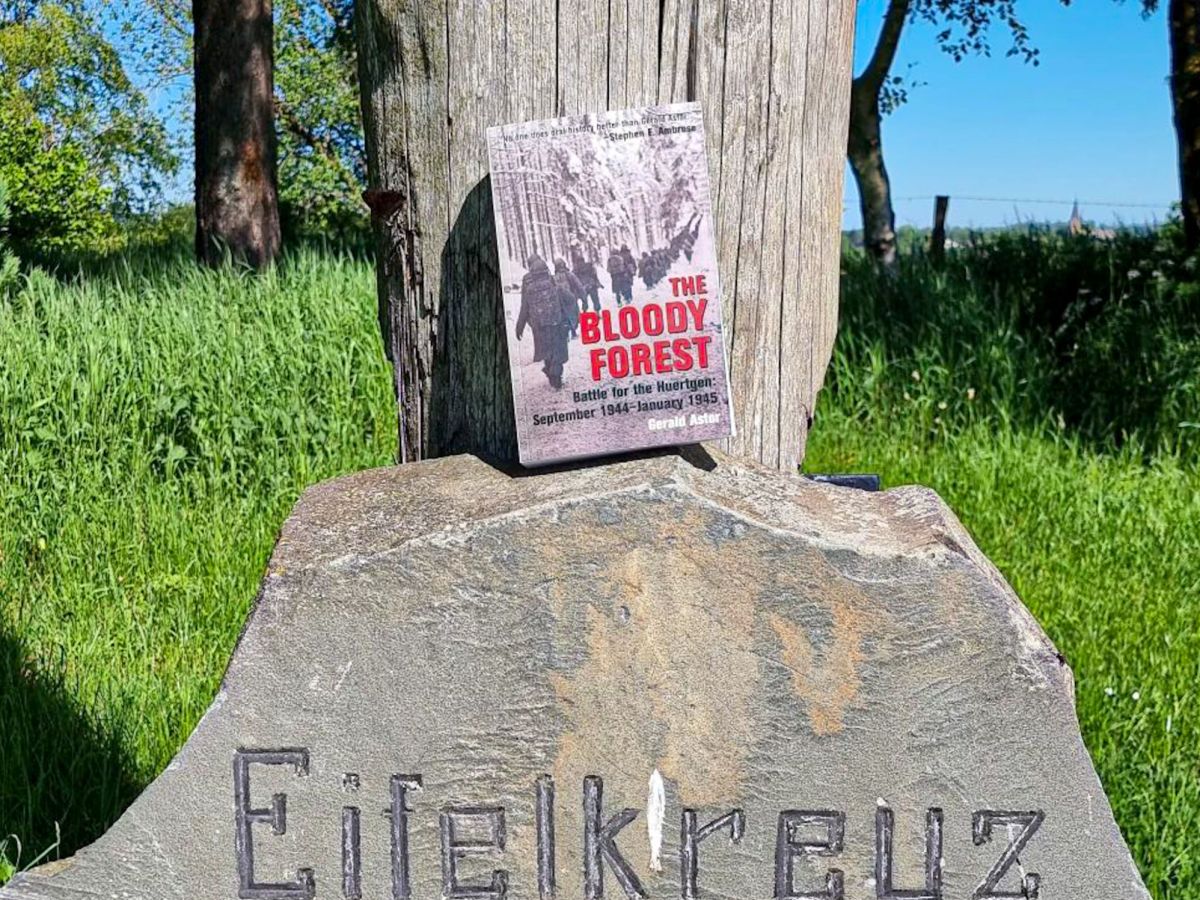
Hill 554: A Battle of the Hürtgen Forest Hike
Following in the tank tracks of my great uncle in the Bloody Forest.
Continue reading Hill 554: A Battle of the Hürtgen Forest Hike

Commanding one of the three platoons of the 746th Tank Battalion Company C was 2nd Lt. Everett C. Croes, my great uncle. In a letter home to his wife dated November 18, he casually describes the battle for Germeter like it was a harmless football game. “We had quite a little fight taking that town.” For the battle of Vossenack, he spared her any detail by simply calling it “Rough.” It is not clear from the letter whether she was aware that Everett was the only platoon commander of Company C to make it out alive in those battles.4.
With the 39th and 746th exhausted and needing to regroup, the responsibility of continuing the advance past Germeter and Vossenack to capture the more crucial city of Schmidt would fall to the 28th Infantry Division, the so-called Keystone Division for being formed from the Pennsylvania National Guard, who arrived to relieve the 9th Infantry Division. Meanwhile, the 39th and 746th would be relegated to road block duty until going into reserve back in Weywertz, Belgium.

From Left to Right on the map:
- Hill 554
- Kalltalsperre Dam
- Germeter
- Vossenack
- Schmidt
- Schwammenauel Dam (red star)
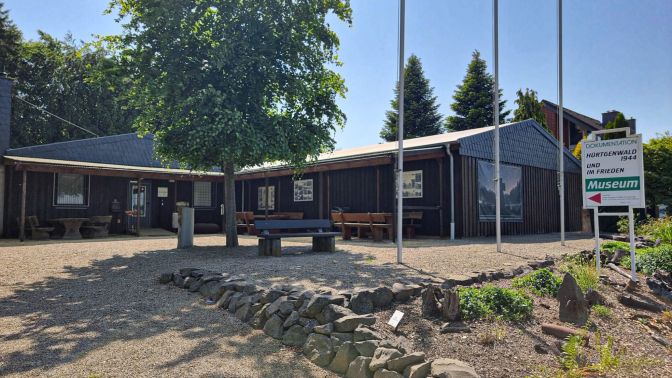
The area between Vossenack and Schmidt has several memorials and relics of World War II. The hiking route has become known as the Kall Trail, and a local resident would inform me that all US soldiers stationed nearby are required to follow it. The hike that I would take includes part of the Kall Trail and then swings around to the west to follow what would have been the route of the 746th and 39th on their way to take Germeter. As with the official Kall Trail hike, my hike begins at the Museum Hürtgenwald 1944 in Vossenack. Note that the Museum is only open on Sundays. There are two worthy beer stops along the way, but the best one, Waldcafe Mestrenger Mühle, is also only open on the weekends. Unfortunately, I was doing this hike on a Wednesday. That left Cafe Kern in the cute village of Simonskall as the sole beer stop on the hike.
To include both the museum and the Waldcafe, the best day to do this hike would be on a Sunday. The Waldcafe also appears rather early when doing this hike clockwise as I did. However, doing the hike counterclockwise would give the advantage of enjoying a beer in the idyllic Kall River Valley before the final ascent back to Vossenack.
Hike Details
| Starting Point | Museum Hürtgenwald 1944 |
| Distance | 20.7km |
| My Moving Time | 4h 9m |
| Beer Stops | This hike: Cafe Kern in Simonskall Weekend hikes: Waldcafe Mestrenger Mühle |
It’s Not Just a Beer, It’s a Journey
By the time the advance towards Schmidt started on November 3, 1944, all buildings in Vossenack had been destroyed by American artillery. Germans, however, were still fighting from the fortified basements.5
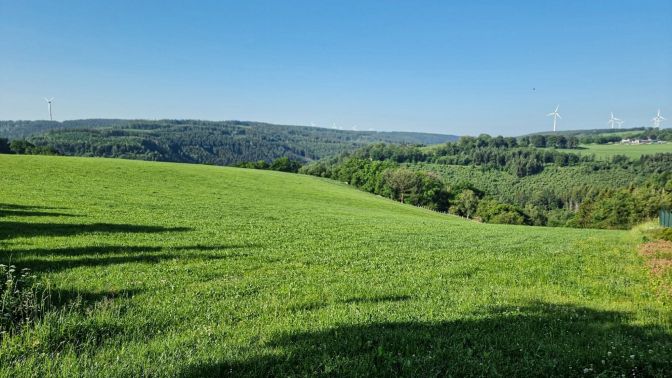
“With the temperature hovering around the freezing mark, the first Americans walked through the wreckage of Vossenack, southeast towards Kommerscheidt and the final objective.”
The Bloody Forest by Gerald Astor (2000, Presidio Press)
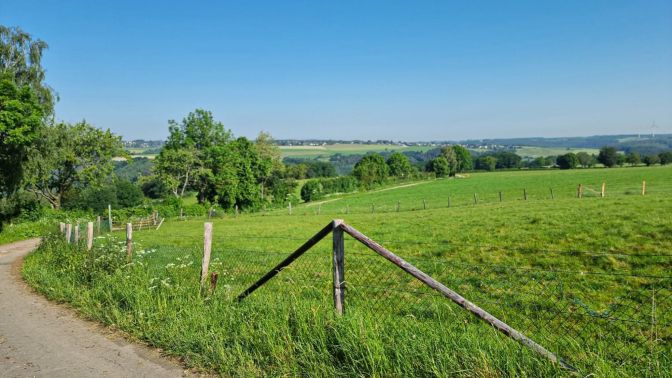
My hike in May 2026 couldn’t have been any further from the conditions of that frigid November day. Europe was just coming out of its first mini-heatwave, which was only a small taste of what was going to arrive in a much larger serving come June 2026. The Kall Trail was clear, quiet, and surrounded by lush green and blue skies. One could hardly relate to the plight of trying to spot snipers and avoid artillery while coping with the mud.
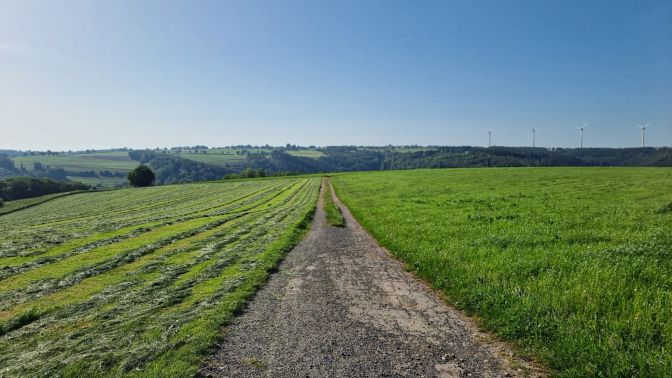
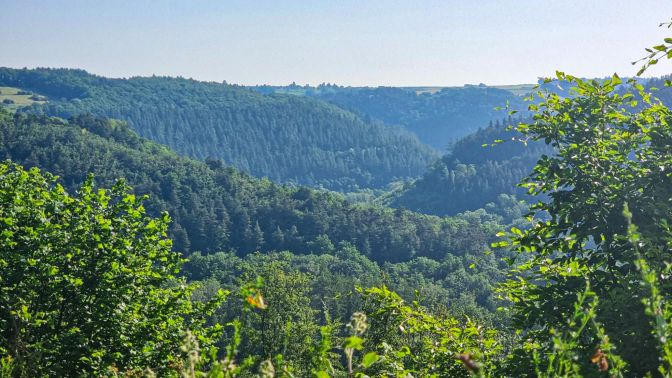
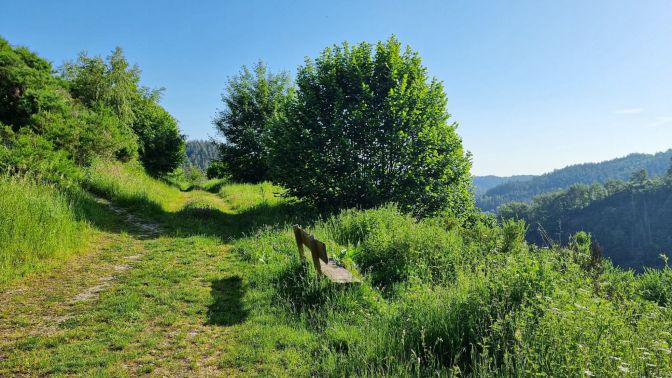
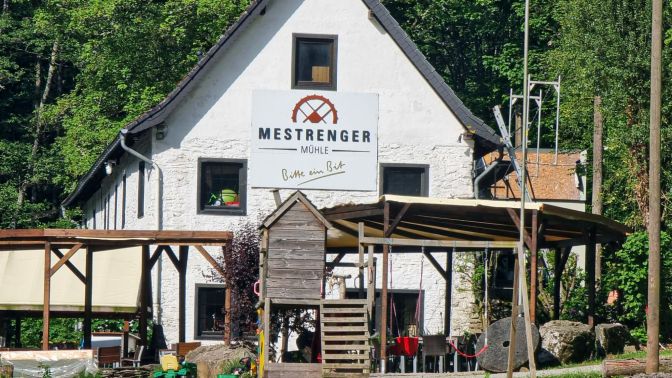
Today the Kall River Valley is a peaceful paradise of hiking and nature. Situated in a cozy bend in the Kall River is the Waldcafe Mestrenger Mühle. It is only open on the weekends, so on a Wednesday morning, it sat tantalizingly quiet.
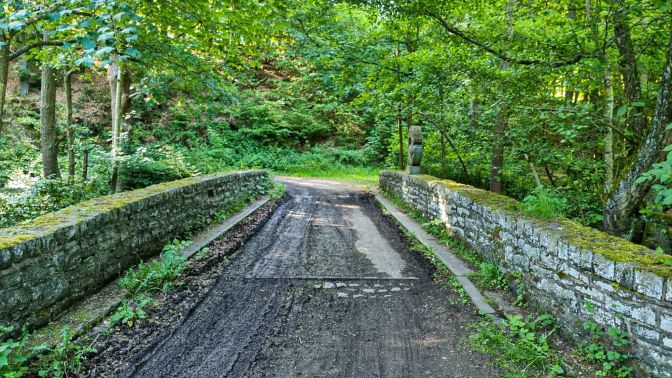
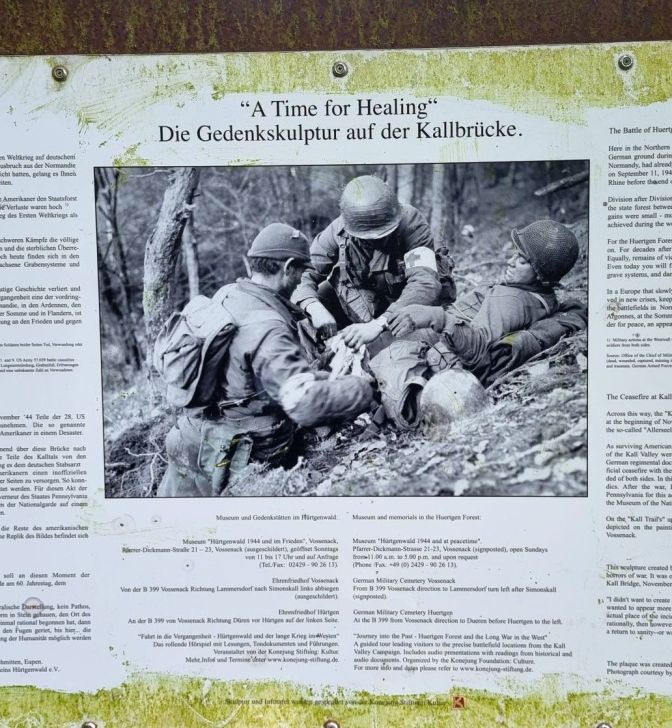
Near the Waldcafe is the Kallbrücke, where from November 7-12, an unofficial ceasefire was organized to allow both the Americans and Germans to tend to the wounded. Several American soldiers of the 28th Infantry Division were tended to by a German Captain, Dr. Guenther Stuettgen, who was later honored by the Governor of Pennsylvania. A painting entitled A Time to Heal depicts this scene and hangs in the Museum of the National Guard in Washington DC. Meanwhile, having been born in Pennsylvania, I was interested in finding out which governor gave the commendation and when this occurred. So I have written to the Pennsylvania State Archives as no information seems to be available on the internet other than the general factoid posted on the information panel of the bridge.
“Tank tracks and suspension systems were choked with the viscous mire.”
The Bloody Forest by Gerald Astor (2000, Presidio Press)
One piece of evidence of the difficulties tanks had in navigating the Kall River Valley is this Panzer track still embedded in the trail.

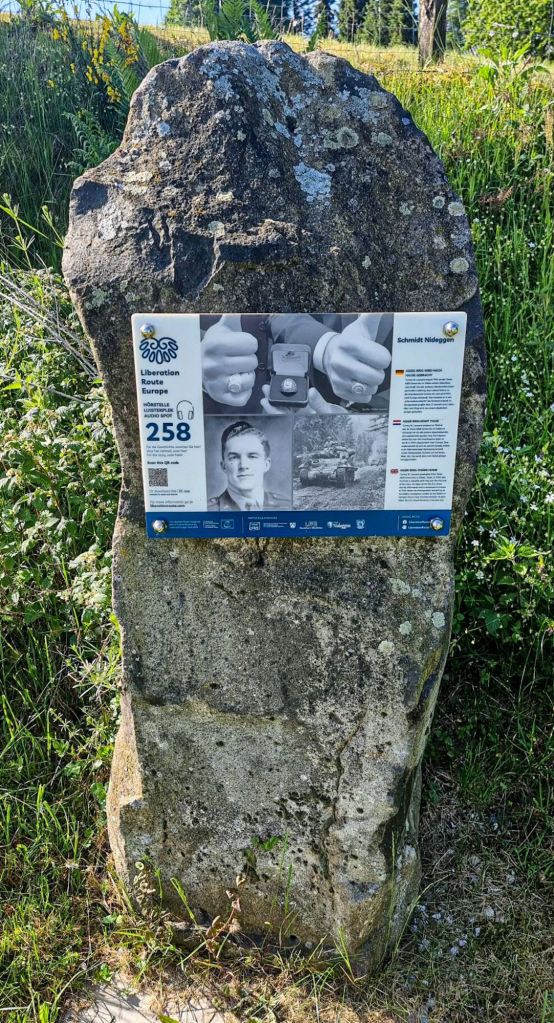
In the village of Kommerscheidt are two memorials. The first is in the location where a Texas A&M Aggie ring was found by a German boy. It belonged to Turney W. Leonard who died during the battle.
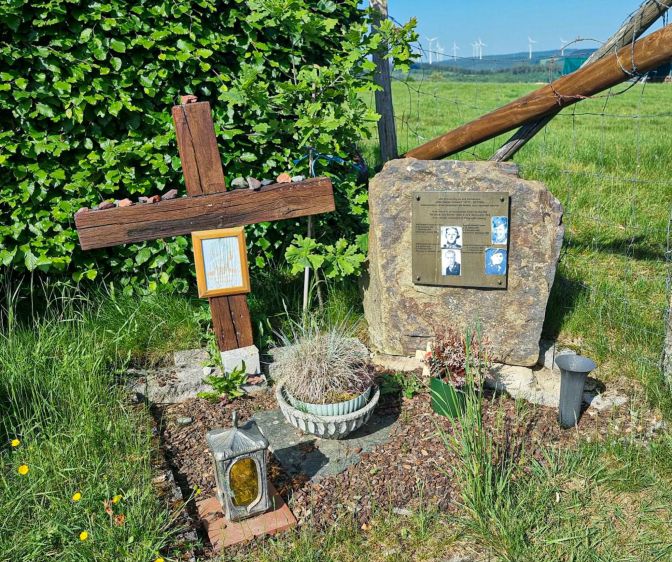
The other memorial in Kommerscheidt is one dedicated to several American soldiers whose bodies were found years later. It is here where I encountered a local resident who informed me that any time an American body was found years after the war ended, the US Military would ask the local citizens to erect and caretake a memorial like this one. While very friendly, I could tell he was not comfortable discussing the topic.
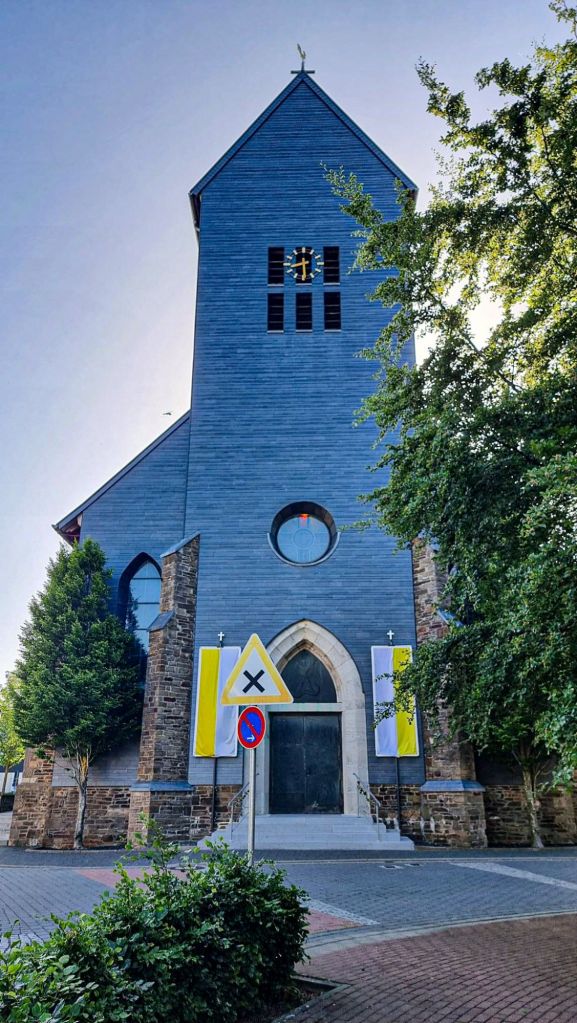
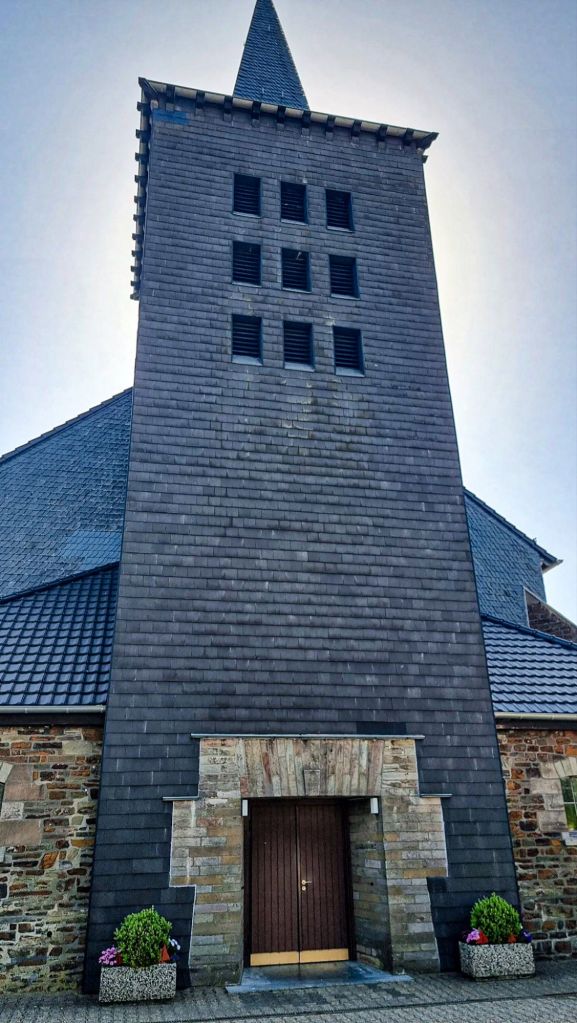
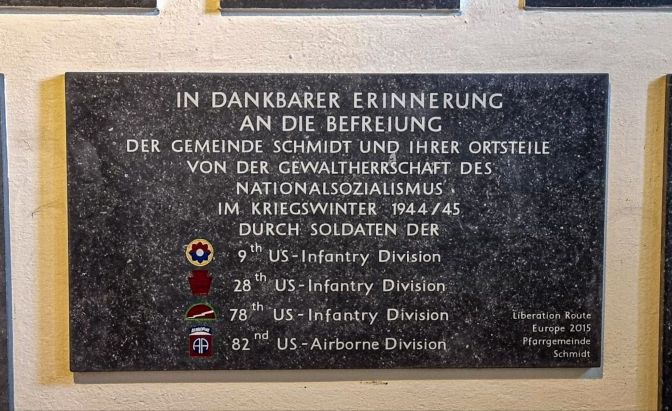
The town of Schmidt did not strike me as very charming. The church tower with its tic-tac-toe openings looks somber. It seems hard to believe that the Americans suffered 6000 casualties trying to take this town. The church does house a nice wall of memorials to the American divisions which fought here.
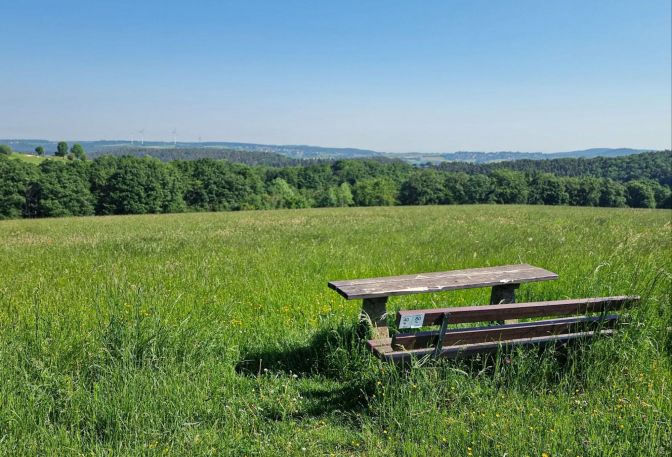
Heading west from Schmidt, you can get a glimpse of the Rursee which made Schmidt such a valuable target. It is this lake which is created by the Schwammenauel dam.

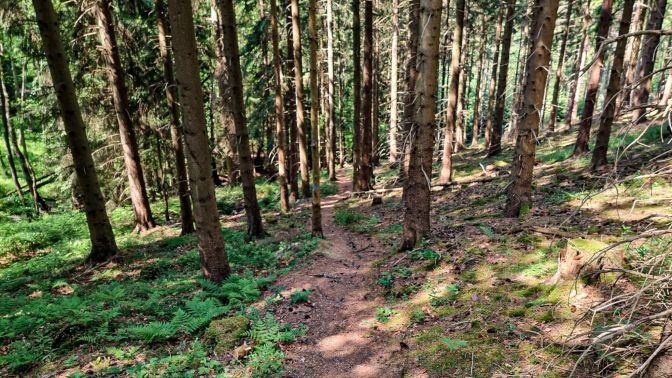
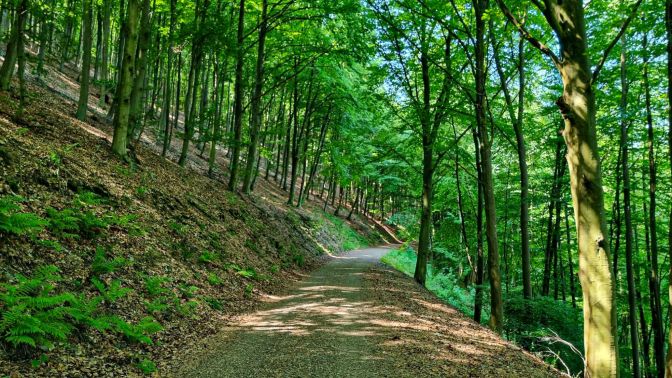
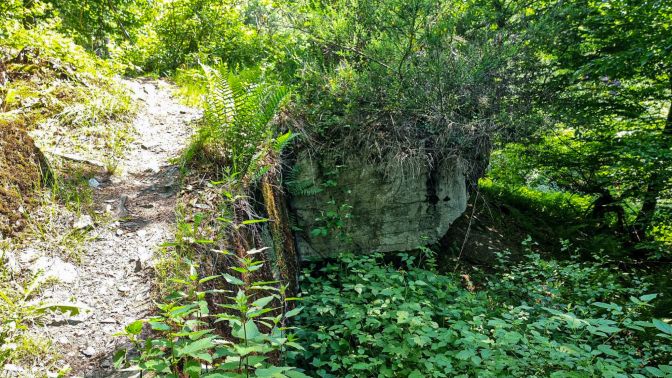
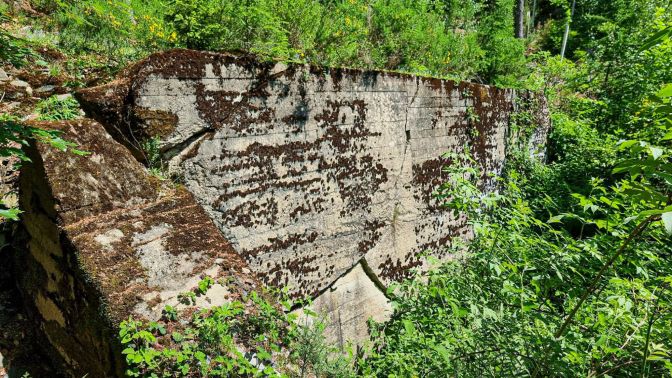
After a long stretch of forest with its welcome shade, the hike heads back north in the direction of Germeter and Vossenack. This section starts with a steep ascent riddled with destroyed bunkers. All of these conceivably would have stood in the path of the 39th Infantry Regiment and 746th Tank Battalion Company C.

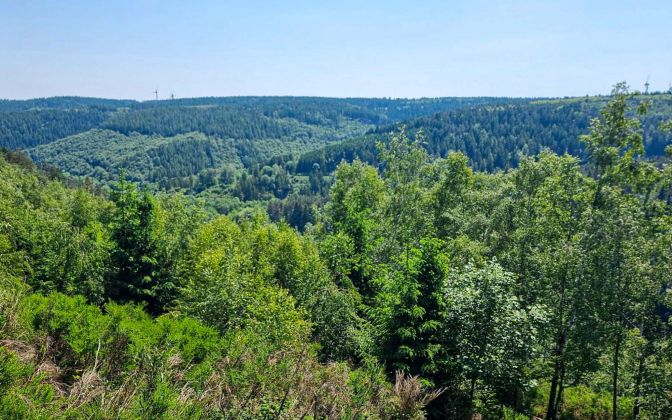

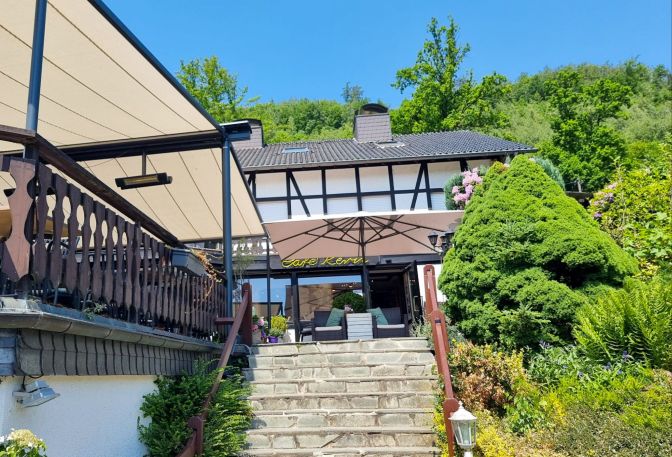
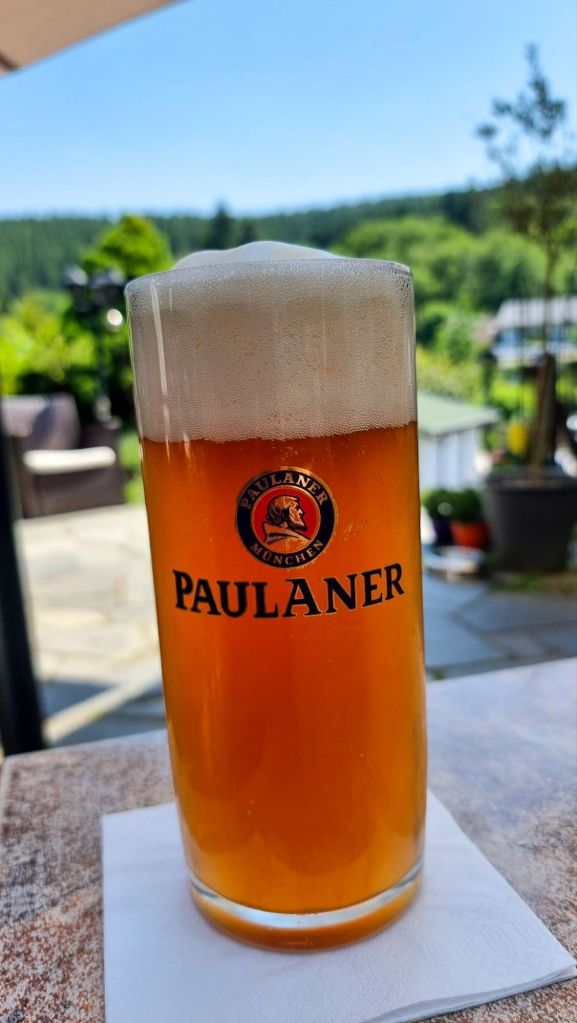
Simonskall is a quaint village which serves mostly as a resort town. Every home seems to advertise as a holiday cottage. Cafe Kern was a nice place to stop for a beer and late lunch.


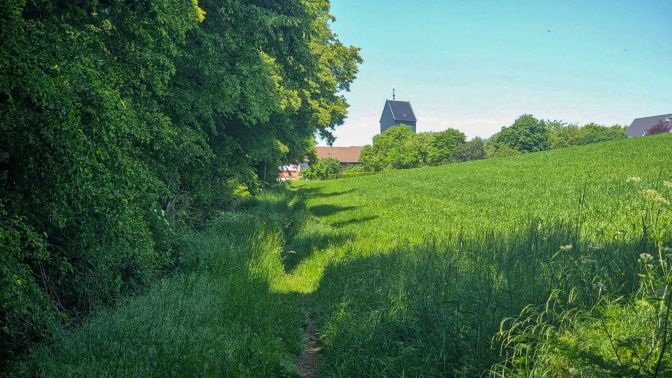
The hike up to Vossenack is quite steep and would have given the defending Germans quite an advantage.
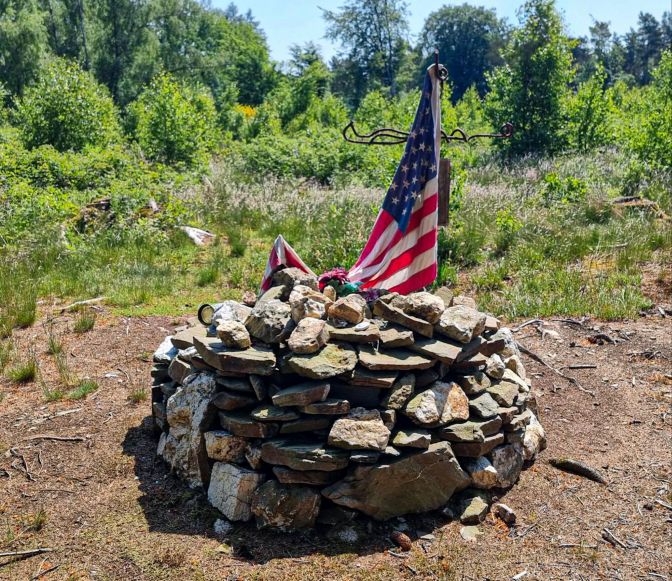
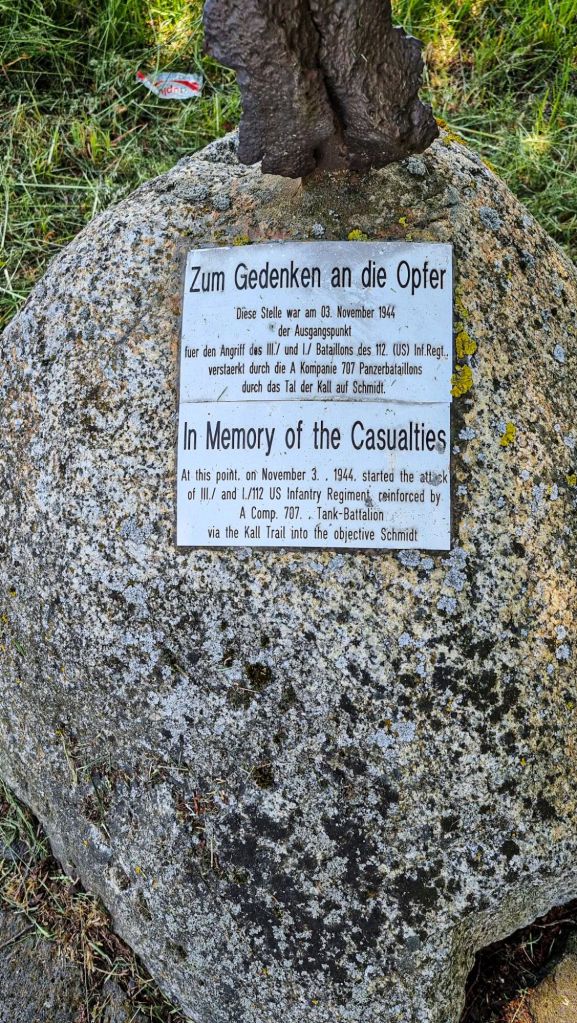
Emerging from the forest into Vossenack, a memorial marks the start of the Kall Trail and casualties of the Schmidt offensive.
It is a pity that the museum was closed. Museums like this are becoming extinct. In such a rural and remote location, opening more than one day a week would understandably be difficult to support. I hope to get back one day to pay my respects.
Final Remarks
For the remainder of October and the entire month of November, Company C of the 746th Tank Battalion was held in reserve, spending most of its time in Weywertz, Belgium and a few days near Krinkelt. Some of the officers were given passes to Paris or Eupen for R&R.6 However, from November 24, Company C was put on 6-hour alert. The Battle for Schmidt did not go well for the 28th Infantry Division, and on December 5, the 39th and 746th Company C were ordered back into Germany to prepare for a new offensive. My great uncle and the rest of Company C arrived in Nothberg, Germany to begin a reconnaissance mission. This would start the clock ticking on the final action my great uncle would see in World War II. Meanwhile, much of the 28th would be sent to lick their wounds along the ghost front of Belgium and Luxembourg where another clock was ticking; the one that was counting down until the fateful morning of December 16. Part 3 of my journey following in the footsteps of my great uncle will take me to Nothberg, Merode, and Derichsweiler, Germany; an adventure I will try to achieve later this summer.

- After Action Report ↩︎
- After Action Report ↩︎
- The Bloody Forest by Gerald Astor (2000, Presidio Press) ↩︎
- In the After Action Report, it states in the October 12 entry “One platoon leader left in Company C at close of period.” ↩︎
- The Bloody Forest by Gerald Astor (2000, Presidio Press) ↩︎
- After Action Report ↩︎
For more on the 28th Infantry Division along the ghost front…

Beer & The Bulge: Ouren & Three Country Hike
What do Pennsylvania and the Our River Valley have in common?
Continue reading Beer & The Bulge: Ouren & Three Country Hike
For more on Krinkelt….
Beer & The Bulge: Elsenborn Ridge
Having a beer with the Battle Babies
Continue reading Beer & The Bulge: Elsenborn Ridge


