“Eyam has its story of heroism which even the tramp will wish to know.”
Tramping in Derbyshire by William T. Palmer (1934)
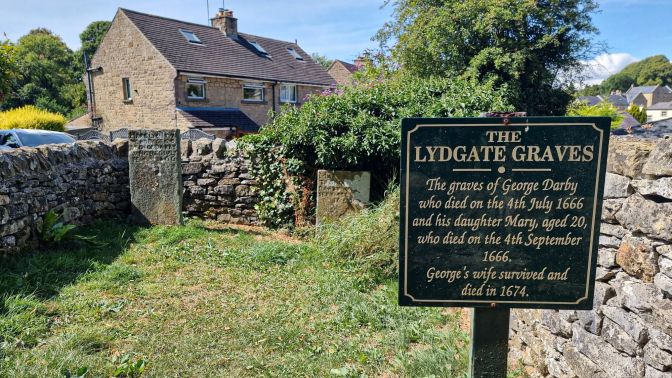
In September 1665, a seemingly innocuous box of tailor’s cloth arrived from London to a cottage in Eyam. Within four days of opening the box, the tailor died. The box was carrying more than just cloth and old clothing. Interwoven in the dampness were strains of the plague that was currently ravaging London. In one year’s time, approximately 80% of the population of Eyam fell victim to it. While this is a tragic tale, the real story is about the efforts of the local rector William Mompesson and his wife Catherine, who were instrumental in preventing the plague from spreading around the countryside. In a collective community effort of self-sacrifice, the entire village quarantined themselves and the plague was stayed.
“Eyam. In a land of moorland heights, ravines, and pretty dells lies this charming Queen of the Peak, whose old stone houses line the long, wide, old world street on a terrace of the hills.”
The King’s England: Derbyshire by Arthur Mee (1937)
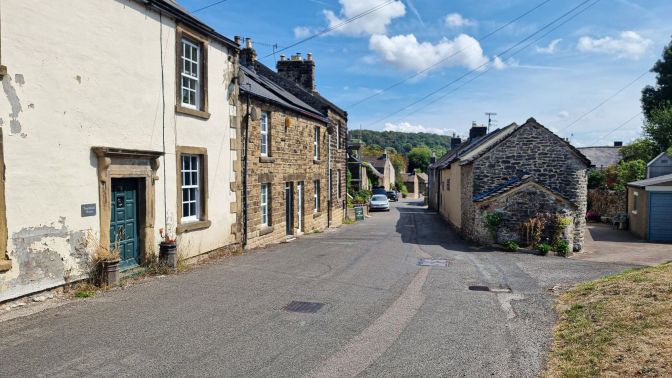
Eyam survived to tell the tale and today occupies its cozy nook in the Peak District still lined with old stone houses and speckled with old, evocative graveyards as a reminder of the events that unwittingly put Eyam on the tourist map almost 400 years ago.
This past summer, I used Eyam as a hub for a 16km hike where I passed thru this once plague-ridden hamlet, crossed the Eyam Moor, encountered a mysterious knight, followed a ridge past the Peak’s highest pub, passed briefly through the quaint village of Great Hucklow (where I was staying) and back to Eyam across graceful farmland and the village of Foolow. Along the way, I would encounter two great pubs and one former one before ending the hike in Eyam’s own pub highlight, The Miner’s Arms.
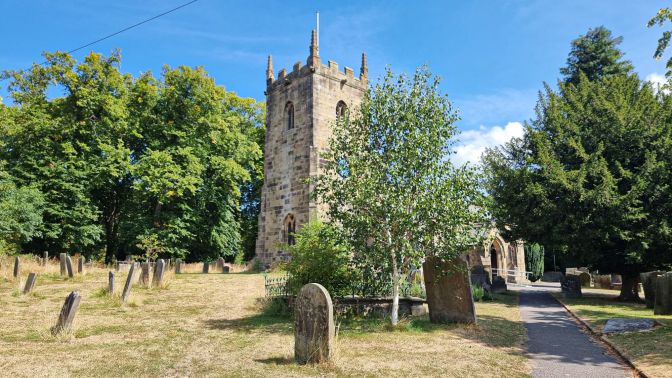
Hike Details
| 📍 Starting Point | Eyam. I parked in The Miner’s Arms parking lot. (I cannot vouch that they are ok about using their lot for a long hike before visiting the pub. The lot was not busy the day of my hike and no one complained.) |
| 🥾 Distance | 16.4 km |
| 🍺 Beer Highlights | The Barrel Inn, The Bulls Head at Foolow, The Miner’s Arms, Queen Anne |
It’s Not Just a Beer, It’s a Journey
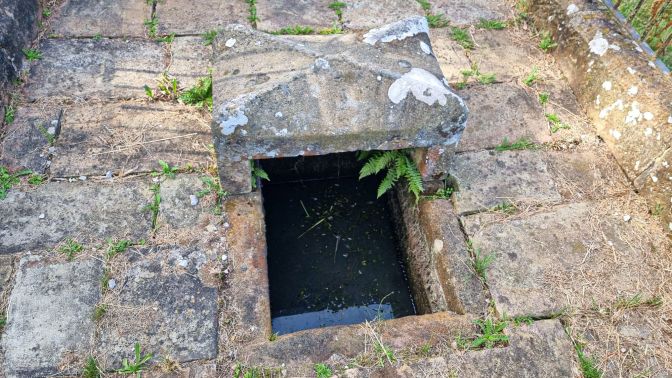
During the plague, Eyam still needed to trade with the outside world. To ensure that they didn’t transmit the disease, all coins would be washed in vinegar. One of the water troughs where this was done still exists north of town. The walk here follows a country road and continues on to Eyam Moor. The peak of the hike, Sir William Hill, comes into view during the road’s gradual ascent.
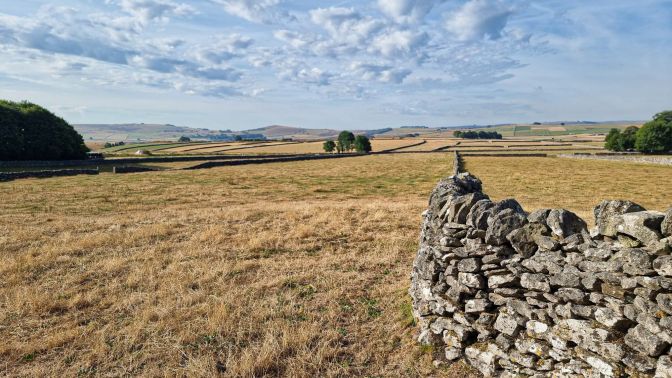
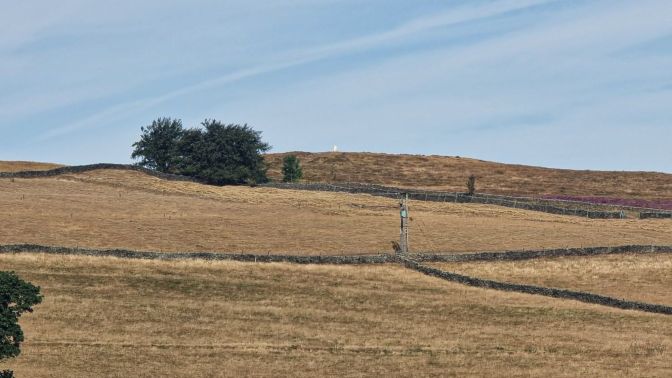
“Eyam Moor has none of the depressing grandeur of the Kinderscout region; its beauty is softer and more ingratiating. A place to walk over in the still hours of a summer’s night, when the grey paths are only faintly visible, and there is no sound save the whirring of the goatsucker’s wings.”
The Peak District by Murray Gilchrist (1911)
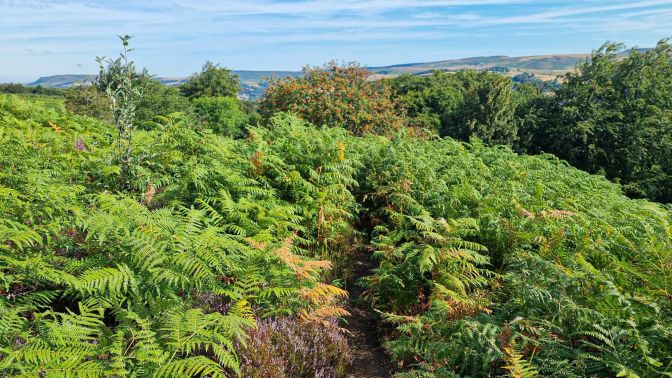
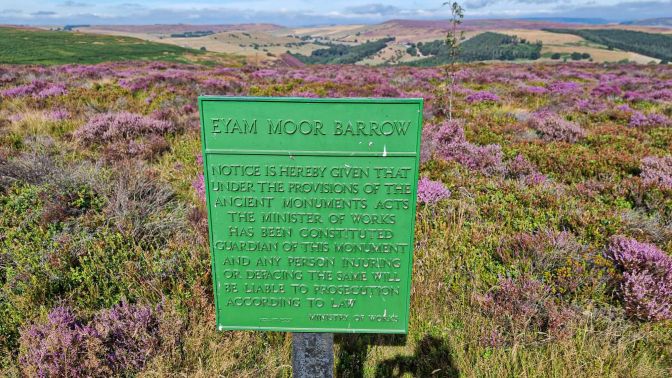
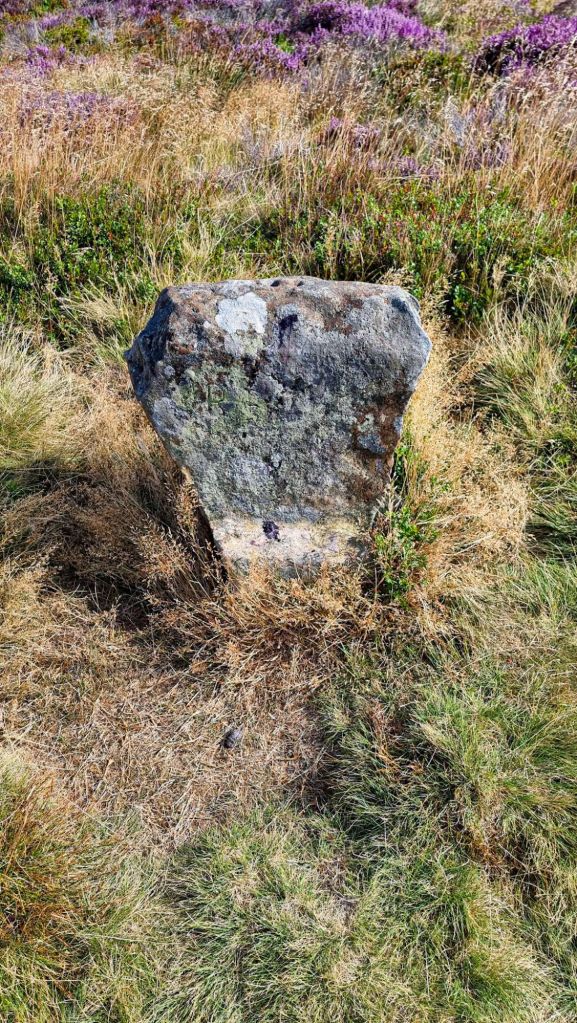
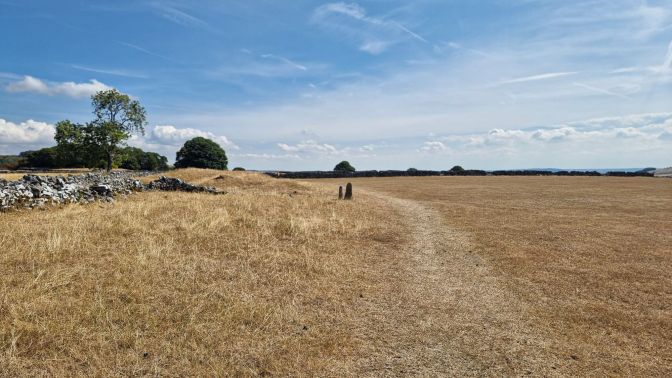
Eyam Moor starts out as a pleasant stroll across the colorful landscape. Thanks to the large number of ferns and heather resisting the summer drought, the moor was blessed with a patchwork of green and violet in the otherwise muted scenery. The path is subtle but visible in the low foliage until the moor slopes down. At some designated boundary of nature, the moor becomes a sea of chest-high ferns. For a few hundred meters, you are swimming through them while trying to navigate the path, discernible only by parting the fronds. Eyam Moor is a site of several Bronze Age stone circles and barrows. The most famous is a series of 10 standing stones called Wet Withens.

“The boss of this airy parish is the hill called Sir William.”
Derbyshire by A.R. Hope Moncrieff (1927)
Eyam Moor is capped by the modest but prominent Sir William Hill. It is unknown which Sir William gave the hill its name (nice article here). There are several Sir Williams who were Dukes of Derbyshire and while it is tempting to give the honor to the heroic rector William Mompesson, he was never knighted.
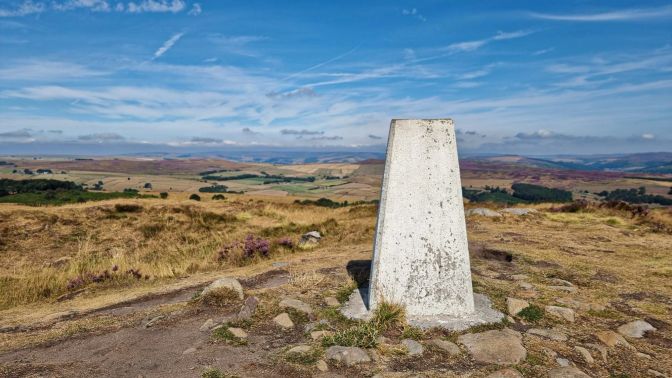
“From the summit of the Sir William Hill is what was described to me as a “perfect horizon”.
The Peak District by Murray Gilchrist (1911)
There may be enjoyed one of the most striking views in Peakland.”
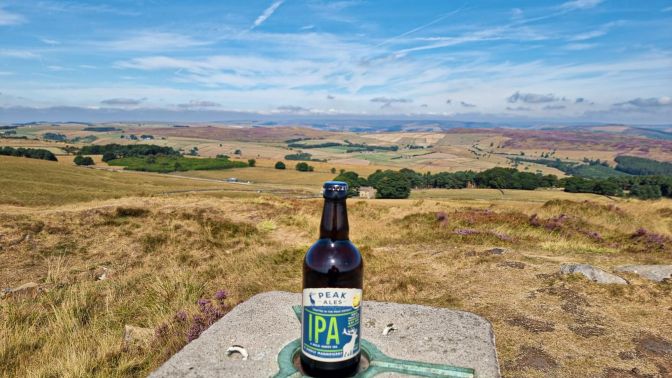
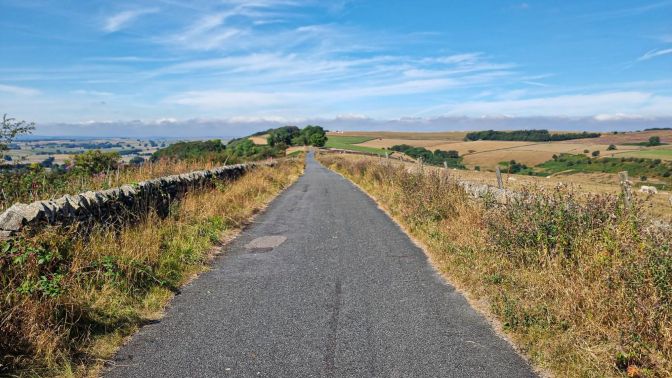
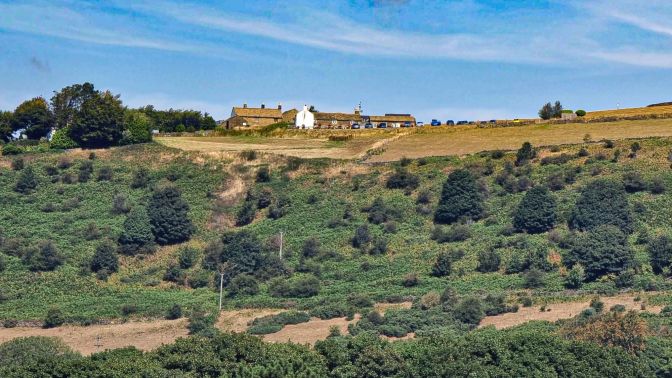
The Sir William Hill Road follows along the top of a wide ridge. I was heading in the direction of the villages of Bretton and Great Hucklow. This road gives sweeping views to both the north and south. Eventually, you come to one of the finest inns in the region. This is the only one on this hike that I found mentioned (not by name) in any of the old travel books.
“The route passes Sir William Hill at 1,376 feet, reaches the inn at Bretton and goes forward to Great Hucklow.”
Tramping in Derbyshire by William T. Palmer (1934)
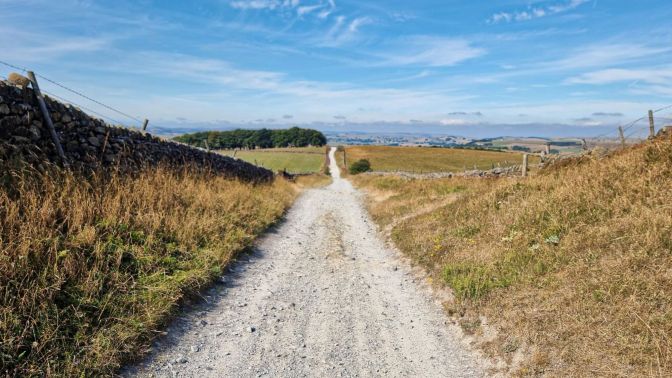
“Once an important highway, this road is no longer frequented save by farmers. It is sandy, deep-rutted; on the green banks grow wild thyme and many-coloured pansies.”
The Peak District by Murray Gilchrist (1911)
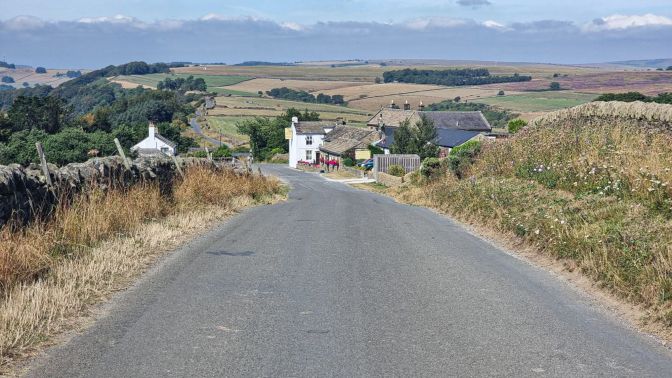
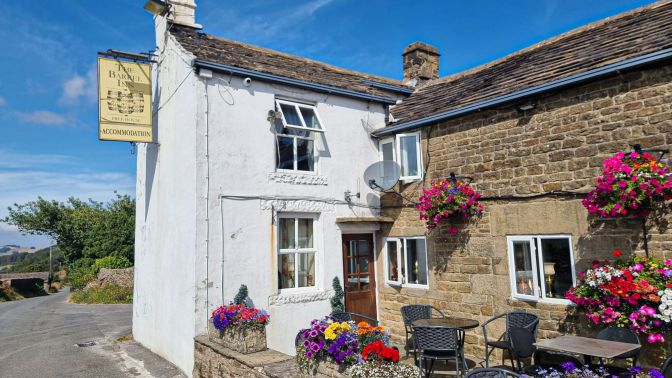
The Barrel Inn
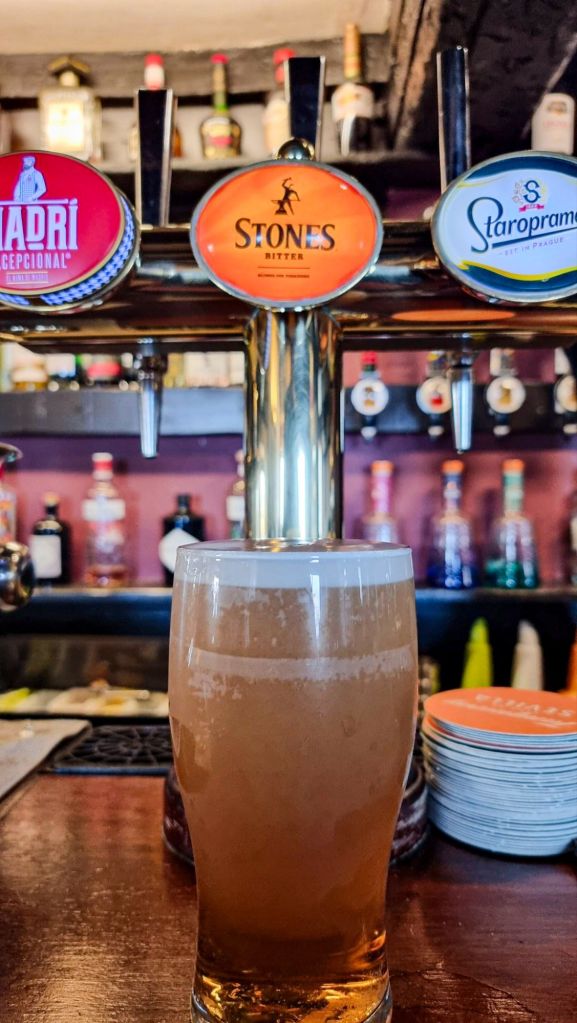
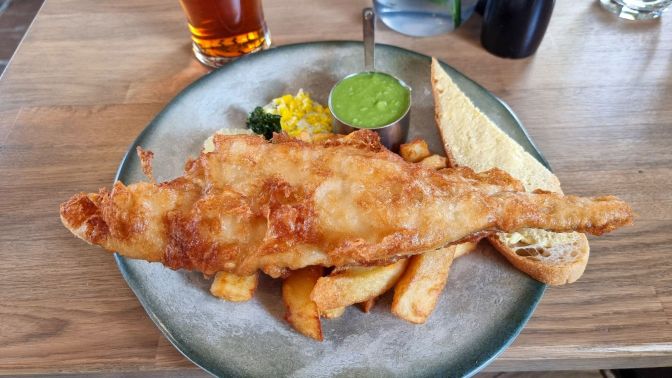
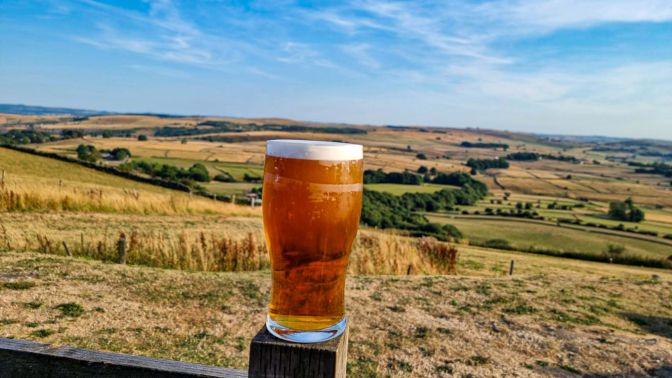
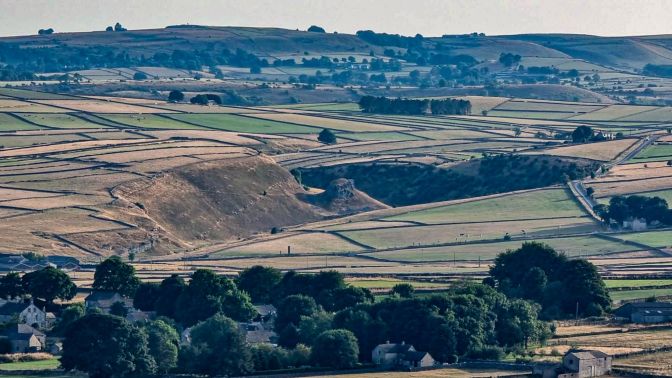
The Barrel Inn is a must visit. It is the proclaimed highest inn in the Peak District and has several tables and benches opposite the inn which have a breathtaking view to the south. During the hike, the inn was still closed, so if following this hike, make a point to come back at dinner time. I had dinner here the night of my arrival. I ordered the customary fish & chips which did not disappoint, but it was the first and last fish & chips I would order on the trip once I discovered how delicious the steak & ale pies were in the region. From the Barrel Inn, I could see one of the highlights of the hike I would take the next day, St. Peter’s Stone.
Queen Anne (Great Hucklow)
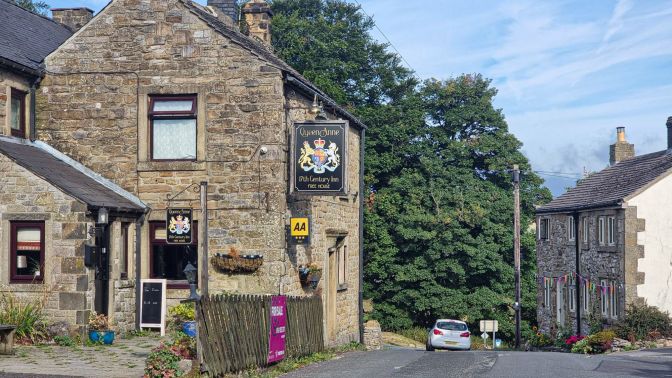
The village with the cutest of names, Great Hucklow, was where I was staying for the week. Just outside my airbnb is the Queen Anne, a pub which had just closed its doors a week or two before my arrival. It is on sale for £650,000, but the actual link to the listing no longer works so hopefully that means someone has bought it.
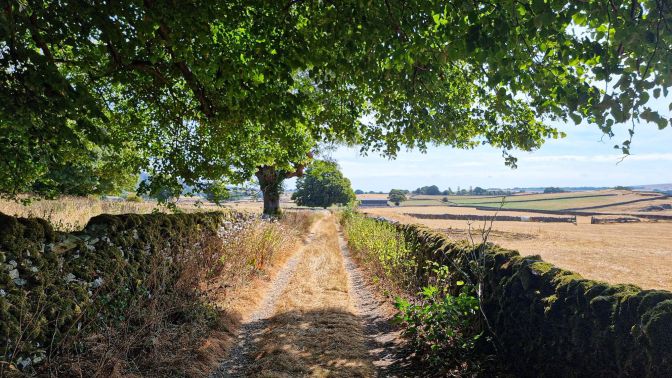
Down in the dales, the hike meanders across the farmland. On a hot summer day, there is not much shade except this short section just after Great Hucklow.
The Bulls Head at Foolow
With the Queen Anne closed, this left the opportunity to enjoy a guilt-free pint at The Bulls Head, a pub at the Foolow village crossroads. It genuinely feels like no matter how small the villages are here, they each have their own classic pub. One small regret was never making it back to this pub for dinner.
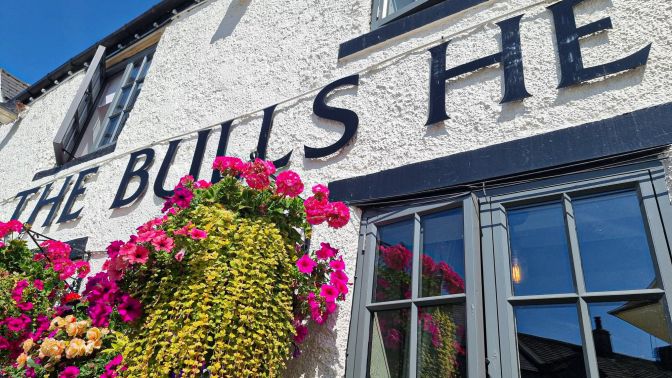
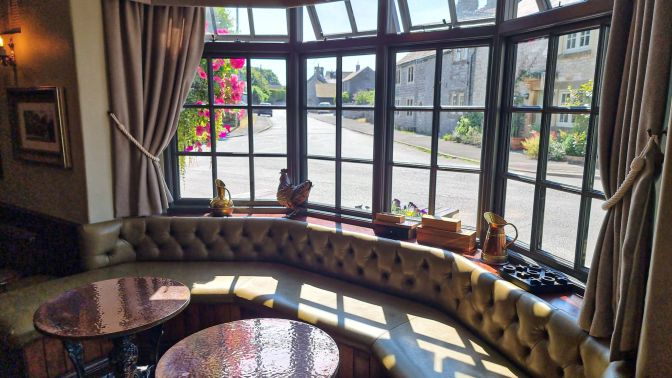
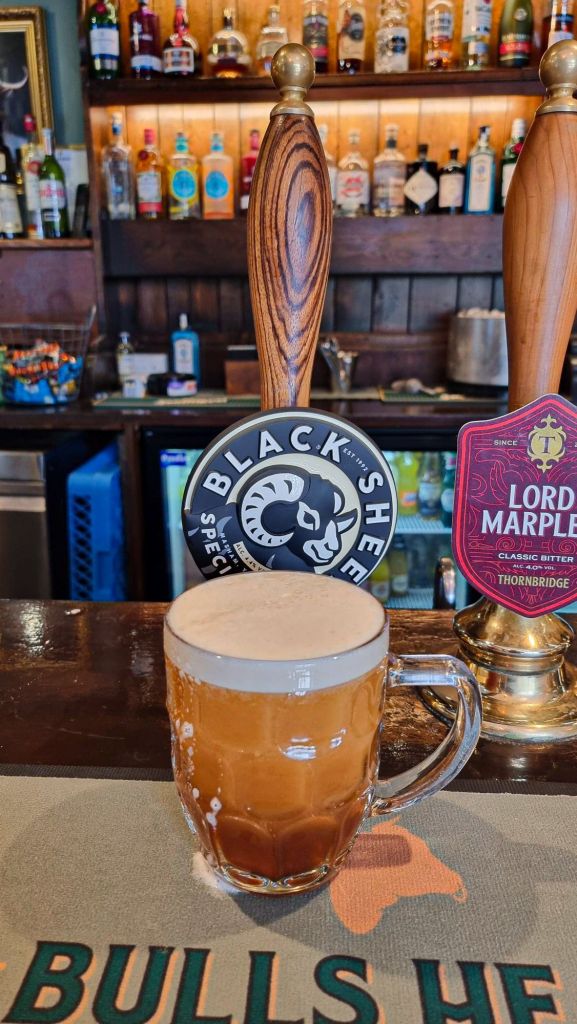
After Foolow, the hike continues across the sun-drenched landscape back to Eyam.
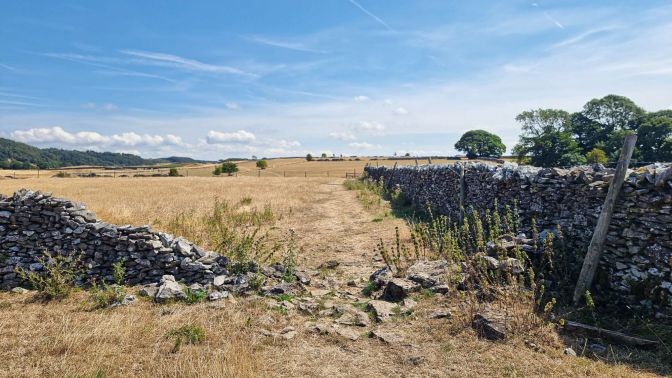
Eyam
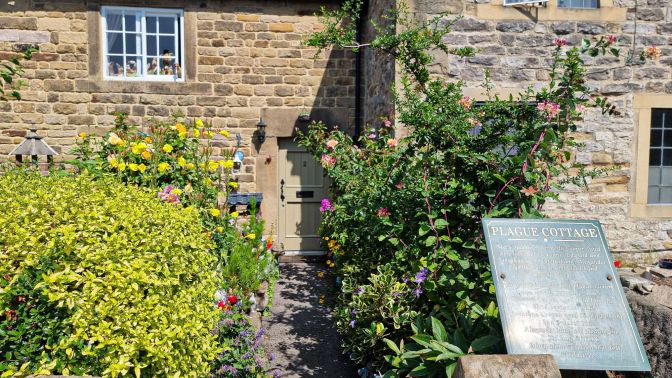
Eyam lives up to its reputation as a well-preserved village of old stone houses. At the end of a long hike, I wasn’t feeling energetic enough to dally among the local sites. Like dinner at the Bulls Head, it will have to wait for the next trip.
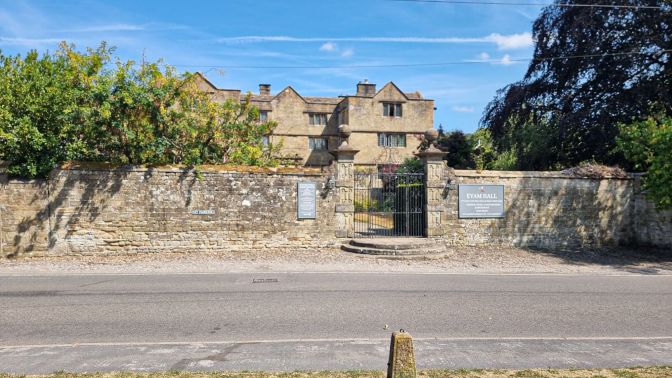
A series of old cottages line the street which existed during the plague.
The Miner’s Arms
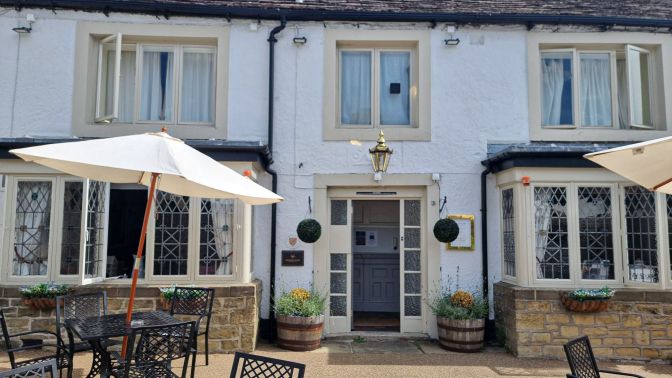
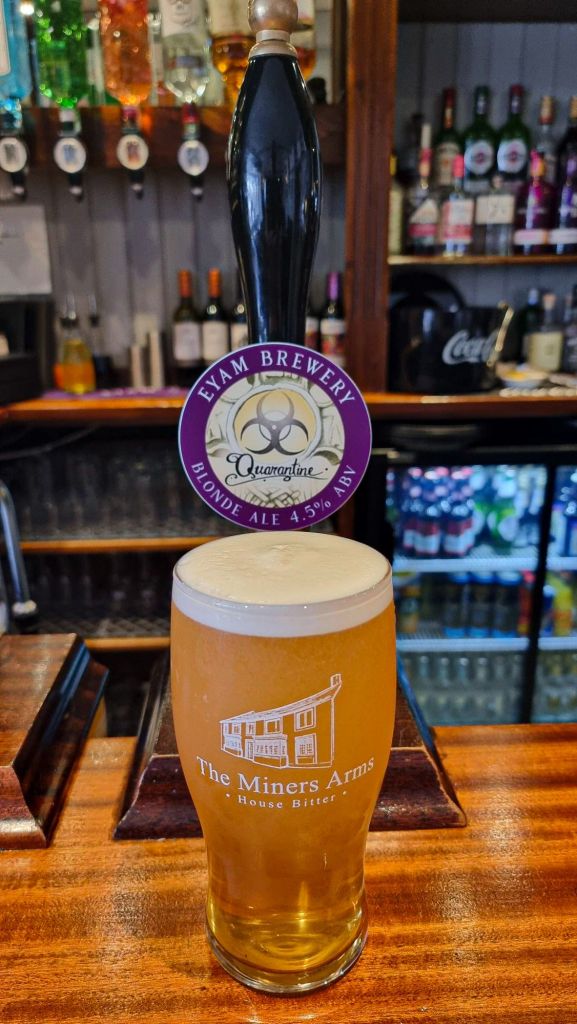
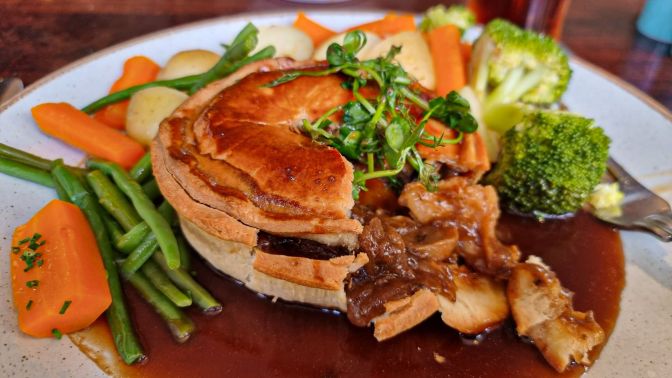
Finally at the end of the hike lies the reward. The Miner’s Arms does not have the most striking exterior of the great pubs in the Peakland, but it more than makes up for it by the atmosphere, fantastic steak & ale pie with loads of vegetables, their own house bitter and ales on tap from Eyam Brewery (brewery in Great Hucklow, taproom in Tideswell). Highly recommended.
Final Remarks
By the end of the third hike in the Peak District, I was very much smitten with this area. No, it is not as grand as the Swiss Alps, not even as grand as Snowdonia in Wales or the Cairngorms in Scotland, but the Peak District gives off a very Tolkienesque Shire vibe, where the atmosphere is a blend of gentle nature, Steak & Ale pies, frothy brews, and a feeling of peaceful isolation. Nothing could get you up Mount Doom like the warm memory of sipping an ale from a hilltop bench outside The Barrel Inn. And Eyam, once ravaged by the plague like a horde of Nazgul Ringwraiths, reminds the world that the Shire charm carries on unblemished.