
“A hundred and twenty years ago, the staple occupation of Glenlivet folk was the preparation of whisky by illicit distillation and the sale of it by smuggling to towns and cities.”
Verge of the Scottish Highlands by William T. Palmer (1947)
Make that 200 years ago.
A hundred years before moonshiners were enhancing their cars to outrun the police in North Carolina, whisky smugglers in the Highlands were engaged in a more guerrilla, clandestine form of evasion from the English authorities, utilizing the isolation and terrain of the glens to carry on their illegal activities. London would send preventatives1 to shut down the stills, sometimes with the support of soldiers. Over time, the soldiers would find their duty of preventing delicious whisky from being made to be a little distasteful. They were known to encourage the resistance of the smugglers and leave the so-called preventatives to defend themselves from tossed rocks or whatever other artillery the smugglers could find.
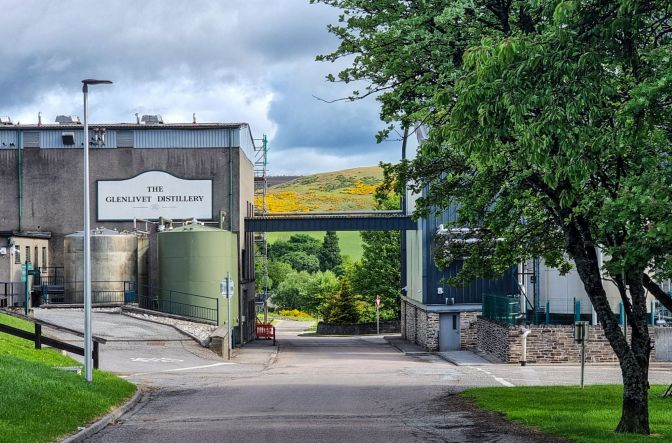
Then in 1823, an Excise Act was passed allowing for the establishment of legal distilleries. The first to jump on board was the Glenlivet Distillery in 1824. This was treated as treasonous by the local illicit whisky industry, but eventually law and order became the norm. Legal distilleries sprung up all over the region known as Speyside, referring to the River Spey, an area that overlaps with the Cairngorm National Park and is famous for its high density of distilleries. What better place to organize my first Whisky & Hike than starting from the first legal distillery in Scotland.
After the intensity of my previous day’s hike up the frigid, blustery trail to Ben Macdui, I was looking forward to the gentle nature of this hike. From the visitor parking of the distillery, it follows a mild uphill along an old smuggling route to the top of Carn Daimh, a minor but picturesque hillock of around 554m. Then it descends around to the Tamnavulin distillery, which is closed to the public, before heading back to Glenlivet. It is possible to add the Tomintoul Distillery to this route, but this would add an additional 11km. I skipped it.
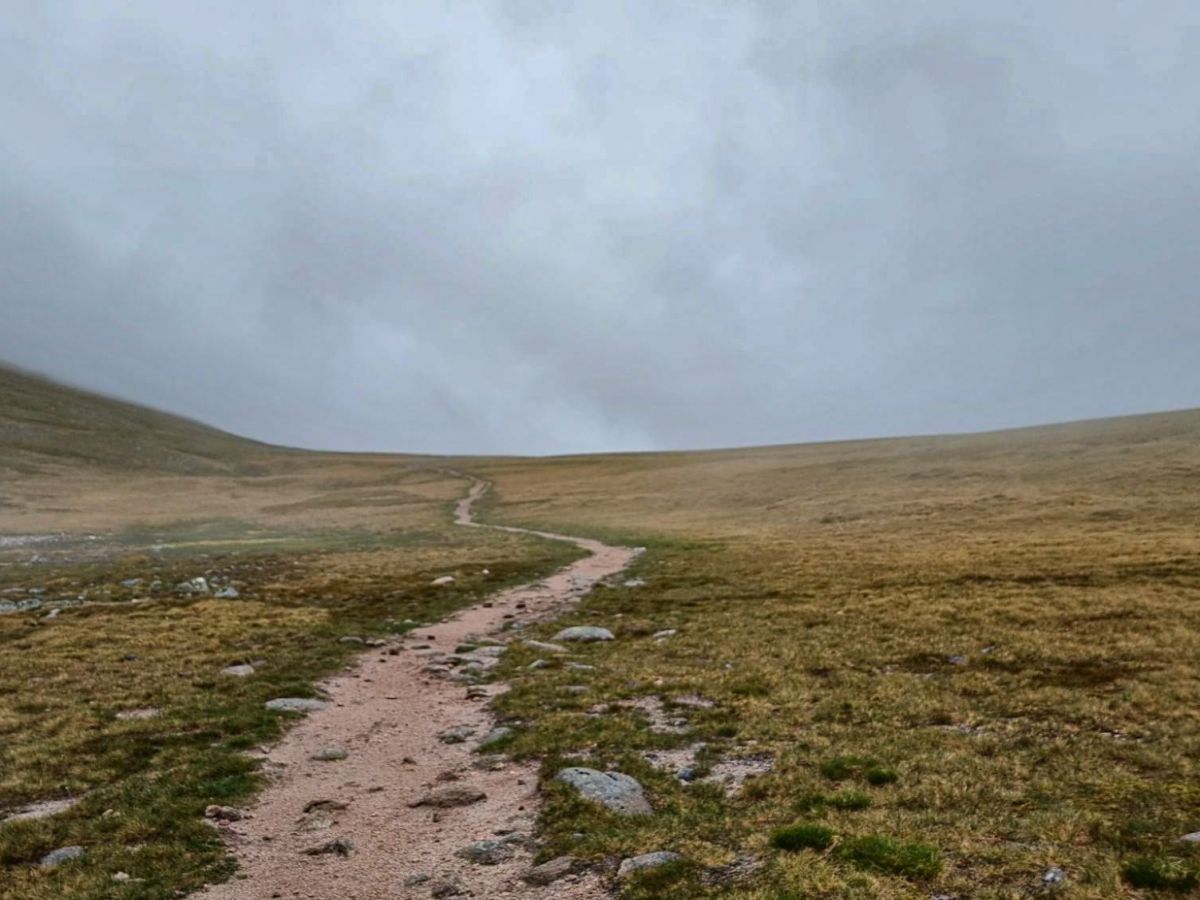
Ben Macdui & Cairn Gorm
Hiking two of the UK’s tallest mountains and cursing the weather.
Continue reading Ben Macdui & Cairn Gorm

Hike Details
| Starting/Ending Point | Glenlivet Distillery Visitor Parking (Free) |
| Distance | 16.2 km |
| Hiking Time | 4 hours |
It’s Not Just a Whisky, It’s a Journey
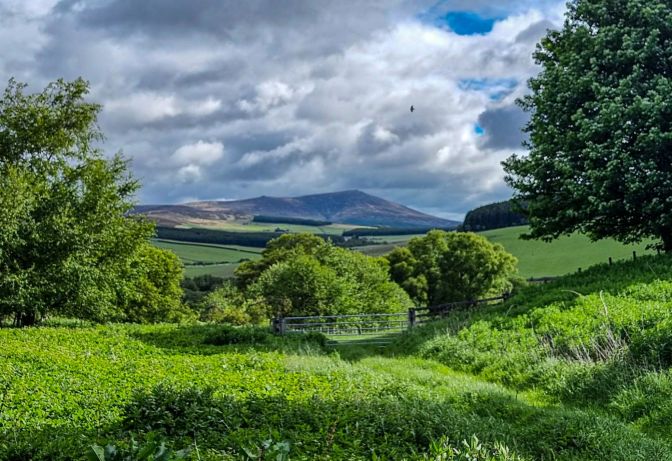
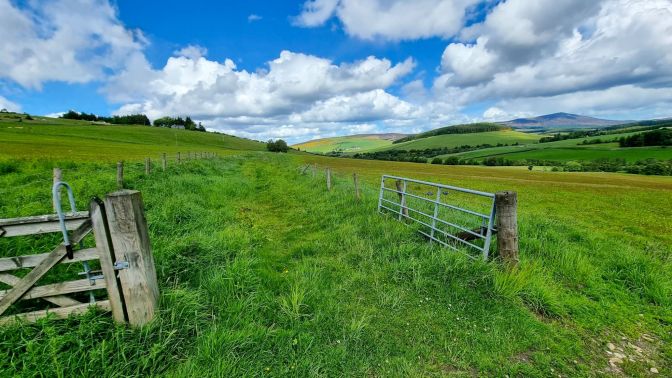
The scenery around Glenlivet is not as majestic as the heart of the Cairngorms, but it is a graceful view. The yellow gorse was in full glory on the sides of some hills (only to be outdone on the next day’s hike).
Just a short walk from the modern distillery are the ruins of its original location.
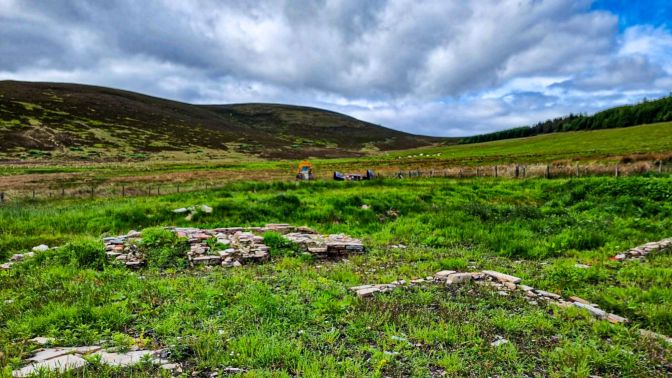
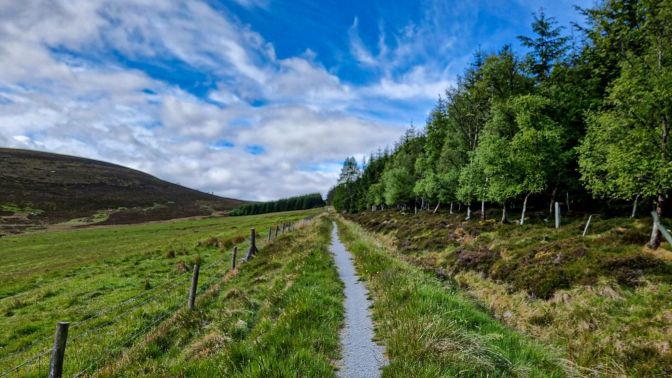
One could imagine a smuggler with a sensitive soul stopping here briefly to ponder that life is good… before snapping out of it and realizing that at any moment, he could be sent to rot in some English gaol.
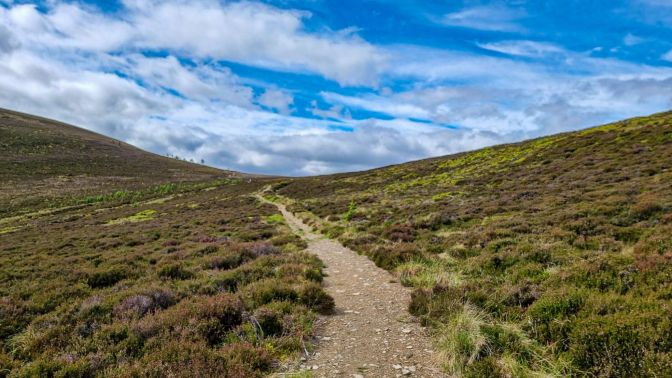
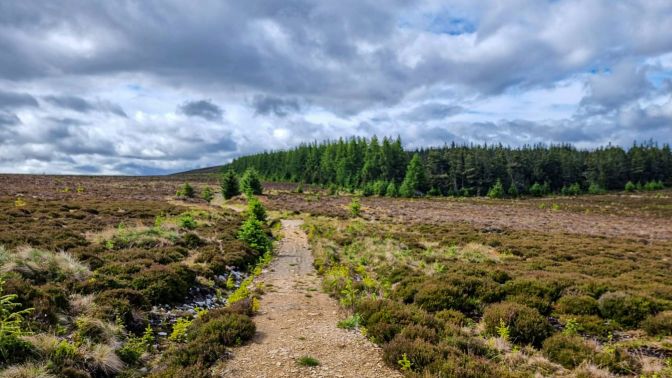
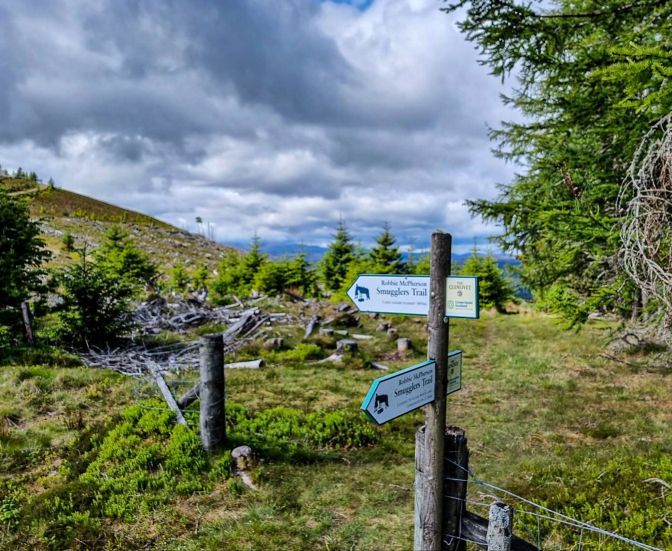
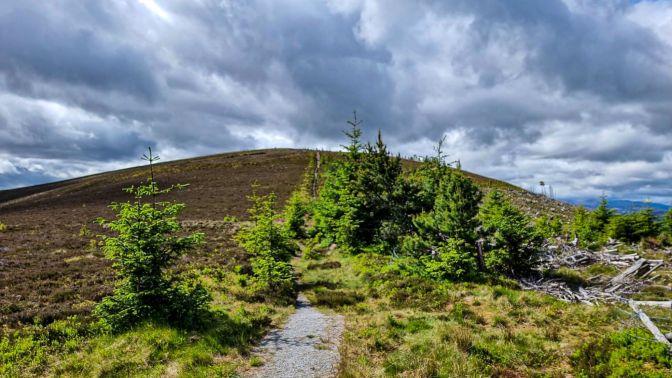
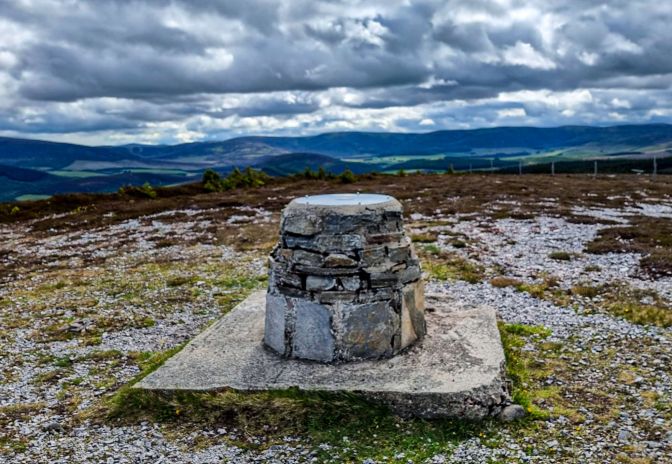
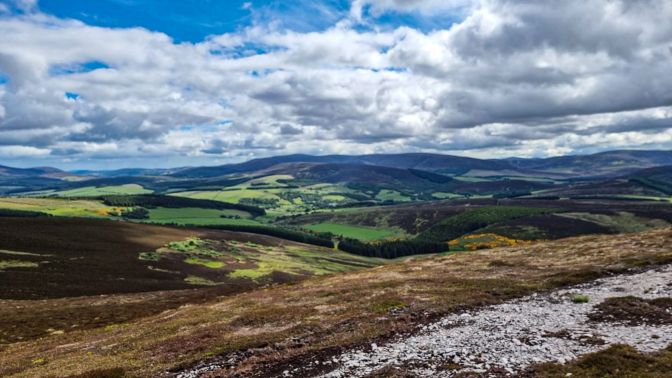
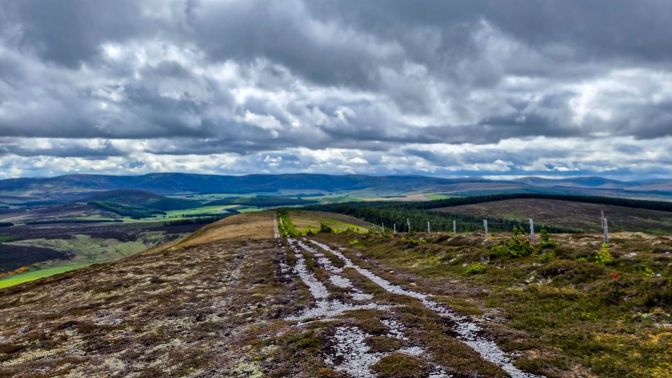
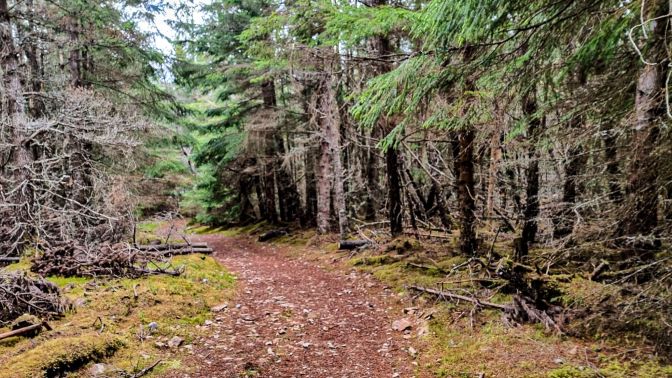
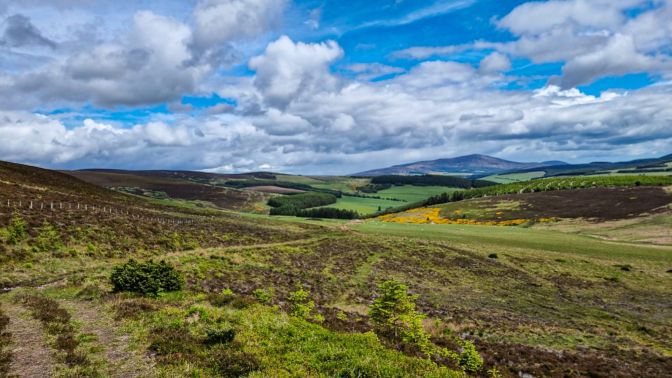
As the hike heads in the direction of Tamnavulin, it passes directly across a large field of sheep. There is no defined path here, and it will make you feel like a trespasser, especially in June when every mother sheep is accompanied by their two young ones.
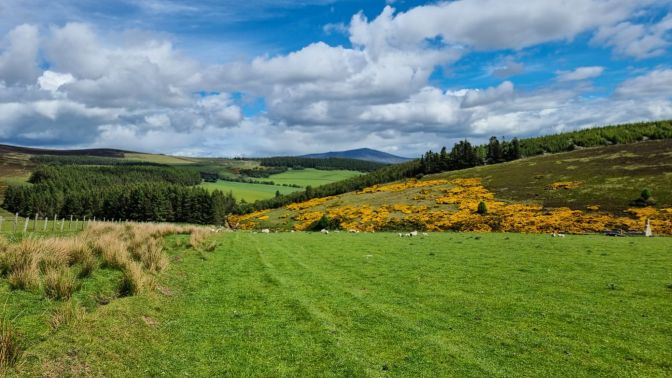
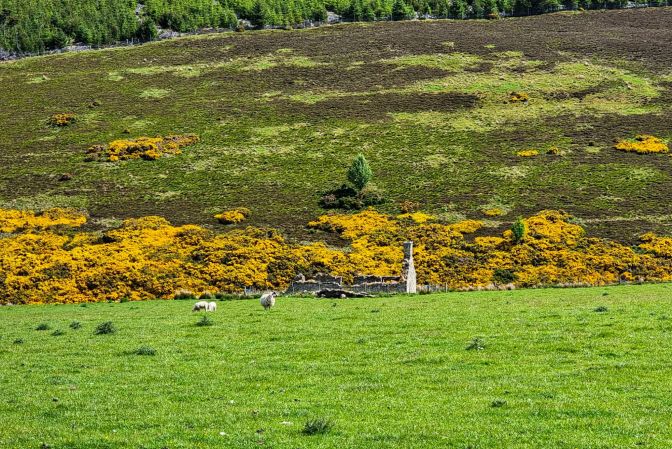
After passing through the field, you are greeted by a welcome path. I had one sad experience here witnessing a distraught and confused mother standing over one of their lambs who looked to be lying dead while the sibling was further down the road out of sight of its mama nibbling grass. It was an unexpected reminder to appreciate life.
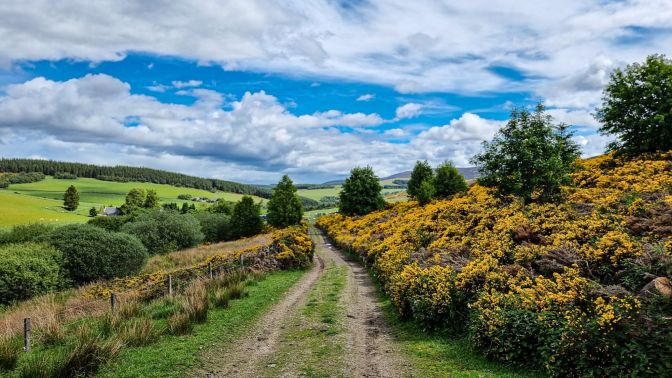
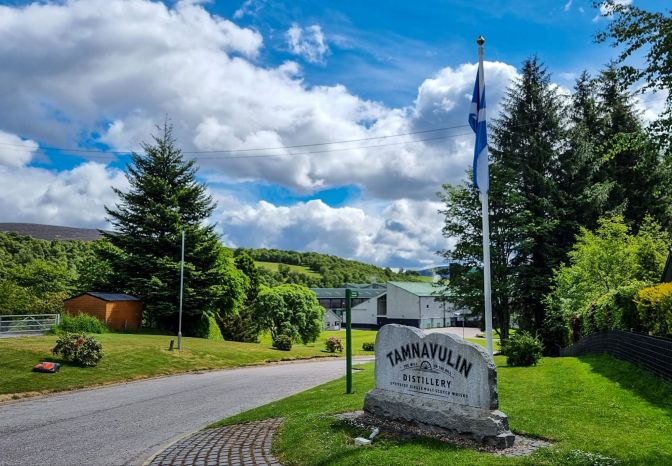
Tamnavulin seems like one of the more obscure whiskies in the region, although it doesn’t seem difficult to find. It was started in 1966 and even went from 1995 to 2007 without any production. It was the one whisky of any of the distilleries that I visited that I wasn’t able to taste on my holiday. The village is tiny; a post office, a few houses, and the distillery.
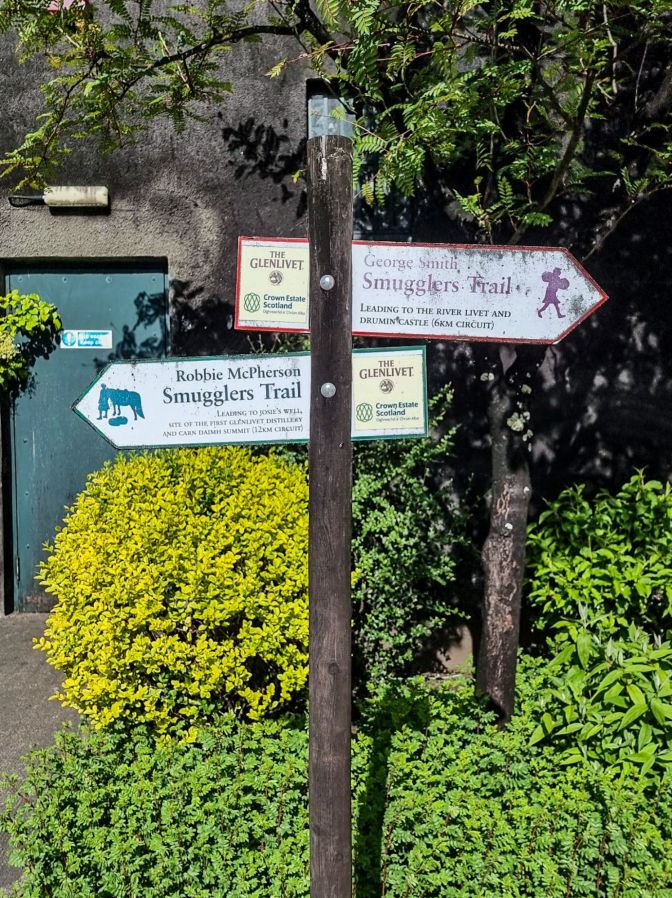
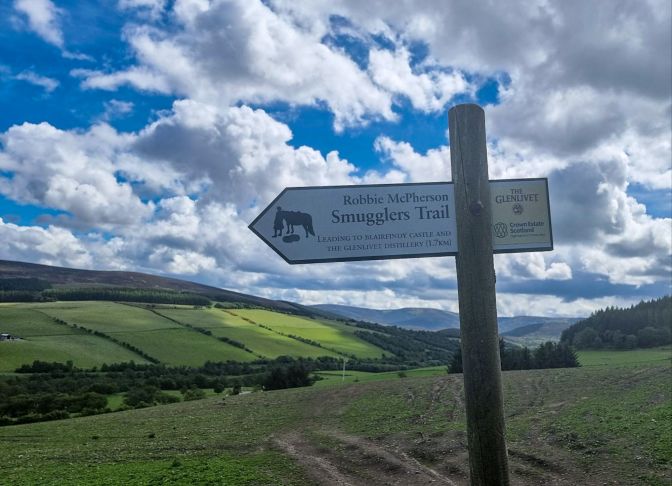
The route from Tamnavulin back to Glenlivet follows a road frequented by joy-riders most of the way until a sign for the Smugglers Trail signals you back into the fields. This segment is not available on the Komoot app. But it starts with this sign.
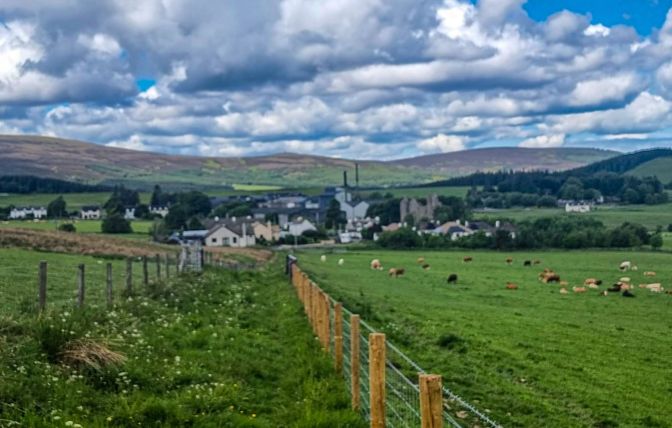
Back in Glenlivet, the Blairfindy Castle provides a stark reminder of the destruction of Jacobite property that occurred following the Battle of Culloden in 1746, where the Bonnie Prince Charlie was defeated and forced into exile. It was following this battle that the rise in illicit whisky distilling occurred and brings us full circle.
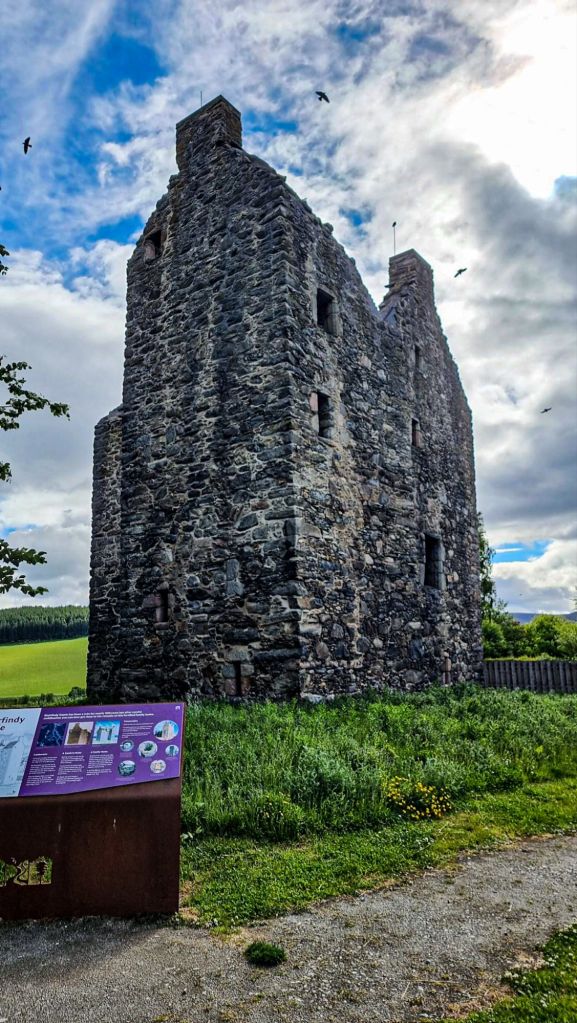
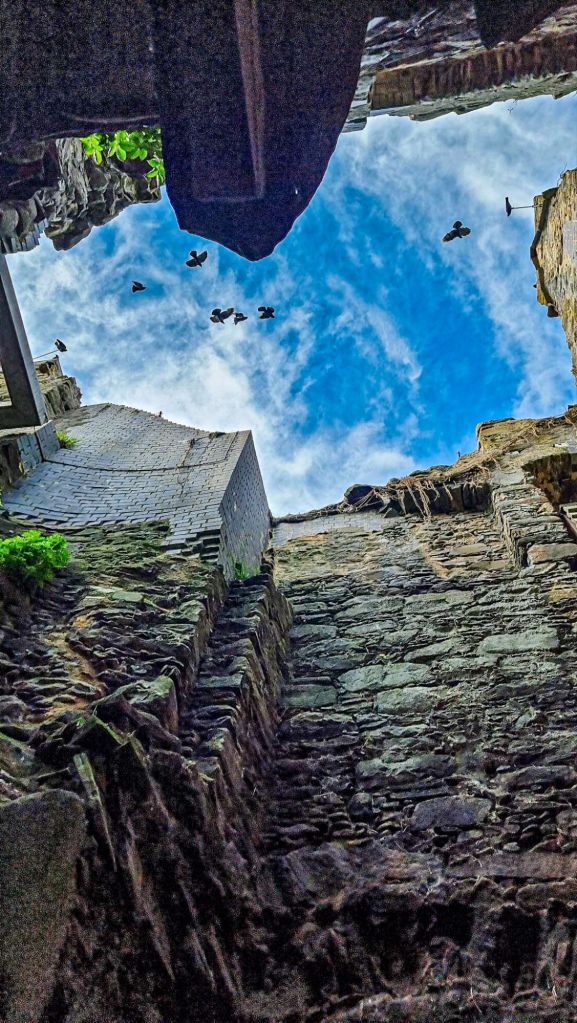
Just a couple hundred meters from the castle, the hike returns to the Glenlivet Distillery.
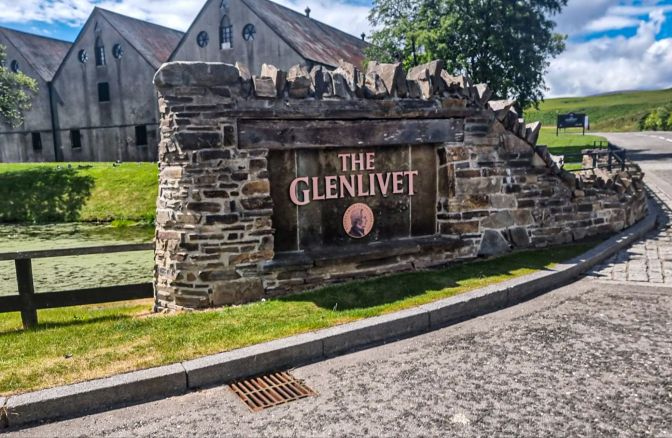
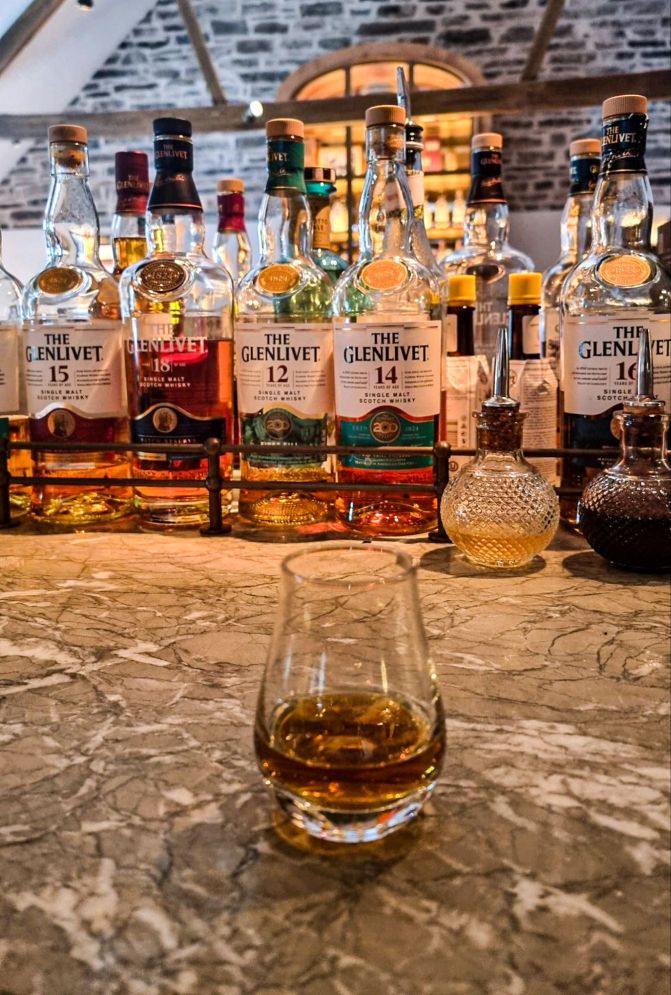
My celebratory whisky was a special 16-year old single malt aged in sherry casks. At 11 euros for 5 oz. of whisky, a volume which hardly is able to pass over the tongue before it is gone, is a steep luxury, but it was a worthy conclusion to a rejuvenating hike.
Extra: Cragganmore Distillery
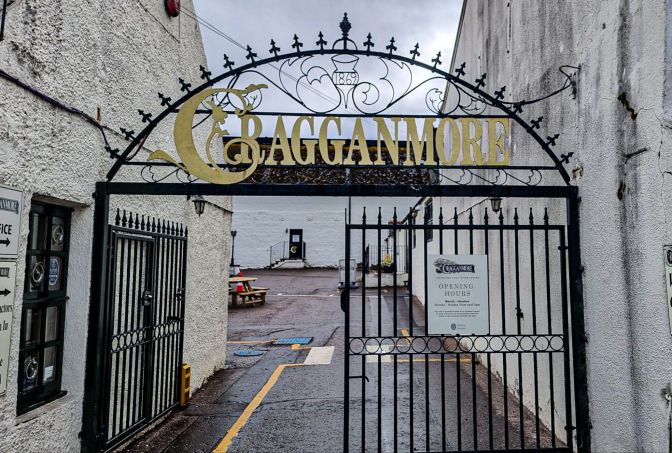
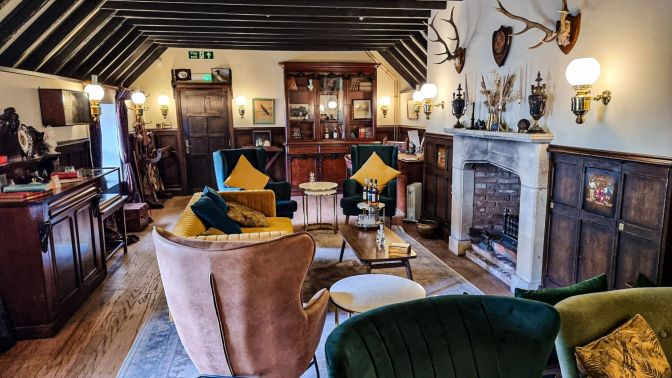
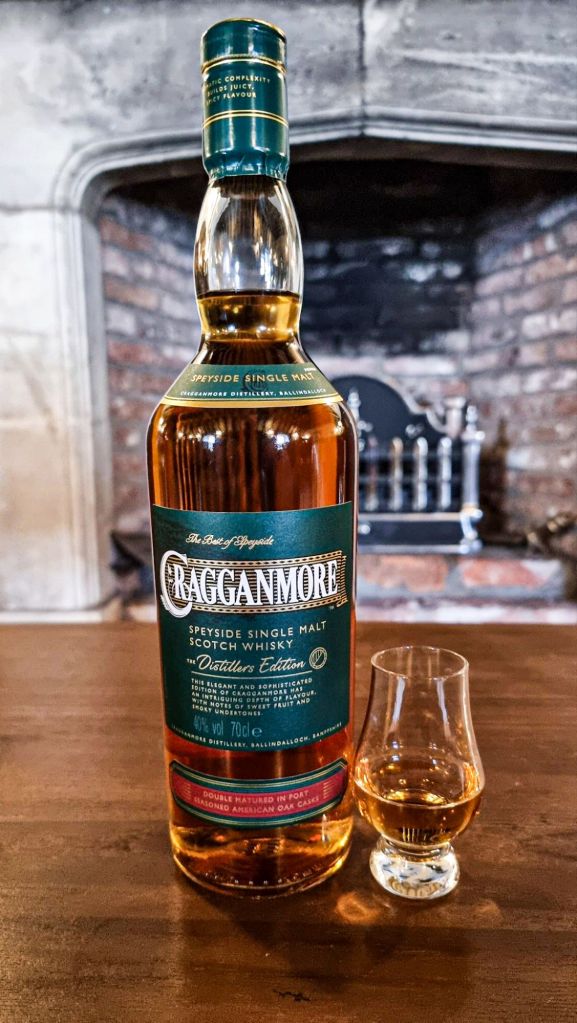
When you are driving through the Speyside region, distilleries seemingly appear around every bend in the road, and there are a lot of bends. On my drive back to Aviemore, a sign for Cragganmore caught my attention, so I turned off the main road and followed a backroad to its hideaway visitor center a few kilometers away. I browsed the gift shop waiting out a tour group until I could order a dram and sip in silence. I enjoyed a 5 oz. Distiller’s Edition in the calm of its cozy Victorian hunting lodge-style lounge. The dram seemed a bit more on the plus side of 5 oz. than the Glenlivet and I savored every extra micro-ounce of biting warmth. Between the atmosphere and serendipitous nature of the visit, this was probably my favorite whisky tasting experience of the trip.
Final Thoughts
As I sat sipping my dram at Cragganmore feeling the first warm tide of the dilated capillaries in my face letting in extra blood flow as the effects of the whisky were satisfyingly setting in, I noted that I didn’t pass by a single soul during the hike; not a bad characteristic for a smuggler’s route. It was a hike noted by its quietude, although there were several mother sheep who would disagree with me. In that way, it was exactly like the mental image I had about what a Whisky & Hike in Scotland would be like. A lush landscape, with distilleries whose factories and chimney stacks look loud but stand perfectly silent. With all due respect to Ben Macdui, this moment felt like the real kickoff of my Highland holiday. Today was two distilleries, and I could only imagine what was in store the next day. With my first Whisky & Hike in the books, number two would bring five.
- The Verge of the Scottish Highlands by William T. Palmer (1947) ↩︎

 itsabrewtifulworld
💚
LikeLiked by 1 person