
“The Polish people were no more eager to be occupied by the Communists than by the fascists.”
Rising ’44 by Norman Davies (Macmillan, 2003)
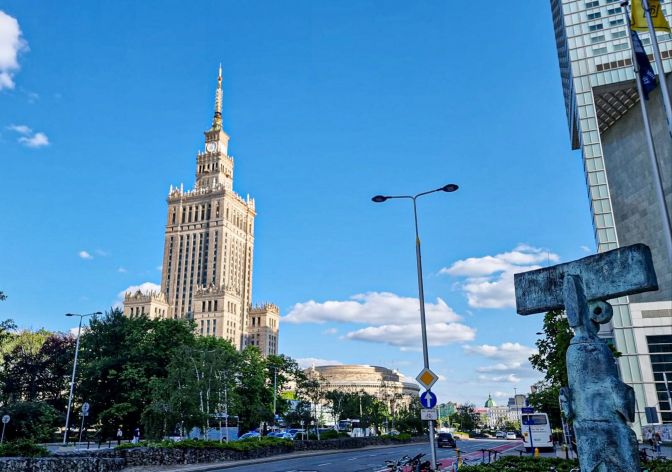
Stepping out into the heart of Warsaw for the first time from the main train station, Warzawa Glówny, any hopes of arriving to a classic Old Europe setting like Krakow will quickly evaporate. There is a good bet that the first impression of Warsaw most visitors experience is the Palace of Culture and Science building, a throwback-looking skyscraper, which might not raise an eyebrow along Central Park West, but as the welcoming committee for Warsaw, there is something oddly anachronistic about it.
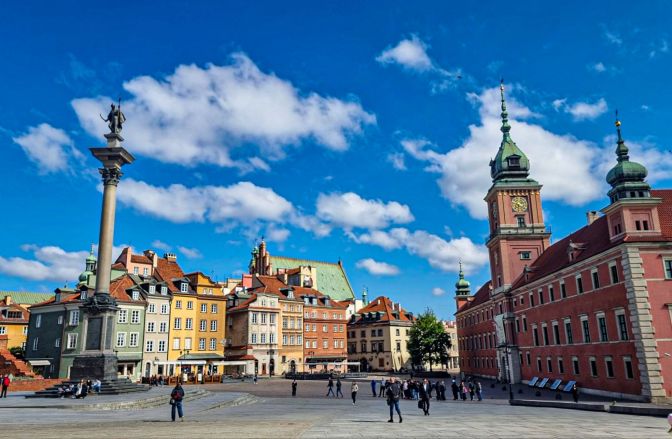
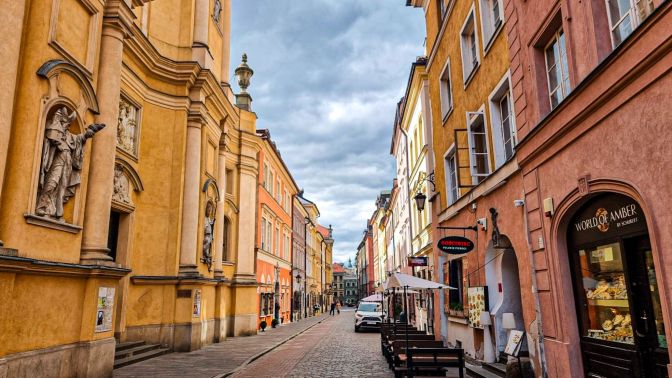
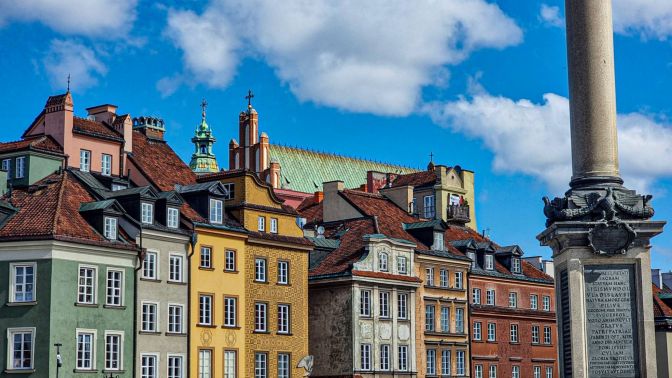
First impressions, however, would rapidly be re-tuned as I got oriented with the city. I decided to stay in the Old Town (Stare Miasto), where Warsaw shows off her Old Europe colors. Complimenting it to a local resulted in a curiously embarrassed apology that the Old Town wasn’t authentic. I have heard this before when I visited back in 2015. It seems you cannot discuss the Old Town without an asterisk applied to it.
Over the next couple of days, I would explore Warsaw’s turbulent past and find myself increasingly impressed and surprised by the city. I decided to rent a bike both days in order to cover the most ground, and it turned out to be a convenient fulfilling way to enjoy Warsaw. Warsaw has some of the most impressive and intriguing history museums that I have ever visited. It is highly recommended to leave some time in your agenda to visit the ones I will mention. Along the way, I would stop at several monuments and memorials. Despite some of them being rather unphotogenic, they collectively tell a harrowing tale of what occurred in this city between August 1 and October 2, 1944, during the Warsaw Uprising. Another event that I found myself drawn into was the Katyn Massacre of 1940. In the midst of all of this, two famous pianists would intertwine with my itinerary: Vladyslaw Szpilman (both days) and Frederik Chopin (Day 2). And of course, I would continue my pilgrimage to discover the Polish beer culture following my visit to Krakow.
- The Warsaw Uprising (Operation Tempest)
- Bike Rental
- Upper Half Route
- It’s Not Just a Beer, It’s a Journey
- Church of St. Casimir
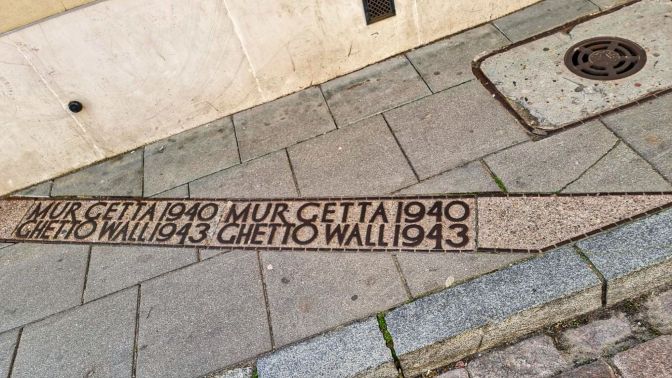
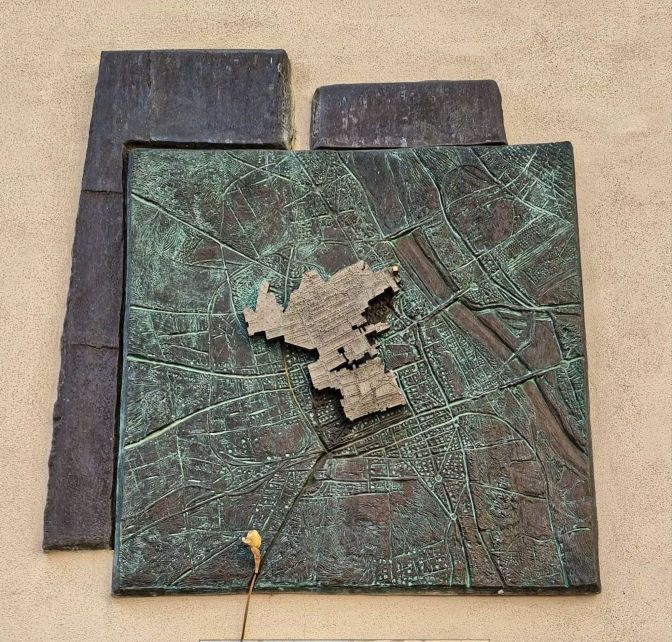
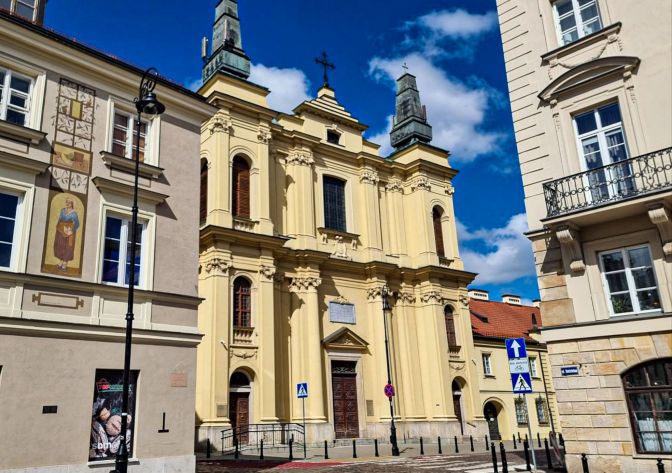
- Ghetto Wall Marker (near Church of St. Francis)
- Gozdawa Warsaw Uprising Memorial
- Monument to the Fallen and Murdered in the East
- Public Execution Memorial
- Gdansk Station
- Katyn Museum (Warsaw Citadel)
- Memorial to the 1st Polish Armored Division
- School with Bullet Holes
- Liquidation of Herbert Junk Memorial
- Powazki Military Cemetery
- Umschlagplatz Memorial
- Museum of the History of Jews in Poland
- Pawiak Prison
- Museum of the Warsaw Uprising
- KL Warschau Concentration Camp
- Brewtiful Warsaw
- Final Sites
- Final Thoughts
“…the exiled Government had to face the likelihood that its territory would not be liberated by the Western powers, but by Stalin’s armies. The result was Operation Tempest.”
Rising ’44 by Norman Davies (Macmillan, 2003)
The Warsaw Uprising (Operation Tempest)
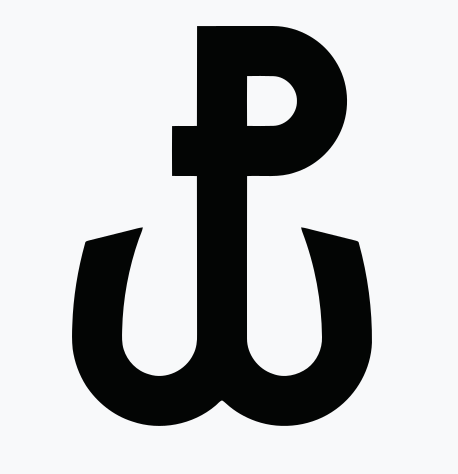
For Poland, there are no uplifting stories of an Allied army rolling through the streets as its citizens lean out of their windows waving flags and cheering like you would have in Paris and other cities in Western Europe. During its five years of Nazi occupation, Poland, dubbed the First Ally in the above book, went from being a top priority to becoming collateral damage once it became clear that Stalin had ambitions beyond defeating the Nazis. One of the purposes of the Uprising was for the Polish to gain back control of Warsaw and establish some authority by the time the Red Army arrived. Neither the Western Allies nor Stalin supported it. Yet on August 1, 1944, as the Red Army stood on the doorstep, it went into action. After some initial success by the Polish Resistance, the Nazis were able to regroup. Not only did they put down the Uprising, but they almost wiped Warsaw from the map. Up to 200,000 civilians were killed and another 700,000 forced to flee. 90% of the city was turned to rubble. As you go around the city, keep an eye out for the anchor symbol, called Kotwica, which was a symbol of the Polish Underground in World War II.
Brewtiful Krakow
Where does Krakow rank in the echelon of beer cities and discovering the multi-faith heritage of brewing beer.
Continue reading Brewtiful Krakow

Bike Rental
Rather than rent a bike from a bike shop in the traditional way, I used the Veturilo bike rental service which allows you to use an app to rent a bike at a bike station and then lock and unlock the bike along the way. It is not really meant to be used for an entire day, but it worked out fine at around 11-12 euros per day. You do have to keep track of the time. All is ok as long as you don’t keep the bike longer than 10 hours. The app system was very convenient and the bikes are comfortable and nimble enough to cover 30+ kilometers in a hop-on, hop-off kind of way.
Upper Half Route
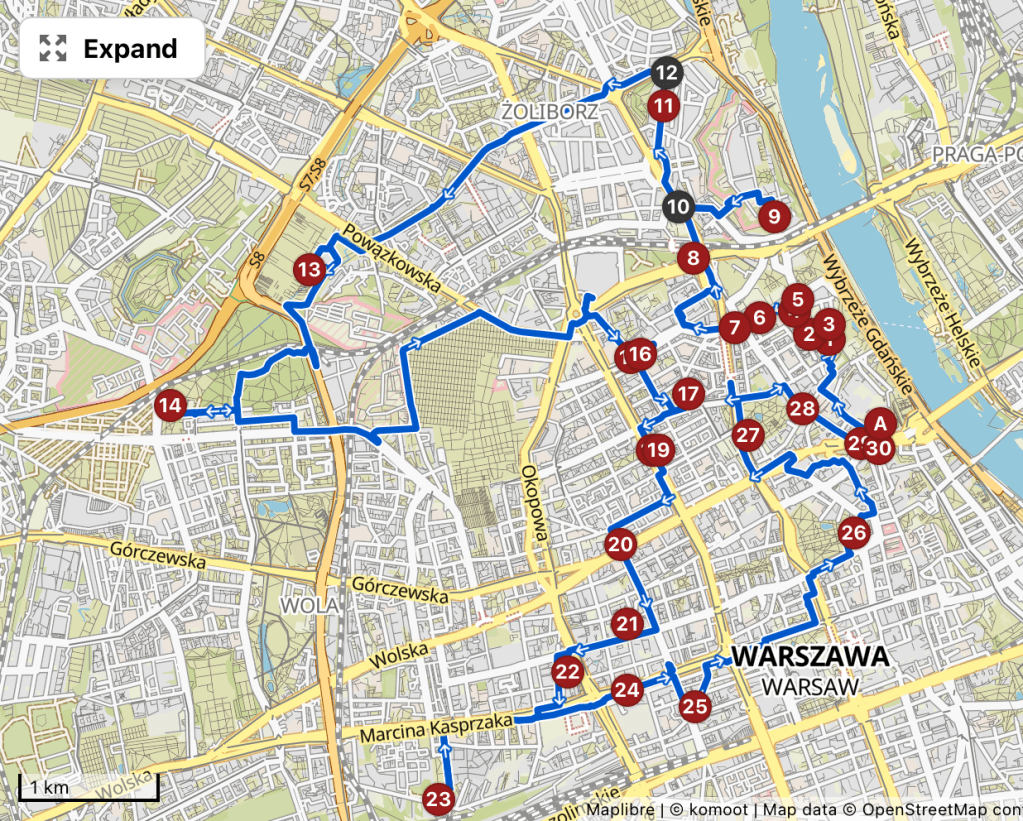
On the first day, I covered the northern part of the city. On the map below, the route starts from the Old Town (A). Warsaw is well-designed for cycling and in this route, the terrain is almost entirely flat.
| Distance | 35km |
It’s Not Just a Beer, It’s a Journey
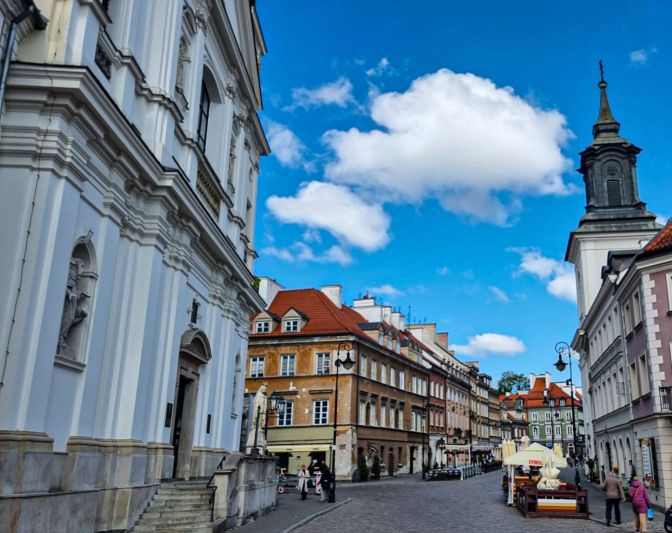
The ride starts from the Stare Miasto and heads northwest. This is the New Town district which has a similar Baroque charm as Stare Miasto. You are greeted immediately by the Church of the Holy Spirit, which will foreshadow just how amazing the church architecture will be throughout Warsaw. It is tempting to stop at each one. The Church of the Holy Spirit gives a good reminder that Pope John Paul II is a national icon and beloved figure. You will find his likeness inside and outside many churches.

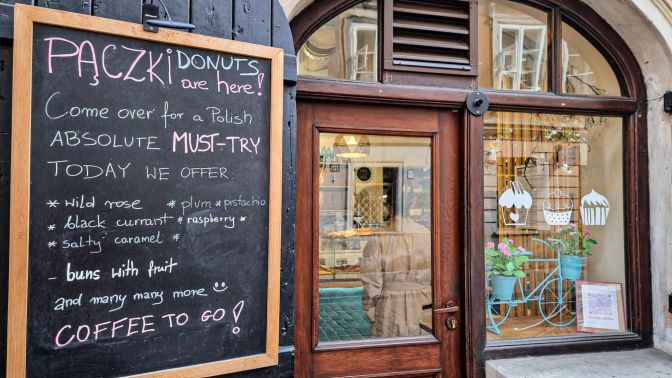
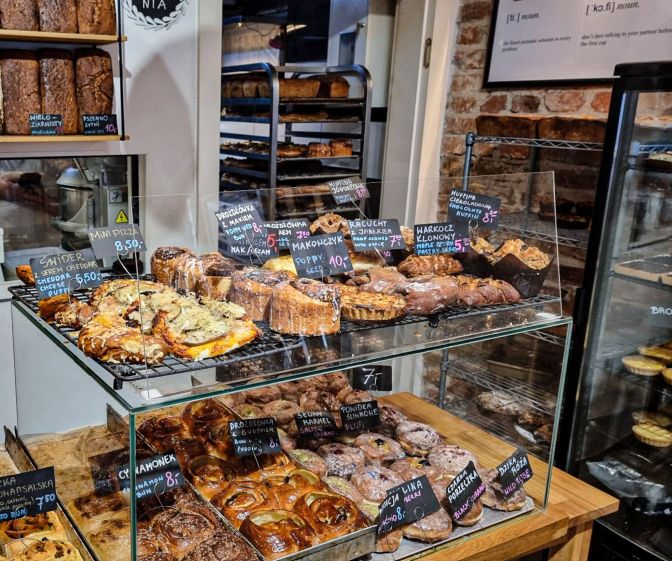
Just a couple blocks away is a very nice bakery to pick up some donuts called Paczki for some energy later.
Church of St. Casimir
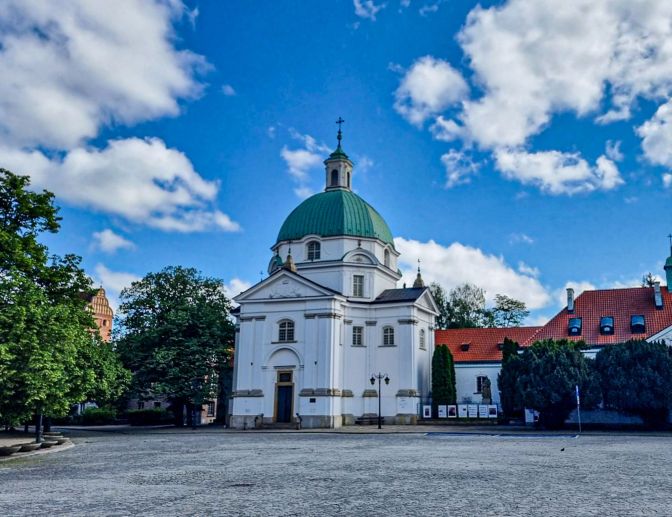
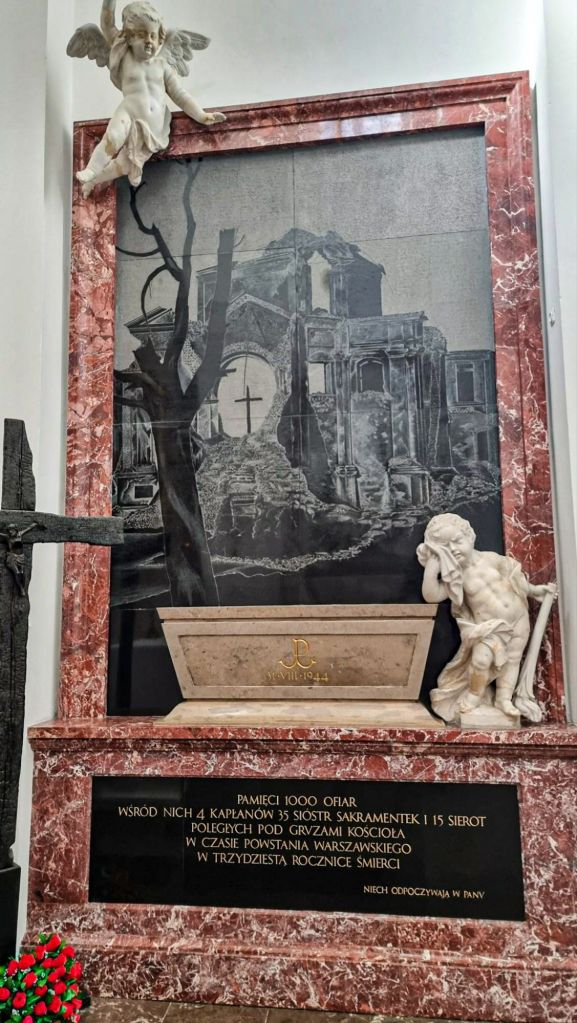
The tour really begins with this domed church a little further on which served as a field hospital during the Warsaw Uprising. Inside is a memorial to the 35 nuns and over 1000 civilians who were killed by Luftwaffe bombing on August 31, 1944.
Ghetto Wall Marker (near Church of St. Francis)
All throughout Warsaw, you will find these markers on the sidewalk revealing where the boundaries of the Warsaw ghetto were located. The first marker that is encountered on this ride is located across from the Church of St. Francis just a couple blocks from St. Casimir.
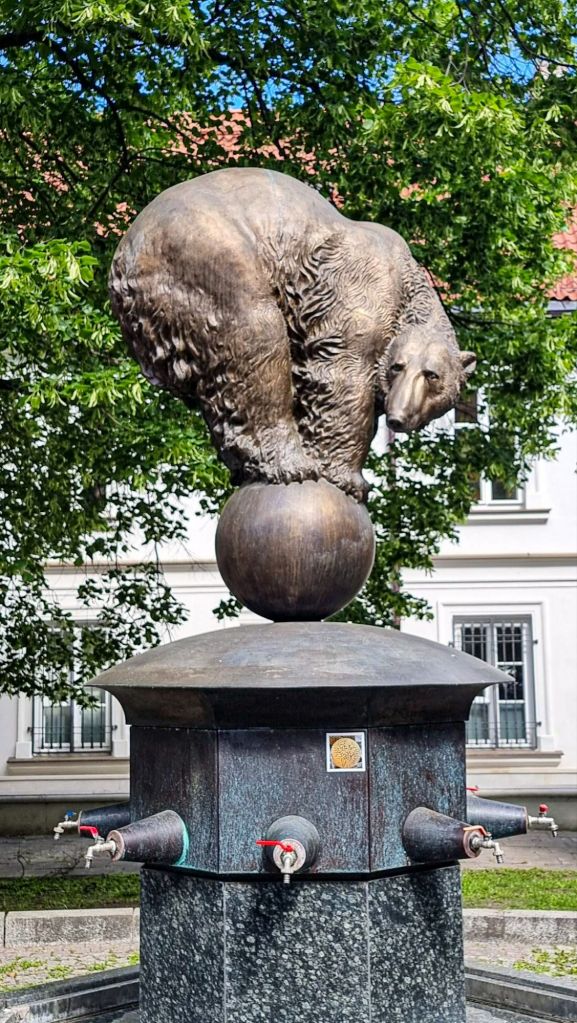
On the way to the next memorial, I passed by my blog mascot balancing on a ball. I don’t know why he was doing that.
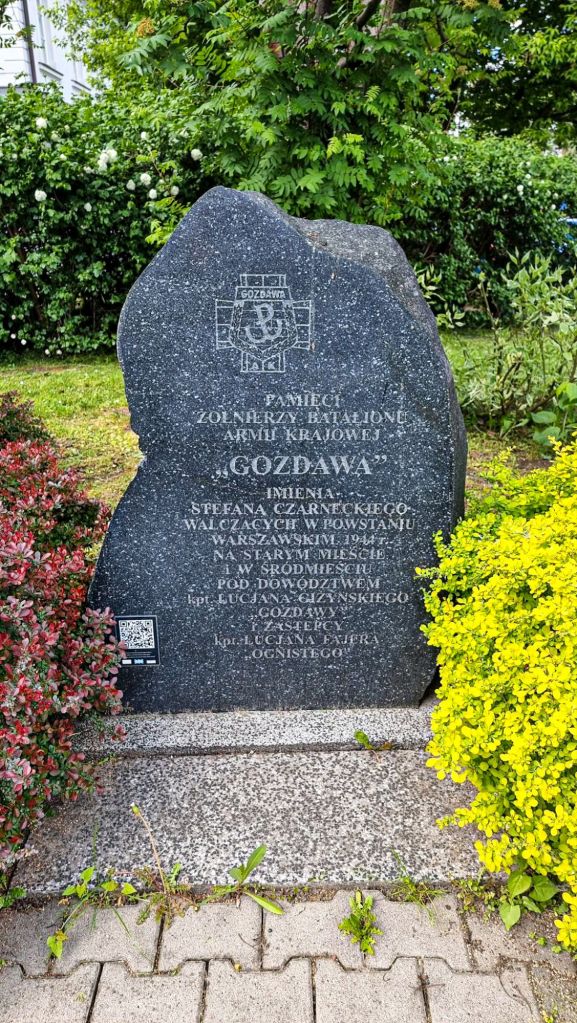
Gozdawa Warsaw Uprising Memorial
A type of memorial you see everywhere in Warsaw is one dedicated to a military group who participated in the Warsaw Uprising. The Gozdawa Battalion were one of several groups responsible for North Warsaw.
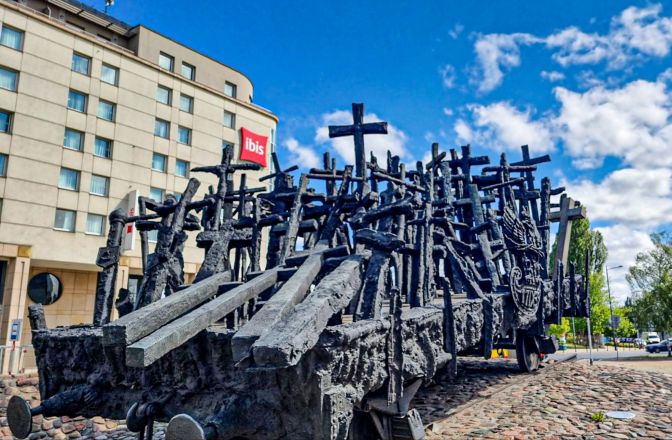
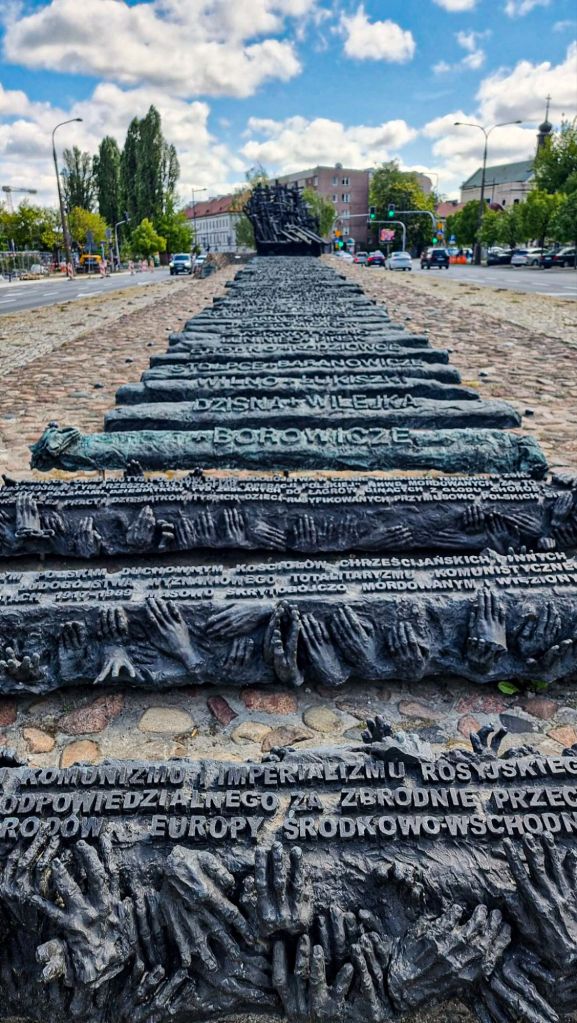
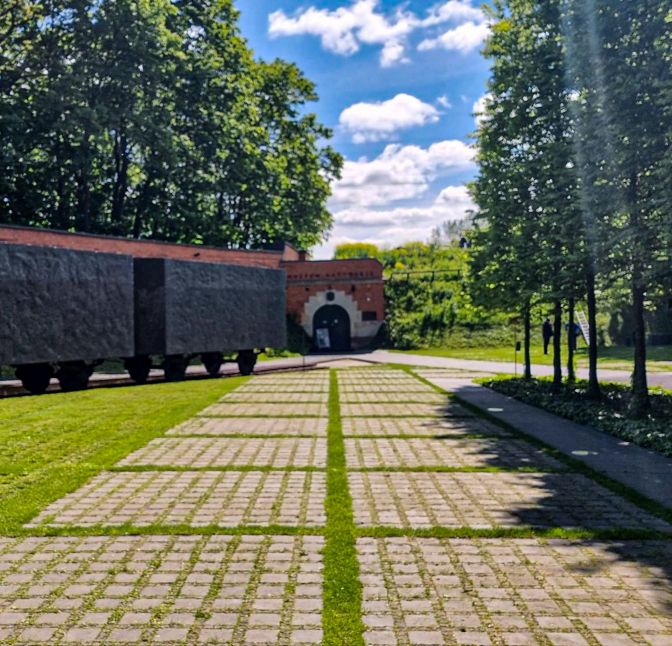
Monument to the Fallen and Murdered in the East
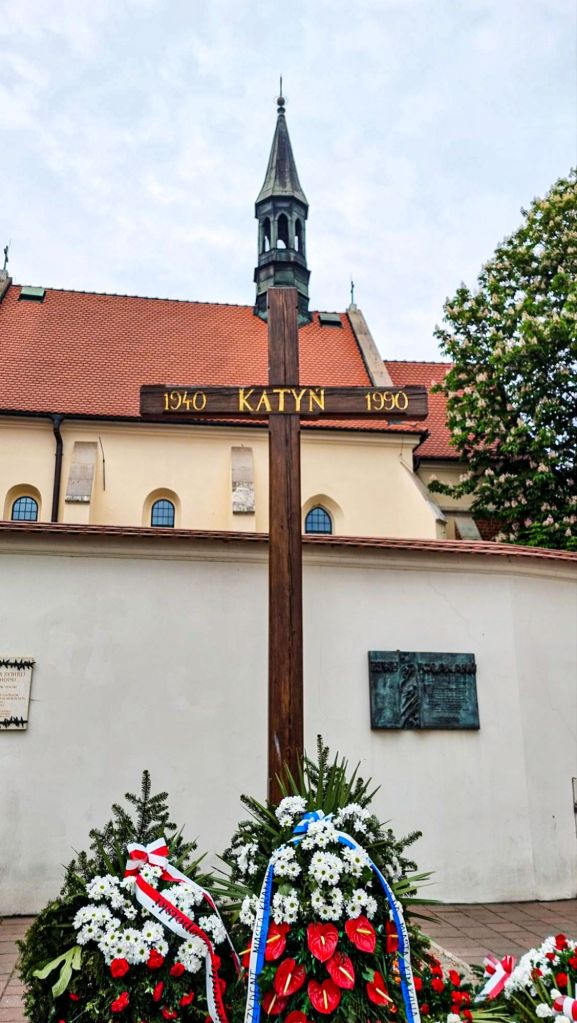
At the beginning of World War II, the Soviets had invaded and occupied part of Eastern Poland in 1939 following the Molotov-Ribbentop Pact between Stalin and Hitler. So, a few years prior to their arrival as “liberators”, the Soviets had already been committing atrocities against political enemies in Eastern Poland. One of these atrocities was in the Katyn Forest. There in the Katyn Forest, almost 22,000 Polish prisoners were massacred and buried in mass graves. The Soviets disavowed any involvement in the massacre, blaming it on the Nazis, until finally admitting to the crimes in 1990. Katyn is just one of many atrocities being memorialized. You will see the entire list on the railroad tracks.
Public Execution Memorial
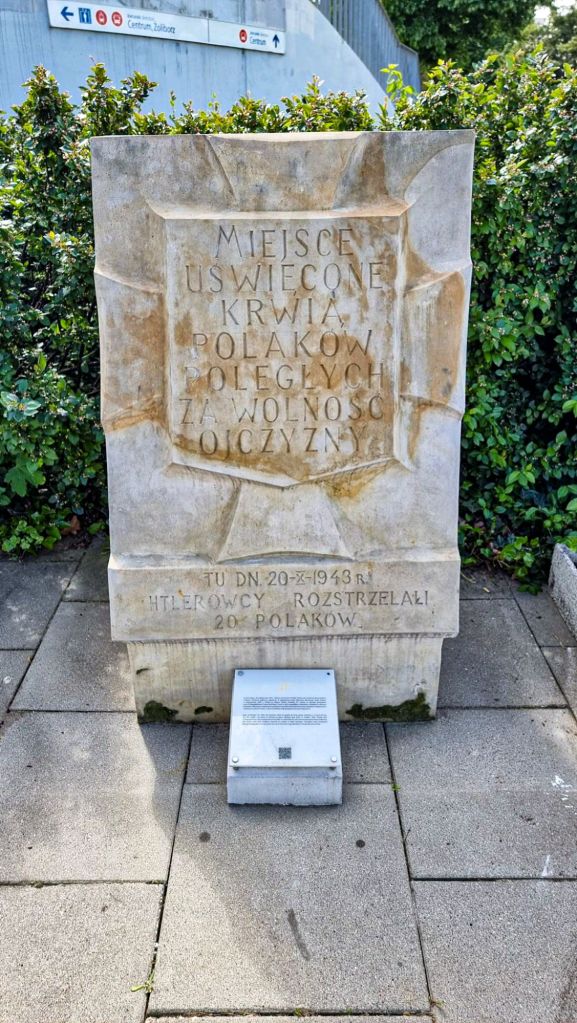
All around Warsaw, you will also find monuments called Tchorek Plaques placed where public executions took place. These are recognized by the cross and shield design. On this spot in October 20, 1943, 20 civilians were executed by the Nazis after being randomly rounded up, including a 12-year old boy.
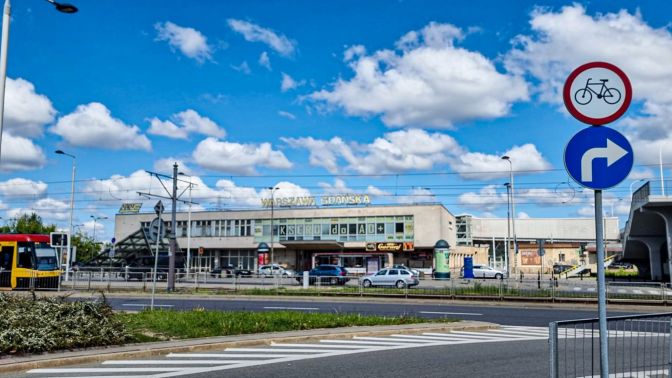
Gdansk Station
This was an “Umschlagplatz” or collection point for putting Jews on trains and sending them off to concentration camps from the Jewish Ghetto. The original station was completely destroyed in the war. A major battle of the Warsaw Uprising was fought here. The battle memorial is a few blocks away near the next stop.
Katyn Museum (Warsaw Citadel)
A little further on from the station is the Warsaw Citadel, still an active military complex, part of which is open to the public. One of the locations inside which is accessible is the Katyn Museum. This museum follows the history of the events surrounding the massacre and includes several display cases with objects discovered in the mass graves. Almost everything is in Polish, but it is still recommended.
Memorial to the 1st Polish Armored Division
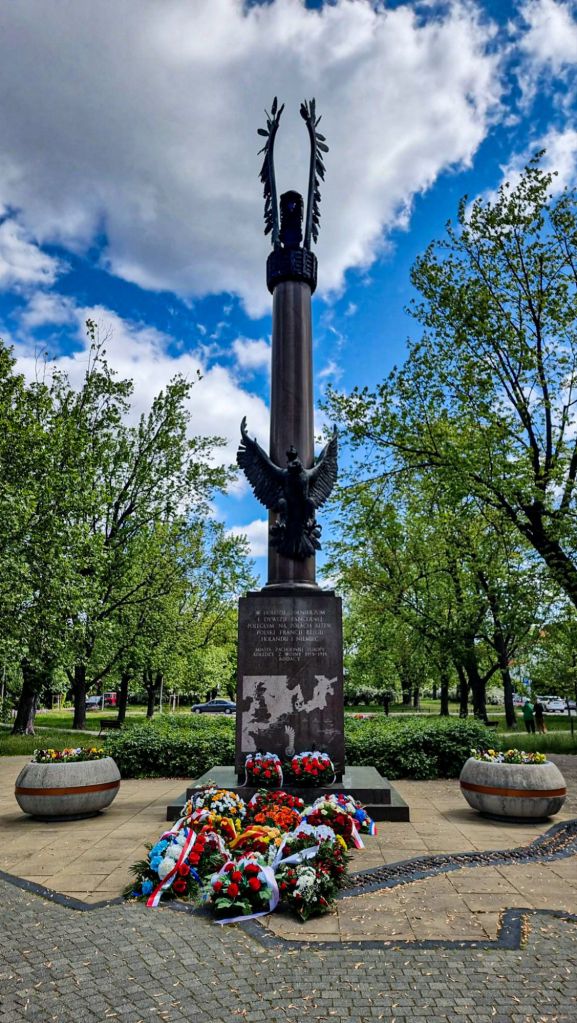
This is a reminder that many elements of the Polish military managed to escape to Great Britain to fight another day after the Nazis invaded in 1939. For example, the exploits of the Polish fighter pilots who assisted in the Battle of Britain are featured in the classic movie. This memorial commemorates the 1st Polish Armored Division who fought in Belgium, France, and the Netherlands. It would be interesting to find any reference to their contributions here in Belgium.
School with Bullet Holes
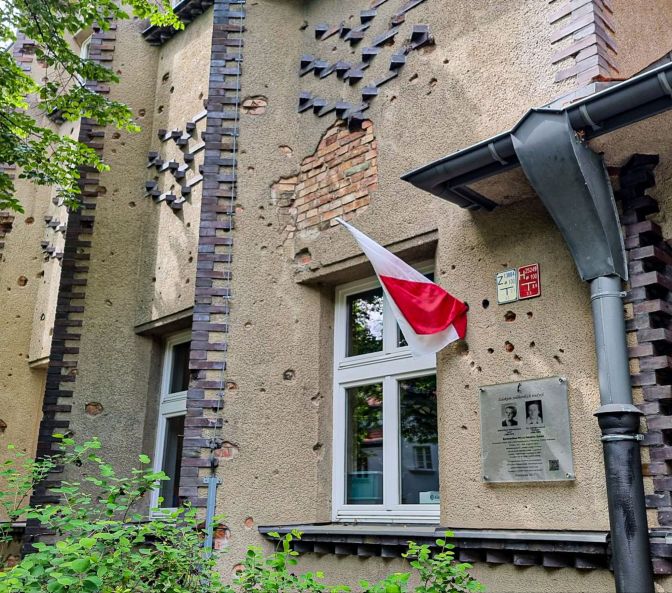
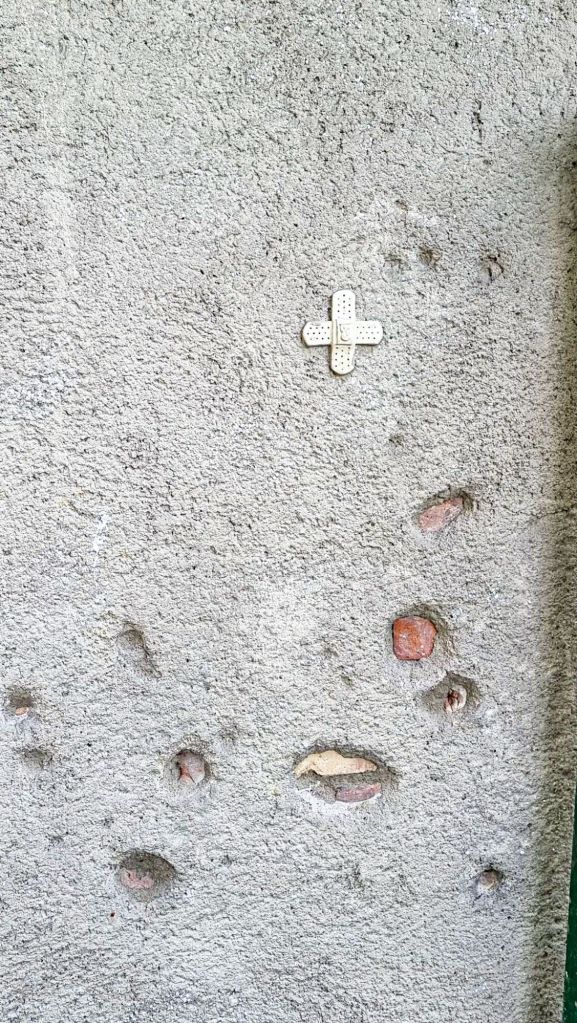
On the way to the next memorial, you pass by this school which still has bullet holes in the walls. Wherever you have bullet holes, it has become tradition to put a band-aid cross emblem over them to indicate the healing process of time.
Liquidation of Herbert Junk Memorial
Some of the memorials you find will commemorate some act of rebellion, here prominently displaying the Kotwica. On this spot, the Polish Resistance managed to execute the commander of Pawiak Prison (visited later on the ride), SS-Obersturmführer Herbert Junk on June 15, 1944.
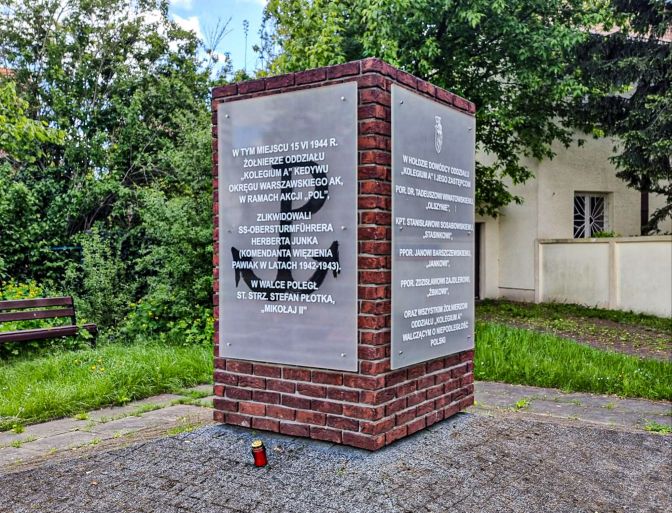
The Herbert Junk Memorial is at the most northeastern point of the ride. After a flurry of frequent stops, the ride continues uninterrupted for 3 kilometers southwest to one of the most interesting cemeteries I have ever been to.
Powazki Military Cemetery
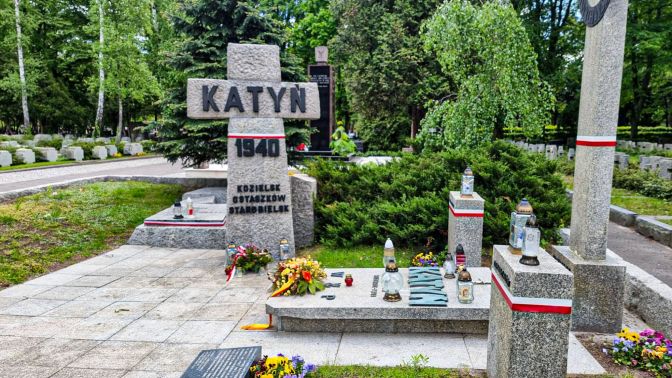
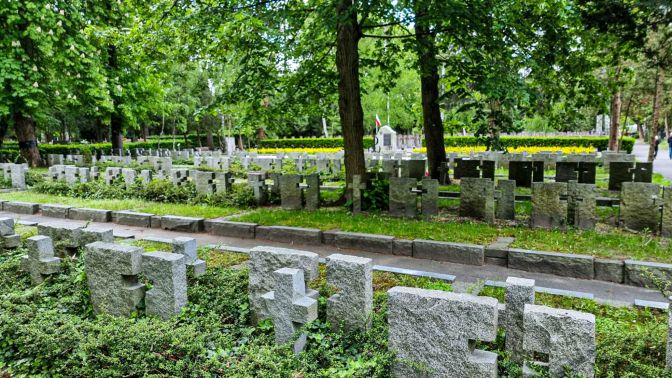
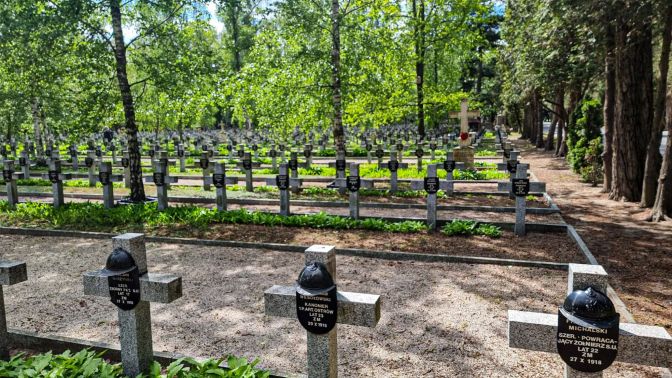
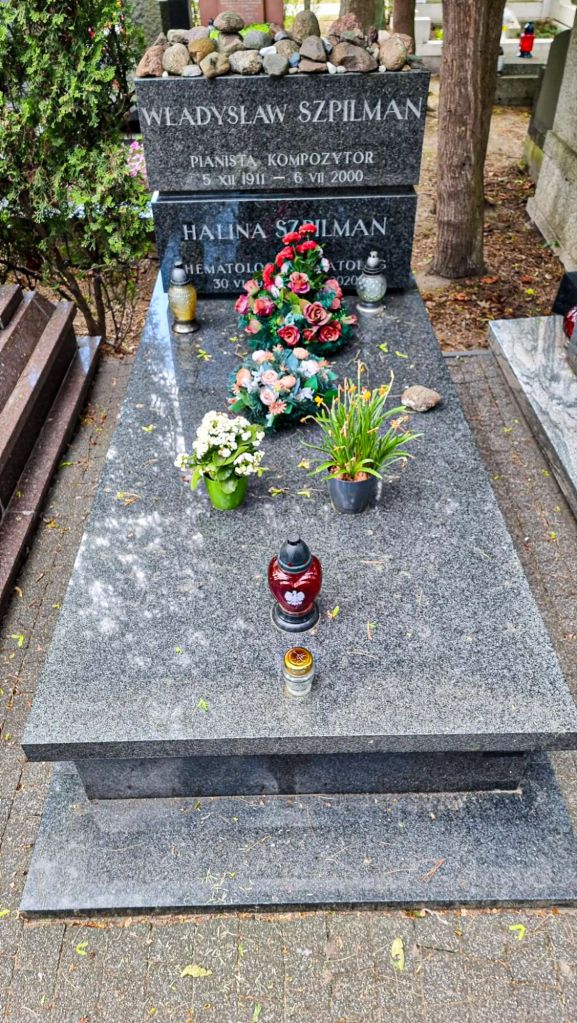
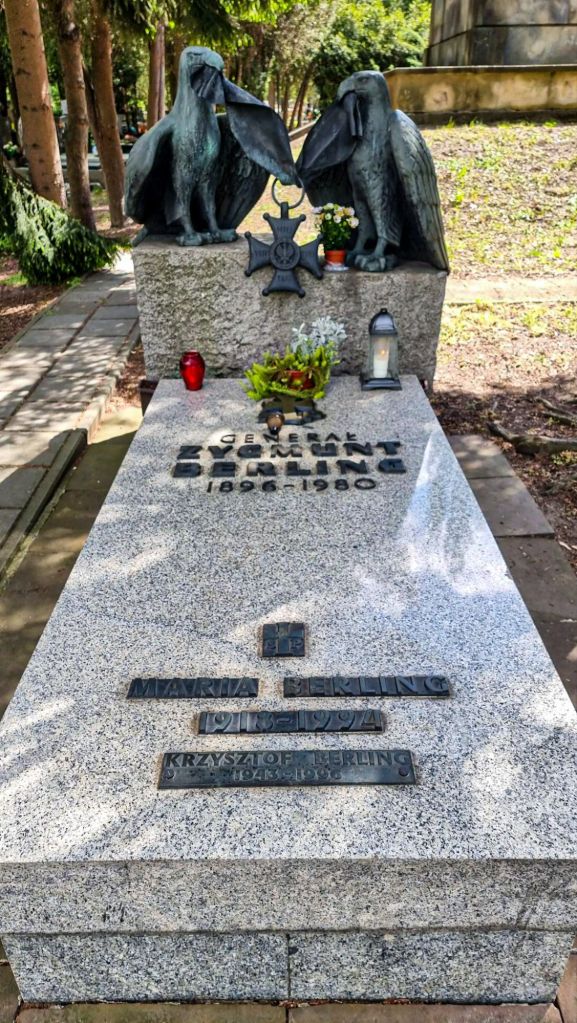
This impressive cemetery contains a great deal of military and civilian victims of the Warsaw Uprising. A handful of photos doesn’t even scratch the surface to demonstrate the variety of gravestones and monuments contained in the cemetery. There are also several famous Poles buried here. I was here to visit the grave of Vladyslaw Szpilman, the subject of the movie The Pianist and a controversial military and political figure named General Zygmunt Berling. When the Polish Underground State was trying to decide how to deal with Stalin, General Zygmunt Berling favored appeasing him. Berling went as far as corroborating the Soviet spin on the Katyn Massacre that the Nazis were responsible despite the evidence indicating otherwise. He also joined the Red Army and led a Polish division as they marched towards Warsaw. As the Warsaw Uprising was going on, Berling was with his division waiting outside Warsaw across the Vistula River with the rest of the Red Army. He finally managed to convince his superiors to allow his division to try to connect up with the insurgents and provide support, and on September 16, he tried in vain to establish a bridgehead. Meanwhile, the Nazis were already planning for their own evacuation. Their exit strategy was to savagely and, in some sense, gleefully reduce Warsaw to ashes while negotiating its capitulation. The Allies did nothing and could do nothing to prevent it. Stalin, with the largest army in the world, had the upper hand.
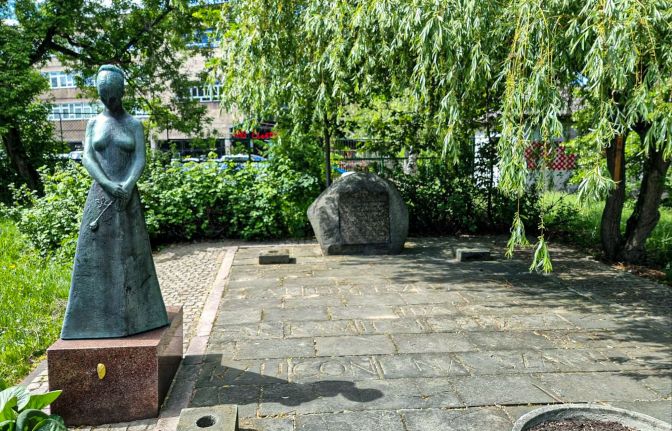
Umschlagplatz Memorial
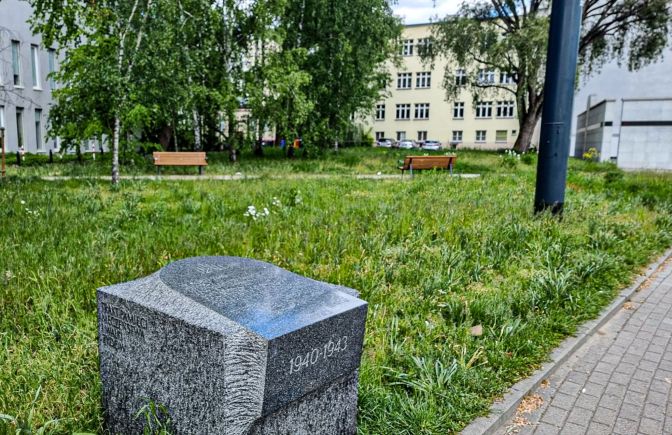
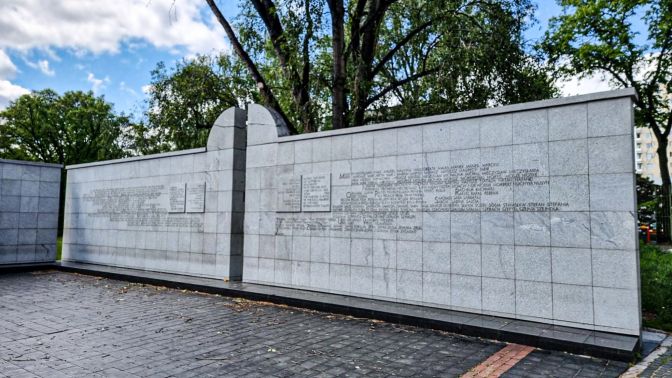
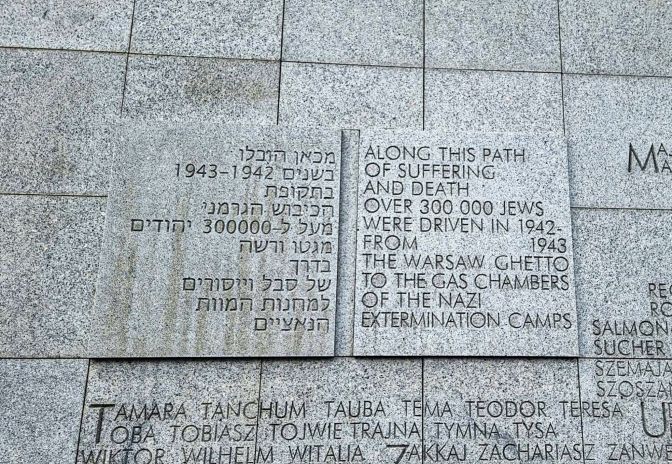
From this location, as the plaque reads, over 300,000 Jews were sent off to concentration camps. This memorial is situated in a small park which, at the time I visited, felt neglected and not well-cared for. This gave it an uneasy sense of being forgotten. Whether intentional or not, it added to the feeling of hopelessness that comes with imagining what took place on this spot 80 years ago.
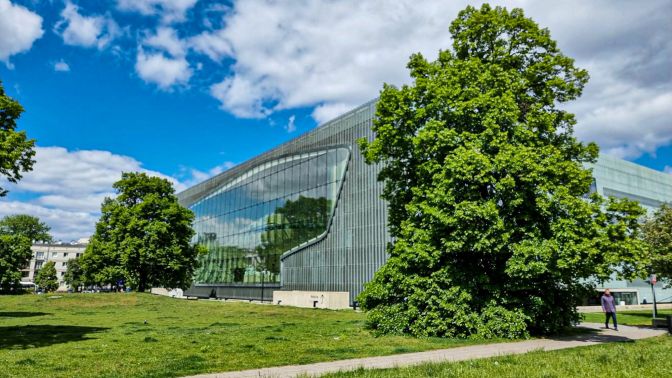
Museum of the History of Jews in Poland
I only passed by the museum during the bike ride, but back in 2015, I did the full visit. I covered this topic in my Krakow posts, and this is the museum where you learn about how Poland became a haven for Jewish people. One of my favorite museum experiences in all of my travels.
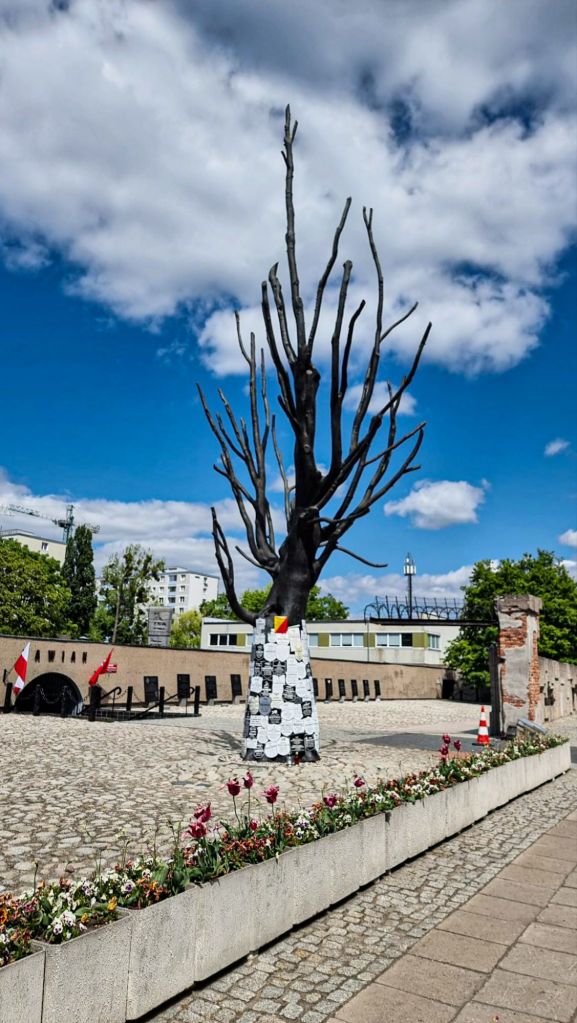
Pawiak Prison
The workplace of aforementioned Herbert Junk. The prison was built in 1835 and during the Nazi occupation served as a prison for the Gestapo, housing upwards of 100,000 prisoners. During the Warsaw Uprising, it was completely destroyed.
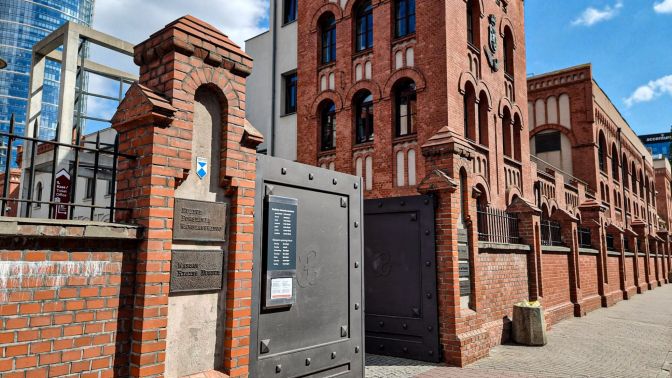
Museum of the Warsaw Uprising
Since I was running ahead of schedule and needed to kill some time before getting to the pub visits, I decided to revisit this museum after having toured it back in 2015. Like the Jewish History museum, this one should not be missed. It walks you through the entire situation almost day-by-day. The book I have quoted a couple times was bought here back in 2015.
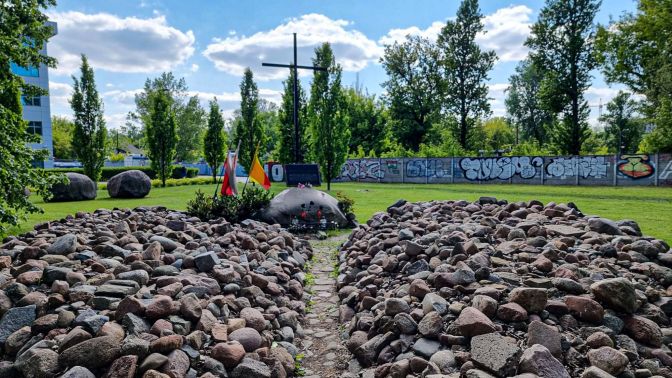
KL Warschau Concentration Camp
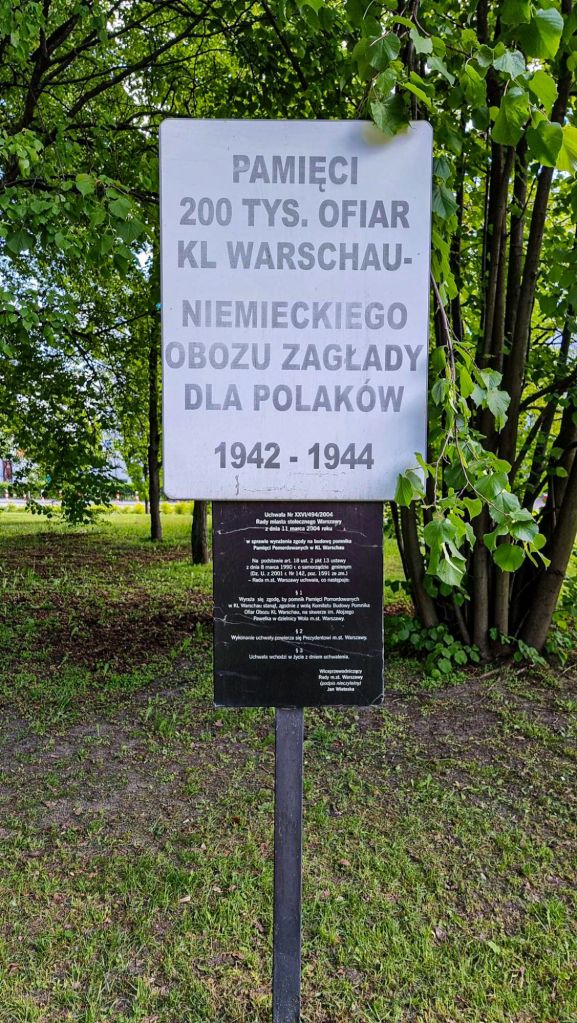
The furthest point of the bike ride is the former location of the KL Warschau concentration camp. Operating between 1942 to 1944, the death count at this site is estimated anywhere from 20,000 to 200,000.
Brewtiful Warsaw
After a long winding journey through some very dark times and solemn subjects, it was time to start making my way back to the Old Town. Along the return, I had picked out a handful of pubs to lift my spirits back to the present day. As I progressed from craft beer bar to craft beer bar, like my experience in Krakow, I found myself struggling to conjure up a concept of what a traditional Polish pub is. But that is a mere trifle. There are plenty of great craft beer bars in Warsaw and today would cover a few of them.
Uwaga Piwo
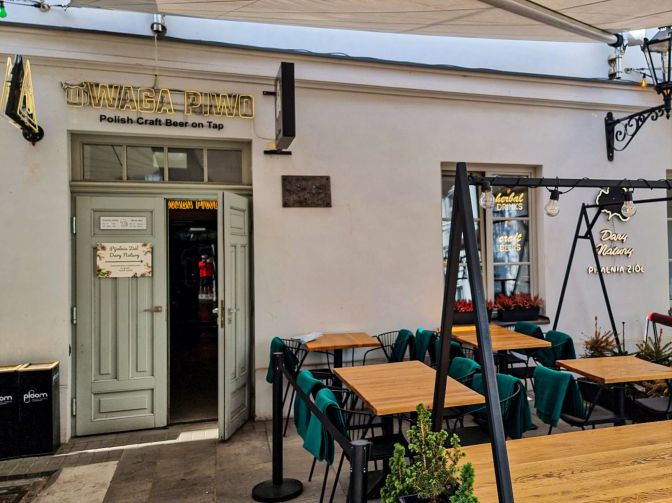
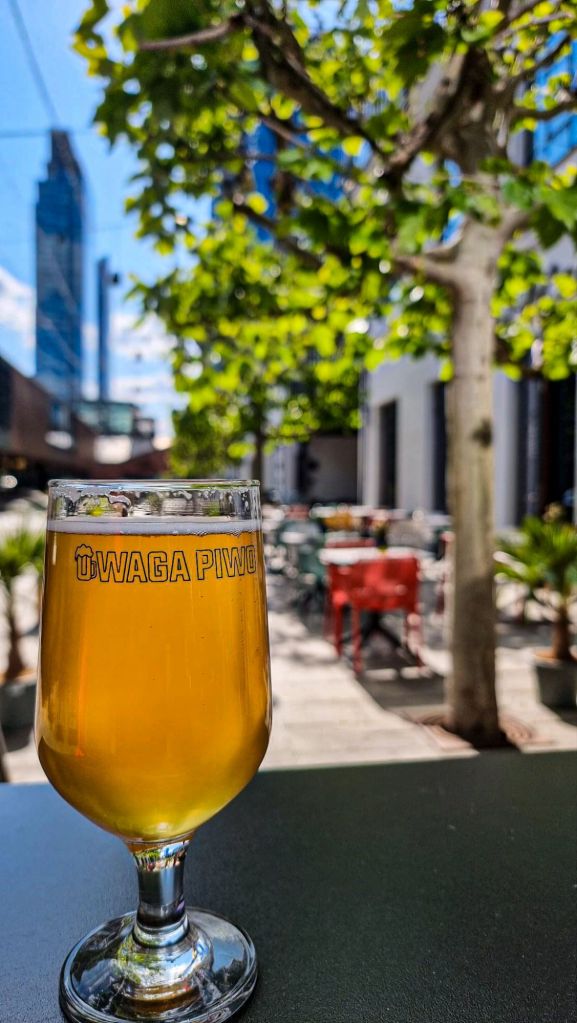
The first stop is between points 24/25 on the map. This is a nice craft beer bar located in what looks like a business district, so I can imagine this place being popular after work. It was quiet during my afternoon visit. I thoroughly enjoyed the house pilsner while soaking up some sun on what was until then a rather chilly day.
Browary Warzsawskie
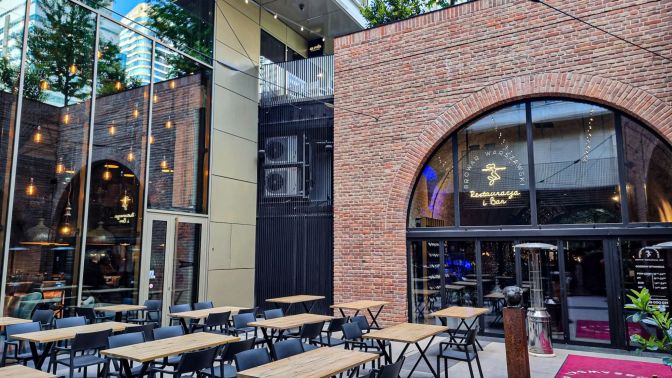
This is a modern brewery located in a business complex also containing a very nice food court where I had eaten my lunch earlier in the day. I could not pass up the opportunity to have a beer named Onlyfans Phantasm Juicy IPA. It deserved my 4.5/5 rating on Untappd and received the highest grade of any beer I had in Warsaw.
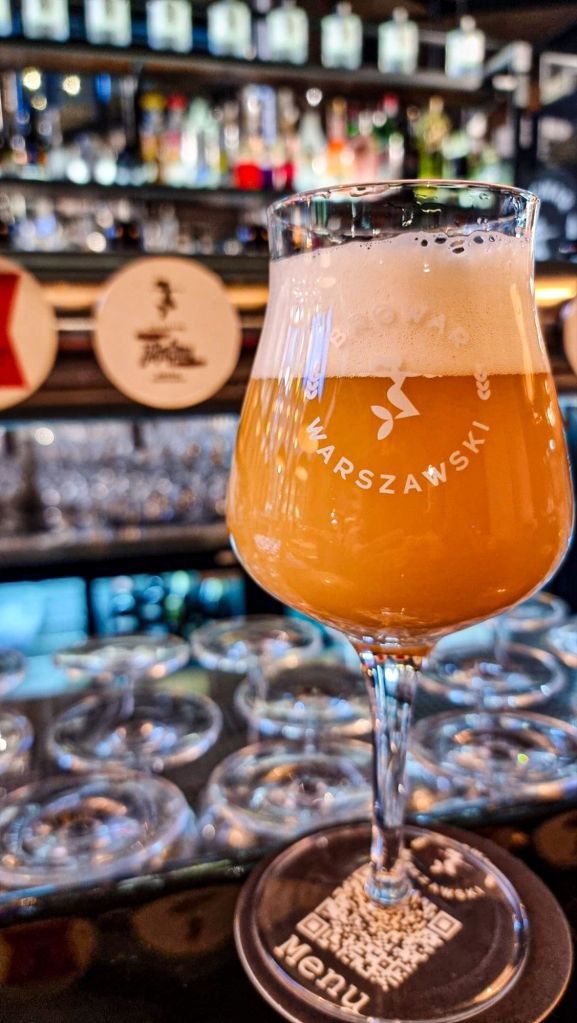
Piętro Niżej
At first glance, the location of this pub was very odd. It sits in the basement of what felt like an old outdated office building. The actual pub is windowless and has a small seating area. But it is not in any way cozy. It was probably still too early in the day to experience its true vibe. There was a small stage area for live music, but I wasn’t finding it appealing. Even the other people sitting there were talking in a hushed way as if we were having beers in a library. The next day, I discovered that the building is the Warsaw Ghetto Uprising Museum. If I had known that in advance, it might have put things in better context. To avoid closing this segment on a bad note then, perhaps one day I will get a 2nd chance to experience it at a better time at the end of a museum visit.
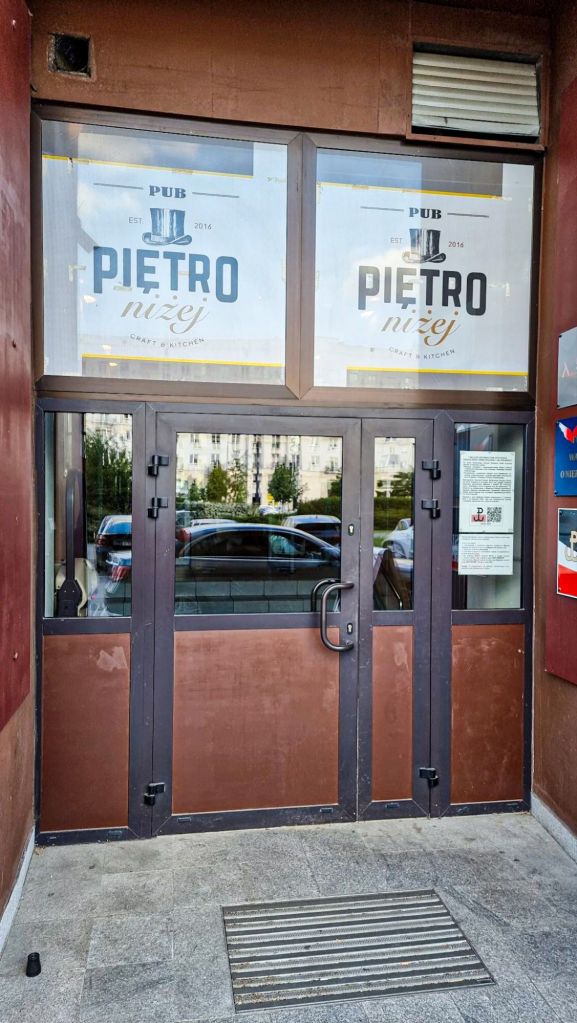
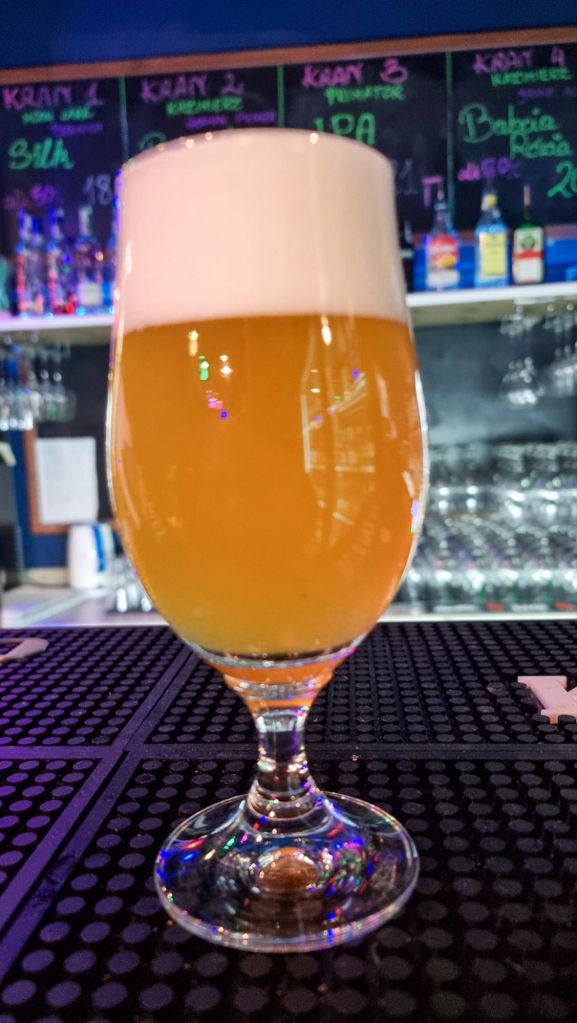
Craft Beer Muranow
By now, I was coming closer to the Old Town and starting to feel a good beer buzz. The final beer stop was this steady craft beer bar where I went with a light Session IPA called KOD PŁ and picked up a couple cans to enjoy later. It was at this point that I started to contemplate that perhaps the traditional Polish pub is truly a craft beer bar with a bleak Soviet-era façade.


With a good bit of satisfying beer flowing through my system, I had one more stop to go before returning the bike. The final sites are adjacent to each other.
Final Sites
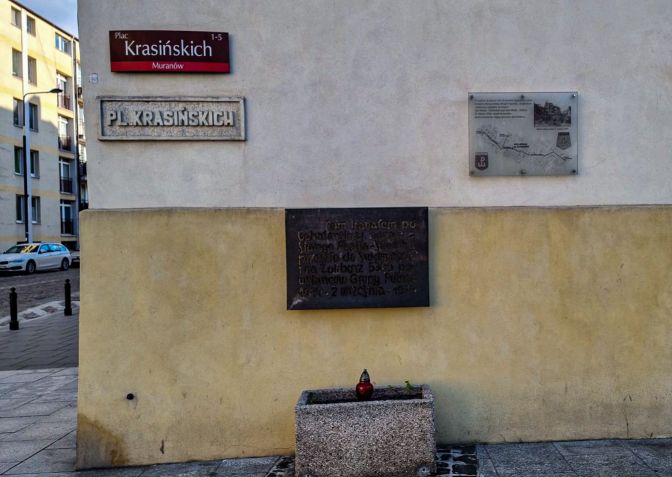
Memorial Evacuation Old Town Canal 1944
At this spot on September 2, 1944, around 5300 Polish insurgents were able to escape from the Old Town as it fell to the bombardments of the Luftwaffe during the Warsaw Uprising.
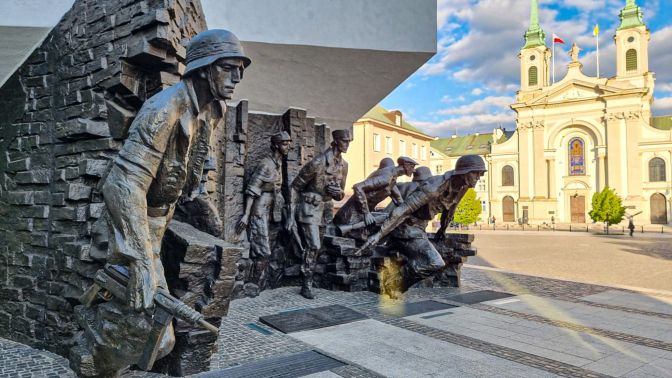
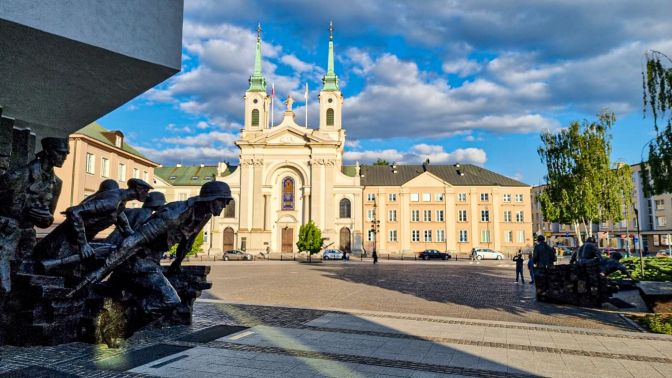
Warsaw Uprising Monument & Field Cathedral of the Polish Army
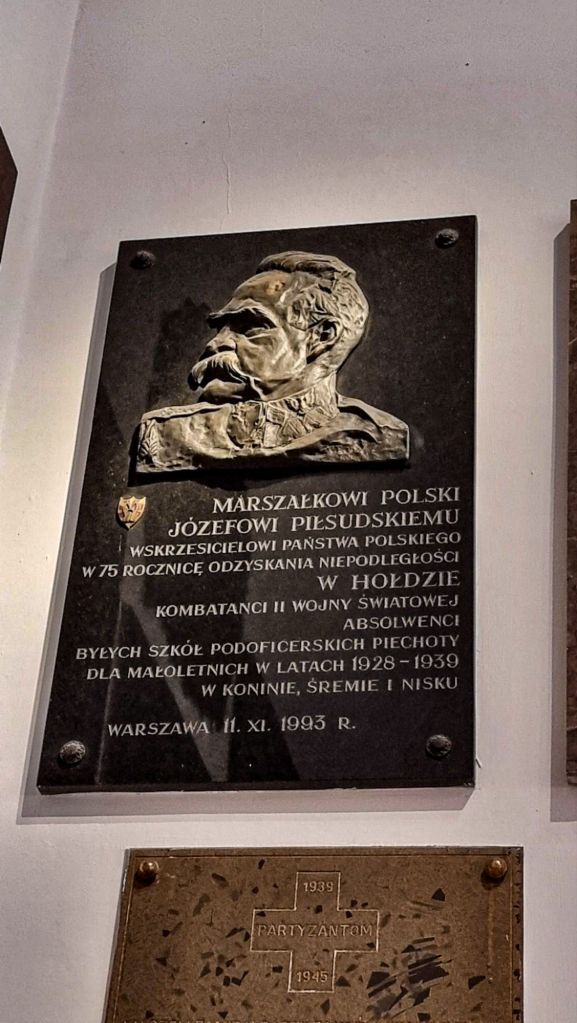
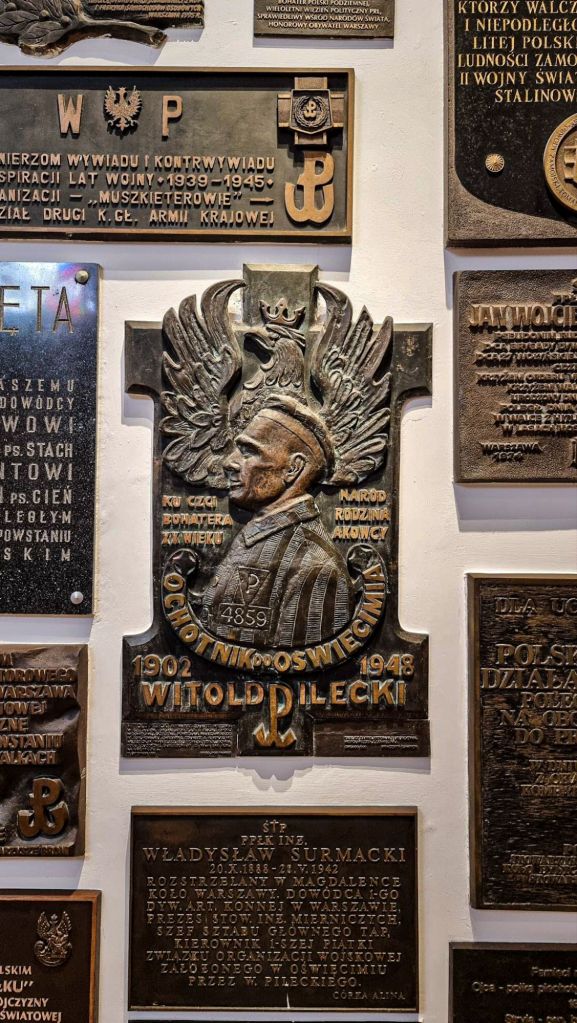
The final stop appropriately concludes the experiences of the day. A beautiful rebuilt church which was destroyed during the Uprising and the pinnacle of monuments dedicated to the struggle which sealed the city’s fate. Inside the church are several plaques dedicated to the Uprising.
Photos of Warsaw after World War II
Final Thoughts
The Warsaw Uprising lasted 63 days and ended with a capitulation agreement on October 2, 1944 that permitted the insurgents to be considered as soldiers and therefore fall under the Geneva Convention. Of the 700,000 civilians that were displaced, around 150,000 ended up in labor and death camps. The rest were scattered to other parts of Nazi-occupied Poland. The Warsaw Uprising was controversial. The modus operandi of any ruthless captor is that if you kill one of us, we kill hundreds of you. If you rise up and lose, it means retribution of the highest order. The alternative was to get absorbed into the Soviet Union. It can be debated whether it was a foolhardy gamble, but it was also a country fighting for its soul at all costs. The losses were harsh and mind-boggling, but clearly Warsaw doesn’t avoid talking about it. Today, it seems proud that its citizens tried to defend it. You can hardly walk a city block without spotting a Kotwica. Like the band-aid emblem, time seems to have indeed brought healing. Knowing this and then having a local apologizing that their Old Town isn’t authentic makes me consider that perhaps there is no city in Europe more authentic.


 itsabrewtifulworld
This post was a great birthday present for me, Matt–I felt like I was at your side, soaking up a real sense of the place. A brewtiful experience!
LikeLiked by 1 person