
An Opening Reflection of My Trip to Poland
As I embark on a series of blog posts covering my May 2025 trip to Krakow and Warsaw, I am confronted with an overwhelming number of thoughts, impressions, and emotions. When I planned this trip in January 2025, as one who takes an avid interest in World War II, there was never any question about whether I would find a historical connection to these cities. Like so many others, I was drawn to Poland to pay tribute to the victims of the Holocaust. Nowhere in my travels has there been an experience which has brought me more intimately face-to-face with the horrors of WWII than in Poland. However, my concept of Polish history, probably like most other Americans, began and ended with the mental images created by movies like The Pianist and Schindler’s List. There is, of course, much to absorb here about the ghettos, extermination camps, heroes of the Uprising, and victims of this tragic moment in history. But the most impressive experience I gained in Poland was how it invites you to understand its nationhood and the complex and proud nature of its existence, without which, I discovered, a full appreciation of Poland’s situation in World War II cannot fully be appreciated. The story of Poland is more than your average European country coping with Nazi occupation, offering up heroic pockets of resistance, and waiting for the allied forces to liberate them.
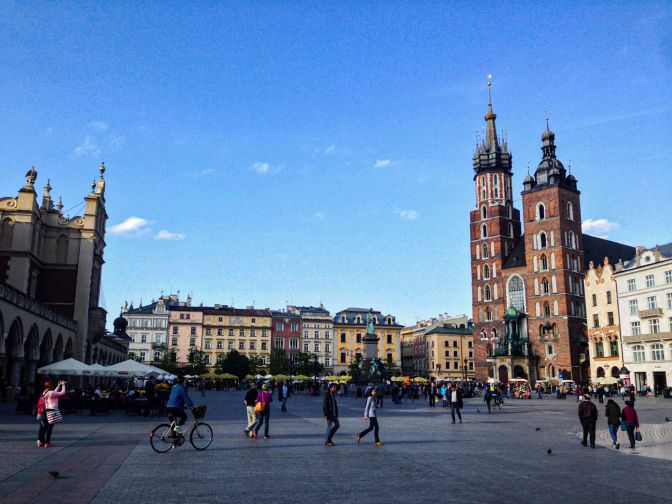
Living in Belgium, I spend a lot of time immersing myself in Battle of the Bulge lore. When I do this, I am not only connecting with the tragedy of the war but also in the parts of it which inspire positive reflection. The liberation of Europe is the key part of that. Reflecting on the contribution of the Battle of the Bulge to the liberation of a village, a city or a whole country is a satisfying part of the overall experience. But when I tried to approach Poland like I do Belgium, I found myself standing before an abyss. After the ghettos were dissolved, after the horrors of the Holocaust were revealed, after all the dust had settled from the Nazi occupation, what was the outcome for the Polish people? What was the jubilant and uplifting ending to the story?
I discovered that by being in Poland, I had crossed over a line. A line which I can’t find any better expressed than this paragraph from the Auschwitz-Birkenau Memorial Museum website:
“Soldiers of the 60th Army of the First Ukrainian Front opened the gates of Auschwitz Concentration Camp on January 27, 1945. The prisoners greeted them as authentic liberators. It was a paradox of history that soldiers formally representing Stalinist totalitarianism brought freedom to the prisoners of Nazi totalitarianism.“
https://www.auschwitz.org/en/history/liberation/day-of-liberation/
To fully appreciate Poland’s place in World War II, especially as an American, it is helpful to leave your Band of Brothers mentality at home and forget about what was going on in France and Belgium at the time. This was the Eastern Front and the liberators that were on their way in 1945 were the Soviets; the same Soviets who had already annexed a part of Poland at the beginning of the war. To Stalin, this was a mission of conquest disguised as liberation. And Poland who has been torn asunder many times in its history due to its position between Germany and Russia, sometimes to the point of being wiped completely from the world map1, was again about to have its nationhood subjugated. The most recent independence it had achieved after World War I lay in a coffin built by the Nazis, but nailed shut by the Soviets. How does one come to understand and appreciate Poland? And let’s not forget about the beer. Somewhere in this journey will be a few bibulous adventures. This journey of discovery all started in the beautiful city of Krakow.
The Nazis believed that Krakow (renamed Krakau during the war) was of ancient German origin2 and it became the capital city under the Nazi occupation. Thus it was spared the level of destruction that would befall Warsaw.
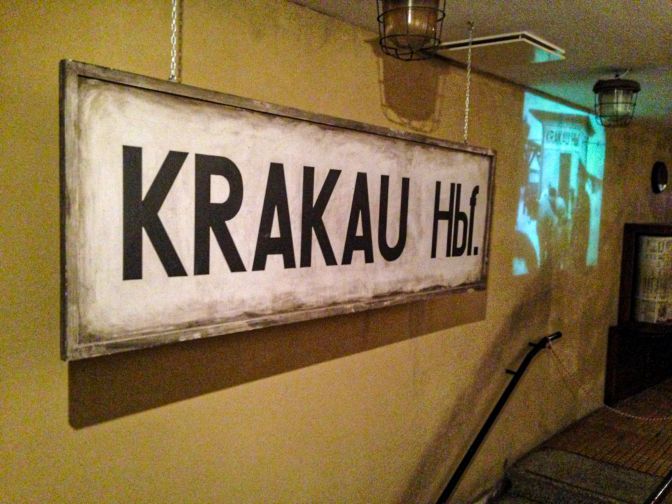
The city retains a charismatic and colorful character much like other cities of the former Habsburg empire, Prague and Salzburg. The old city of Krakow called the Stare Miasto is within a ring of former city walls and fortifications, some of which are still intact. The parts of the wall which are not there anymore are today replaced by a ring of green nature, making Krakow an emerald gem to stroll on a sunny day.
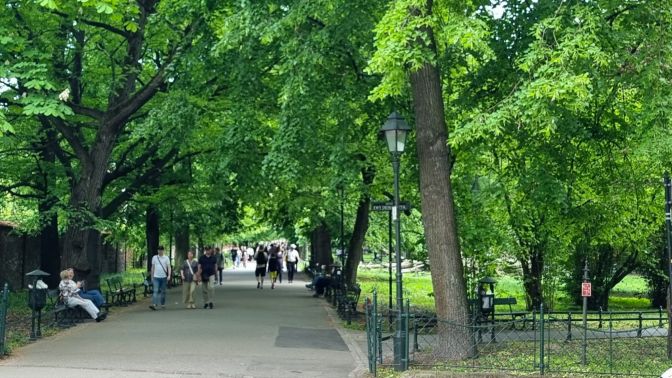
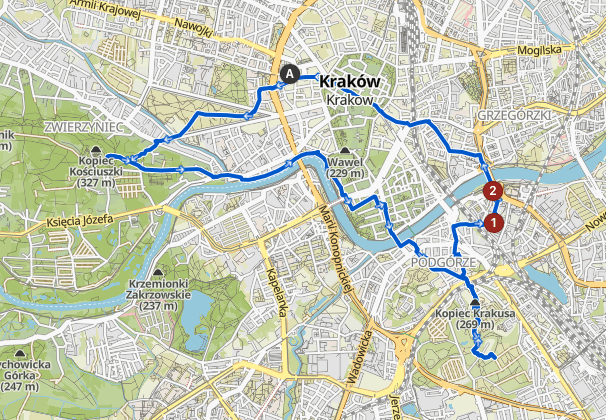
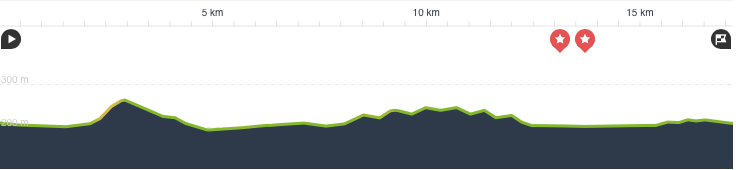
One of the ways I wanted to experience Krakow was by urban hike. Krakow has the geographic advantage of being in the south of Poland where the vast flatness of Poland finally gives way to hills and mountains. I composed a hike that would touch a little bit into that nature. This hike covers a lot of territory, from the Polish Revolution of 1794 to World War II. It then concludes in the city center where we explore Krakow’s beer culture. With a length of about 17.2 km, it is not for the faint of heart.
Main Highlights
- Kosciuszko’s Mound
- A walk along the Vistula
- Wawel Castle
- Basilica of St. Michael
- St, Joseph’s Church
- Krakus Mound
- KL Plaszow Concentration Camp
- Jewish Ghetto Memorial
- Schindler’s Factory
It’s Not Just a Beer, It’s a Journey
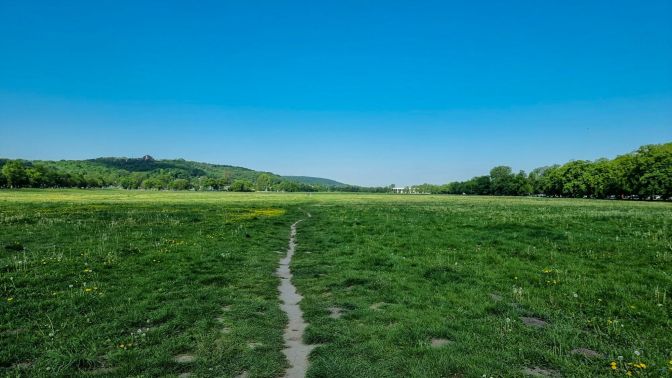
The hike formally kicks off in the massive triangular Błonia Park, a dog-walking paradise of criss-crossing footpaths. Kosciuszko’s Mound sits perched at the top of the hill on the left.
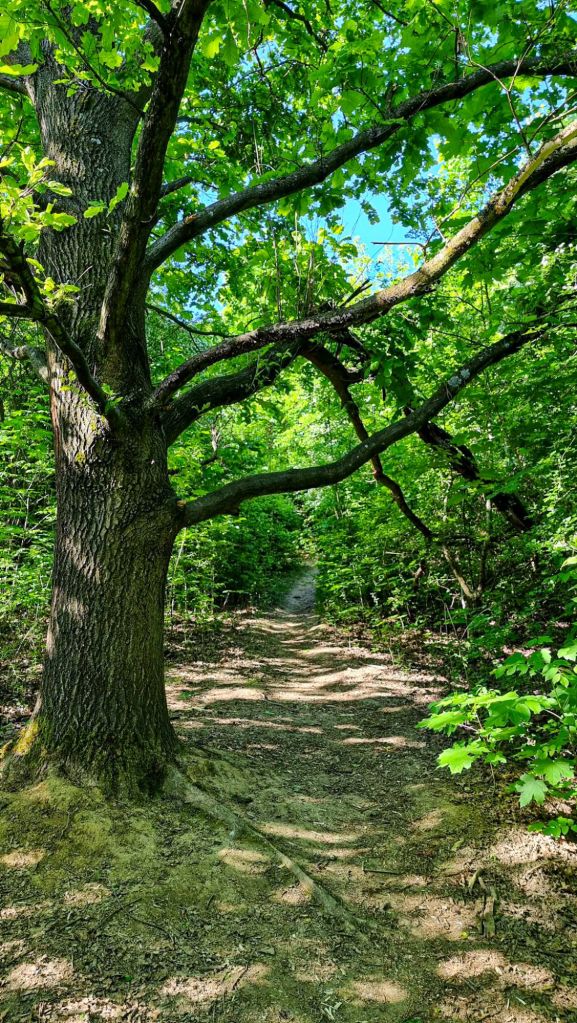
The short climb up to the mound in early May is my first experience of the year through a forest in the fullness of its Spring revival. A beautiful interlude in the early part of the hike.
Kosciuszko’s Mound
In the late 1700’s, Poland, then a part of a Polish-Lithuanian Commonwealth, was sliced and diced up between Prussia (today part of Germany), the Austro-Hungarian Habsburg empire, and Russia in what were known as the Three Partitions. In March of 1794, Tadeusz Kosciuszko, a Polish veteran of the American Revolutionary War, entered Russian-occupied Krakow and announced an Uprising. For the next seven months, his forces attempted to free Krakow and Warsaw until he was finally arrested by the Russians in October 1794. This led to the third partition and complete eradication of the Polish Commonwealth; a vanished state it would remain in until the end of World War I. This is the first of two mounds on this hike and three that I would visit during my time in Krakow. (The third, which I will cover in a future post, is a monument to the statesman influential in restoring Poland’s independence after World War I.) Kosciuszko would ultimately immigrate to the United States.
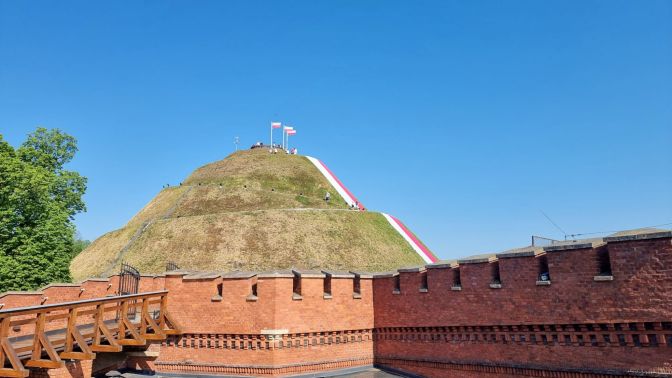
Climbing to the top of the mound does require a ticket, but the view is well worth it. You get a clear scope of just how flat Poland is, but looking south, the mountains which eventually form the border with the Czech Republic can be seen.
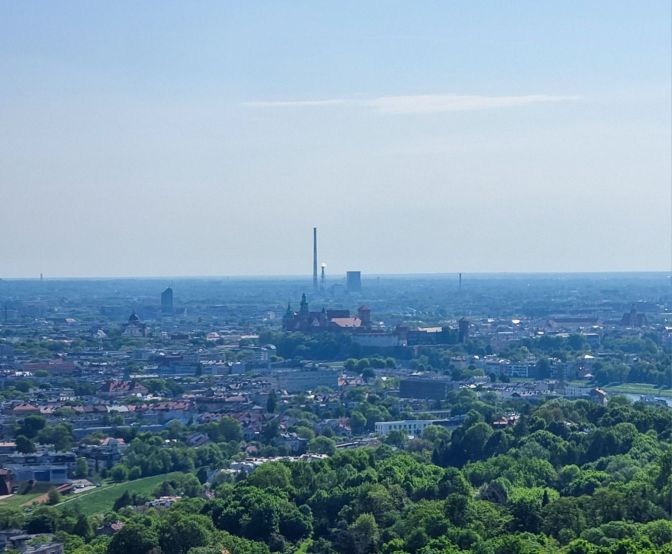
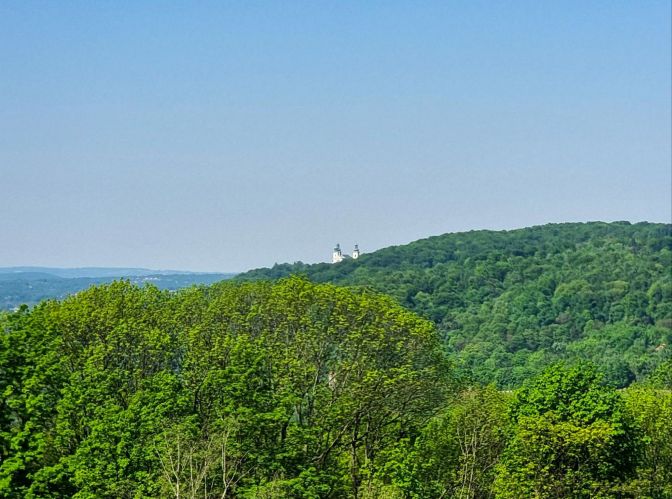
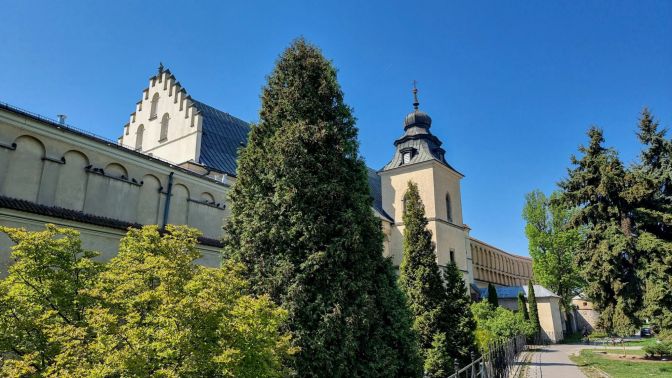
Heading down towards the Vistula River, you start to get a good impression that Krakow, and perhaps all of Poland, is decorated with so many beautiful churches, such as the Convent of the Norbertine Sisters.
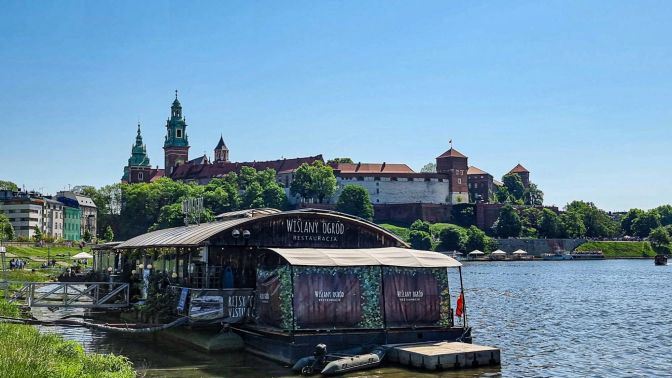
Following the Vistula River on this beautiful day meant sharing it with several joggers and cyclists. It is a grandiose stroll. Wawel Castle never fails to impress as it guards the bend in the river, where it has stood since it was commissioned by Casimir III the Great, the King of Poland, in the 14th century.
Wawel Castle & Cathedral
Wawel Castle is a must-see in Krakow. These two pictures are from my visit in May 2015. For the sake of time, I decided to skip it this year.
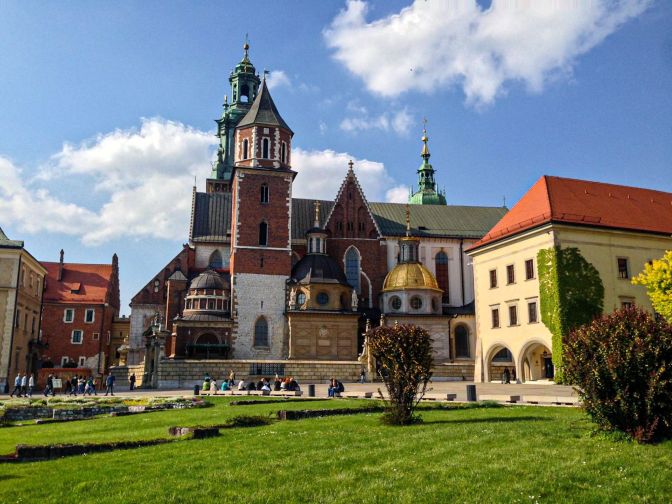
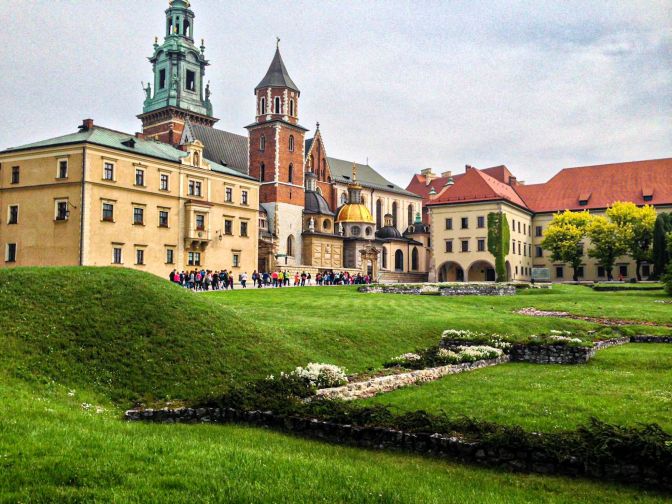
Behind the castle, there was a local market full of crafts and food.

My first beer stop was supposed to be this local microbrewery, T.E.A. Time, but I had underestimated my pace and showed up an hour early. I would pass by later in the week by bike with no better luck.
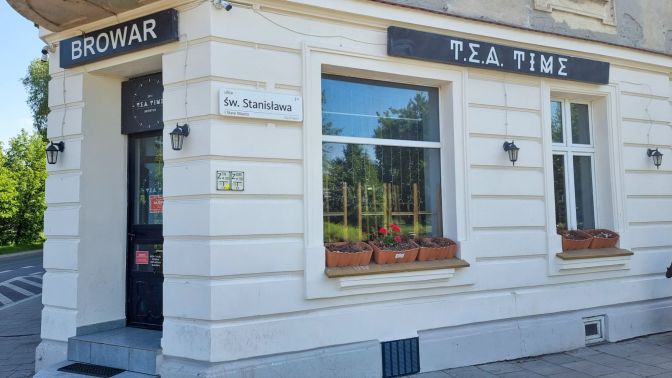
Basilica of St. Michael & Stanislaus
A beautiful Baroque church worth a browse. Several famous Poles are buried in its crypt. The courtyard has a fountain available for those who want to fill their water bottles, but unless you enjoy the taste and smell of sulfur, I recommend skipping it.
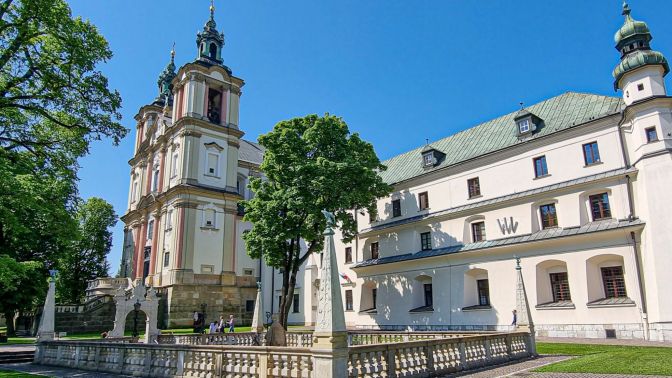
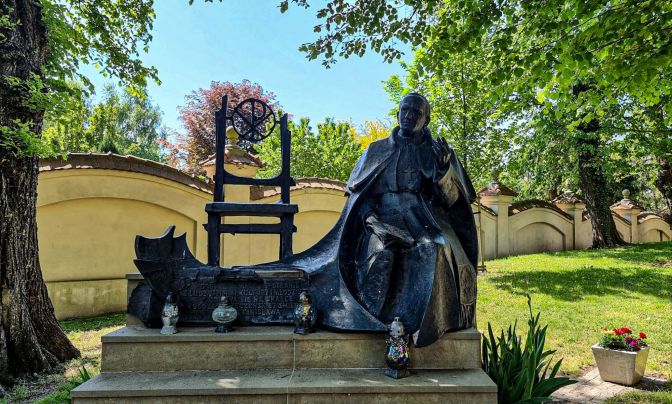
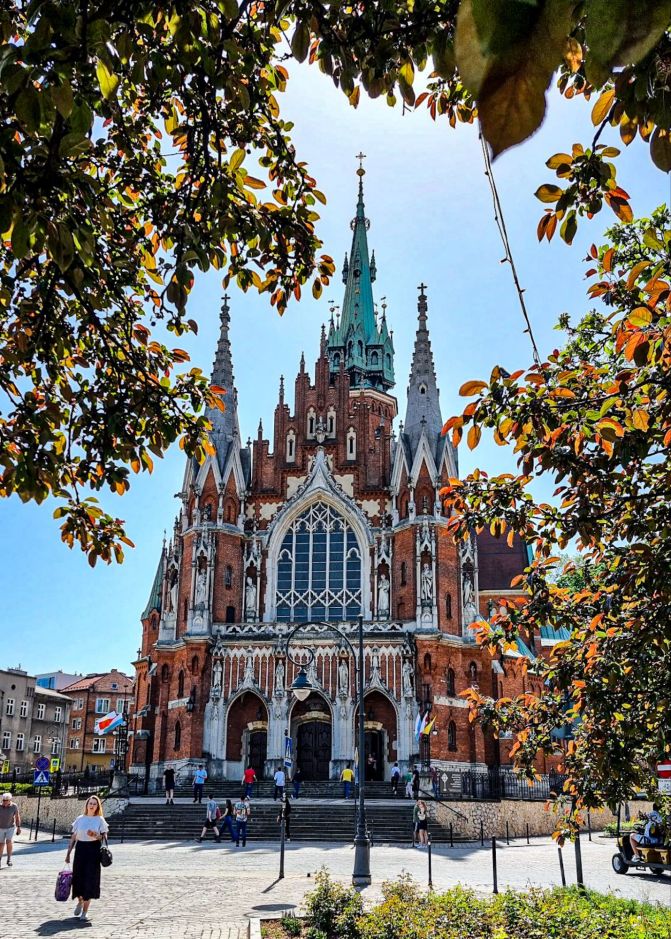
St. Joseph’s Church
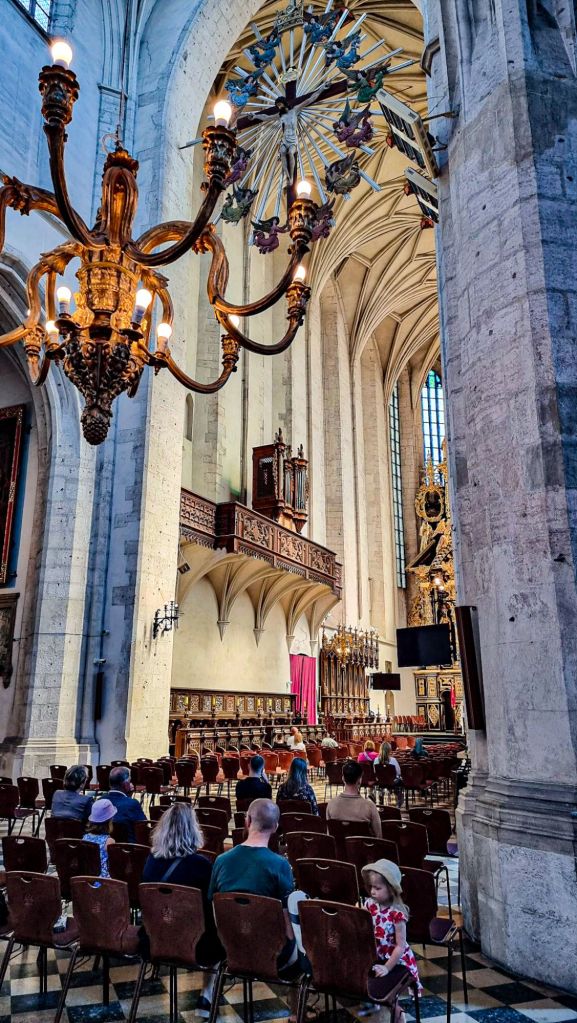
This striking church sits on the south side of the Vistula River and was another example of a characteristic of Polish churches that distinguishes it from countries like Belgium. When you enter one, you actually find people worshiping in it. I discovered that I kept having the same experience again and again when I entered a church. The first was holding the door for someone I assumed was a tourist only to find them genuflecting and joining in the service, leaving me reluctant to resume my tourist behavior. The second was the impression that I was interrupting. All of these places discourage taking pictures and doing touristy things during a service; however, I rarely found a church at any time of day not having a service. Each church truly feels like a living sanctuary rather than a cold stone gray hall of long forgotten devotion like you find everywhere in Belgium.
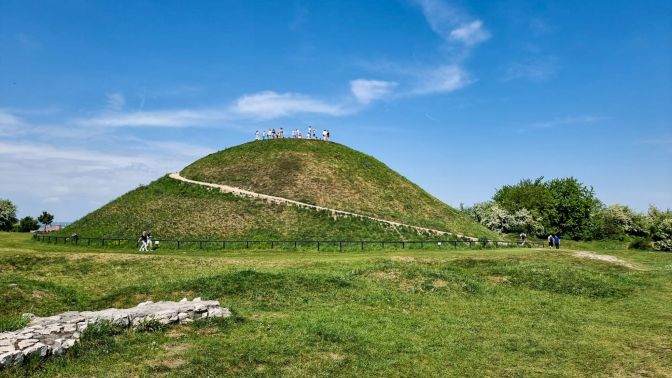
Krakus Mound
Not far from St. Joseph’s is this prehistorical mound named after the mythical founder of Krakow, King Krakus. The actual date and origins of the mound are unknown. This mound is the basis for the design of the Kosciuszko Mound.
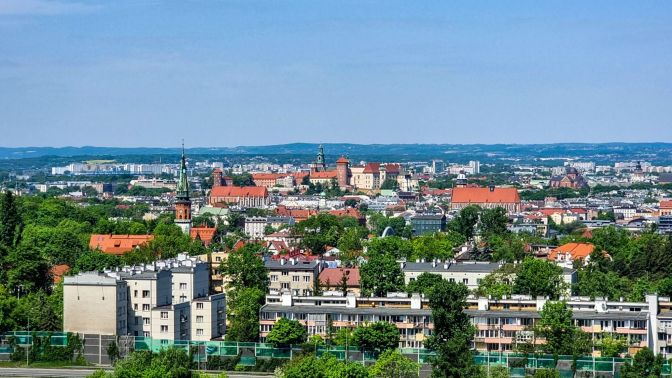
KL Plaszow Concentration Camp

From October 1942 to January 1945, KL Plaszow served as a concentration camp for those liquidated from the Jewish ghetto in Krakow. The number of deaths here is unknown. When the Soviet army was approaching, the Nazis dug up all of the bodies and burned them, then razed the camp to the ground. It is recommended to take some time and walk the complete grounds. There is more than what I show in these photos including the infamous villa of Commandant Amon Göth (played by Ralph Fiennes in Schindler’s List), today called The Grey House, which still exists. Here he would shoot at the prisoners from his balcony. Göth was tried and hanged nearby and is the only person convicted for the crimes at KL Plaszow.
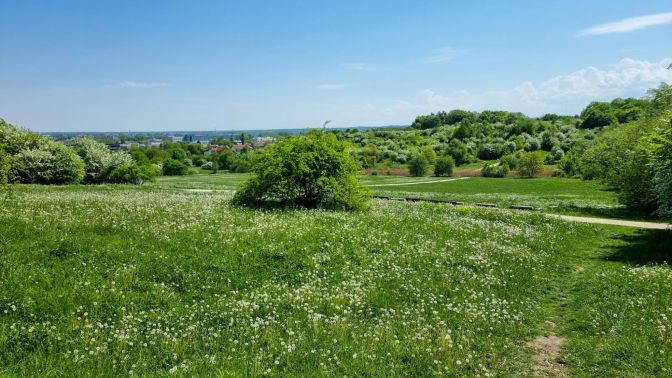
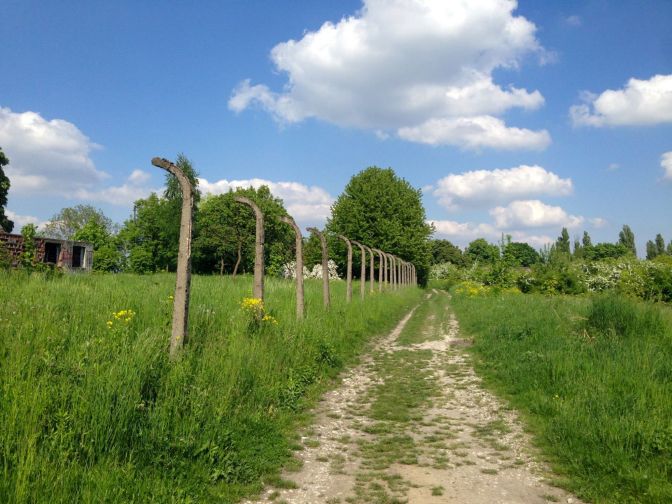

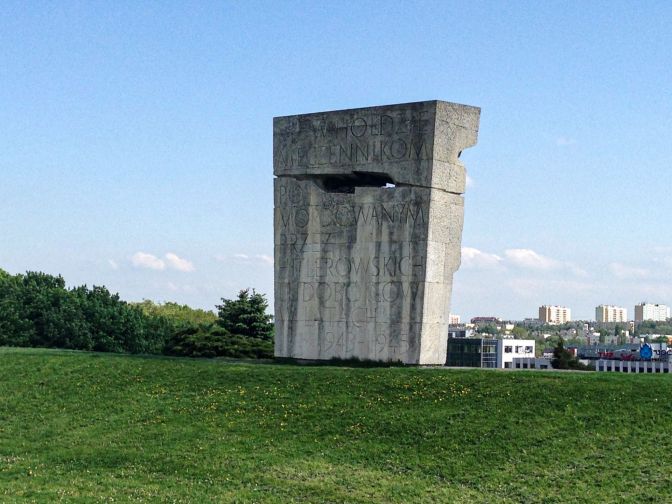

Leaving KL Plaszow, the hike heads in the direction of the Podgorze neighborhood. Little did I realize the significance of this part of the hike until linking it to the final two stops.
Jewish Ghetto Memorial
The Jewish Ghetto was here in the Podgorze area of Krakow in 1941. By the end of 1943, all the residents who had been forced to live in squallid conditions in this neighborhood were evacuated to concentration camps, many of them to KL Plaszow. Some of these people had jobs at the next site, just a few blocks away.

Oskar Schindler’s Enamel Factory
Not far from the Jewish Ghetto was Schindler’s enamel factory. Schindler is believed to have saved as many as 1200 Jews from dying in concentration camps. Because the workers were now having to walk all the way from KL Plaszow (a distance of about 3km or 2 miles which I had just walked), he convinced the Nazis to establish an extension of the camp right on the factory property.
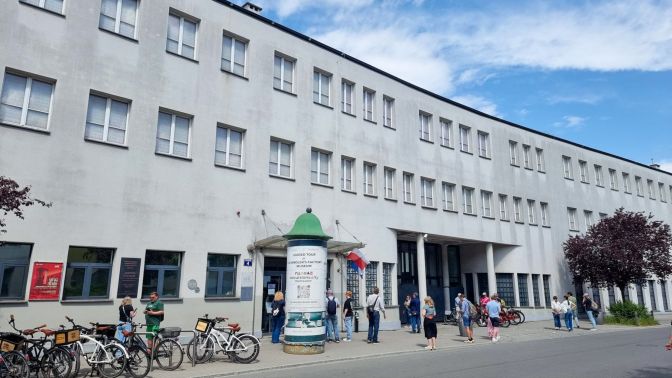
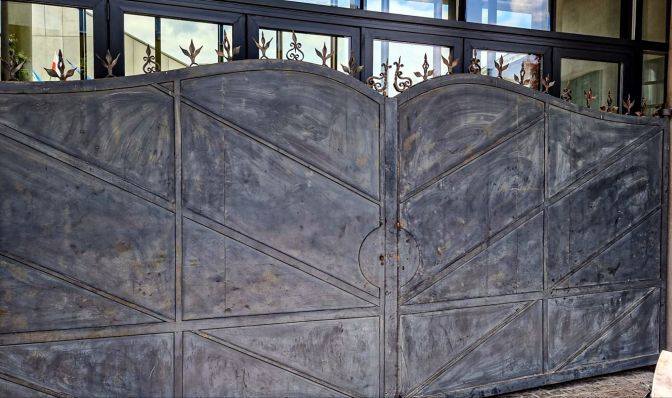

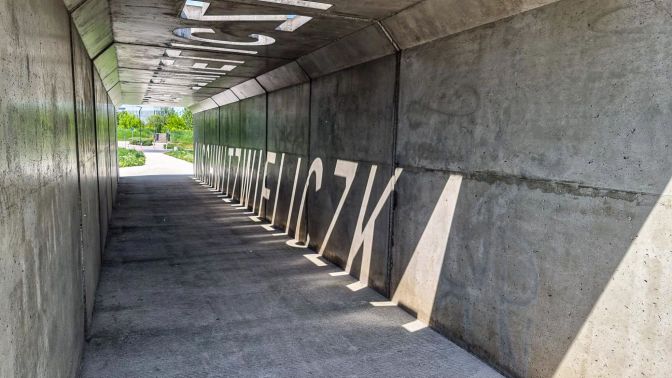
Not far from the Schindler factory right before crossing back over the Vistula River is this Auschwitz memorial.
Final Words
A walk as beautiful, immersive, and sobering as this one deserves an ending exploring the more light-hearted side of Krakow, it’s beer culture. However, it would seem out of place to include that here, so I will explore that in the next blog post. Poland, in many ways, has some similarities with Belgium. It’s a country that exists geographically between continental and even cultural rivals; some of which have exhibited predatory behavior at various times in their histories. For Belgium it is France, Germany, Spain and the Netherlands. For Poland, it is Germany, Russia and the Austro-Hungarian empire. Krakow gives plenty of opportunity to understand the struggles Poland and its people have had remaining an independent nation long before the Nazis came along. It had weathered these storms before, and although technically liberated by the Soviet Union in 1945, to many, Poland’s real liberation didn’t come until the dissolution of the USSR in 1989 when it became a fully independent republic once again.


 itsabrewtifulworld
I’m looking forward to your subsequent posts – I have always wanted to visit Krakow. I hope to get there someday.
LikeLiked by 1 person