
The other day, I was rummaging through the dusty archives of my movie library looking for inspiration… or rather something to pass the time on a Saturday evening. With each silent No as my eyes skimmed the titles, I grew more and more hopeless that anything was going to be worth throwing a couple valuable hours of a precious Saturday evening away on a frivolous slab of digital media. That was, until I came across a blu-ray of The Da Vinci Code. It was not the movie contained on the disc which released a satisfying chemical from my brain but the sudden cinematic eruption of memories of my experience with the book and the travels it inspired. Travels which, for one reason or another, have never appeared in my blog.
Like many people at the time of the book’s release, I was intrigued by the conspiracy theory of the source material that inspired the book. When I received it as a Christmas present in 2003, it had been many years since I had actually read a novel. So when I began to read The Da Vinci Code, the book was about to tap into a realm in my mind that had been dormant for many years. The short snappy chapters defied the Dickens and Tolkien that I was used to; quickly digestible and perfect for my attention span. Each one contained some nugget of art and history (or pseudo-history) that kept building and escalating until I was compelled to keep turning the pages to find out what idea would come next. I finished it in two days, an unheard of feat for me.
I assume like many others also… afterwards, I purchased a copy of Holy Blood Holy Grail and consumed several of the documentaries and follow-up books that were released to cash in on the craze, both which tried to refute or support the concepts of the book. Long before I had my collection of classic travel books, I had a nice shelf full of conspiracy theory books on the subject along with a budding Knights Templar collection. Not because I believed in the topic, but there was something about hidden messages in art and architecture which I found provocative. However, if you ever watch any of the documentaries, one word that is often repeated throughout is ‘plausible‘. It is a trick word used by pseudo-historians to create smoke and mirrors. Once you hear this word enough times, you realize it is being used against you. And that realization put a bad taste in my mouth. At a certain moment, I felt rather silly and washed my hands of the whole thing. I subsequently got rid of the entire book collection, Knights Templar included. Sorry gentlemen. Once again victims of your own success.
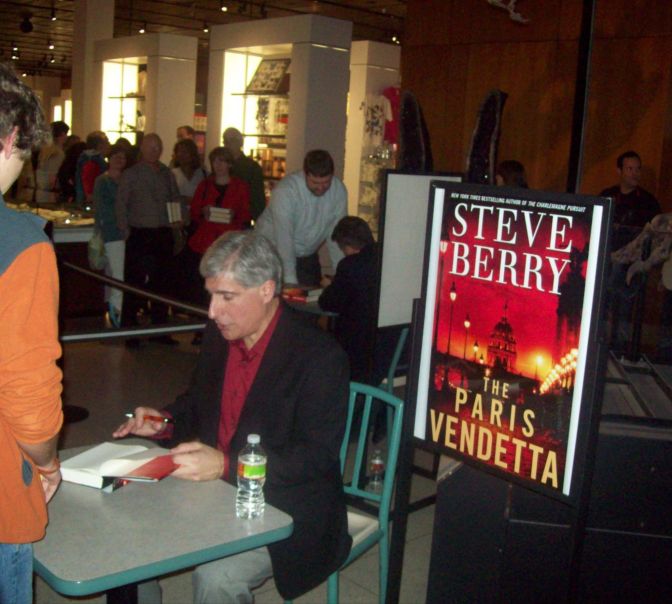
During the years that followed, I dabbled from time to time in the historical or scientific conspiracy theory mystery fiction genre from authors like James Rollins and Steve Berry without ever coming close to achieving that rush that I got from The Da Vinci Code. I met both Rollins and Berry in Houston many years ago and had them sign a few books. All of those are now floating around Belgium somewhere after a considerable book donation. Even Dan Brown’s later works have left me feeling meh. Origins has been sitting on my shelf for years gathering dust. In other words, I have long since abandoned the genre.

But there was a thread of the Da Vinci Code story that lingered like a ghostly vision in my imagination. When one immerses oneself in the Da Vinci Code lore, it is difficult not to come away with the impression that the south of France is riddled with mystical hideaway hilltop villages and castle ruins which hold secrets preserved in a remote land that time forgot; where every graveyard, church decoration, painting, and the landscape itself make up a vast treasure map. The main protagonists are the village of Rennes-le-Chateau and the castle ruins of Montsegur. Without these two places, there is no story. Both places are duly and rightfully enshrouded in myth and mystery. Despite the fact that what links them to the plot of the Da Vinci Code and Holy Blood Holy Grail is mostly hogwash, I was drawn to these locations along with others featured in the books in the same way that I am drawn to places found in a Dickens novel. What added to their aura was the idea that they felt like unattainable places; located in a remote part of Europe lacking any appeal otherwise to me. It did not seem plausible that I would ever visit them.
That is until a business trip took me to the region in 2018. So on the 20th of May, year of our Lord 2018, I found myself driving from Carcassonne to visit them both in one day.
Château de Montségur
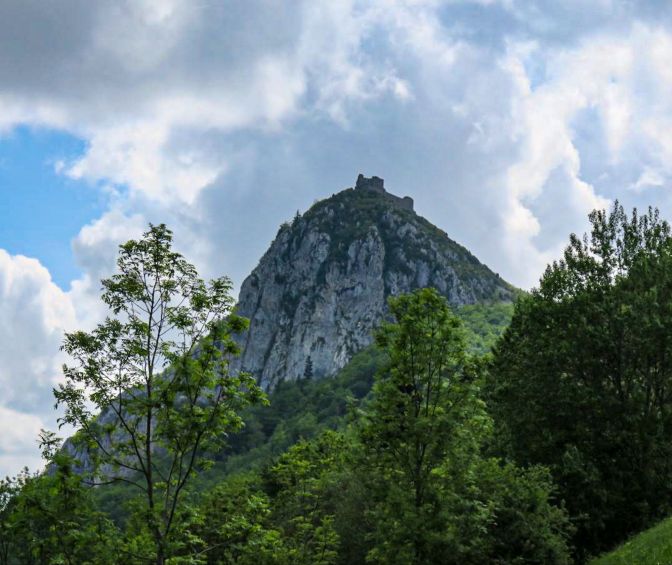
This is a former stronghold of the Cathars, a Christian sect deemed heretical by Pope Innocent III. They were massacred in the Albigensian Crusades of 1209 – 1229. In the Da Vinci Code, the Cathars were the protectors of the secret of the bloodline of Christ, which according to the book was the real explanation for their slaughter.
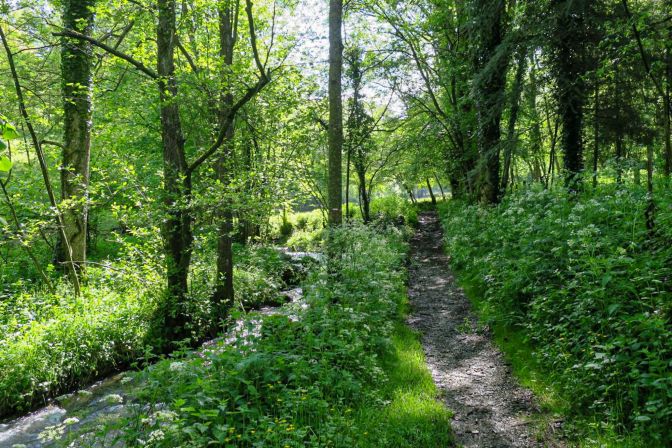
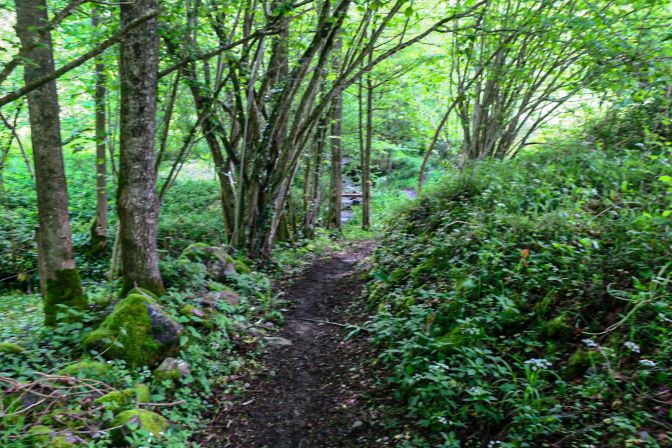
Rather than drive to the parking lot at the foot of the hill upon which the Chateau dramatically sits, I chose to hike from the village of Montferrier along the Sentier Cathare trail. From Montferrier to the Chateau and back is about 11km.

The first half of the route follows a stream which often overflows and soaks the trail, making it a muddy go for a good part of it. Admittedly not the most enjoyable hike I have done, but the end results were worth it.
When the Chateau comes into view, it is impressive.
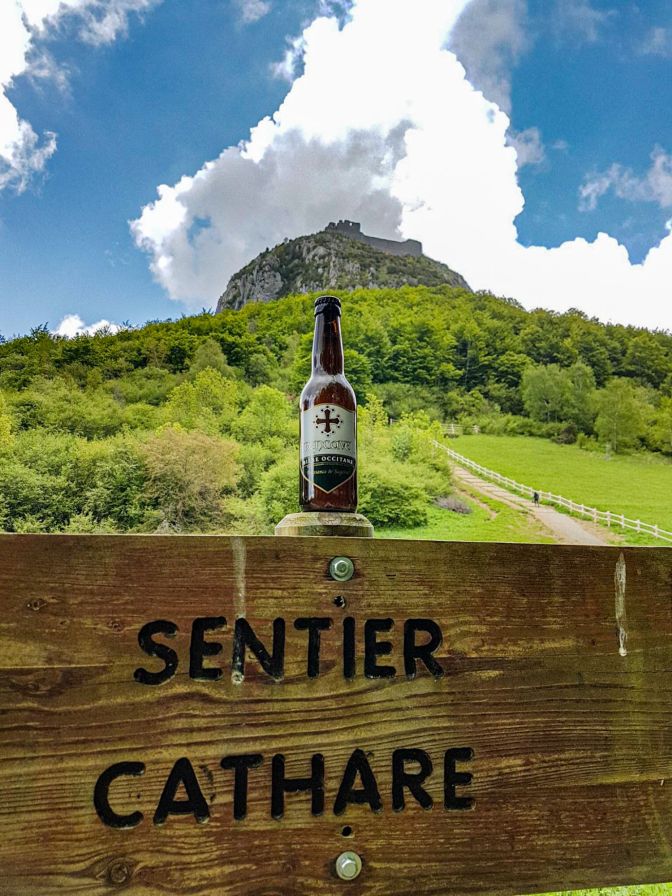
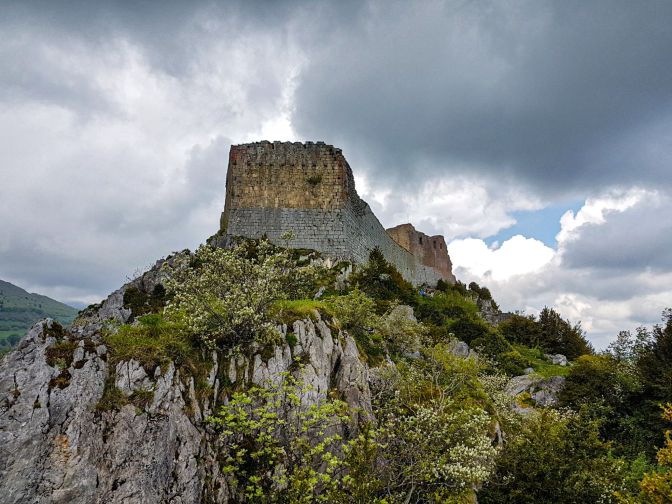
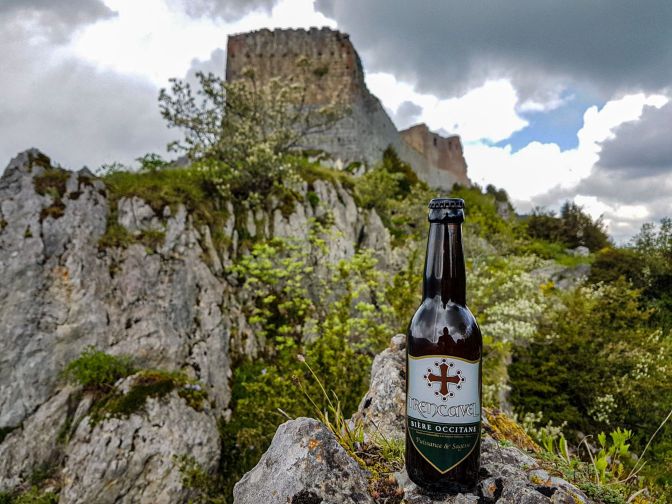
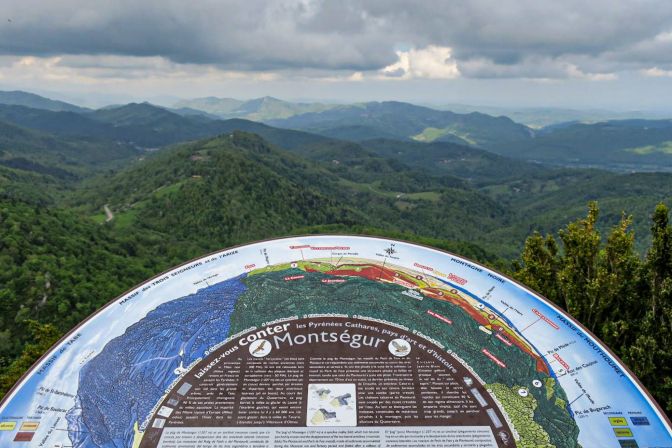
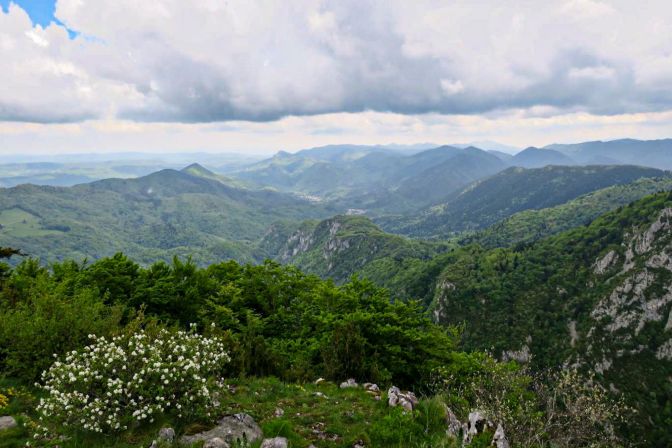
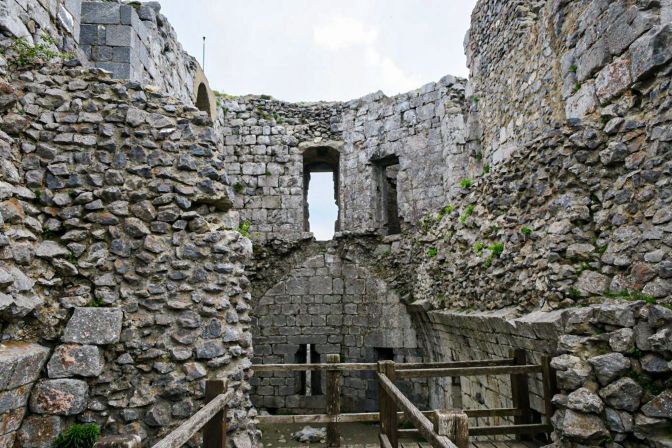
Following the hike, it was back in the car and off to Rennes-le-Château, a 1-hr drive to east.
Rennes-le-Château
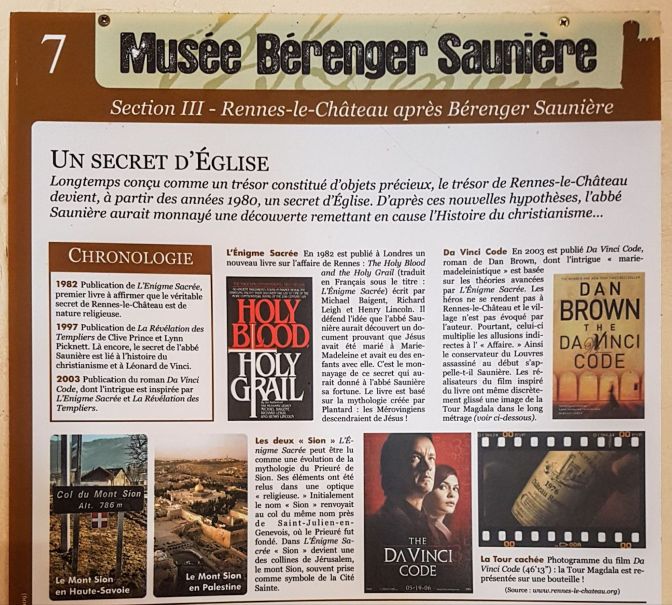
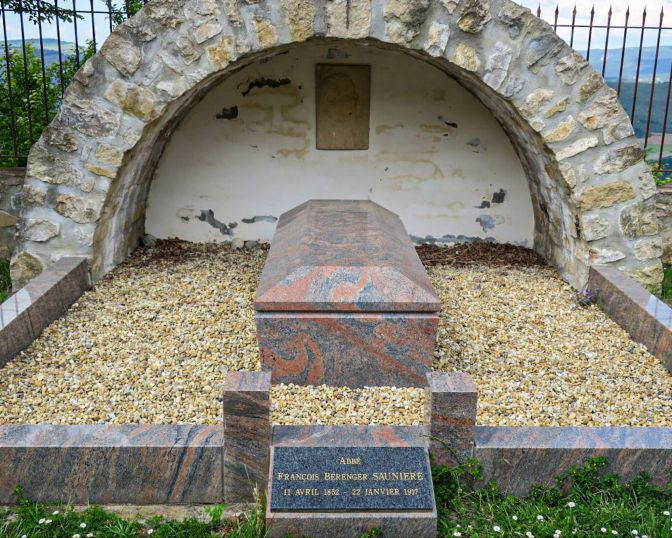
Is there a village on Earth which has benefited more from a hoax? You all know the story. The hoax centers around a local priest Bérenger Saunière who in 1891 suddenly goes from being a holy man in a destitute village to a priest with incredible wealth. The story according to Holy Blood Holy Grail and subsequently the Da Vinci Code is that Sauniere discovered some secret documents hidden in a pillar in 1891 which proved that the Catholic Church had covered up the bloodline of Christ through his child with Mary Magdalene. It also revealed a secret society called the Priory of Sion, who were sworn to protect the secret. Leonardo Da Vinci, of course, was one of the supposed grandmasters, hence the book title. Saunière then acquired his riches through hush money from the Pope. Another theory had Saunière discovering a parchment which led to the discovery of a large horde of Cathar treasure. In reality, Saunière was selling Catholic masses by mail order. In other words, he was the 1891 version of Amazon.com for Catholic mass. He did use the money to uplift Rennes-le-Château from a rundown backwater into a more elegant backwater. Saunière gave the church a complete makeover, but it was his eclectic choice of decor which has helped fuel the conspiracy theories that would follow after his death in 1917. Anything out of the ordinary in the decorations became a clue to the buried treasure some fifty years later when opportunistic charlatans and pseudo-historians raised Rennes-le-Château into the realm of the Loch Ness Monster, Bigfoot, and the Bermuda Triangle. They did such a fantastic job at it that I couldn’t have been more excited when I saw the city name on a sign along the road to the village.
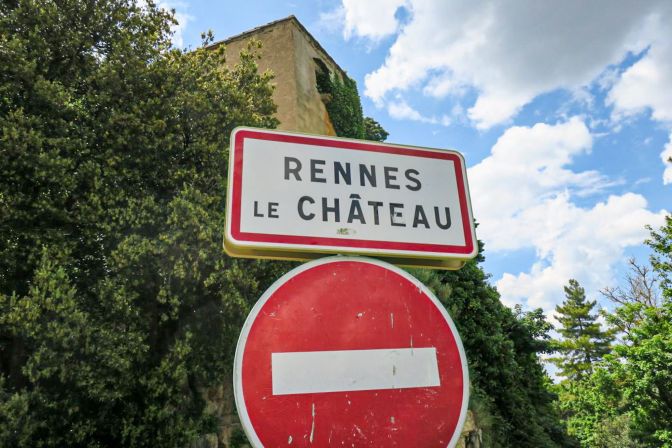
The village embraces its celebrity reluctantly. While it has attracted its share of tourists (although I found it a rather peaceful place), it has also lured unscrupulous treasure hunters of various levels of ethics who have left scars on the landscape and damage to some of the oddities with which Rennes-le-Château is known.
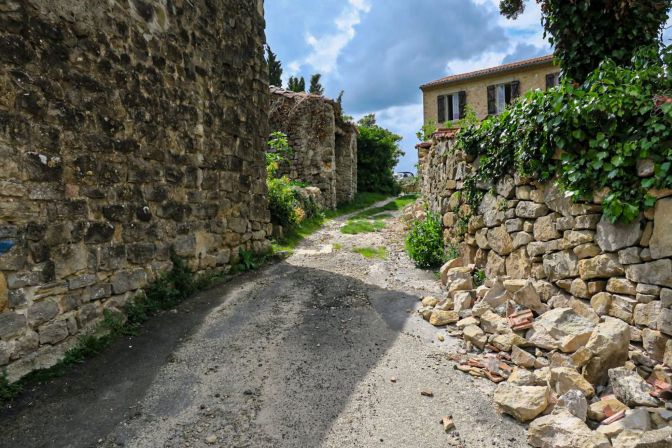
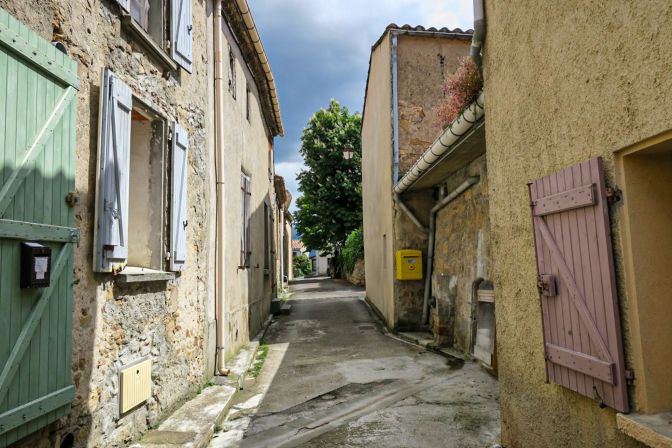
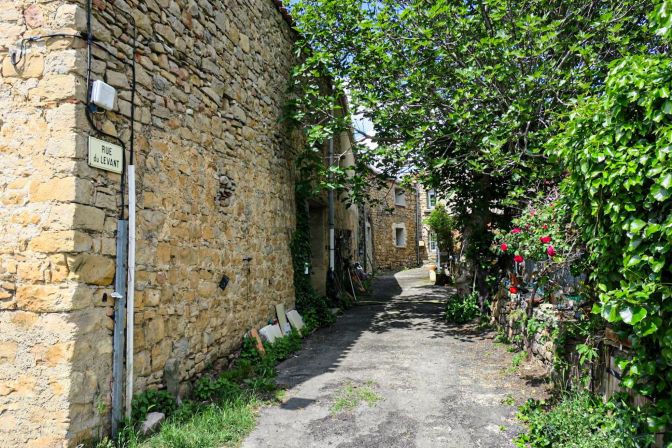
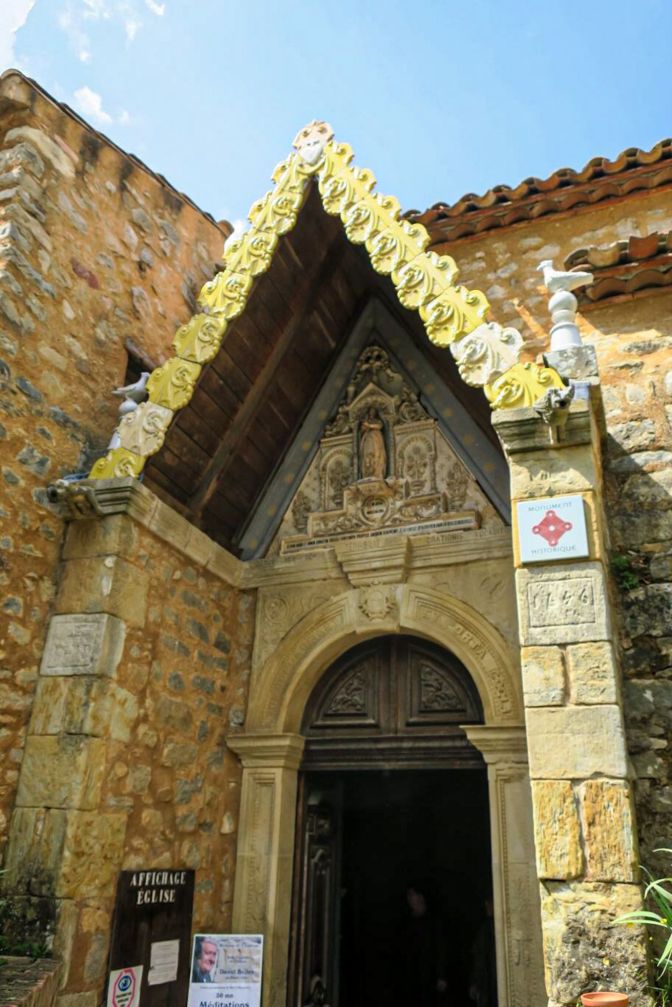
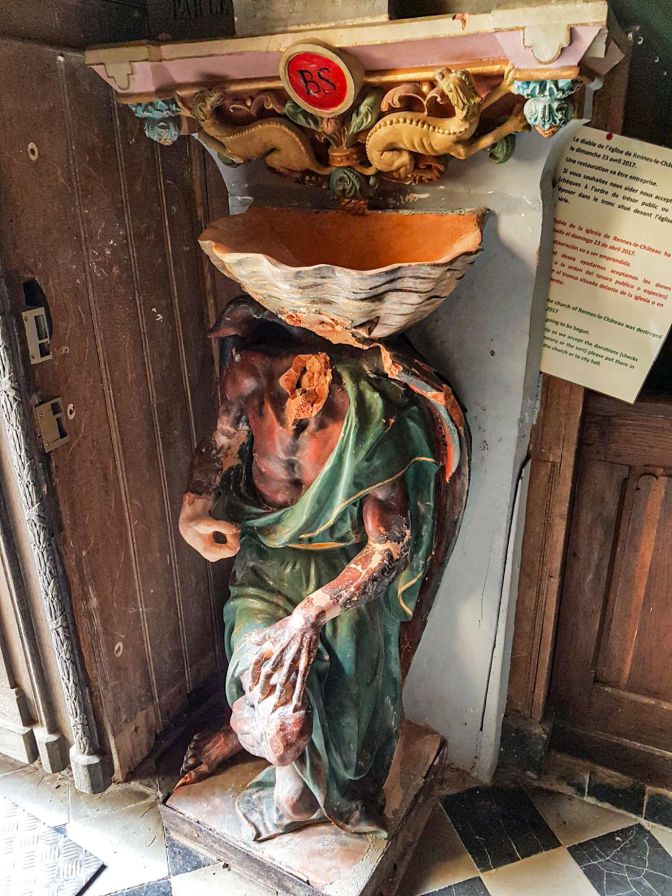
Entering the church for the first time, I was utterly disappointed to find the infamous demon Asmodeus carving under the holy water font had its head removed for repairs due to vandalism. This head was already a replacement as the original had been stolen many years ago.
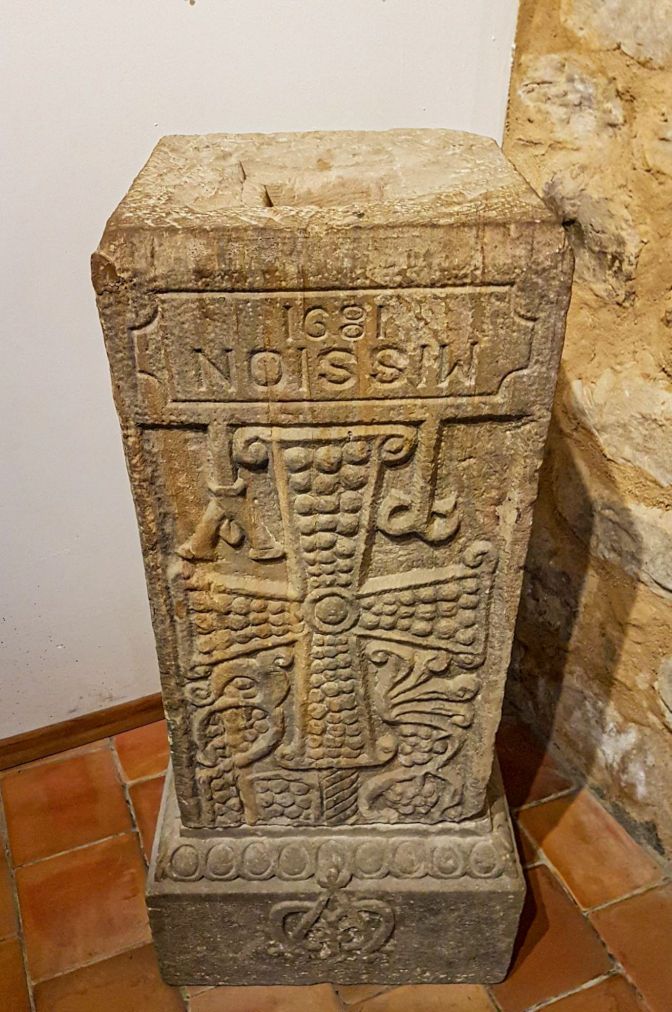
Up next is a pillar which originates from the Visigoths. For some reason, Saunière had it inscribed with “Mission 1891”, the year he supposedly experienced his sudden change in fortunes, but it was inscribed in the wrong direction and for many years the pillar stood upside down. This was originally the pillar in which the conspiracy theorists thought Saunière found the secret documents. However, there was no hollow compartment inside it, only a small spot hollowed out to support the pillar when it was situated upside down.
When the Visigoth pillar was found not to have a hidden compartment, then attention turned to this wooden one, here displaying how a hidden parchment could have been hidden inside of it.

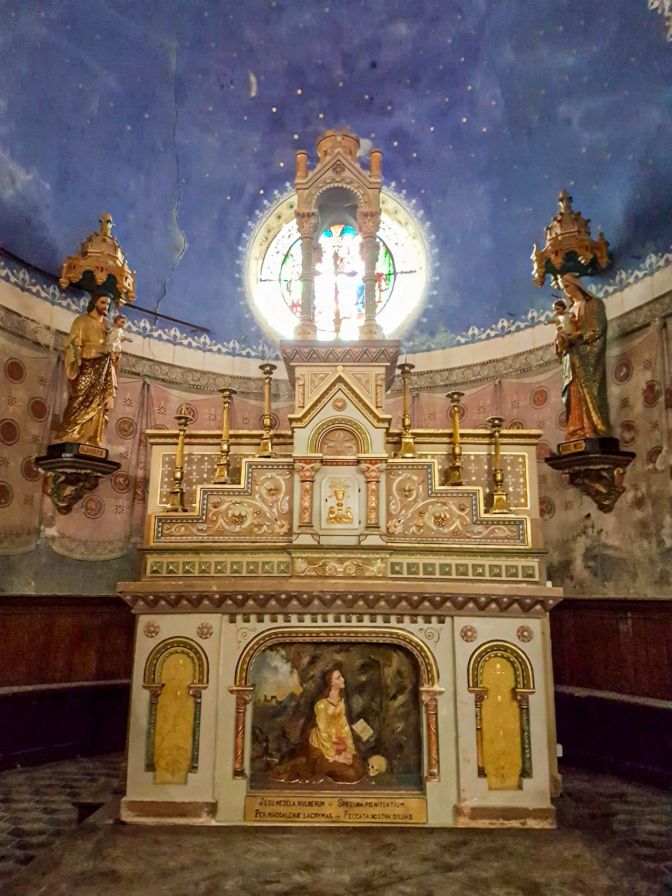
One of the curiosities of the church are the sculptures of both Mary and Joseph on either side of the altar holding the baby Jesus. The conspiracy theorists suggest that Saunière was exhibiting his belief that Jesus had a twin brother, which is deriving from the gnostic gospel of Thomas (which means ‘twin’). The gnostic gospels are a big influence on the storyline of the Da Vinci Code.
But of course, the most famous image of Rennes-le-Chäteau is the Tower of Mary Magdalene (Tour Magdala) built by Saunière. In full color on a sunny day, it hardly looks mysterious.


Oddly enough, for a village that relies a lot on tourists for income, there was nowhere to grab a beer or mid-afternoon lunch. I got the sense that tourists are appreciated but not encouraged to linger for too long. Which I didn’t, as I got in my car and headed back to Carcassonne spending a grand total of about two hours in the village.
Other Da Vinci Code Encounters
The Louvre
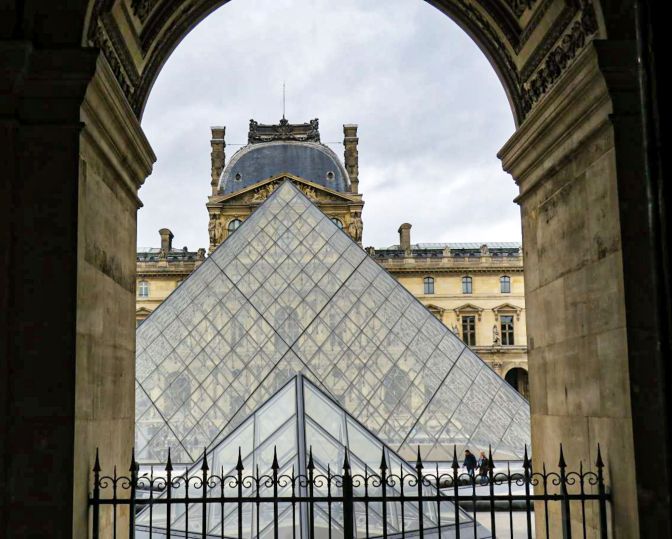
December 2006 marked the beginning of my journey following the trail of the Da Vinci Code. The book starts here at the Louvre Pyramid. I have been to the Louvre a few times, but it is one museum that will chew you up and spit you out if you don’t go there with a plan. It has not escaped me that I haven’t done a Drunken Masterpieces there yet. Suddenly, I have a reason to go back.
Saint Sulpice
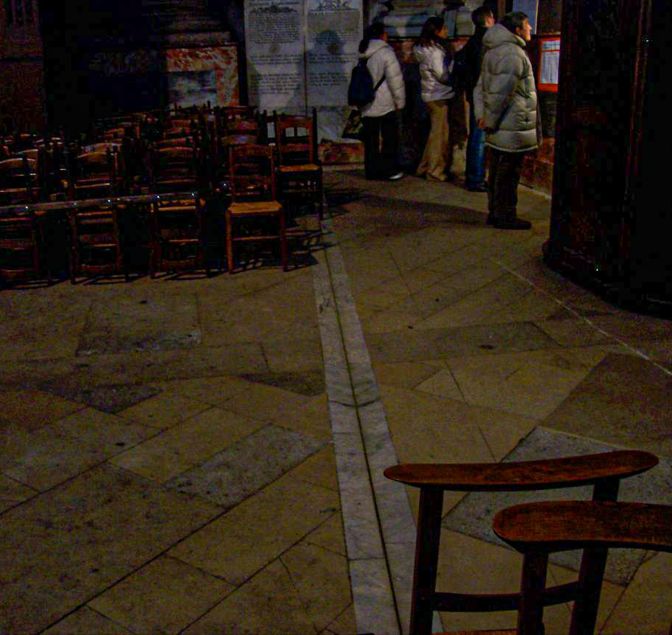
Paris actually does the whole Christmas Market theme quite well, and one of the nicest ones sits in front of the church of St. Sulpice. This is the church with the famous rose line, where Paul Bettany busts through the floor and then kills a nun. Good holiday vibes.

Temple Church
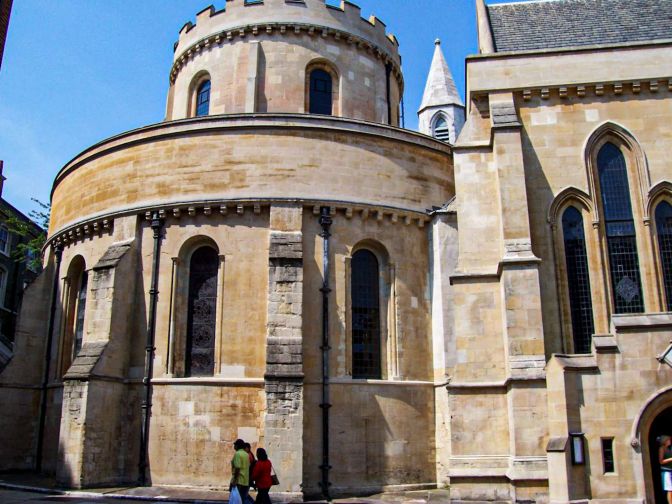
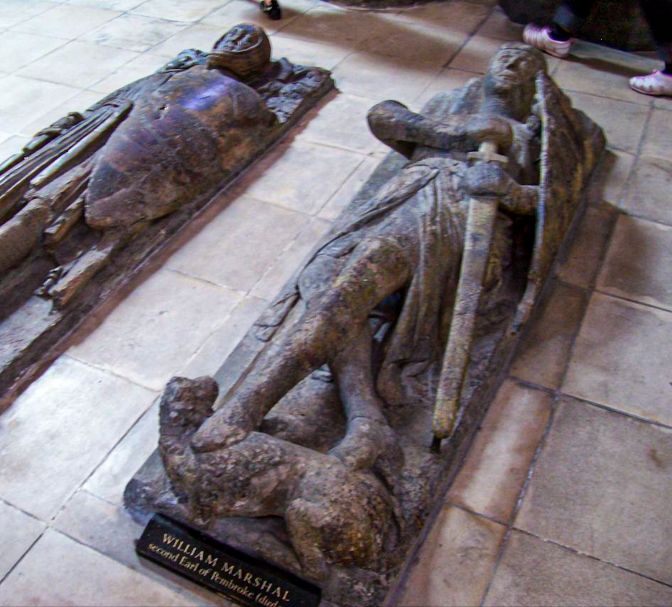
In June 2006, I actually took a Da Vinci Code-themed walking tour which I did through the London Walks company in London. The highlight is the Temple Church, built by the Knights Templar. It seems that the Da Vinci Code fervor has died off enough over the last 19 years to exclude it from their current repertoire. But the good news is, their excellent Jack the Ripper walking tour is still on. Good ol’ Saucy Jack.
Rosslyn Chapel
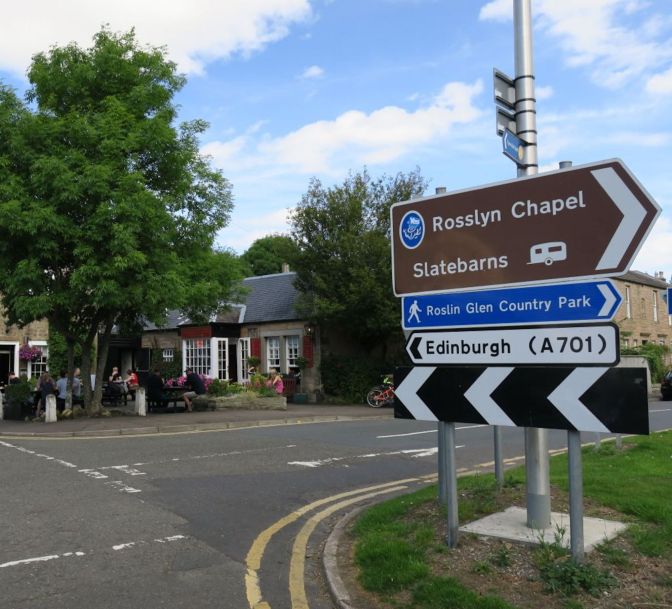
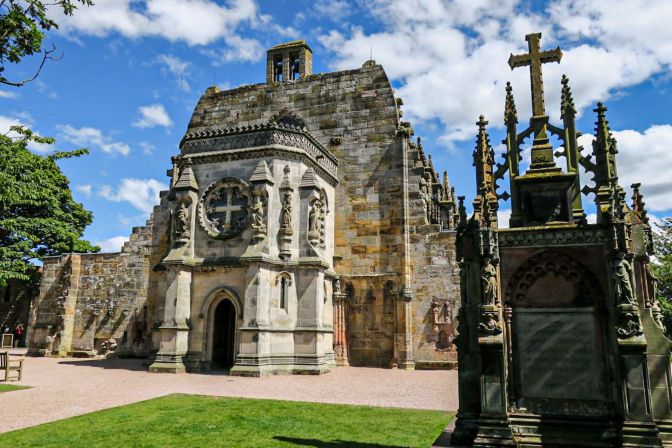
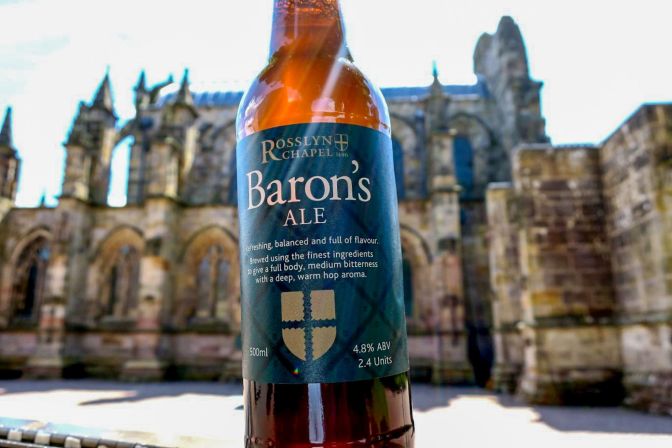
The finale of the movie takes place at this enigmatic chapel in Scotland which didn’t need the Da Vinci Code to be… well, enigmatic. Rosslyn (er, Rose line) Chapel does enough for itself to create mystery. Scotland is actually one of the more popular traditional final destinations of the Holy Grail, and Rosslyn Chapel is its leading resting place. Even an heir of the chapel tried to excavate only to cause a cave-in and destroy whatever possibility there was to find what lies beneath. But who cares when they have their own beer.
Final Words
Of all the days of my travel life, May 20, 2018 stands out as one of the most unique. I had completely forgotten a lot of the details, and when preparing this post, I was looking at pictures which I hadn’t seen since that day. Say what you want about the Da Vinci Code. I found it a completely engrossing romp. But it spoiled the genre, and everything after that felt limp by comparison. It did, however, spurn an energy to start reading again (along with Ross King’s Brunelleschi’s Dome) and for that I will forever be grateful to it. In the case of Bèrenger Sauniére, fiction is probably far more interesting than truth, although his truths are probably far more intriguing than most fictions. That is the perpetual state that Rennes-le-Château will find itself abiding for as long as Youtube exists for people to stream the old documentaries about it. This is a rather poignant last page to this part of my travel experiences. I doubt I will ever go back although I wouldn’t rule it out. When I look at the mountains in the photographs, I can’t help envision hiking there. And perhaps in the process, I would stumble upon a great cache of Cathar treasure. Anything is plausible.


 itsabrewtifulworld
I traveled a very similar arc as you in my enjoyment of “The DaVinci Code” (book and movie) and fascination with the Knights Templar–minus the travel to actual locations mentioned in the stories and the sampling of local beers. In other words, the fun stuff. You weave the fictional and autobiographical narratives together like a master. Thanks for a great post! Perhaps I’ll visit one of the locations someday. I mean, it’s plausible.
LikeLiked by 1 person
Your comment about how quickly you read “The DaVinci Code” reminded me of a long ago evening when I borrowed my mother’s paperback copy of “Jurassic Park”. She lent it to me on the condition I wouldn’t lose her bookmark. I gave it back to her the next morning and she remarked that I could keep reading it until I finished it. I told her there was no need as I had finished it around midnight.My wife was not much of a reader when we married (at the time and for many years afterwards I read a lot of history books and political biographies). That changed and “The DaVinci Code” was one of the books that got her reading novels of a similar type and also awoke in her a fascination about the Knights Templar that still pops up on occasion (a visit to Rosslyn Chapel is on her bucket list – and mine as well provided I’m able to visit local pubs afterwards).She would occasionally give me books to read after she finished them – “The DaVinci Code” and other Dan Brown novels among them. One was “The Historian” which was about Dracula in which the narrative was steeped in scholarly discovery of rare and mysterious bits of vampire lore. What ruined that novel for me was that nearly all of the ‘scholarly discoveries’ made by the protaganists were things I learned when I was around eight years old, when most books I read were targeted for ‘young adults’. Lots of books about vampires, werewolves, ghosts, Bigfoot, the Loch Ness monster and other fancies were borrowed weekly from the local public library and made up my reading during summer breaks back then. My wife also used to have a fascination with the show “Ancient Aliens” and currently watches “The Curse of Oak Island” faithfully. Right up there with ‘plausible’ is the way the narrators of those shows liberally use “Is it possible that (followed by some infinitesimally possible, but highly unlikey claim). One hears those words often enough within an episode to reflexively answer “NO!”
LikeLiked by 1 person
Your comment about how quickly you read “The DaVinci Code” reminded me of a long ago evening when I borrowed my mother’s paperback copy of “Jurassic Park”. She lent it to me on the condition I wouldn’t lose her bookmark. I gave it back to her the next morning and she remarked that I could keep reading it until I finished it. I told her there was no need as I had finished it around midnight.My wife was not much of a reader when we married (at the time and for many years afterwards I read a lot of history books and political biographies). That changed and “The DaVinci Code” was one of the books that got her reading novels of a similar type and also awoke in her a fascination about the Knights Templar that still pops up on occasion (a visit to Rosslyn Chapel is on her bucket list – and mine as well provided I’m able to visit local pubs afterwards).She would occasionally give me books to read after she finished them – “The DaVinci Code” and other Dan Brown novels among them. One was “The Historian” which was about Dracula in which the narrative was steeped in scholarly discovery of rare and mysterious bits of vampire lore. What ruined that novel for me was that nearly all of the ‘scholarly discoveries’ made by the protaganists were things I learned when I was around eight years old, when most books I read were targeted for ‘young adults’. Lots of books about vampires, werewolves, ghosts, Bigfoot, the Loch Ness monster and other fancies were borrowed weekly from the local public library and made up my reading during summer breaks back then. My wife also used to have a fascination with the show “Ancient Aliens” and currently watches “The Curse of Oak Island” faithfully. Right up there with ‘plausible’ is the way the narrators of those shows liberally use “Is it possible that (followed by some infinitesimally possible, but highly unlikey claim). One hears those words often enough within an episode to reflexively answer “NO!”
LikeLiked by 1 person
The Historian was one of my favorite books when I was in my 30’s…. something about books with doomed romances like Shadow of the Wind by Zafon as well… Funny thing is that I had a couple books about the Oak Island mystery and gave up on the conspiracy theory trend before I had a chance to read them
LikeLike