
The Ghost Front
December 16, 1944. Lanzerath, Belgium.
Imagine peering through the morning mist of that frosty, bitter morning, surrounded by snow and the dense pine trees of the Ardennes, rising up out of the Earth like dark green shards, looming over you with an ominous ambiguity. All is eerily quiet, and for the last few days, you have been staring through these trees as if looking into the maw of a sleeping beast or into the realm of ghosts hoping nothing horrifying emerges from their depths. You grip your rifle to fight the constant numbness in your fingers, every moment since you strapped on your first pair of military boots until now flashing through your brain; your life, completely turned upside down.
At this point in history, there was no such thing as the Battle of the Bulge. It was still lurking…gathering… like the minions of Mordor behind those trees. But you had no idea it was there. You look at your buddy next to you and both of your eyes scream what are we doing here? We’re not supposed to be here. You check your watch.
Six days earlier. Eighteen men of the 394th US Infantry Regiment, 99th Infantry Division received their orders to reinforce a five-mile gap along the Ghost Front at the tiny village of Lanzerath; one of a countless number of military orders that would pass down the chain of command throughout the war. There was only one thing amiss about these orders to these men. None of them were trained or equipped for frontline duty. They were an Intelligence & Reconnaissance (I&R) platoon.
I&R platoons were not intended to be frontline riflemen; routinely, they were under explicit orders not to engage the enemy but to stay in the shadows”
The Longest Winter by Alex Kershaw (2004)
But there you were on the morning of December 16 shivering in your foxhole looking at your watch. What time is it?, your buddy may have asked. 5:30am, you might have replied.
And at the moment, Hell arrived out of the trees.
Today, we call it the Battle of Lanzerath Ridge.
The Longest Winter
The inspiration for the hike that I am about to document comes from a great book written about this special platoon. That book is The Longest Winter by Alex Kershaw first published by Hachette Books in 2004. It details the harrowing and heroic account of this platoon as they confronted the German offensive that came barrelling out of the forest through that five-mile gap, starting the bloodiest battle the United States has ever suffered. The efforts of those eighteen men helped delay the German advance just enough for the Americans to regroup.
Homework
Since my blog post cannot properly do justice to this story, it is highly recommended to check out these other resources for more information about The Longest Winter and the story of this platoon..
Hike Details
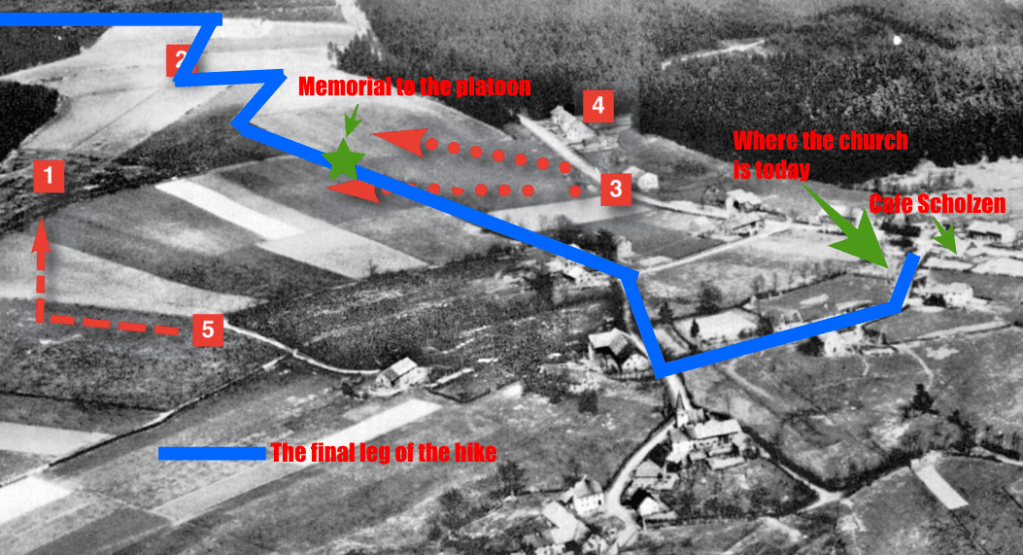
To get a scope of Lanzerath, I have borrowed an aerial photo taken after the battle which is found in The Longest Winter and also used in this article on the Warfare History Network. There is also a nice diagram on this Achilles the Heel article. I have added the text, blue line and green arrows and star.
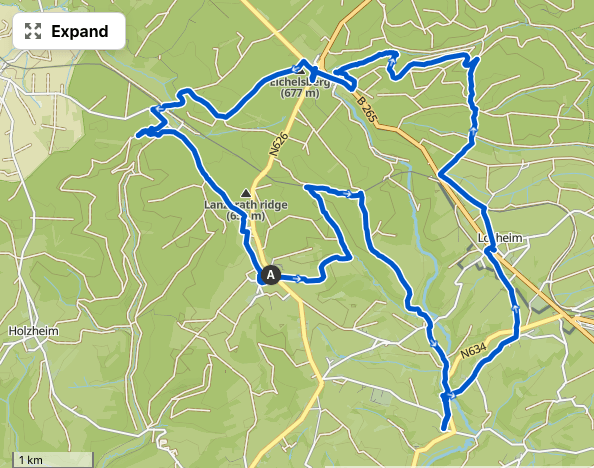
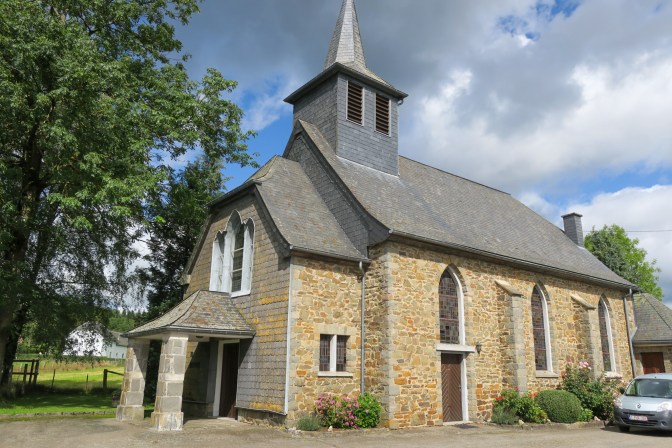
| Starting/Ending Point | Lanzerath church |
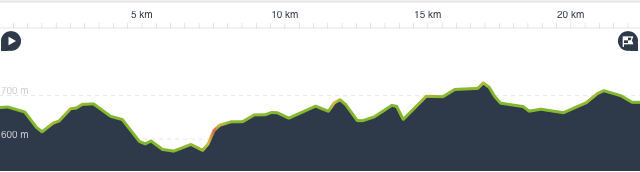
| Distance | 22.4 km |
| My Moving Time | 4h 30m |
The Hike
Far out-numbered and out-equipped, the platoon was able to hold off the Germans until around sunset when they were finally forced to surrender. They were temporarily held prisoner in Cafe Scholzen and eventually greeted by a furious SS Lt. Col. Jochen Pieper who rolled in just after midnight on December 17th.
Cafe Scholzen
The former cafe is just adjacent to the church. Today, it is repainted since the Google Maps photo (from 2021?).
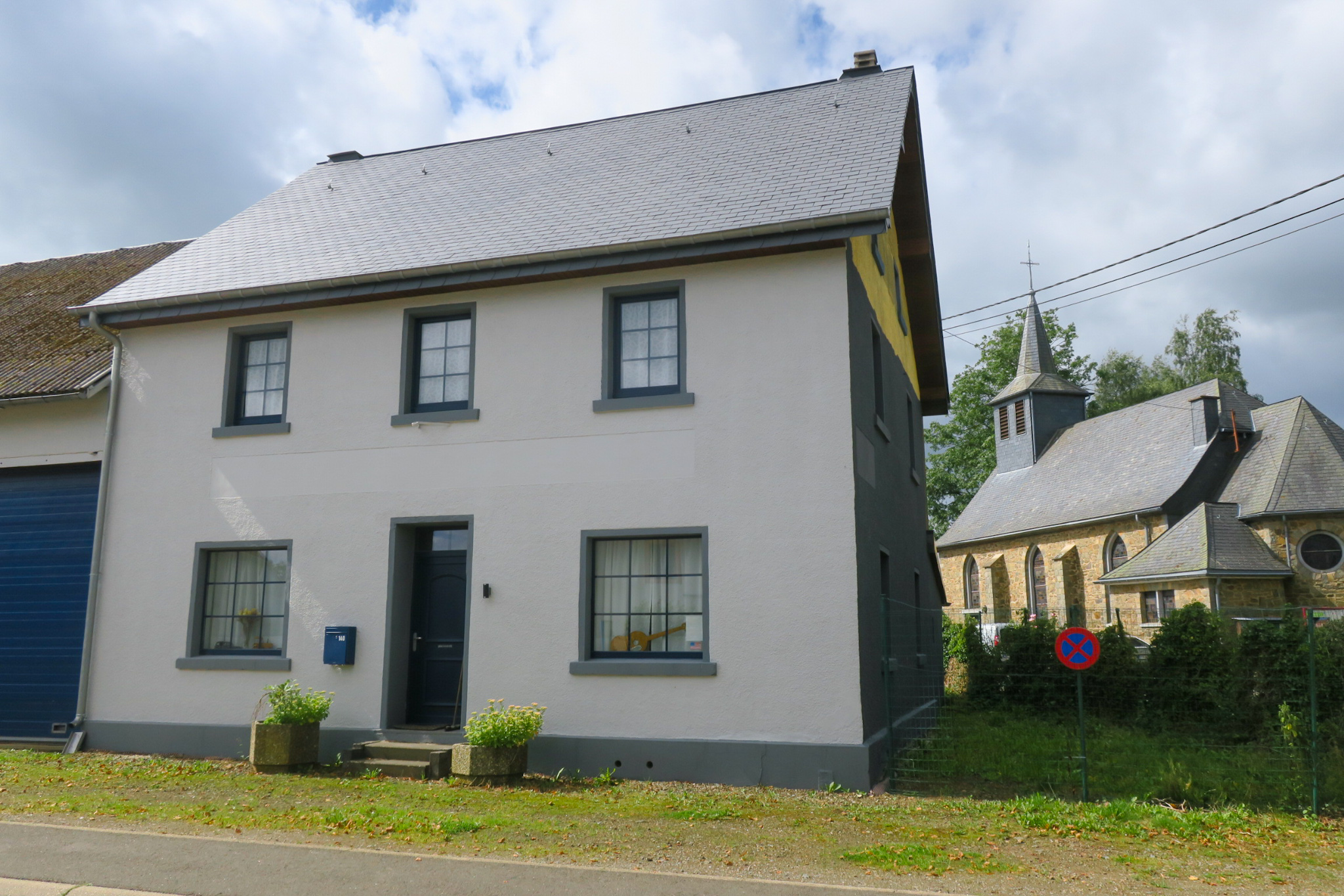
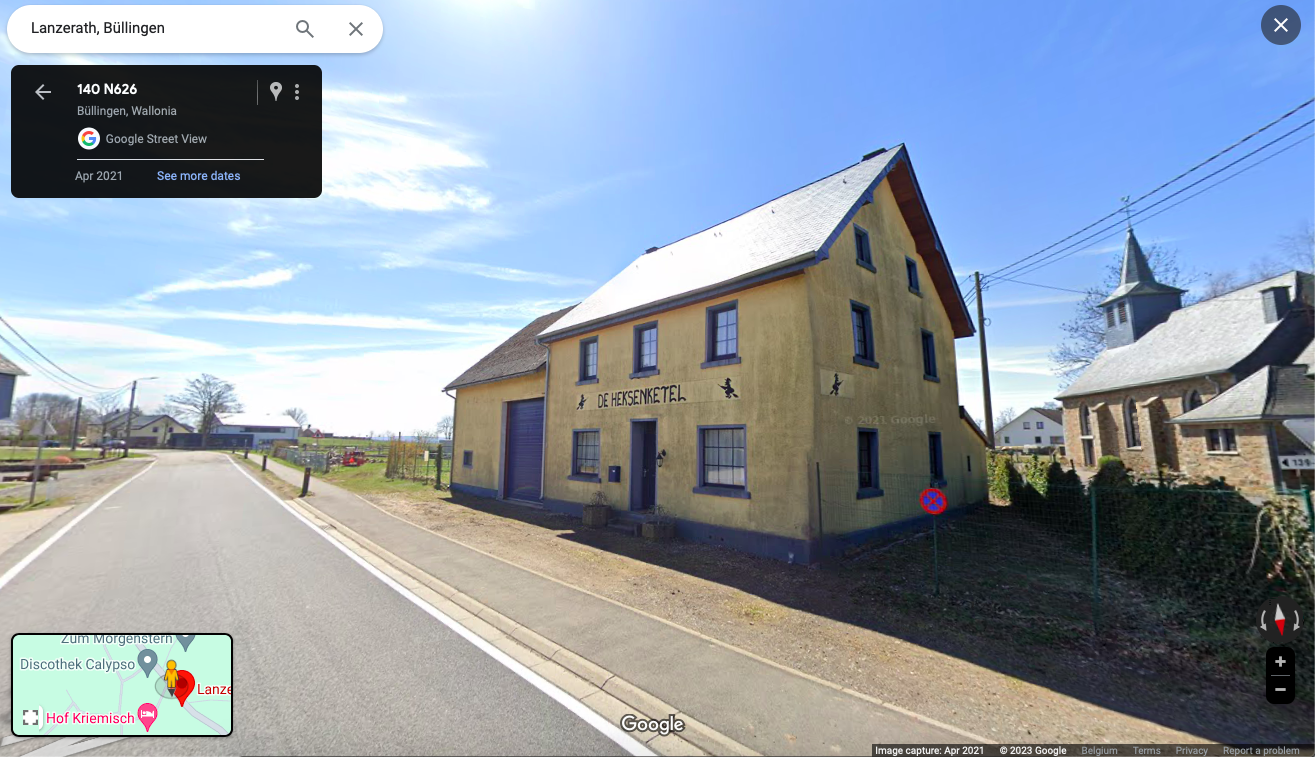
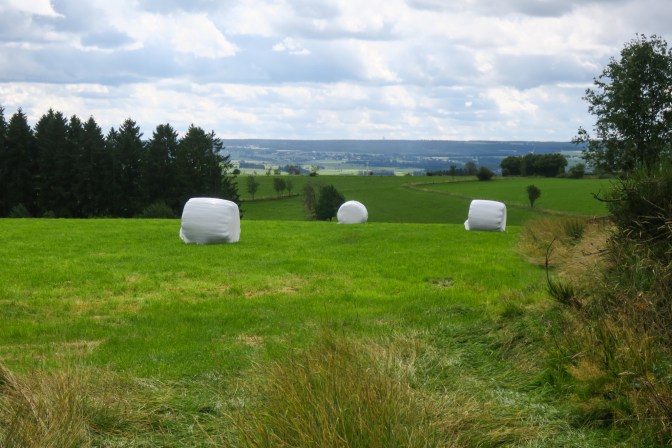
From the cafe, the hike heads past a farm with a gorgeous view and towards a curious memorial stone hidden at the far corner of the field at the edge of the forest.
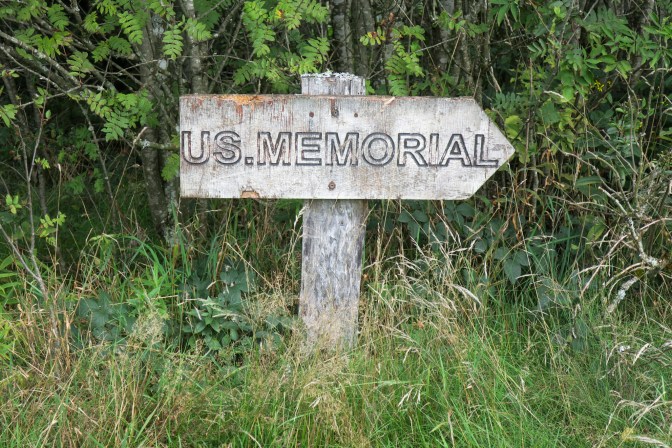
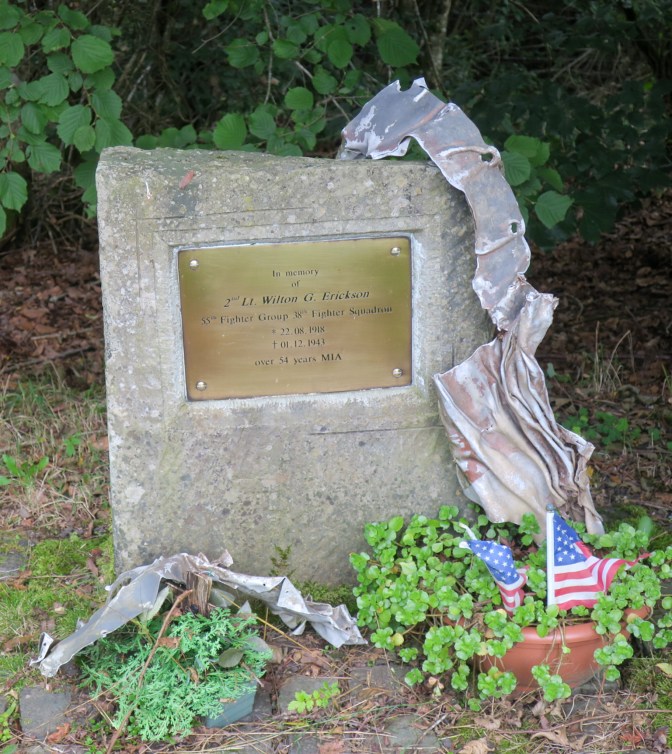
Memorial to 2nd Lt. Wilton G. Erickson
I couldn’t find much information about this memorial, but he was marked as MIA in 1943. It seems that his remains were eventually found on this spot. He did not take part in the Battle of Lanzerath Ridge.
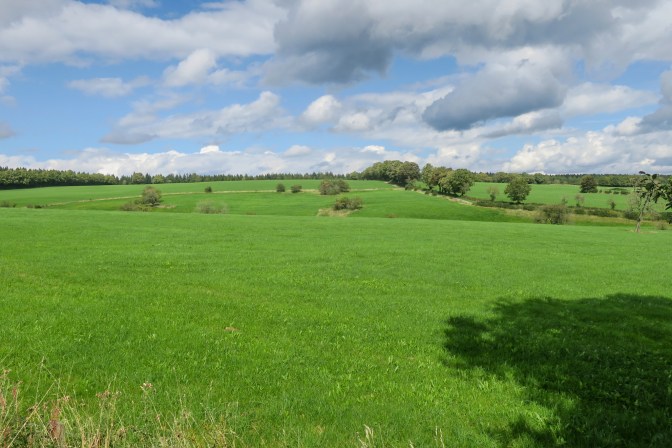
After the memorial it is a peaceful and beautiful walk through the surrounding forest and fields.


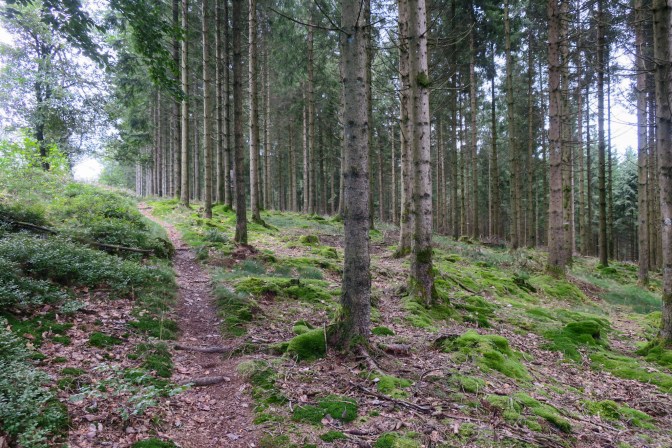
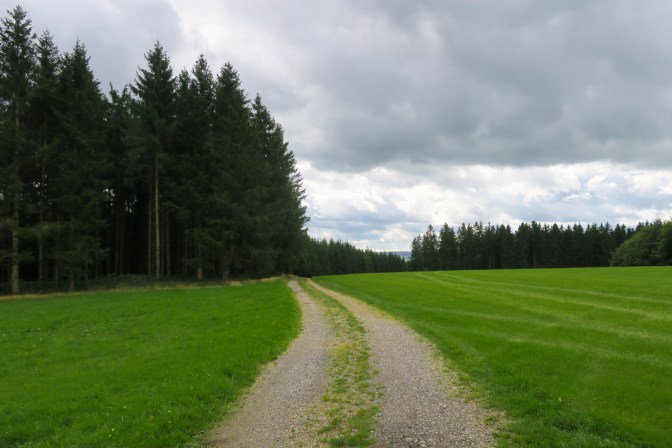

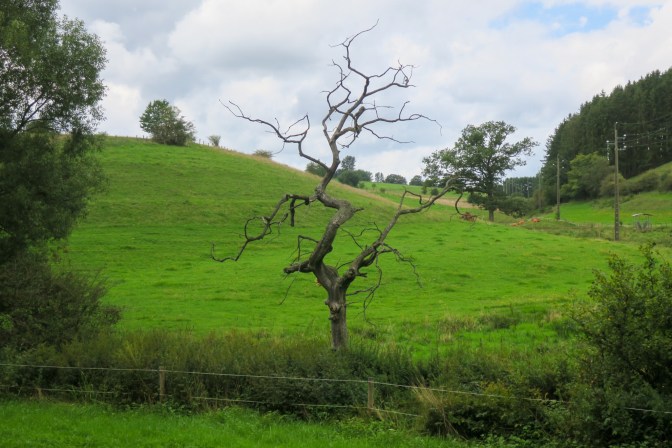
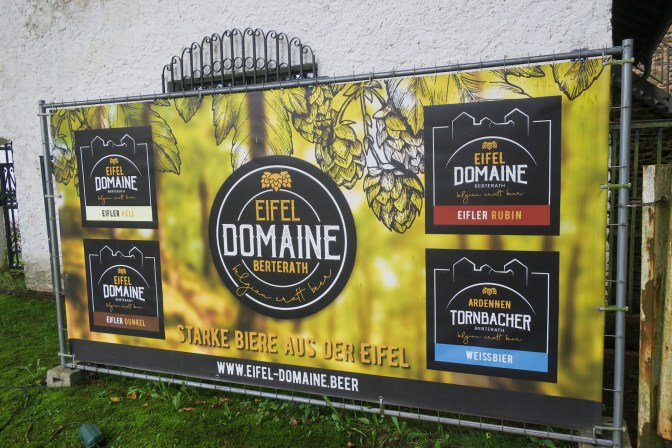
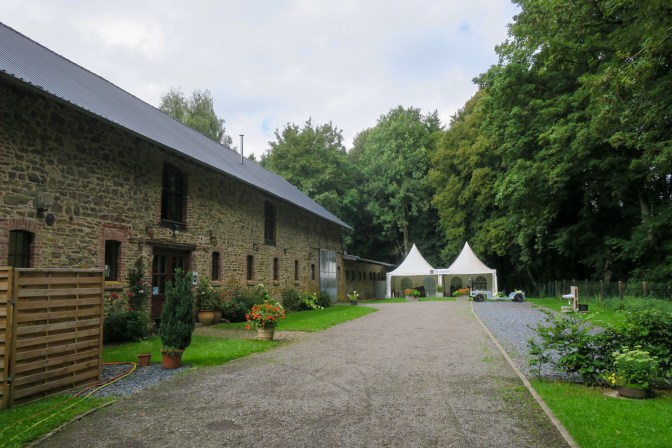
The southern-most point of the hike reaches the village of Berterath and the only brewery on the hike.
Brauerei Eifel Domaine Berterath
This part of Belgium is German-speaking so it is natural that the brewery specializes in German-style beers such as Helles, Dunkel, and Hefeweizen. Unfortunately, they are infrequently open to the public, so I was not able to try the beer.
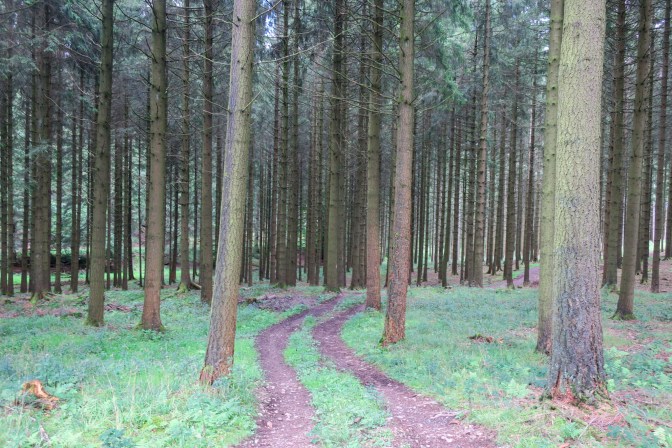
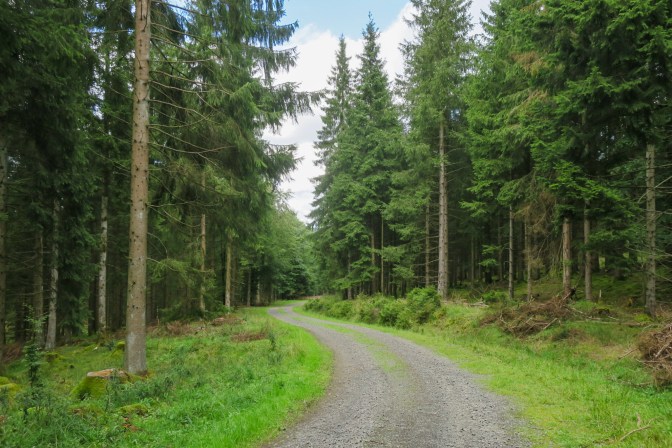
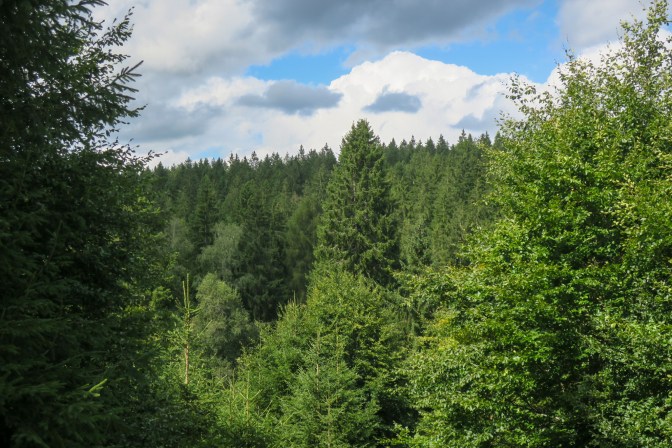
Foxholes & Bomb Craters (???)
According to Google Maps, at this location are foxholes and bomb craters. However if they are here, their shape is quite well hidden. I couldn’t find anything distinctive and there were no signs.
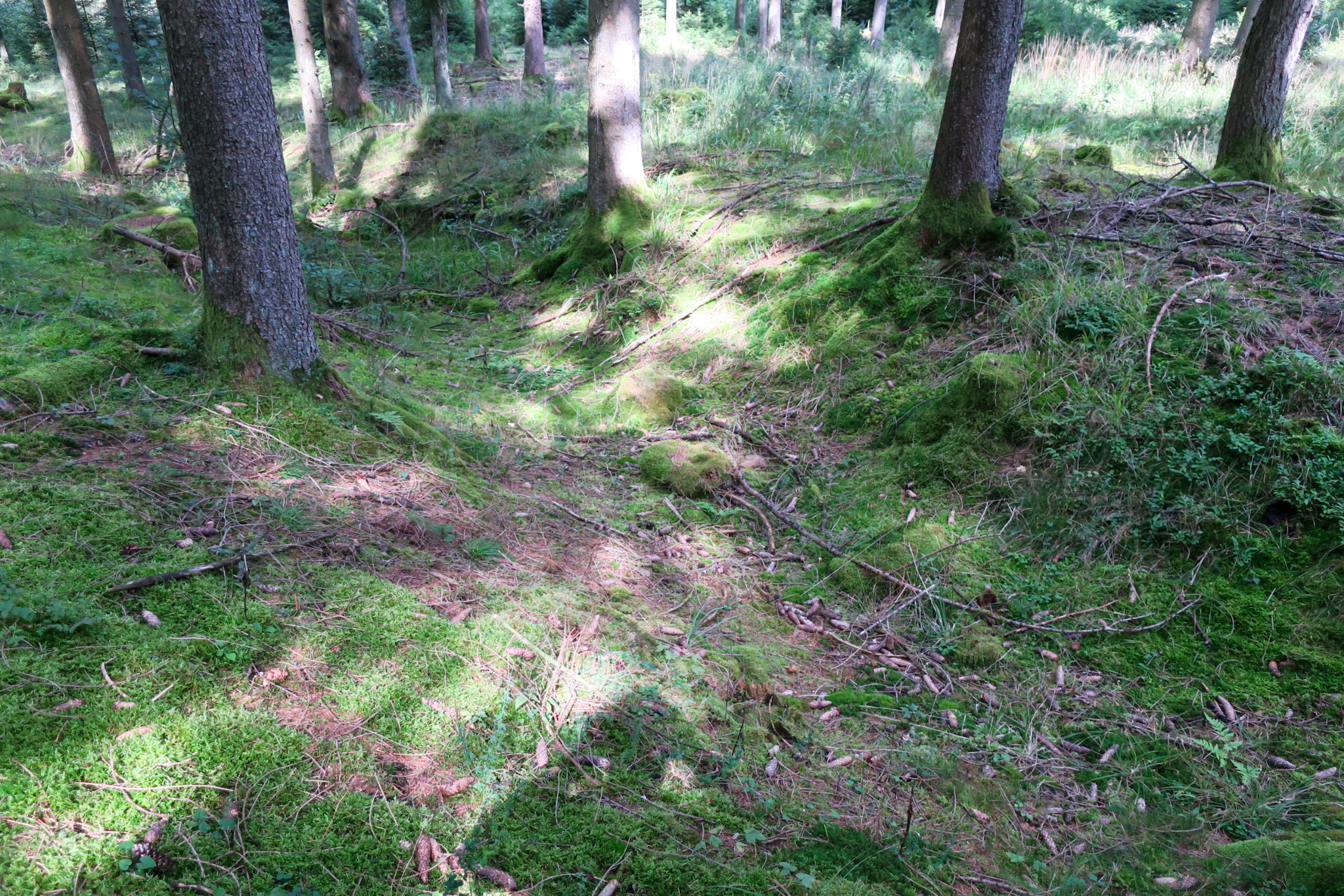
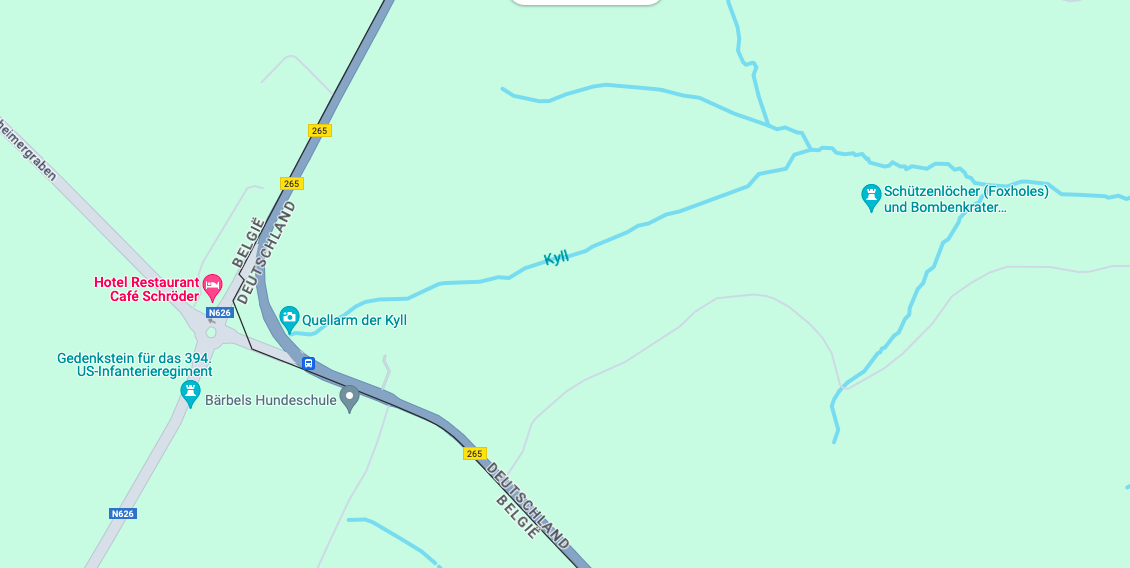
The result of going off-road looking for the foxholes was a bonus scenic walk through the forest. However, it comes out at the back of private property, so it is necessary to do a little bushwhacking to find another trail leading out to a public road.

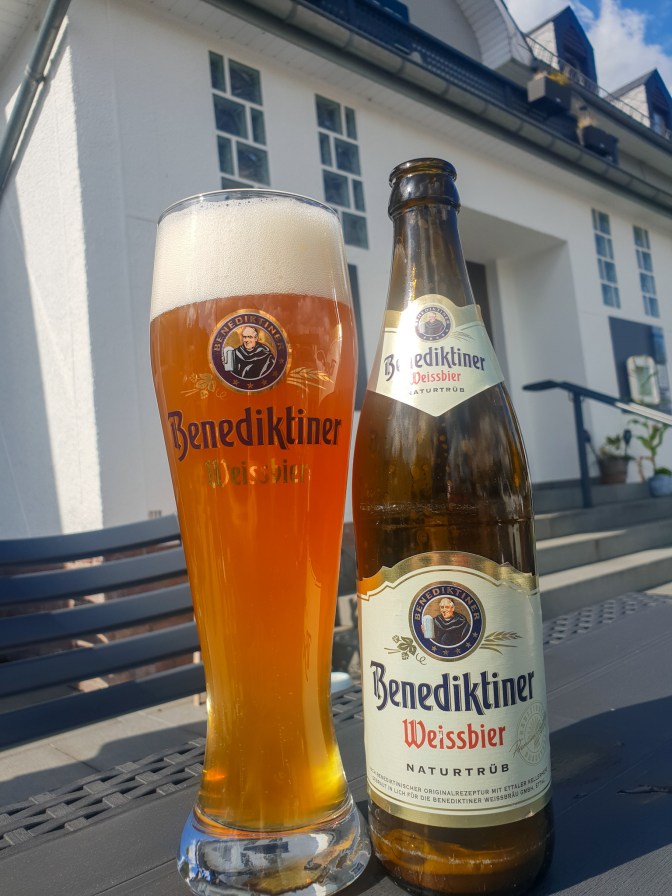
Along a short stretch of busy road, you come back into Belgium to a crossroads where we find the only restaurant on the entire hike, Hotel Schröder. No special beers, but a Benediktiner Weissbier outdoors in the sunshine was a nice break.
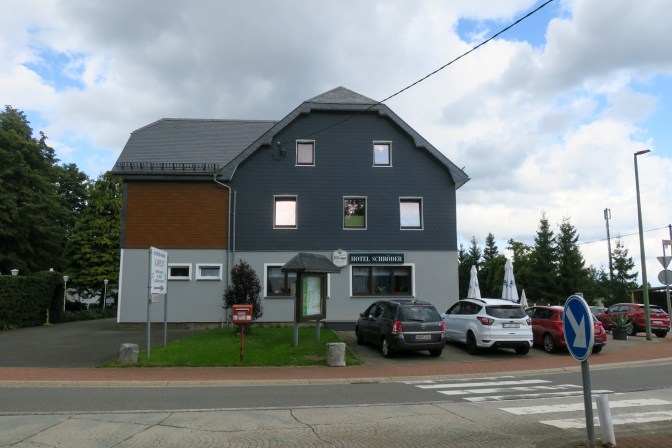
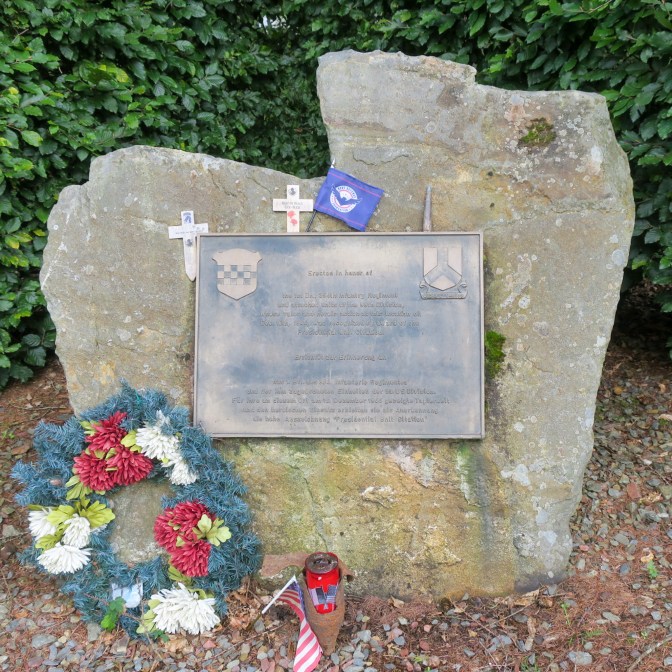
Memorial to the 394th Infantry Regiment, 99th Division
Near this crossroads is also the memorial to the platoon featured in The Longest Winter.
The hike then heads back into the forest and loops back around towards Lanzerath.

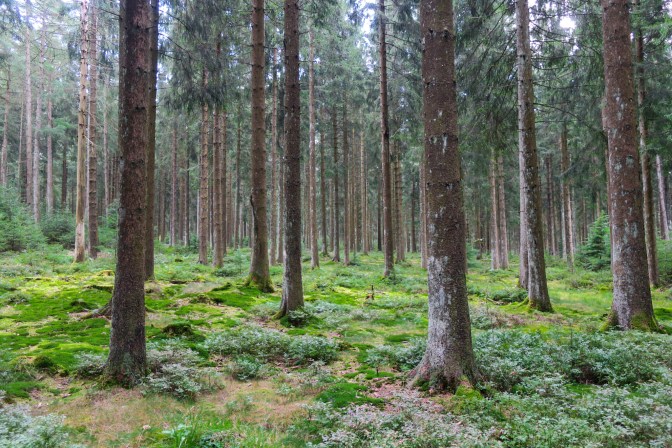
I cannot walk through these forests without imagining the mechanical growl of Panzer and Tiger tanks mixed with the smell of diesel fuel.
Lanzerath Ridge
Right about here is the point at the top of the aerial photo looking south.
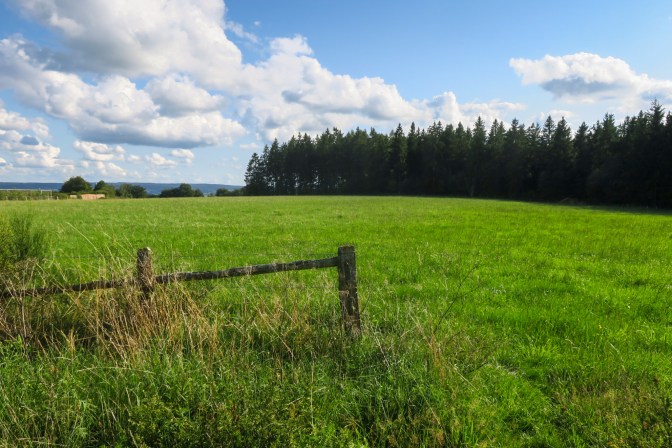
Following the route marked by the blue line in the aerial photo, you reach the main memorial to this battle.
Battlefield Memorial to the I&R platoon
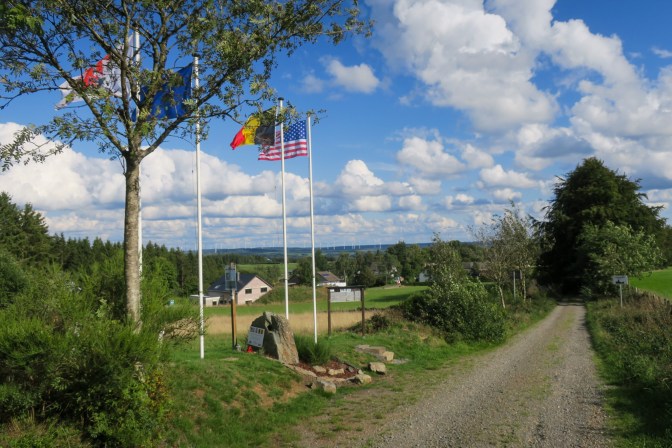
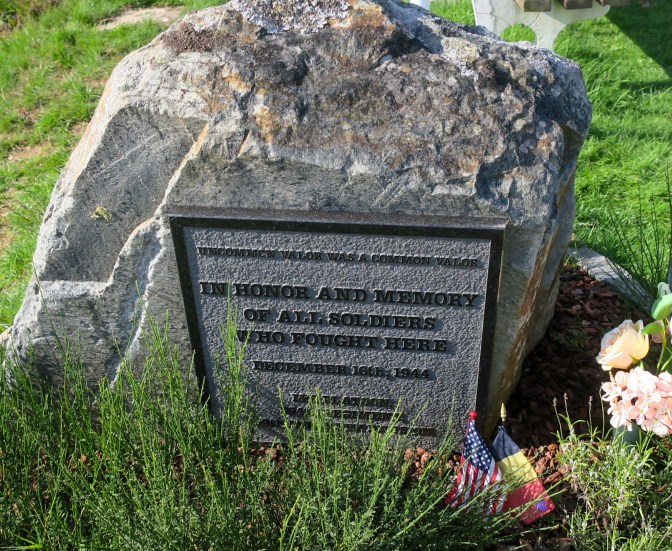
Final Words
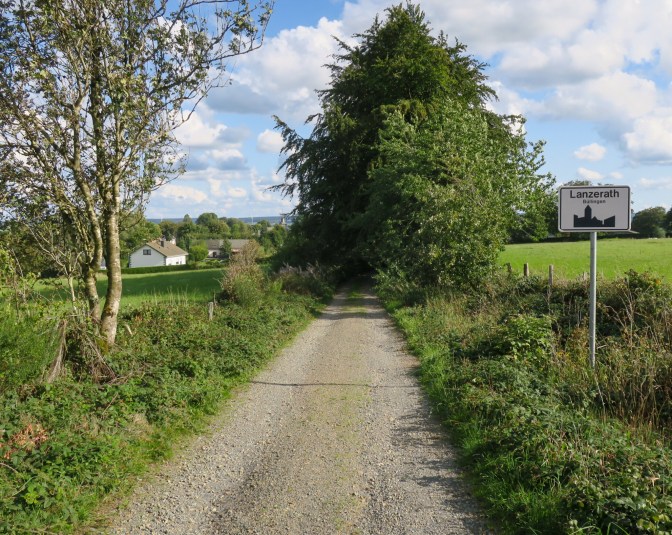
The eighteen men of the platoon remarkably inflicted somewhere between 400 and 500 German casualties during the battle. After they were captured, they ended up divided and sent to four POW camps around Germany, some as far away as Moosburg near Munich. The journeys to these POW camps were as excruciating as the camps themselves. They were sometimes emprisoned and cramped for days inside freight cars, starving and suffering in their own filth while praying that none of the bombs dropping from their own Air Force would land on them. Every member of the platoon survived, but it wasn’t until 1981 that the platoon finally received recognition and were awarded medals by then President Jimmy Carter, making them the most decorated U.S. platoon in WWII. Today all that is left of this crucial act of heroism is a remote village, a couple modest stone memorials and the sound of flags flapping away in the wind in this quiet humble corner of Belgium. As much as you can try, there is no putting yourself in their shoes despite any effort of reflection. You only hope that their memory never fades away. With my pilgrimage done, I followed the old farm road the rest of the way to the village. And as usual, my mind drifted to special moments in life, things that were, things which shall be, and things that will never be again…


 itsabrewtifulworld
Super story! Beautiful looking hike!
LikeLiked by 1 person
Thank you, my friend!
LikeLike
Thank you my fellow Beer Hiking friend! Sorry for the late reply and Happy New Year of Prime Passages!
LikeLike