
Delft was a beer town…
A View of Delft by Anthony Bailey (2001)Silence
The work to which he had devoted his life, and for which he had died was never to be accomplished. The Netherlands, as he had known them, were never to be one nation. What he had done was to create a new State, the United Provinces of the coming century, the “Holland” of the future.
William the Silent by C.V. Wedgwood (1945)
Delft, July 10, 1584.
One-third of all craftspeople in Delft are brewers1.
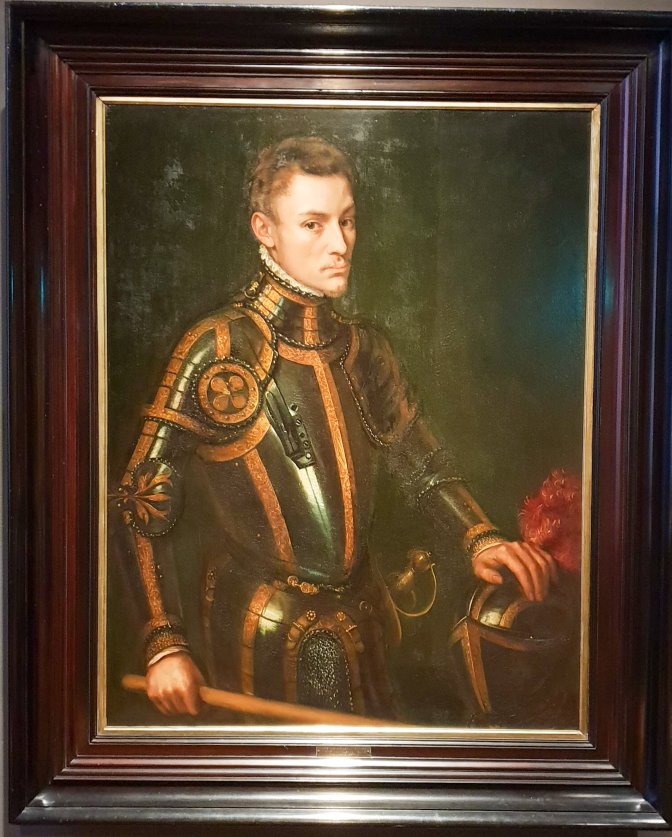
William, Prince of Orange, known as William the Silent, was attending to affairs in what is today known as the Prinsenhof. William was stadholder, the caretaker of the Dutch Republic, a unification of seven Dutch provinces. William founded this republic three years prior in 1581, declaring their independence from Spain. He was the Father of the Fatherland.
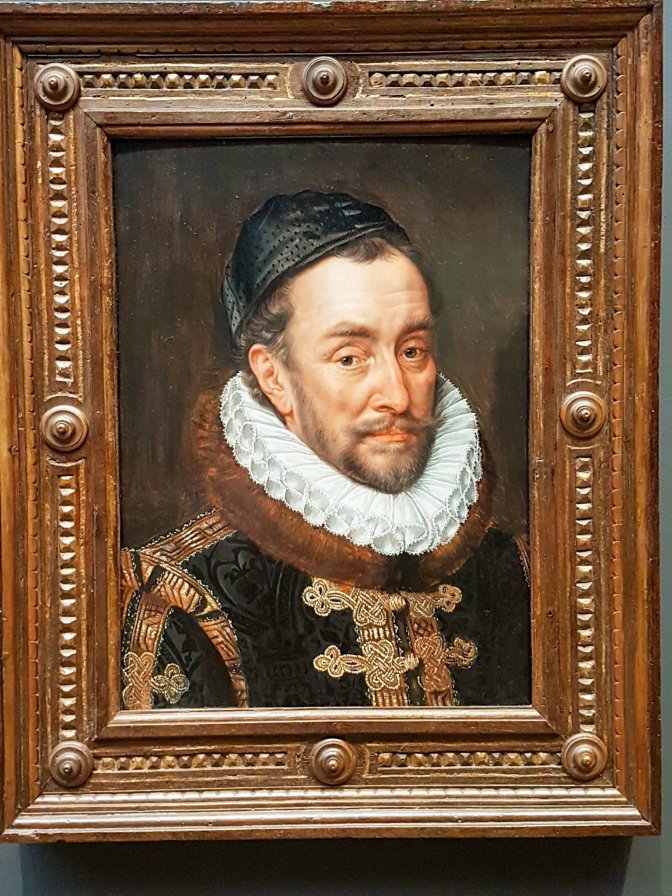
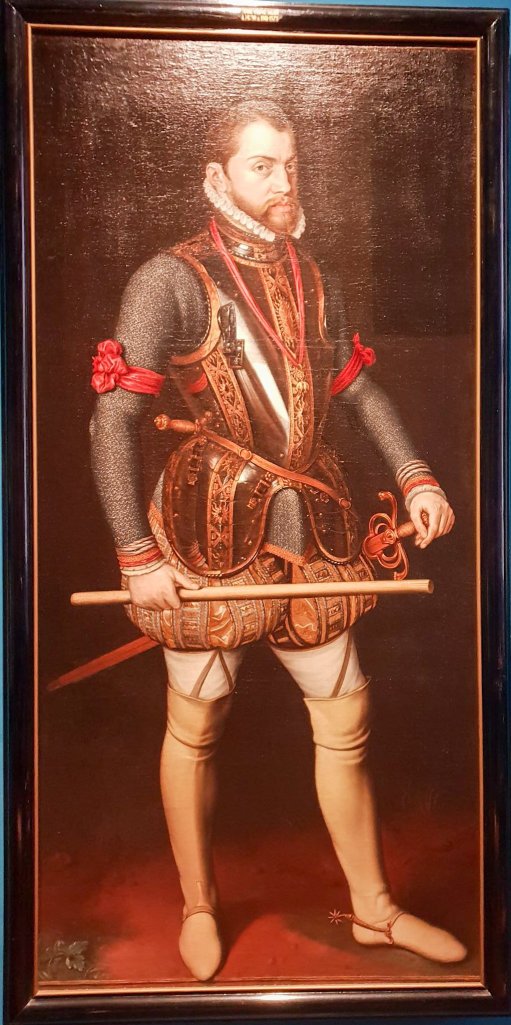
However, the true Netherlands in the heart of William the Silent included all the Low Countries, the northern provinces which are today The Netherlands and the southern provinces which make up Belgium and Luxembourg. In 1576, Spain ruled all of them; the Spain of the Spanish Inquisition, the Catholic scourge of Protestantism. In 1576, under the leadership of William the Silent, the Dutch provinces revolted and managed to secure a treaty called the Pacification of Ghent, which was a truce/amnesty but did not give them outright independence. The southern provinces were dominated by the French-speaking Walloons who chose Catholicism and remained under Spanish influence. Meanwhile, the United Provinces were predominantly Protestant. This cultural boundary would essentially define the future border between Belgium and the Netherlands.
All of the progress William made in the last eight years came to a sudden halt on that July day after dinner. The man who had broken the Dutch provinces free from the clutches of the Habsburg Empire and the rule of Philip II of Spain lay in his vestibule at the foot of a stairwell. Dead from bullets shot at close range with such authority that they passed right through him and scarred the opposite wall. To this day, those bulletholes still exist, freezing in time the moment that the Netherlands was thrust into an uncertain future without its visionary leader.
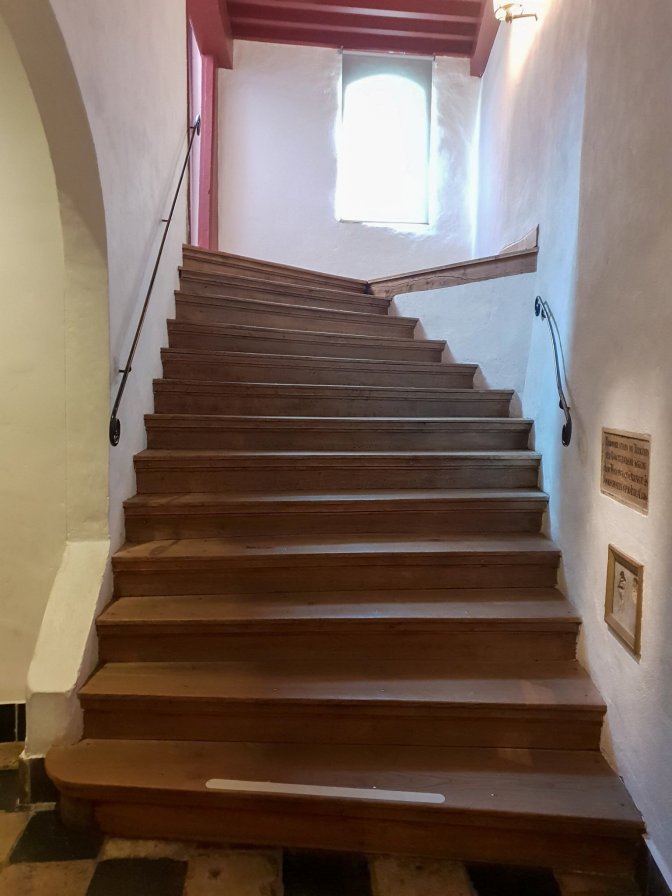
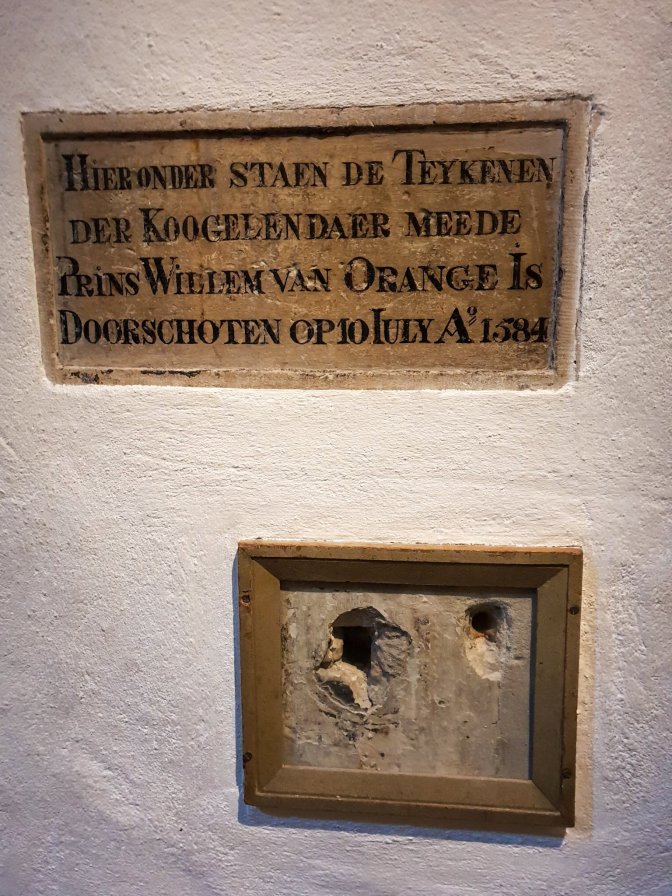
The Prinsenhof is one of the most memorable museums of its kind that I have found in Europe. If you really want to understand how the Netherlands came to be, this is a great place to start. I have had a book about William the Silent for around 15 years. I can’t even remember where I bought it. It was old, about the Netherlands, and then it sat on my shelf. There is a certain feeling of destiny, a book patiently waiting for its time.
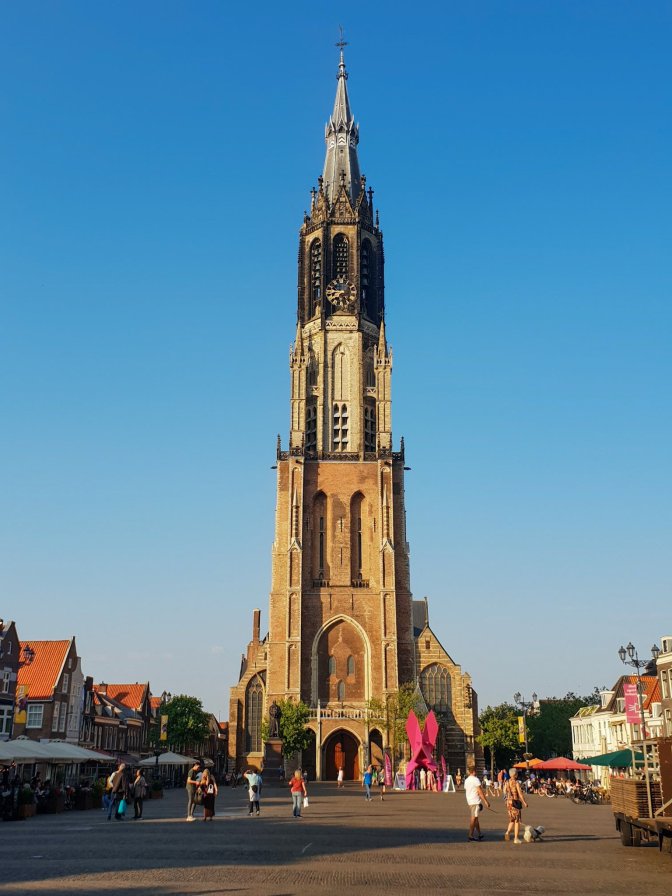
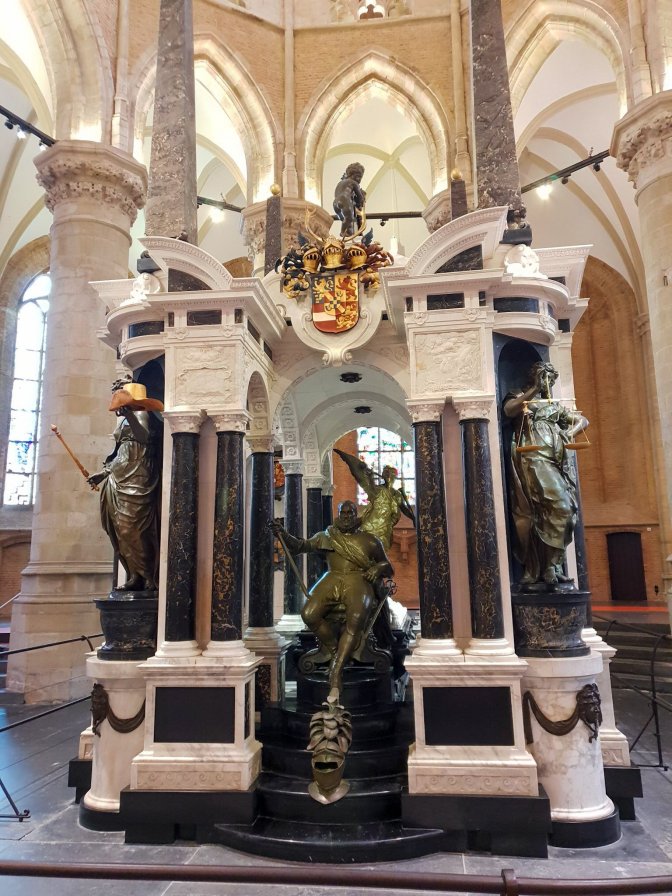
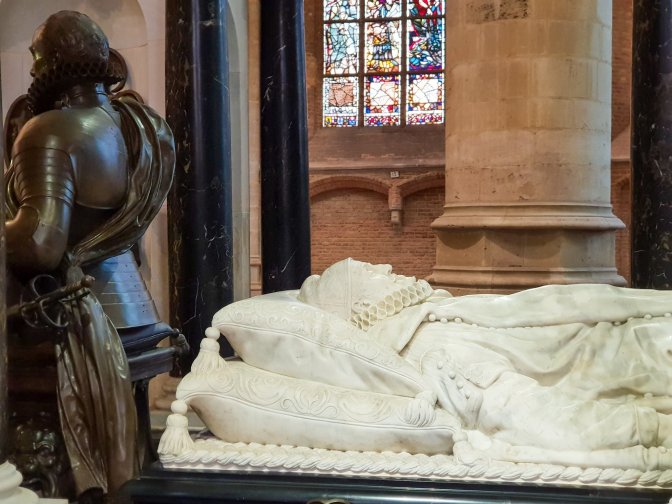
Aside from the murder site, the Prinsenhof houses an exhibit containing some great portrait art which takes you thru William’s rise and final years. There is also a modest collection of Dutch masters to enjoy at the end. The tomb and memorial of William the Silent is located in the Nieuwe Kerk on the Grote Markt.
William the Silent Slideshow:
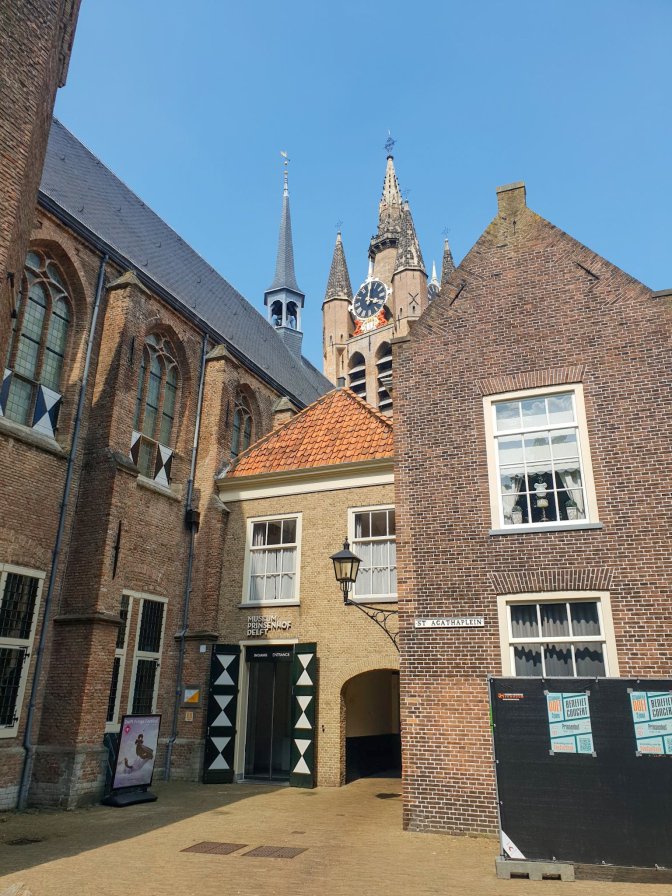
- The Prinsenhof entrance
- Portrait of William the Silent at age 22
- Portrait of Philip II of Spain
- Nieuwe Kerk exterior
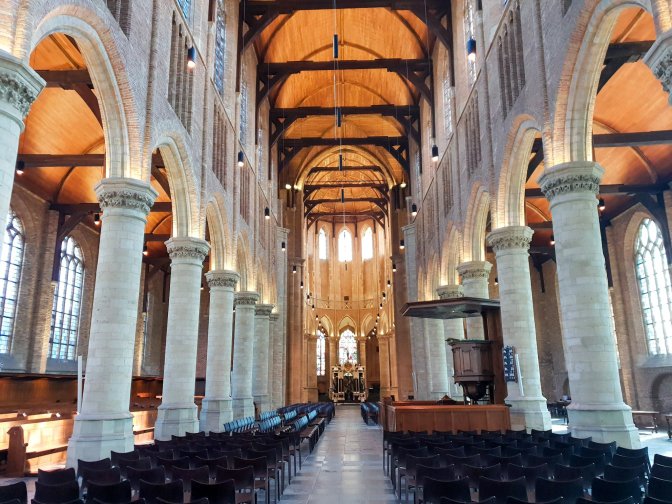
- Nieuwe Kerk interior
- Memorial to William the Silent
- Memorial to William the Silent
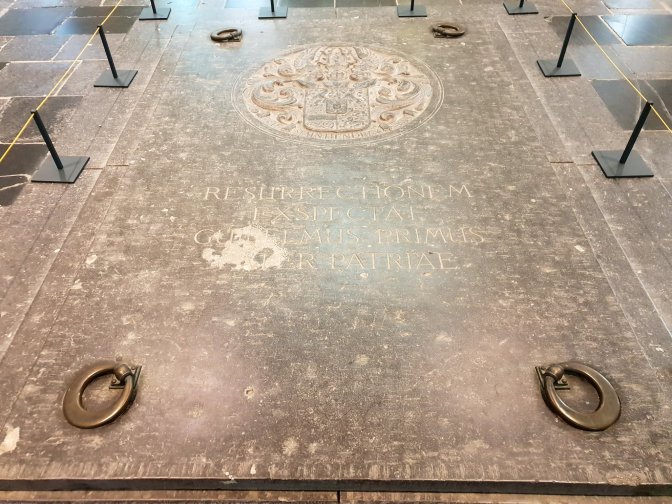
- Tomb of William the Silent
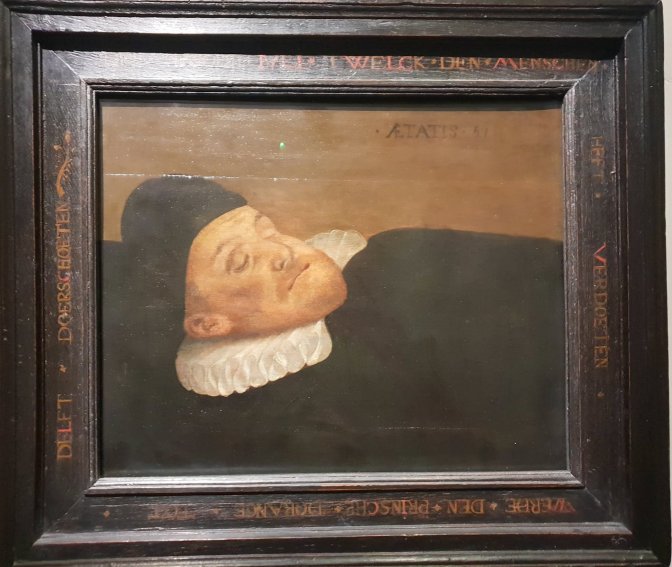
- William the Silent Deathbed Portrait by Christiaen Jansz (1584)
Light & Sound
Meanwhile also in 1584, Antwerp was under siege from the Spanish. At the time, Antwerp was still the largest Dutch city. The siege lasted until 1585, when the Dutch were forced to surrender. Under the terms, any Antwerp citizen who wanted to leave was allowed time to evacuate and move north. The in-flux of refugees from Antwerp to the Dutch Republic included many famous painters such as my personal favorite, Frans Hals. Amsterdam quickly benefitted from all the new talent and became the richest city in Europe. The Dutch Golden Age was born.
Another of the refugees from Antwerp was less famous; a woman named Digna Balthens. Digna would move to Delft, get married, and become an innkeeper along with her husband Reynier Janszoon. They called the inn The Flying Fox. Years later they would trade it in for an even bigger inn called Mechelen. In 1632, they did what most couples would do in those days. Give birth to a Great Master.
We know him as Johannes (or Jan) Vermeer.
Vermeer is one of the more elusive masters of classic art. Not much is known about his life, and the number of paintings attributed to him is less than 40. When Vermeer was 21, he joined the Guild of St. Luke in Delft for painters. Within a year of joining, a gunpowder warehouse exploded, destroying a large section of the city and killing his mentor, Karel Fabritius. This is the great Delft Thunderclap. The Prinsenhof contains a couple paintings of the Thunderclap (not by Vermeer).
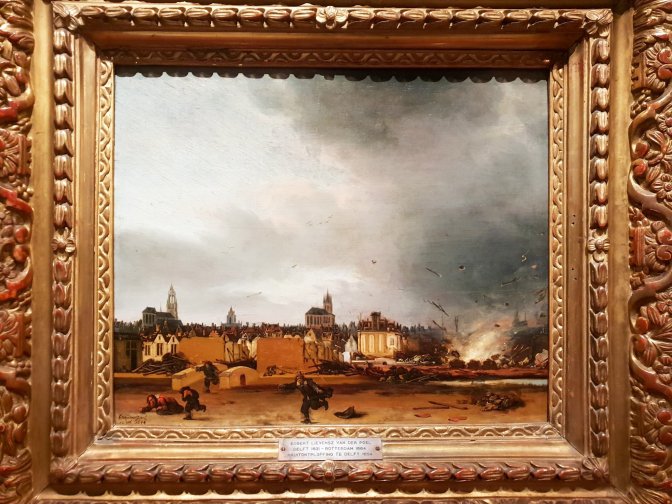
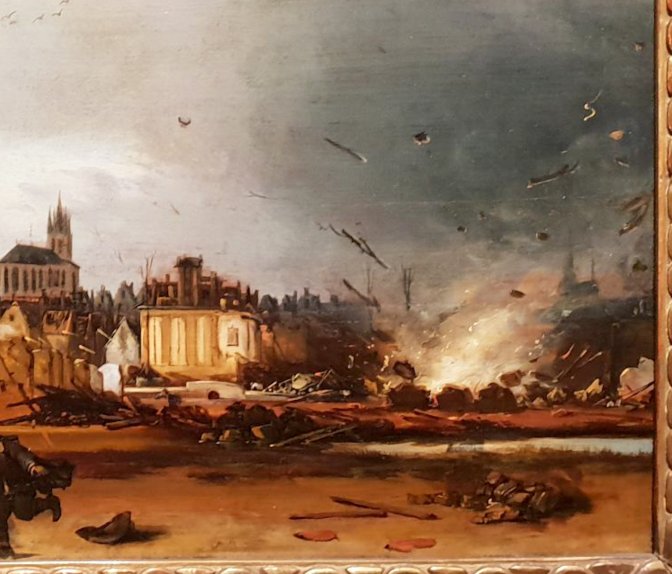
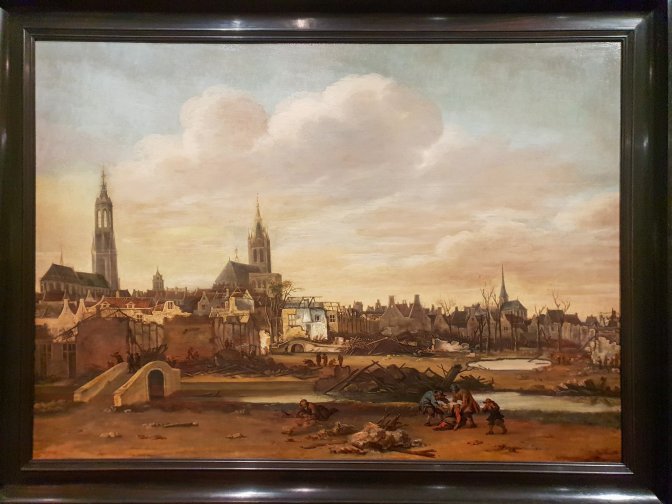
Vermeer seemed not to be disillusioned by this travesty which killed more than 100 people. He became a master of light and shadow and of subtle grace. His scenes were peaceful and had an understated amount of symbolism. In fact, many of his works are known for objects which he painted over, perhaps to simply keep them from being too obvious, lending them some ambiguity. I think in the sensory overload of our digital world, many of us just want to find ourselves in a Vermeer scene. Their softly lit hushed tranquillity doesn’t exist in our world.
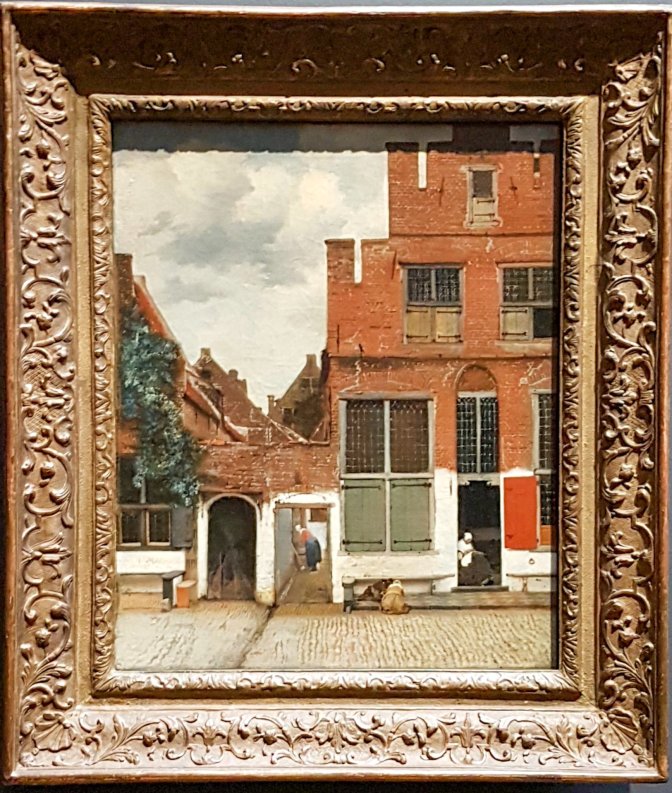
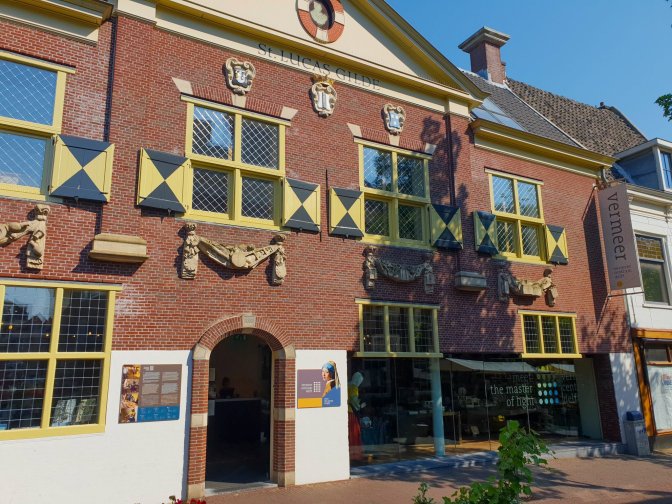
Unfortunately, while you can visit the former Guild of St. Luke, which is today the Vermeer museum, you won’t see any original Vermeer paintings in Delft. Two of his most famous works give provocative views of Delft, A View of Delft (Mauritshuis, The Hague) and The Little Street (Rijksmuseum, Amsterdam). The viewpoint for A View of Delft can be visited today, although with a more modern skyline. It is also believed that Vermeer painted it from higher up in an apartment building, while you will be at street level.
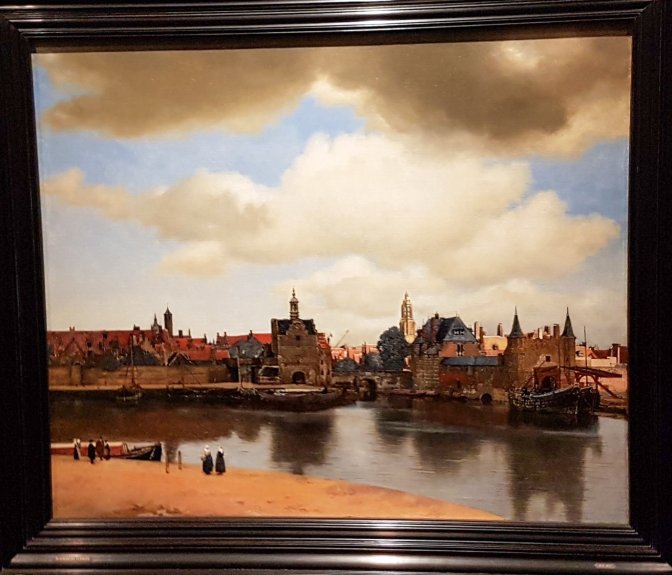
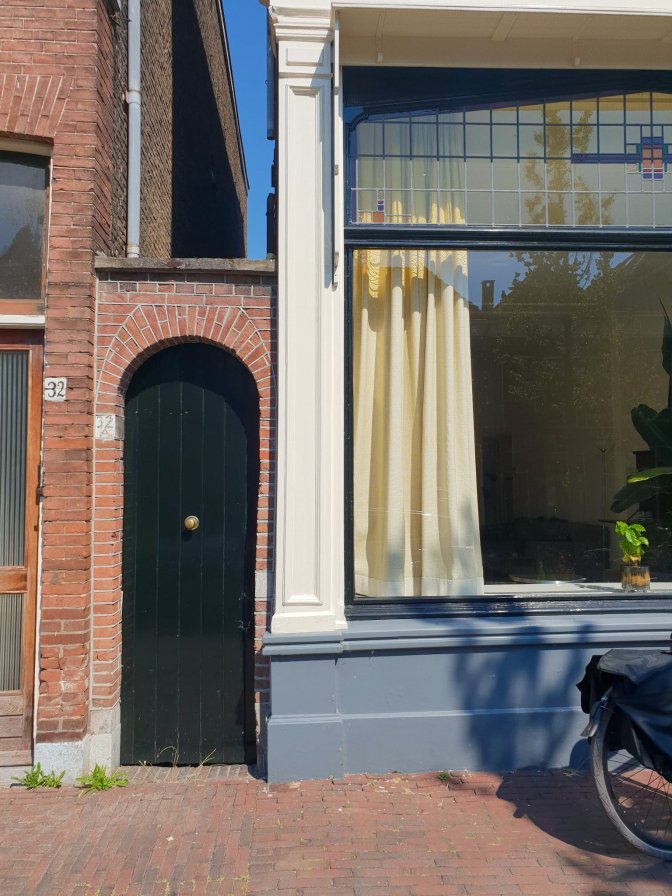
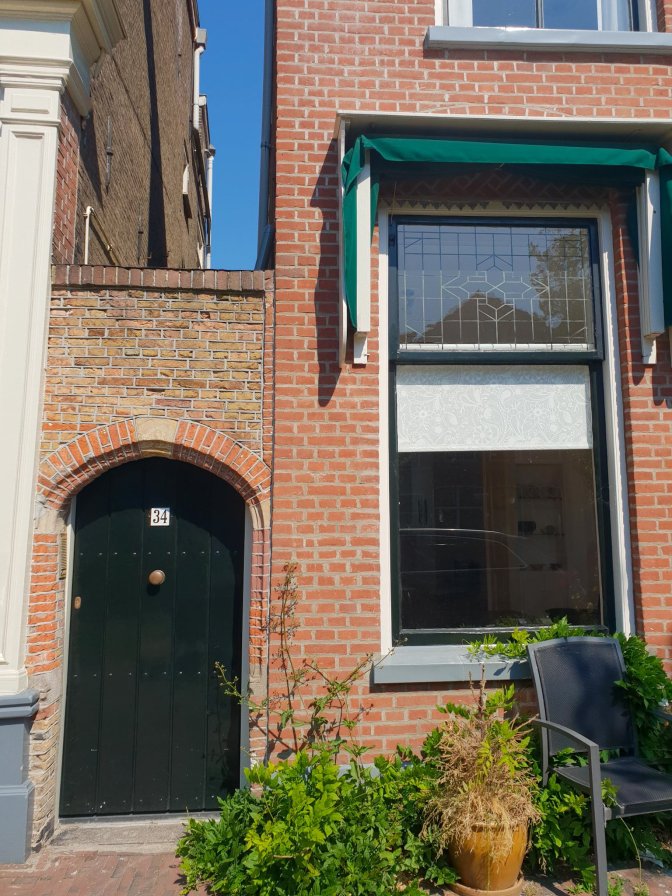
The Little Street, however, remains a mystery. There are many candidates and I admit to being nerdy enough to look for them as I strolled around the canals. There are a couple on Vlamingstraat. But the characteristic which is always missing and most intriguing is the small alley between the arched doorway and the house.
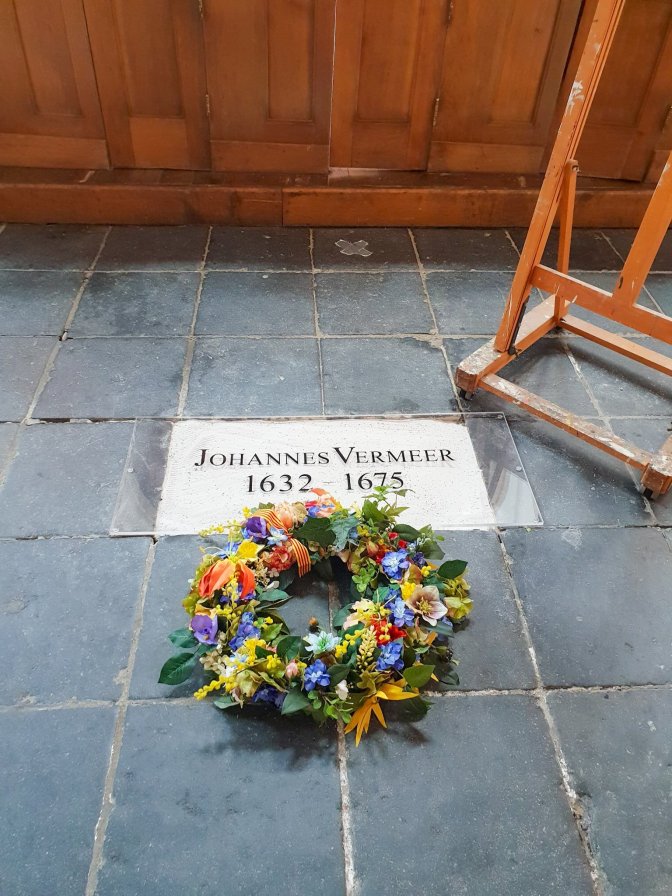
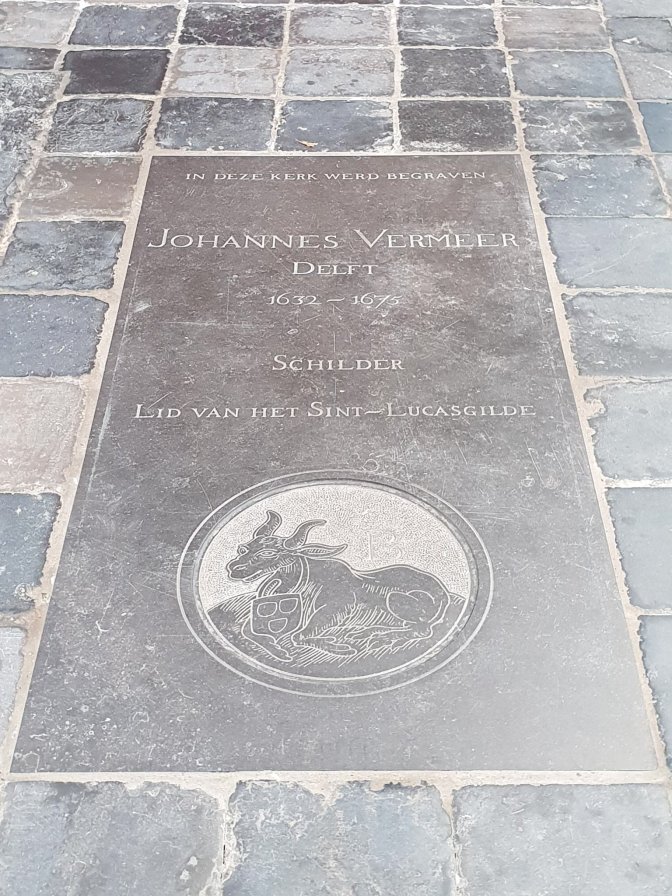
Vermeer never lived to see the Dutch Republic come to be. He died suddenly in 1575. His tomb can be visited at the Oude Kerk.
Vermeer Slideshow:
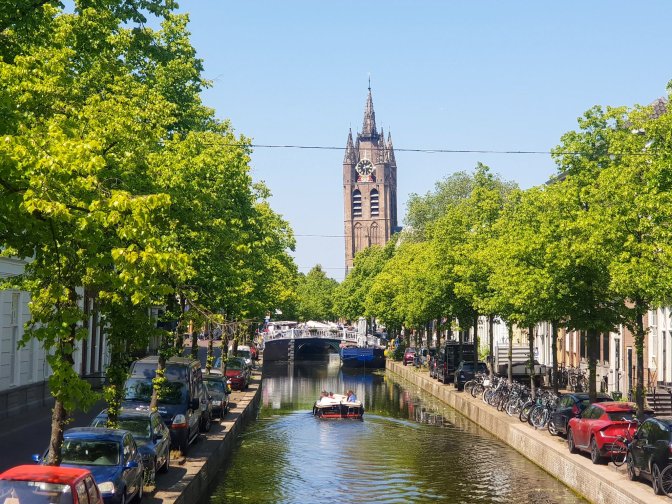
- Oude Kerk viewed from Oude Delft canal.
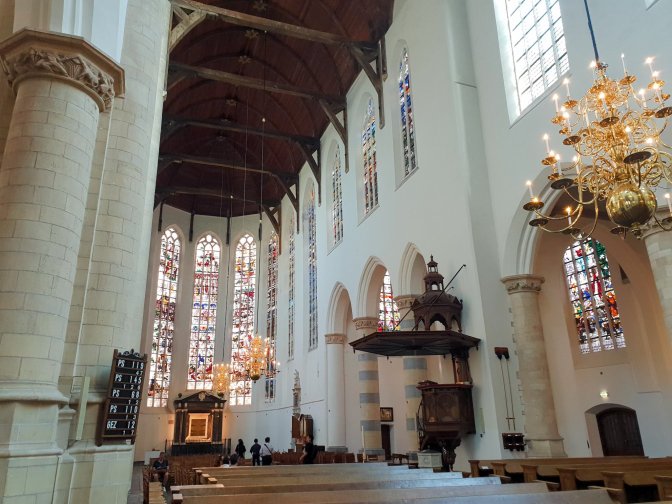
- Oude Kerk interior
- Tomb of Johannes Vermeer
- Memorial of Johannes Vermeer
- Guild of St. Luke (Vermeer Museum)
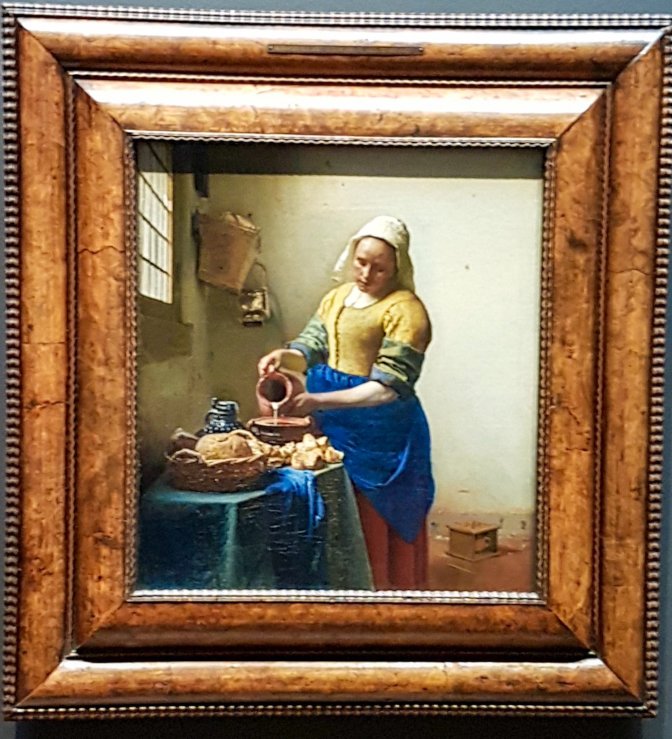
- The Milkmaid by Vermeer (Rijksmuseum, Amsterdam)
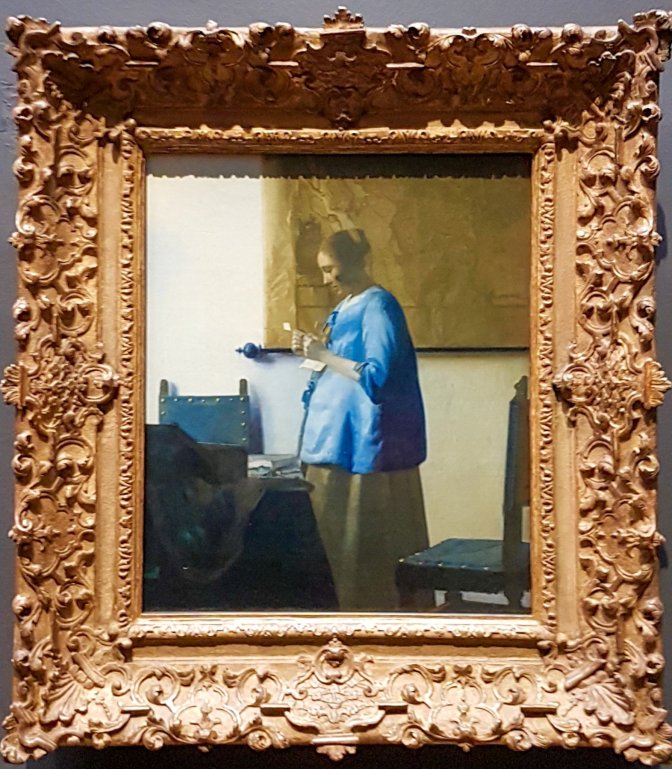
- Woman Reading a Letter by Vermeer (Rijksmuseum, Amsterdam)
Sights
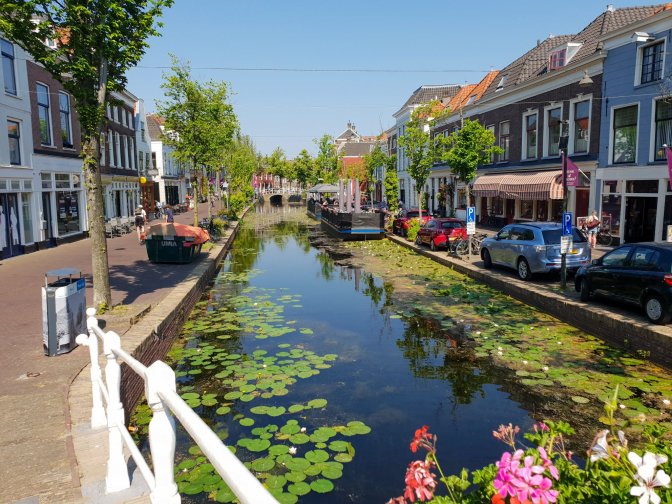
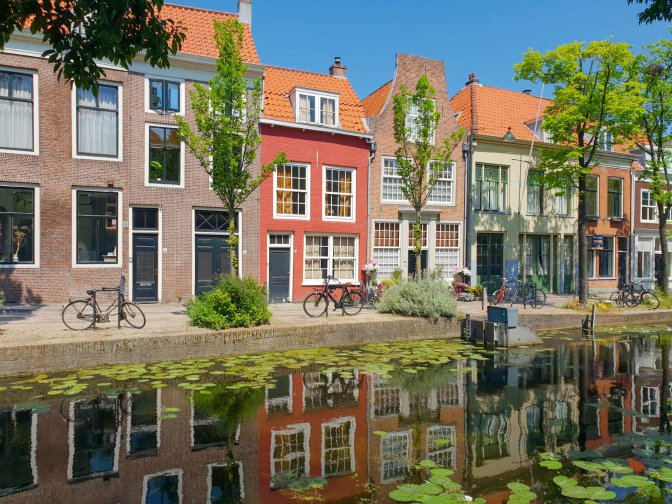
William the Silent, The Thunderclap, and Vermeer are plenty to occupy your mind while exploring the beer culture of Delft (which we are getting to, I promise). Like most Dutch cities, Delft is a joy to explore by foot, meandering along the canals, passing over bridges just for the sake of passing over bridges. At first glance, many of the canals seem coated in stagnant filth, but upon closer inspection, it was just a trick of the eyes. Lilypads blanket several of the canals and once the eyes adjust, they add an exotic, colorful touch to the quaint streetscapes.
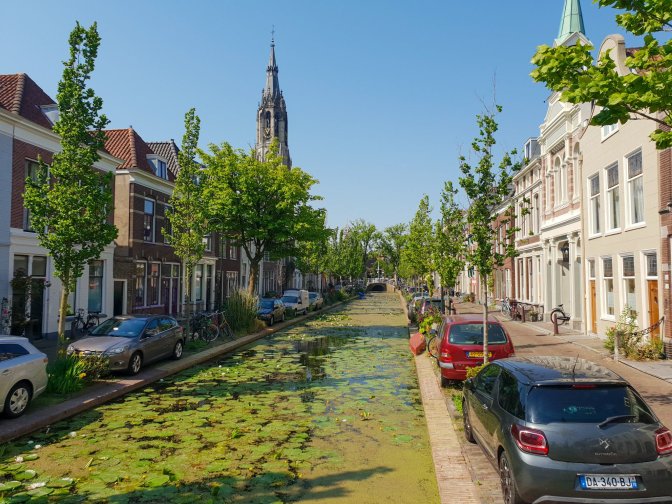

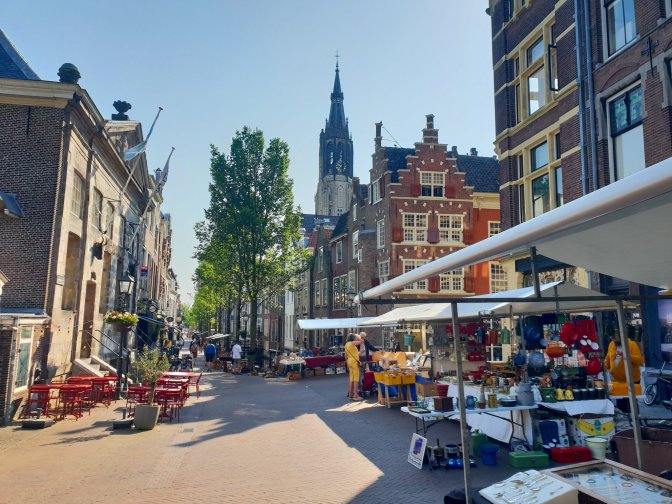
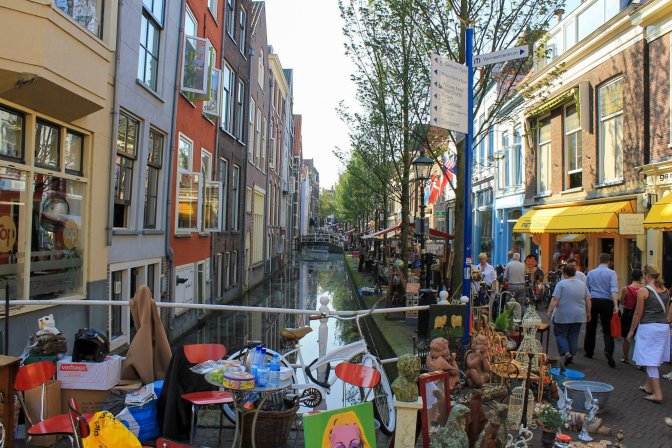
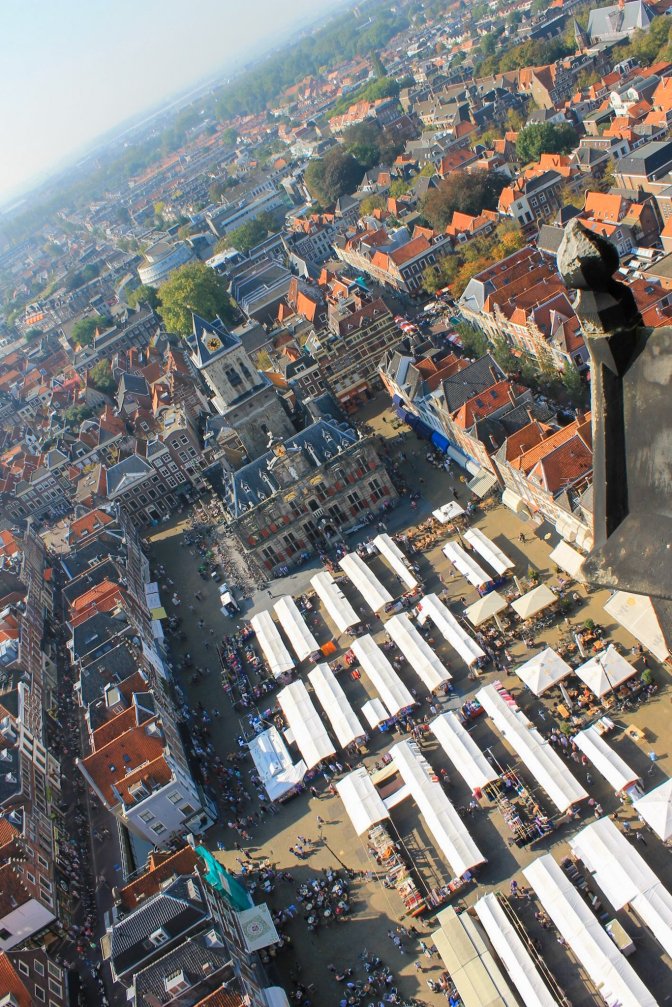
Delft has one of the nicest street markets on Saturday that I have experienced. The canals around the Markt are lined with antique stands and crafts.
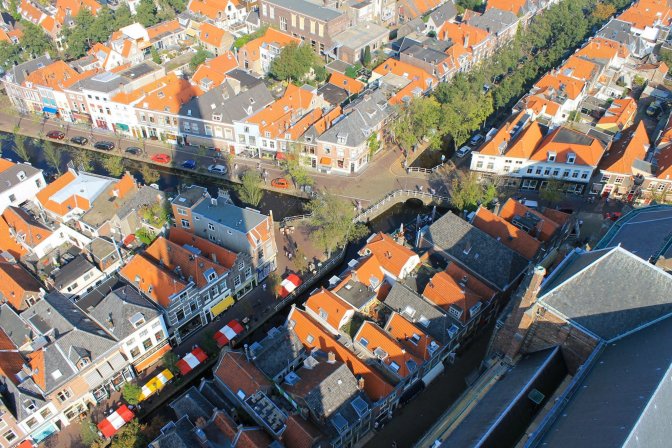
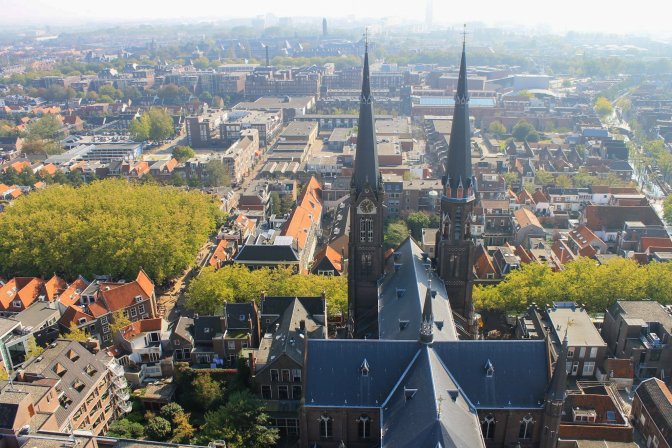
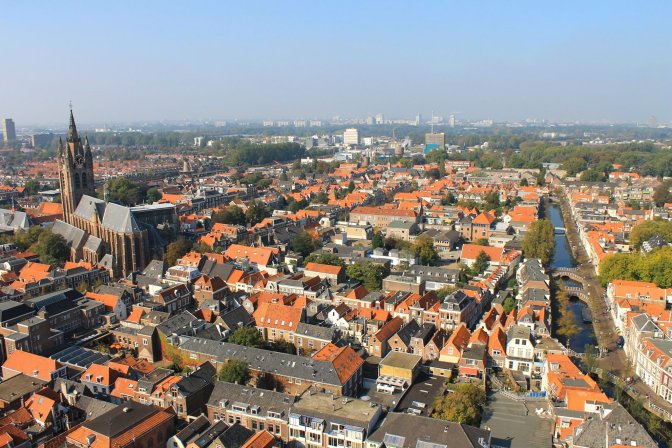
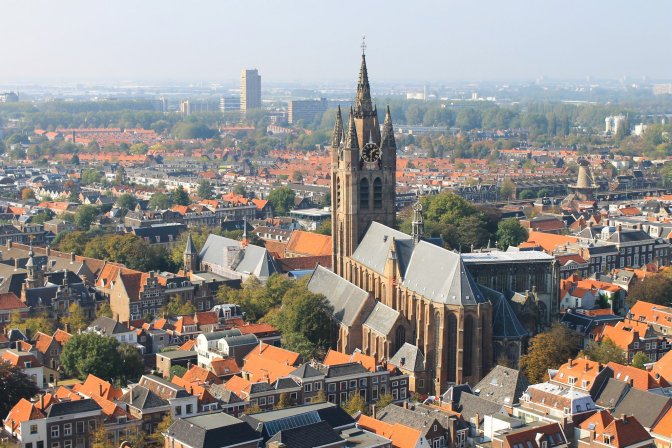
Finally, for a great birds-eye view of the city, climb the tower of the Nieuwe Kerk. Find the photo in the slideshow showing the canal running north and south and the Oude Kerk on the far left. The explosion of the Thunderclap basically levelled most of what you see on the eastside of the canal.
There was one famous thing about Delft that I didn’t occupy my time with. I cannot explain it better than this passage in a classic travel book.
Nor did I visit the porcelain factory, having very little interest in its modern products… I would rather have explored any of those breweries than the modern Delft factory.
A Wanderer in Holland by E.V. Lucas (1905)
I couldn’t agree more. Let’s skip the blue-and-white tiles and get to the beer. Without further ado.
Brewtiful Delft
Delft beer was said to be as strong as wine… Yet the great age of Delft breweries had passed… in 1617… Delft had 300 breweries, certain enough for its 25000 people.
A View of Delft by Anthony Bailey (2001)
The author gives with tears a list of scores of breweries that ceased to exist between 1600 and 1640.
A Wanderer in Holland by E.V. Lucas (1905)
The Popinjay
The Great Bell
The White Lily
The Three Herrings
….
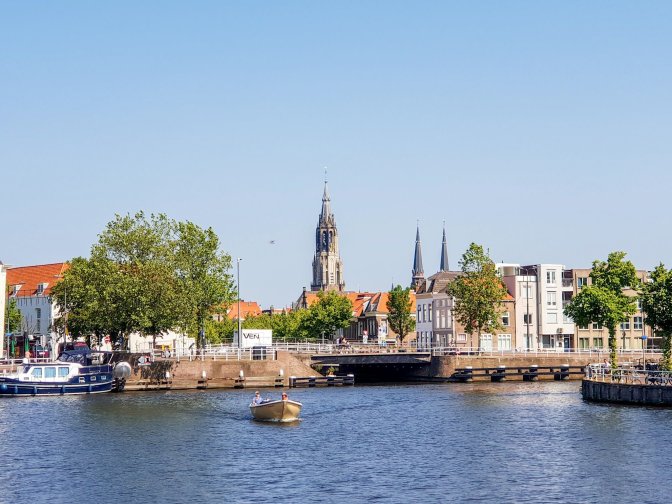
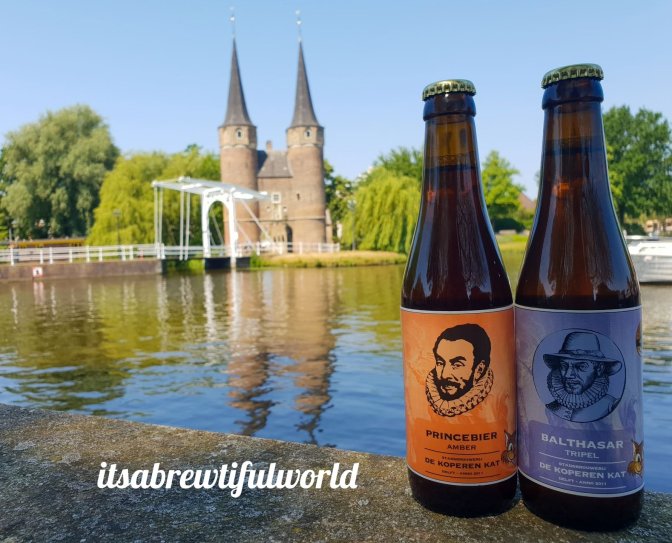
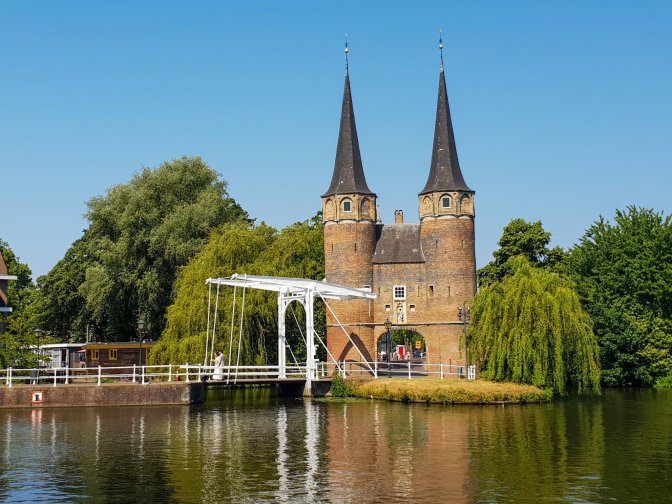
Delft has had close to 400 years to adapt to the changes in the brewing business. The number of breweries dwindled from 300 to about 15 during Vermeer’s lifetime due to growing competition from other towns and the rise in popularity of tea and coffee.. The city has managed to survive and has been called by Mary E. Waller in Through the Gates of the Netherlands (1909) as the “most Dutch of Dutch towns”. Nothing is more Dutch than a “wide swing bridge moored in the Singel Gracht hard by the famous East Gate” which marked the starting point of Ms. Waller’s tour of Delft. Here I decided to take the featured photo for this post.
During my visit I counted 3 breweries, although taprooms can be deceptive when they have brewing tanks on display. But let’s not split hairs.
Stadsbrouwerij De Koperen Kat
A 20-minute walk south of the city center, this is the city brewery of Delft. And to embrace this privilege, many of the beer names are linked with the city’s history. Of note, are the Princebier and Balthasar. The former is in honor of William the Silent. The latter however is dedicated to his assassin, Balthasar Gerard. At least in my humble opinion, the Tripel should always be the apex of a Belgian or Dutch brewery repertoire. And in this case, they have fascinatingly chosen the villain to represent it.
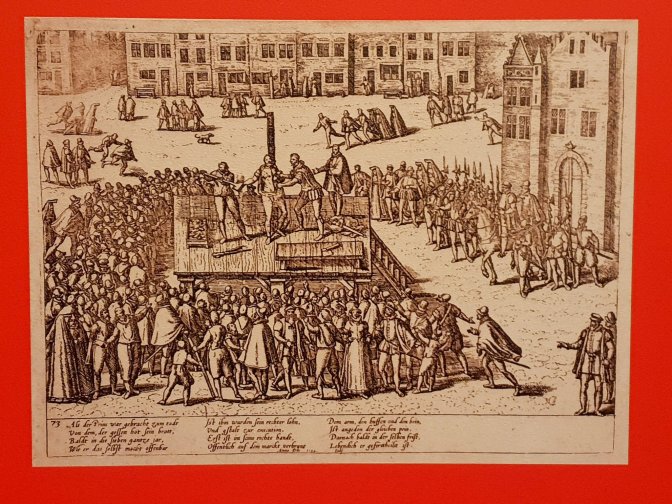
Gerard was sufficiently dispatched with good old-fashioned medieval flair, being tortured on the Markt with pieces of his flesh torn from his body in various places as a warm-up before being quartered while he was still alive.
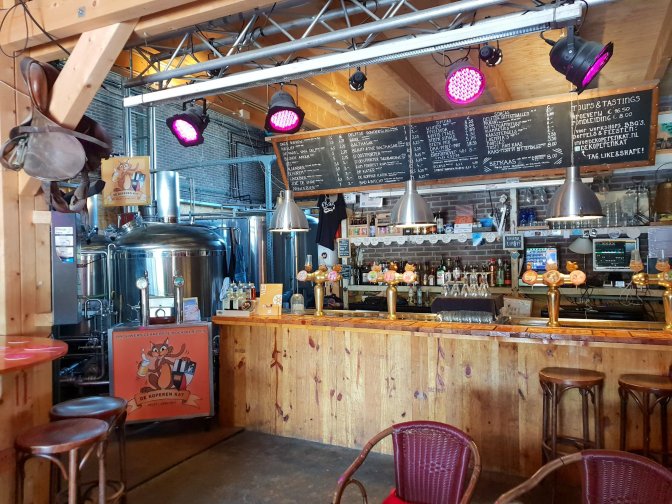
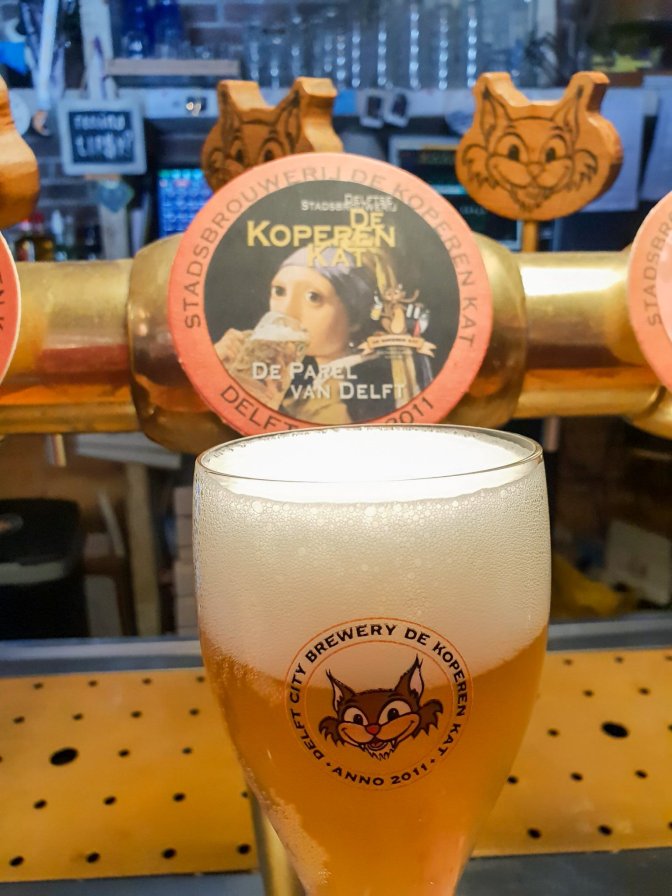
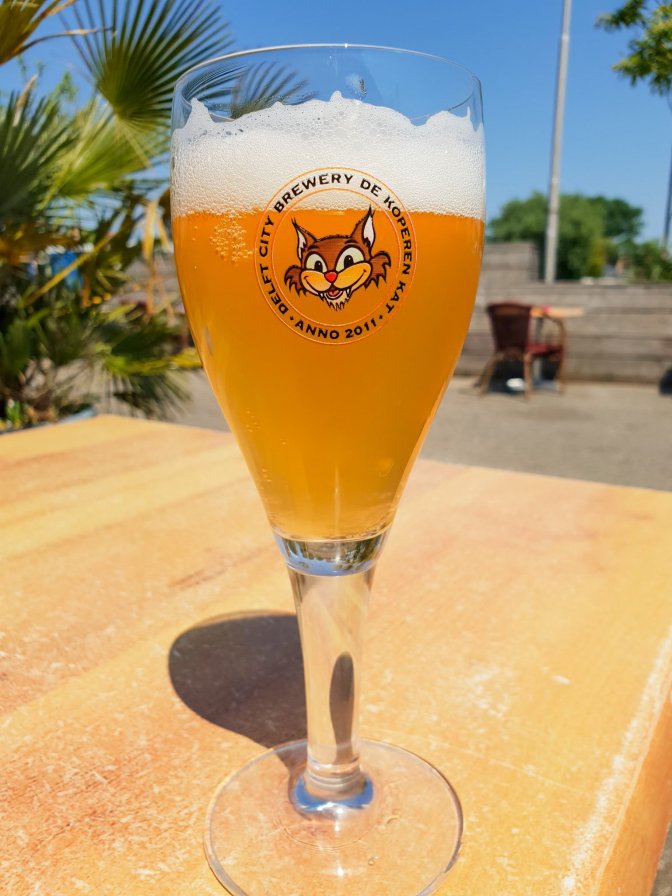
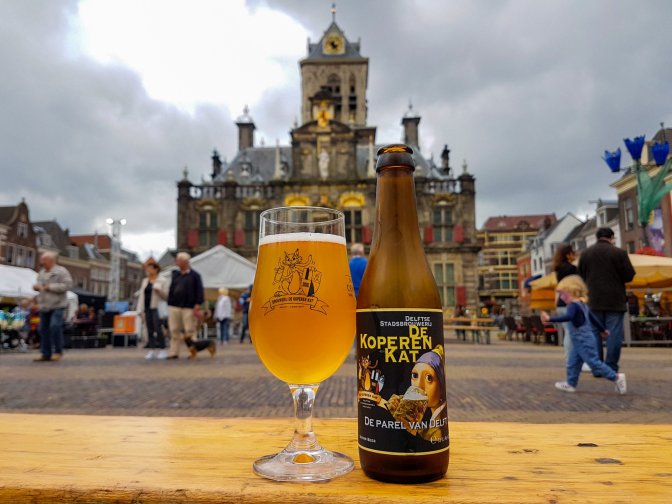
There is even a Vermeer-themed beer De Parel van Delft (The Pearl from Delft).
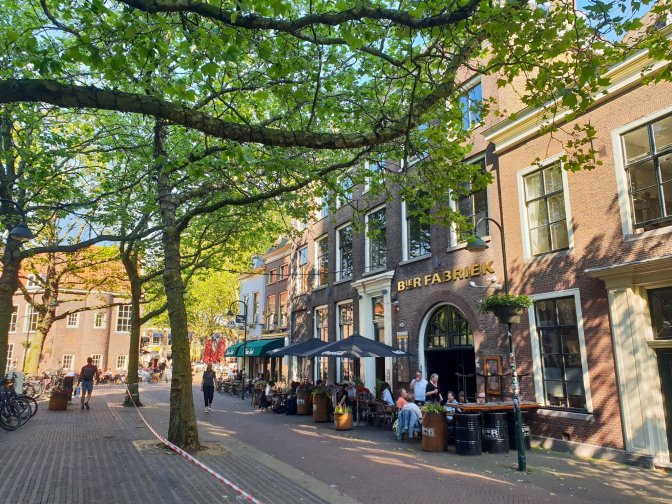
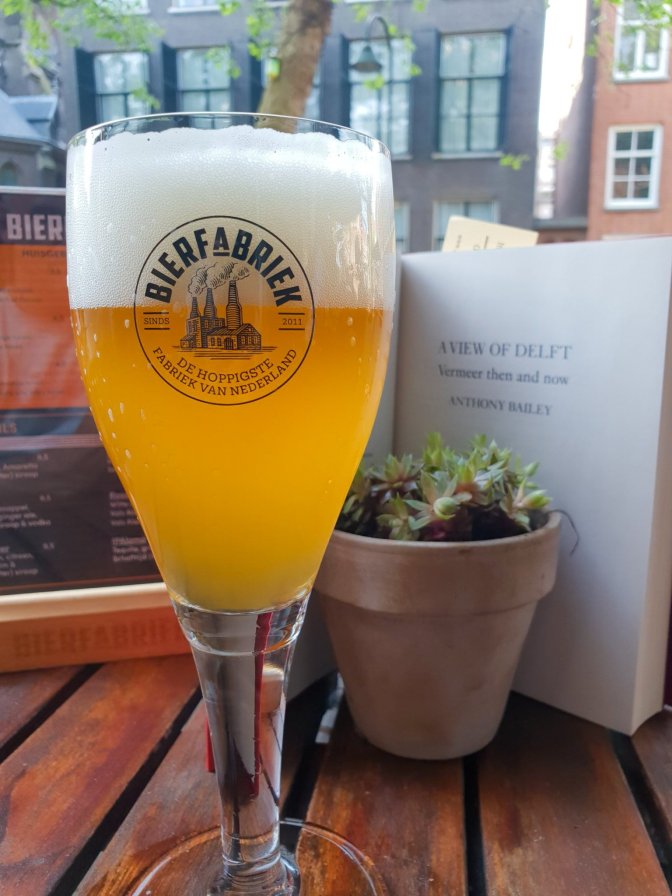
Bier Fabriek
I never like when breweries use such generic names. Delft has so many old brewery names from the 16th century that beg to be revived and connect the present with the past. Bier Fabriek has been around for a while, but I think they missed a great marketing opportunity. Nevertheless, I enjoyed the Tripel, and the atmosphere was relaxed.
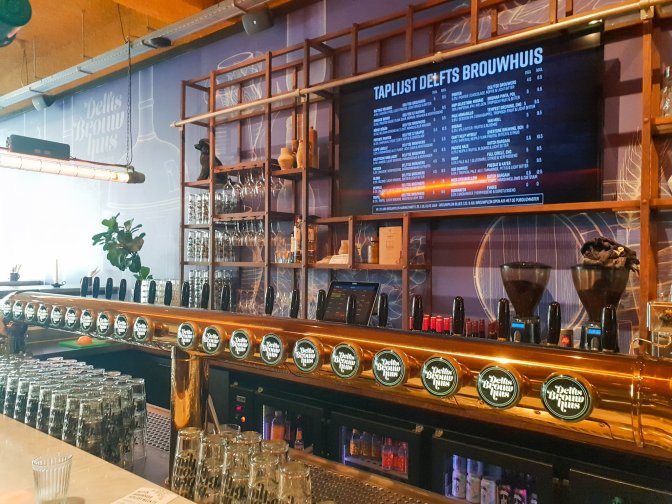
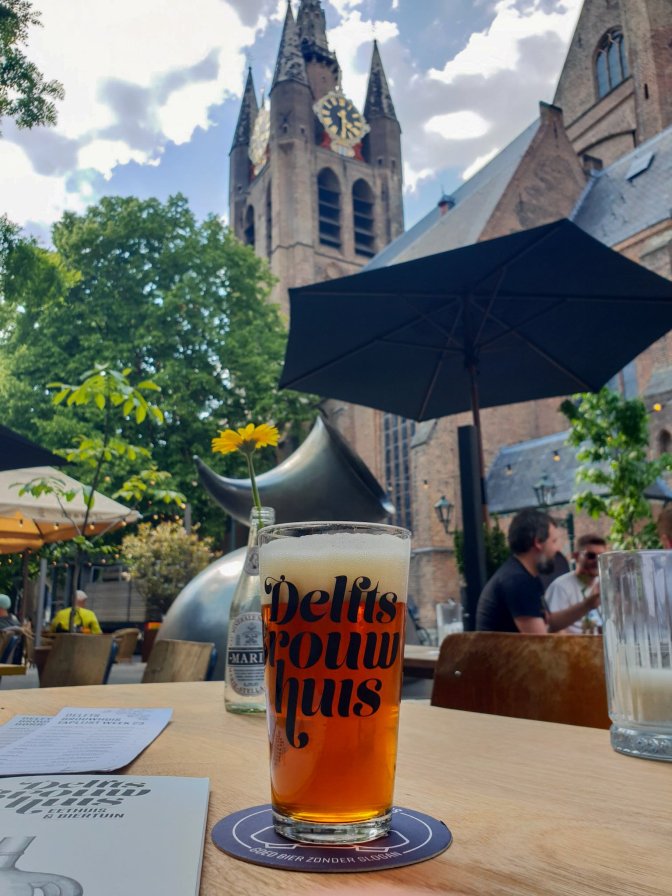
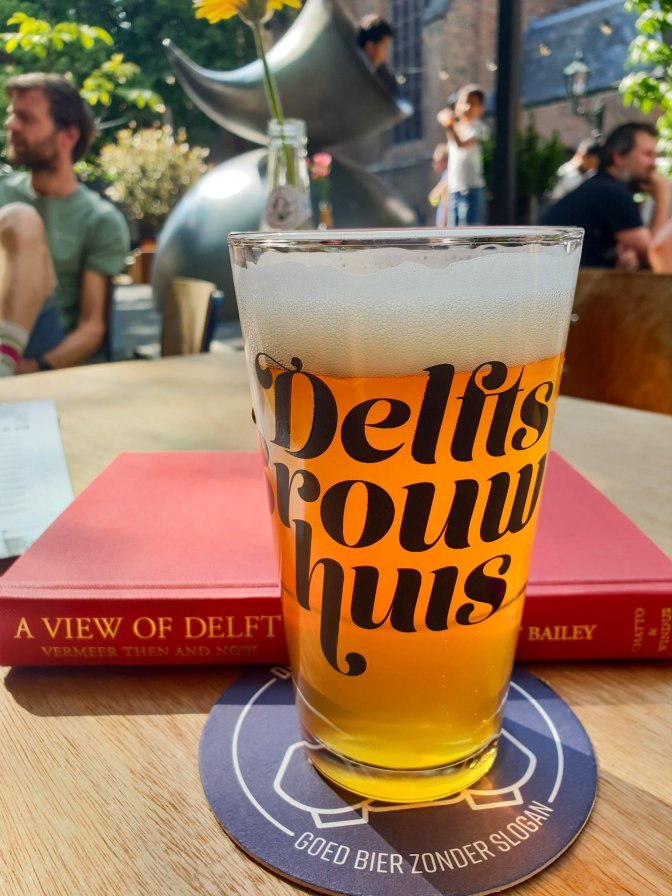
Delfts Brouwhuis
My vote for best vibe of the three breweries in this post. Situated on the aptly-named Brouwplein across from the Oude Kerk and the next place on my list.
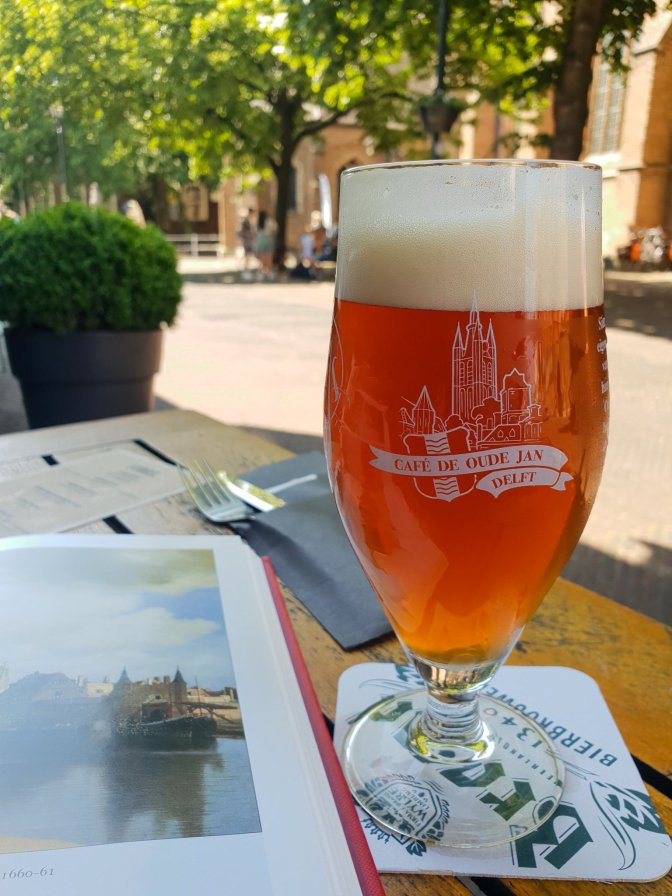
Cafe de Oude Jan
Sharing the Brouwplein with the Delfts Brouwhuis is this classic cafe. Started my beer pilgrimage of Delft with lunch here. Highlighted by their own house beer.
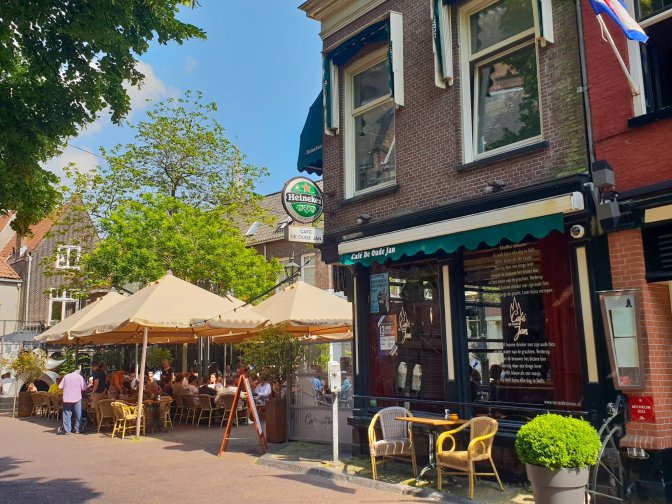
The Brouwplein may be the coziest square in the city, but the next place is the liveliest.
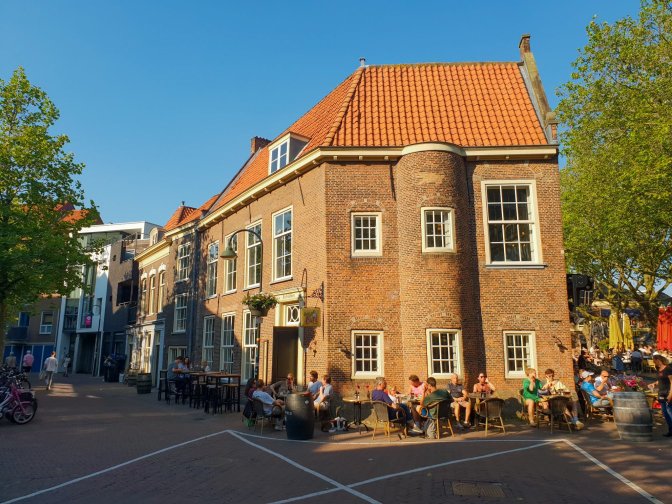
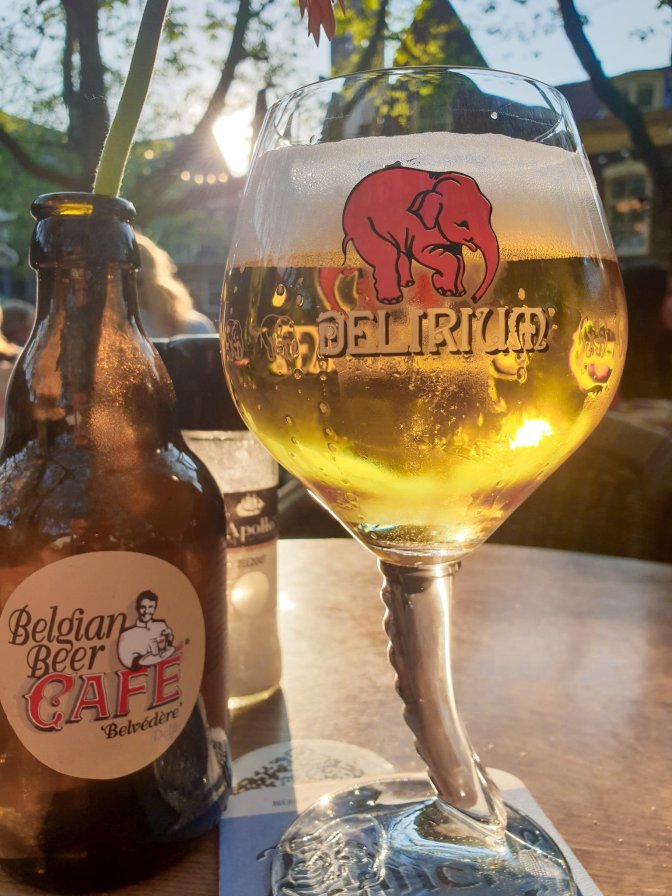
Belgian Beer Cafe Belvedere
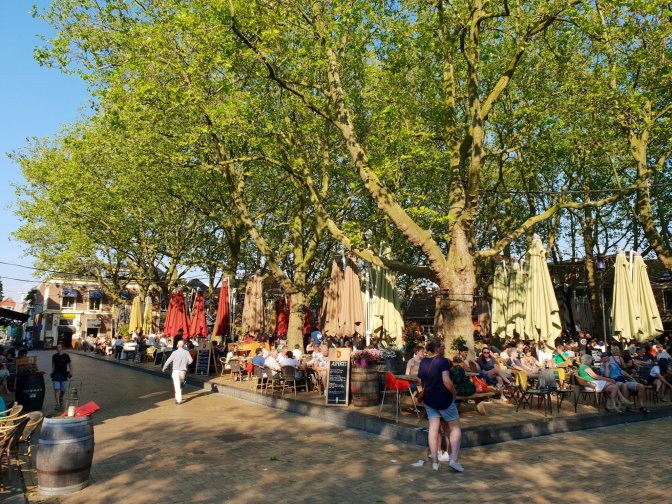
A Belgian beer bar in the Netherlands is not necessarily a must do, but the fact that it is located on the corner of the Beestenmarkt makes it highly recommended. Having a drink on the Beestenmarkt on a warm sunny day is obviously popular for the locals. As a foriegner, this is one of those places where you soak in the European outdoor cafe experience to the fullest. You can practically feel the vibrations of the cacophony of conversations.
‘t Proeflokaal
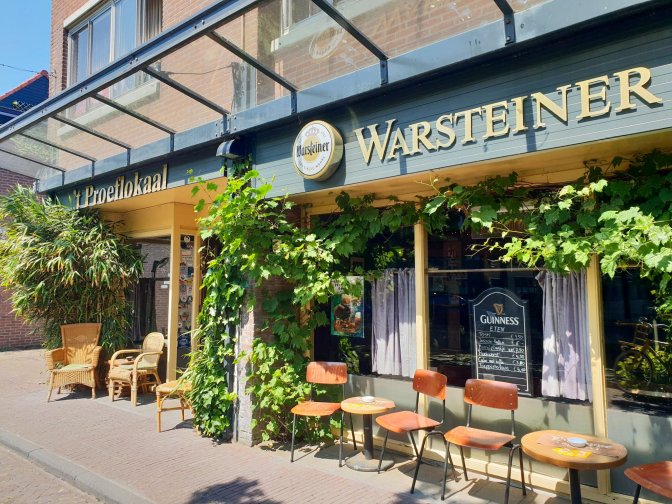
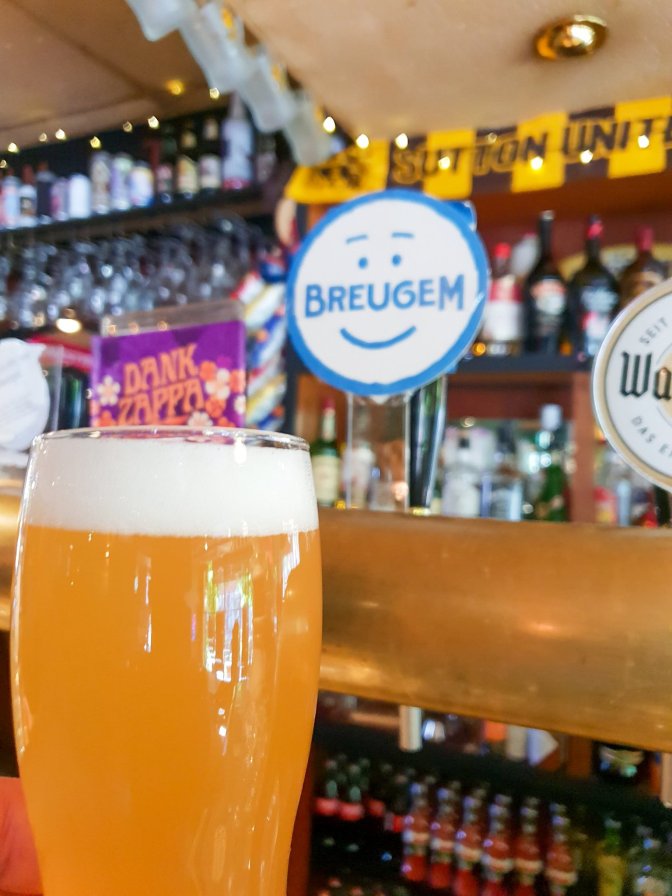
This pub is a quirky mishmash of styles. The interior is a mix of British, German, and Dutch. The exterior is emblazoned with the German Warsteiner name which seems to even outrank the pub name. They have several varieties of beer representing those countries if you don’t want to be limited to Dutch beer. However, I was there to go Dutch. So I tried the Breugem from the tap, a witbeer brewed in Amsterdam.
Cafe Het Klooster
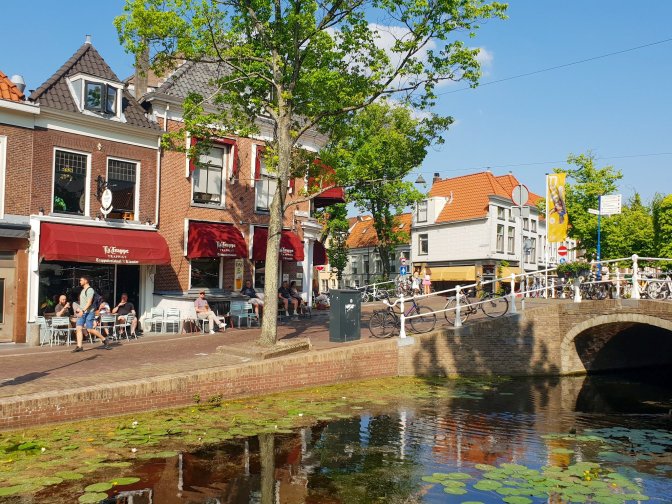
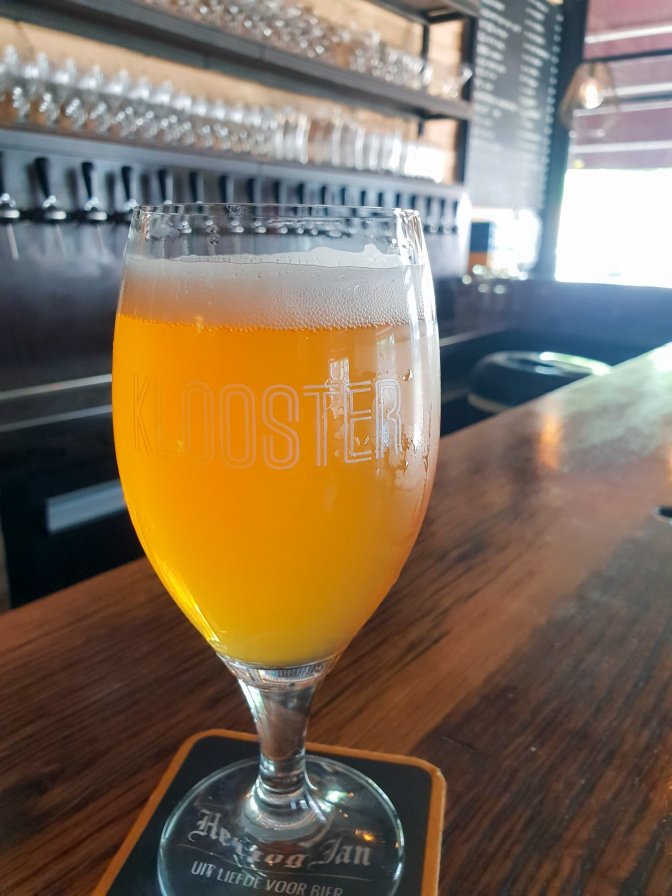
This is a cool pub located at the intersection of two canals. 20 taps and about 150 beers in bottle. A mixture of well-known standards and craft beer of all types. Very scenic and bustling location to sip a beer.
Check their latest tap list here.
Huszár
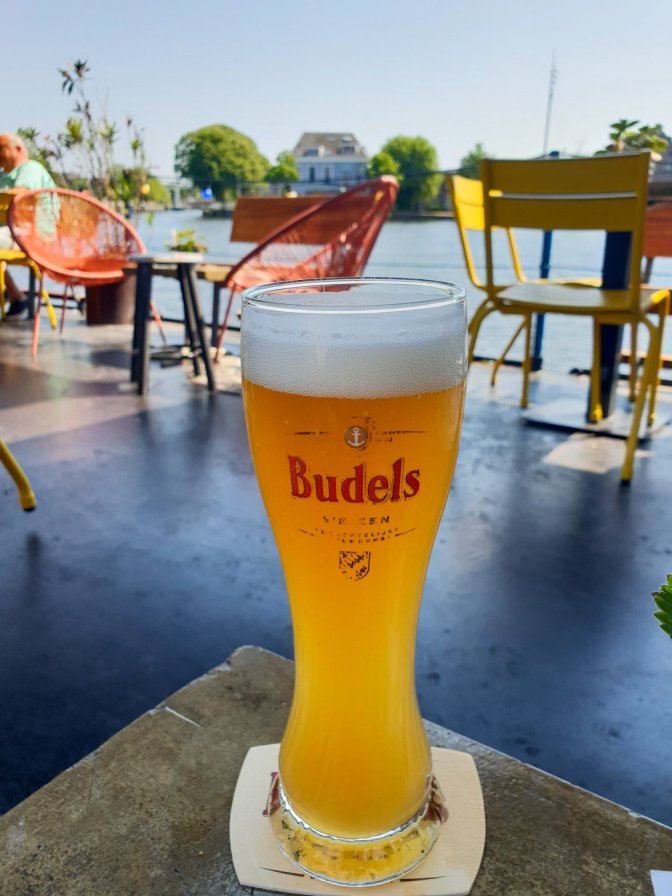
This cafe is located near the viewpoint for A View of Delft. This wasn’t on my original list, but it has a decent beer list, featuring the Budels brand beers, and you can’t beat the view from the cafe’s pier on a sunny day. It is also a good place to have lunch.
Worthy of Mention
Here are a few places that are interesting, but I didn’t manage to visit.
Biercafe Doerak
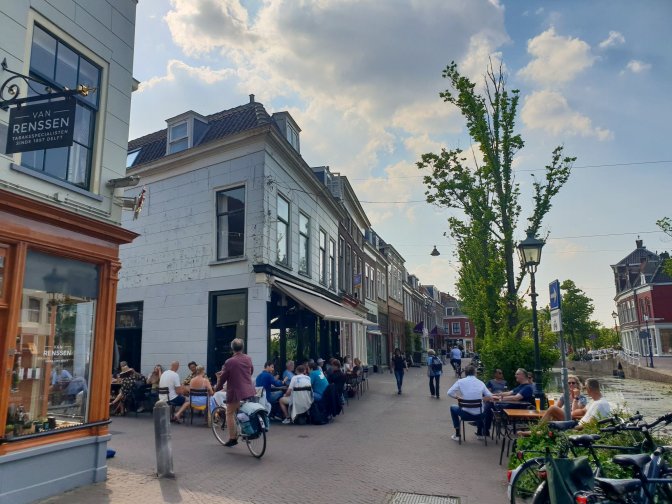
Popular canal-side beer bar.
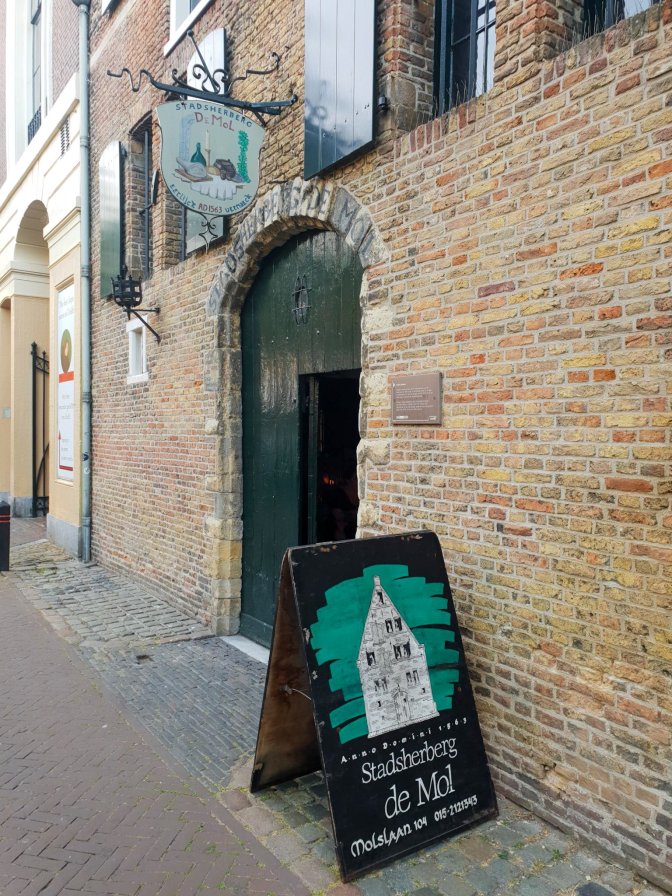
Stadsherberg de Mol
If you want the medieval experience, you can check out this place by making a reservation. Website mentions their own “Delftsch Kuyten beer”.
Final Words
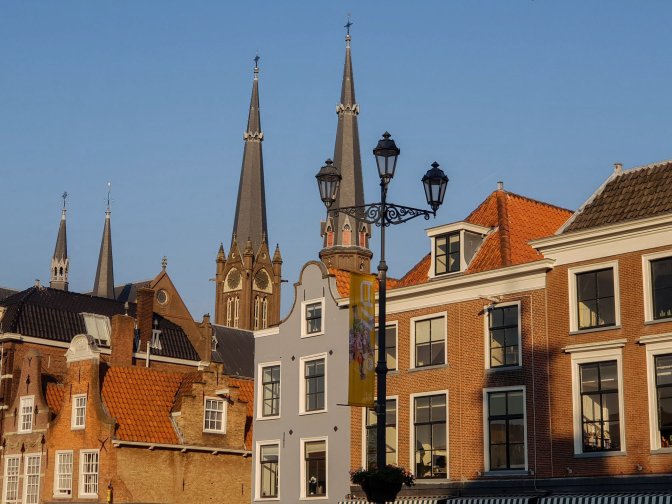
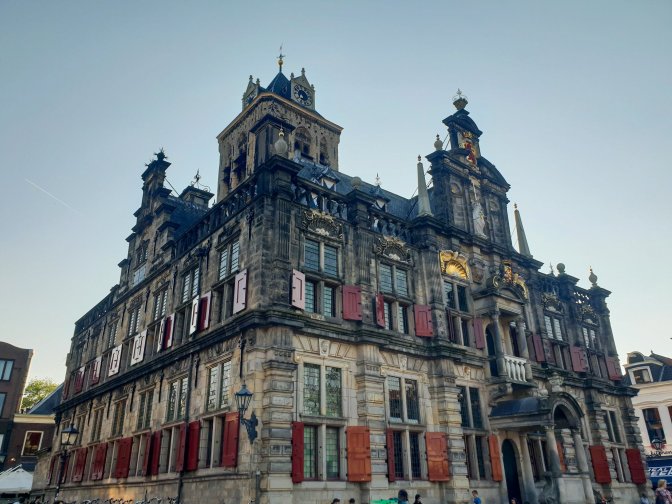
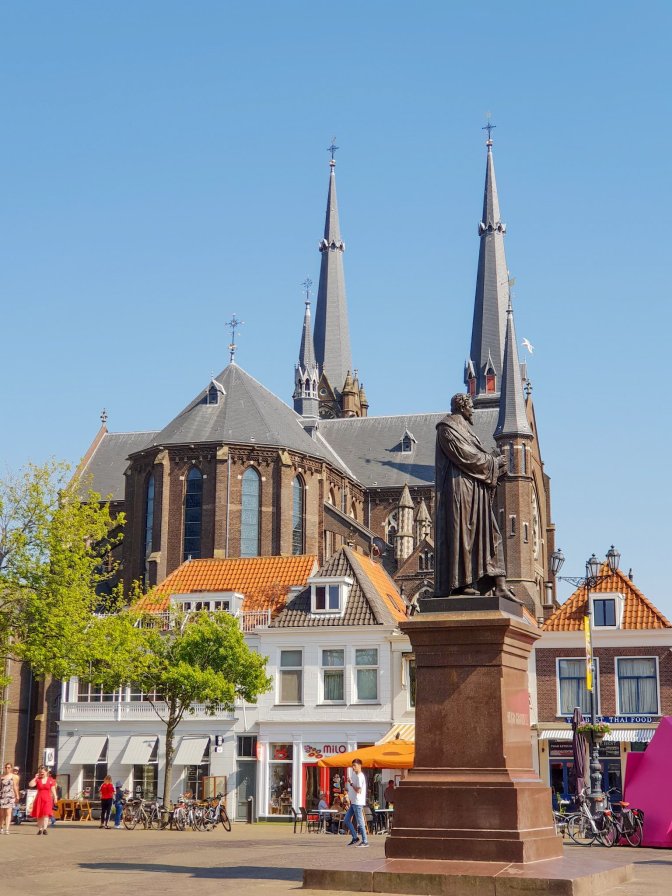
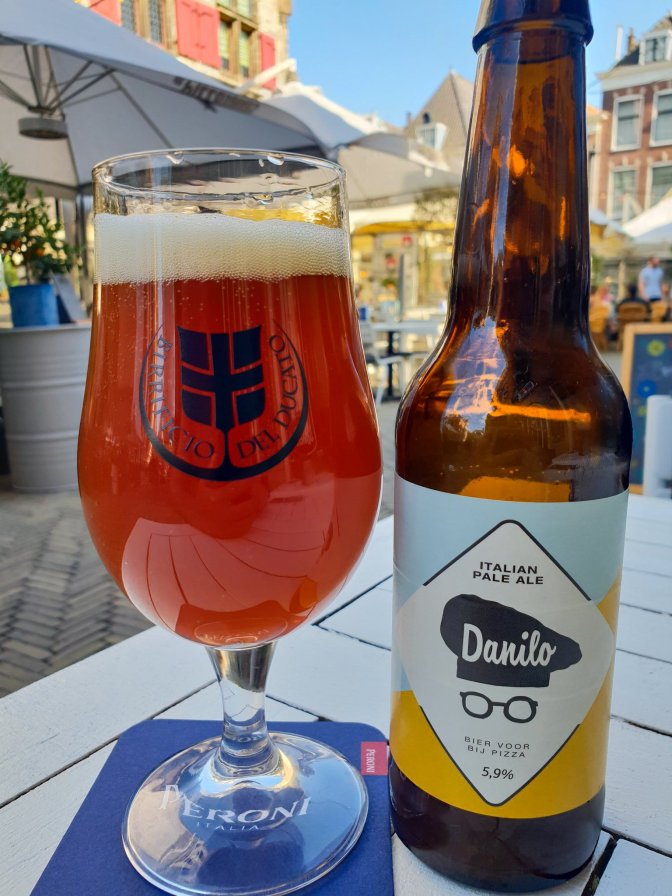
I have a complicated relationship with Dutch beer. Despite having experienced it many times in the past, having my beer served in 30cl glasses (or from 30cl bottles), instead of 33cl or 50cl (for hefeweizen) makes me always feel cheated. And Dutch beer, in general, looks and sounds like their Belgian and German counterparts, but the taste almost always has a certain tilt to it that rarely registers excitement with me. There are exceptions which are the Who’s Who of great Dutch craft beer…De Moersleutel, Het Uiltje, Frontaal to name a few. I may not have experienced any wow beer in Delft, but I absolutely enjoyed great beer culture. Almost 400 years after its heyday as a definitive “beer city”, I think Delft is managing quite well to keep beer intertwined with her modern identity. Delft, like most Dutch canal cities, has a special charm created by its network of canals, bridges, flowers, and picturesque buildings that gives drinking a beer there an extra flair. The Brouwplein is one of the most idyllic spots to enjoy a beer in any city.
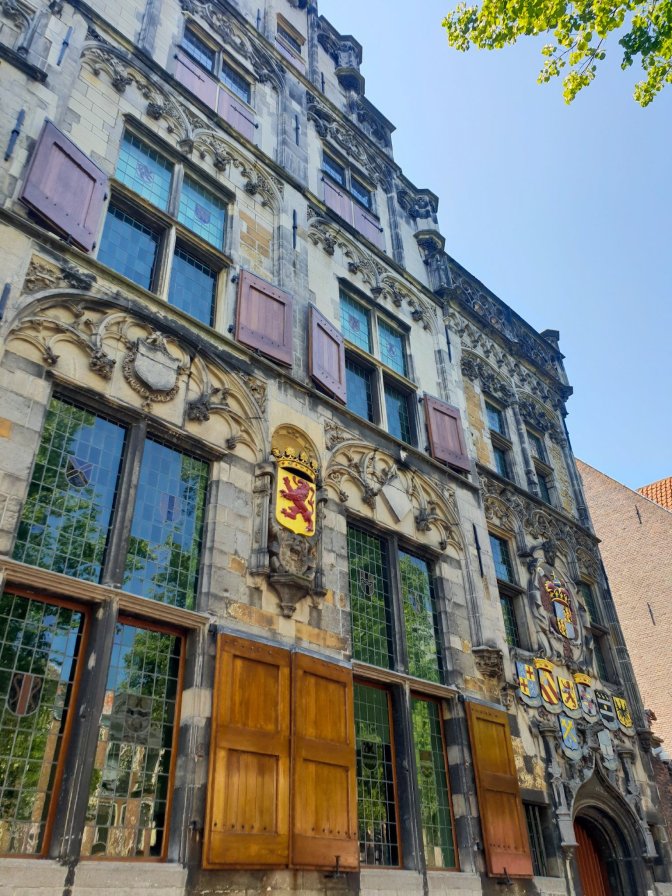
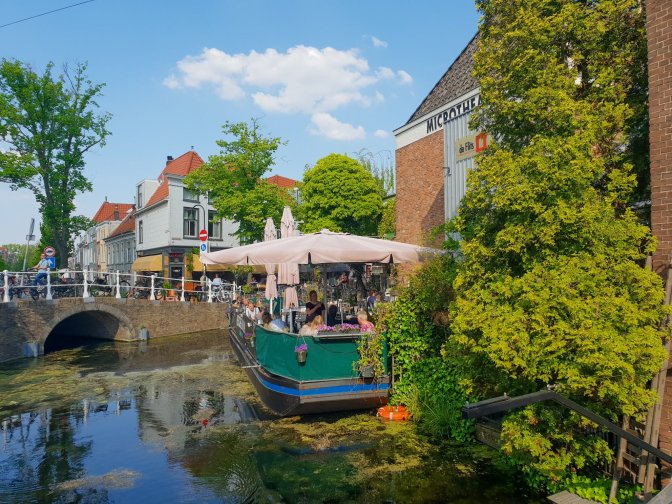
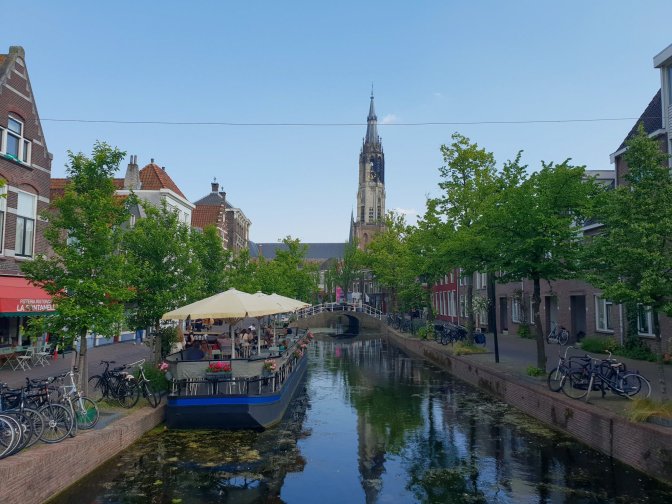
It is to understand… how anyone who has once come under the spell of the Netherlands’ intimate life by entering through the arched way of the East Gate of Delft can never cast it off…
Through the Gates of the Netherlands by Mary E. Waller (1909)
There is indeed a spell there. Maybe it is the passion that William the Silent once had for the unification of the Low Countries that flows like energy thru the canals and brickwork or perhaps it is the sensation of creating your own mental Vermeer painting everywhere you turn. Or perhaps it’s simply akin to a beer buzz from the city that once had 300 breweries.

References
Aside from the resources in Delft itself, the following books, all of which I own, were invaluable for the statistics, anecdotes, and history used in this post:
- A View of Delft by Anthony Bailey (Chatto & Windus, 2011)
- A Wanderer in Holland by E.V. Lucas (The Macmillan Company, 1905)
- William the Silent by C.V. Wedgwood (Readers Union, 1945)
- Through the Gates of the Netherlands by Mary E. Waller (Little Brown and Company, 1909)
- Concise History of the Netherlands by Alexander Young (Estes & Lauriat, 1884)


Wow, thanks for the tour of Delft! I have a Delft tile in my kitchen and I have a whole new appreciation for it now.
LikeLike