
“Diest, with 7300 inhabitants, and many breweries and distilleries.”
Baedeker’s Belgium and Holland (1881)
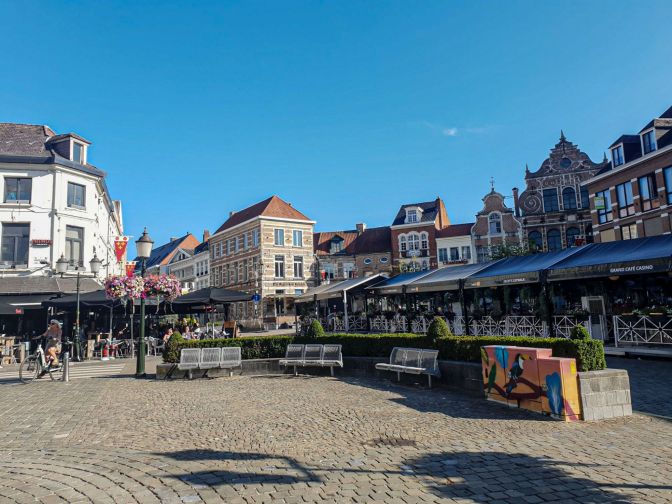
The Flemish Braband village of Diest garnered this one single line in the esteemed Baedeker guide of 1881. It is fun to imagine where this factoid came from. I envision Baedeker’s publisher sending the mayor of each Belgian town a letter to provide interesting facts to put in his guidebook. Upon receiving it, the mayor of Diest paused thoughtfully, looked out of his window from the Stadhuis to the ornate houses on the main square, then moved his eyes to the imposing gothic church of St. Sulpice wherein is buried a Prince, to the imposing fortifications of the city, and then to the birthplace of the city’s most famous son, born just a block away who was up for sainthood and would achieve it in just a few short years. Then brimming with pride, the mayor had an epiphany. He dipped his pen in the inkwell and composed a succinct reply, “Dear Mr. Baedeker, we have a shit ton of breweries and distilleries!“
By 1910, Diest had grown, and someone had taken the effort to add a few more details.
“Diest, with 8200 inhabitants, and many breweries and distilleries. In the choir of the Gothic church of St. Sulpice is the tomb of Philip of Nassau-Orange(d.1618); in the churchyard is a ruined church. The town ramparts are well-preserved.”
Baedeker’s Belgium and Holland (1910)


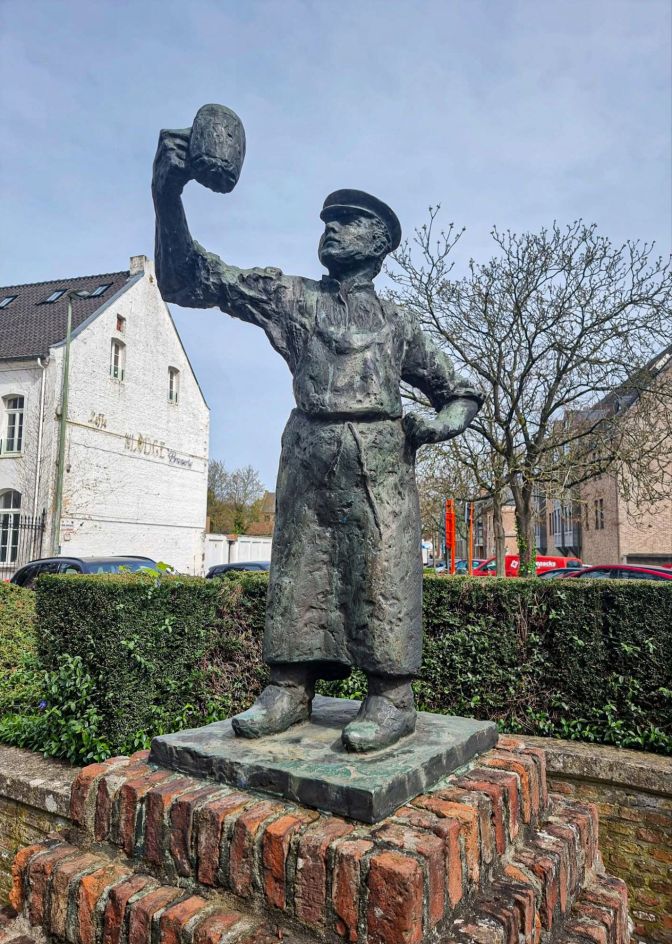
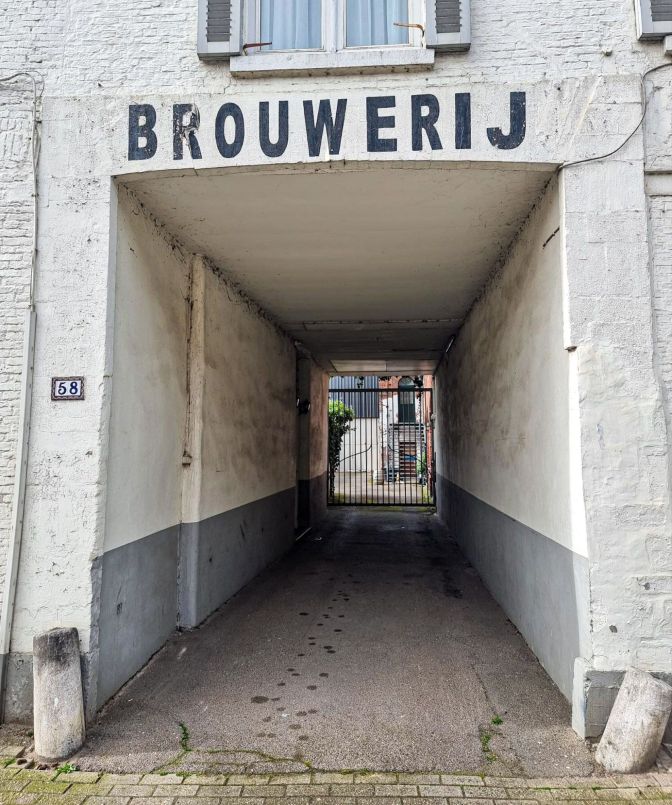
Today, Diest has about 24,000 inhabitants and as far as I can see only one brewery and no distilleries within these old town ramparts. There are, however, a handful of breweries in the region outside of Diest which supply the region’s pubs and cafes with plenty of local brews hard to get elsewhere. Diest easily goes under the radar when you are thinking of cool city trips in Flanders. It sits on the route between Antwerp and Hasselt, along with small cities like Lier, Aarschot, and Scherpenheuvel-Zichem. While it is nothing to be compared with the likes of Bruges or Ghent, Diest still retains enough unique old Flemish character and history to make a worthy day trip from time to time, especially if it is the first Saturday of the month; the one day each month you can visit the taproom of its only brewery, Loterbol.
The region around Diest is a scenic assortment of farmland, forest, and marshland interwoven with small rivers, man-made retention basins, and irrigation canals making it a spider web of wonderful hiking and biking trails. The rolling landscape gives the perception of an easy-going terrain, but the hills here are deceptive and can be quite challenging.
In this post, I will cover Diest and separately post about using Diest as a Beer & Bike hub.
It’s Not Just a Beer, It’s a Journey
Prince of Orange
Diest calls itself the Orange City. Not as in the fruit, but as in the European aristocratic dynasty Orange-Nassau, the royal family lineage of the Netherlands. However, in 1578, Diest wasn’t so orange yet.
In 1578, Diest was part of the aristocratic House of Orange-Nassau, but it was being occupied by Spanish-supporting Wallonians and Germans during the War of Religions. This was at the time when this region was under the authority of the Spanish Habsburg empire. William the Silent (or William of Orange), Prince of the House of Orange and leader of the Dutch rebellion, was hereditarily the lord of Diest. He asked the citizens of Diest to support the cause of the Dutch rebellion to free the Protestant Dutch people from the clutches of the Catholic Spanish Habsburgs. Not-so-Orange Diest refused. As a consequence, in 1580, William sent some mercenaries to sack the city. He then fined the city 60,000 guilders (about 1.4 million euros in today’s currency).
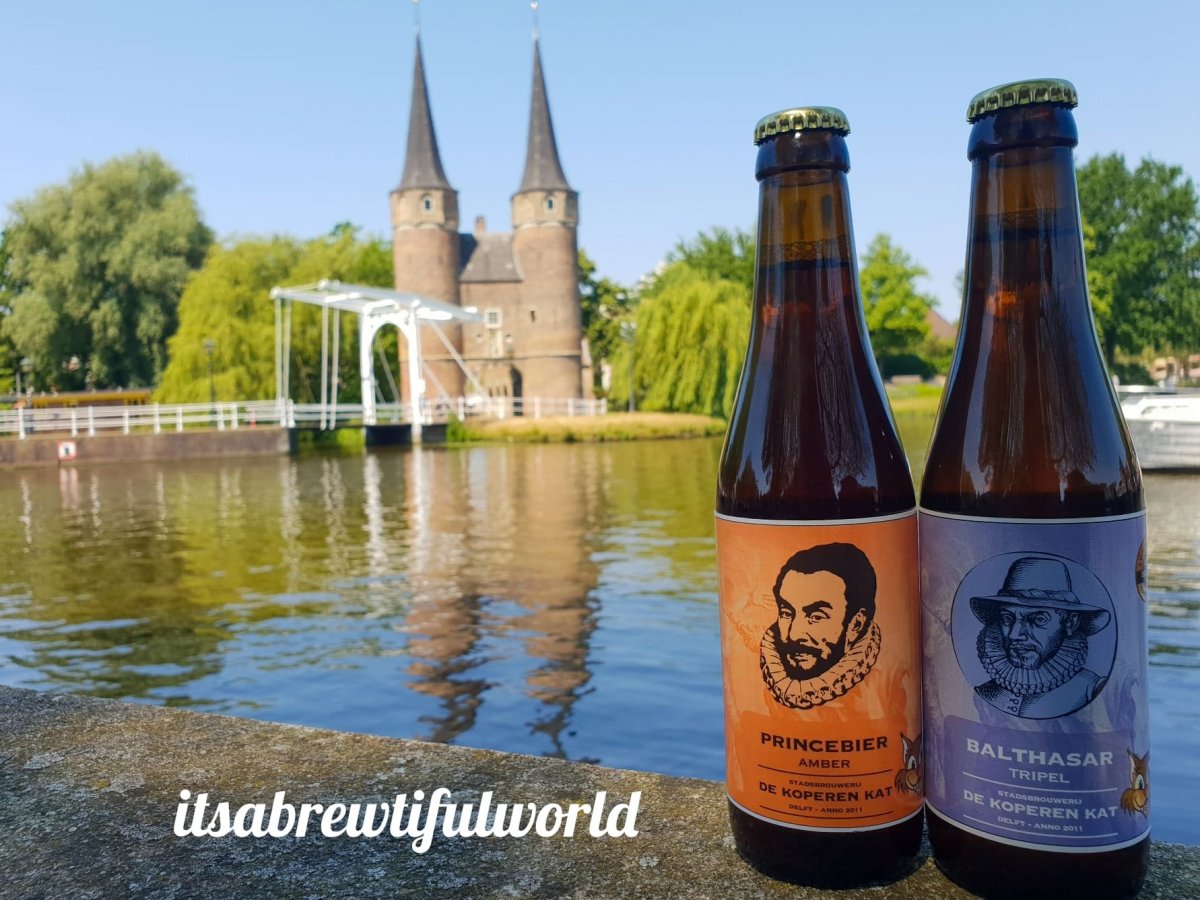
Brewtiful Delft: Having Beers with Vermeer and William of Orange
Looking thru the beer bottle to discover Delft 400 years ago.
Continue reading Brewtiful Delft: Having Beers with Vermeer and William of Orange

You could imagine that afterwards, Diest was not quite ready to wave the Orange banner just yet. In 1584, William the Silent died and passed his title to his son Philip. Several years before, when Philip was 13, he had been taken hostage by the Spanish and was raised as a staunch Catholic in Spain. He never saw his father again. Despite his Catholic faith, Philip assumed the title of Prince of Orange and lived many years in a modest palace in Diest called Hof van Nassau which still exists, except it is occupied today not by a Prince of Orange but by a lawyer. When Prince Philip died in 1618, he was buried in the city’s St. Sulpice church. Although the tomb of Prince Philip would bring some measure of prestige to the city as well as establish it as the Orange City, Philip’s death was hardly glorious. He died from complications from an enema gone horribly wrong.

Saint Sulpice Church
Saint Sulpice has a presence on the Grote Markt like few other churches in Belgium. It is not a grand church nor is it particularly beautiful either. This is mostly because it was never finished. What was supposed to be the tower is the part that you see from the Grote Markt, except this is just the base of what should have been a much taller edifice. The rest gives the impression of being hastily added later on to keep the rain out, leaving an almost stubby fortress-like appearance thanks to the unused buttresses sticking out on each side. St. Sulpice also has some of the funkiest banker’s hours in the Belgian church business, open only between June and September except late afternoons on the first Sunday of each month. This means there are only four days a year where you can do the church and Loterbol brewery on the same day.

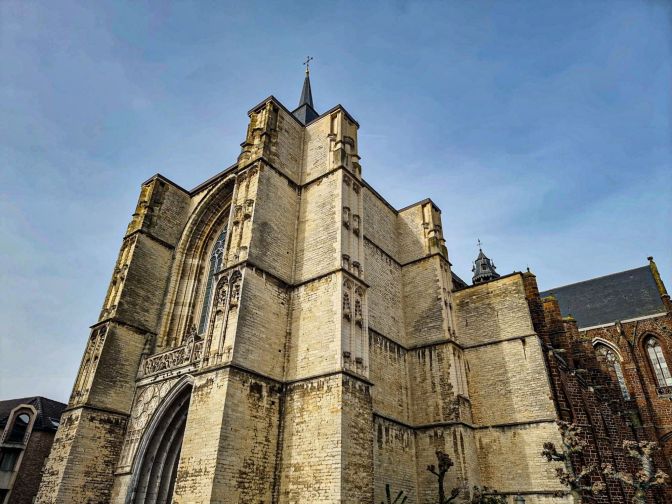
Inside Saint Sulpice is the tomb of Prince Philip of Orange-Nassau, who put the Orange in Orange City.
{This space preserved for a photo of the tomb of Prince Philip of Nassau-Orange should I ever manage to get to Diest when the church is open}
Diest’s Louisiana Lightning
Grand Coteau, Louisiana. 1866.
A young novice from Canada was suffering from a violent digestive ailment and had come to the Sacred Heart convent in this small Louisiana town hoping the climate would improve her health. On death’s door, Mary Wilson evoked a name in prayer that would forever put a feather in the cap of a Belgian village about 8,000 kilometers away.
“I ask through the intercession of Blessed Berchmans a little relief and health. Otherwise give me patience to the end. I am resigned.”1
In 1866, Jan Berchmans was not yet a Saint, only Blessed. In 1881, when Diest’s mayor was fixated on the number of breweries and distilleries, Berchmans was still on the waiting list. Then in 1888, Berchmans finally got the call and was awarded Sainthood. Unfortunately, no one informed the Baedeker people. Berchmans was born in 1599 in a house still standing today one block from Diest’s Grote Markt.
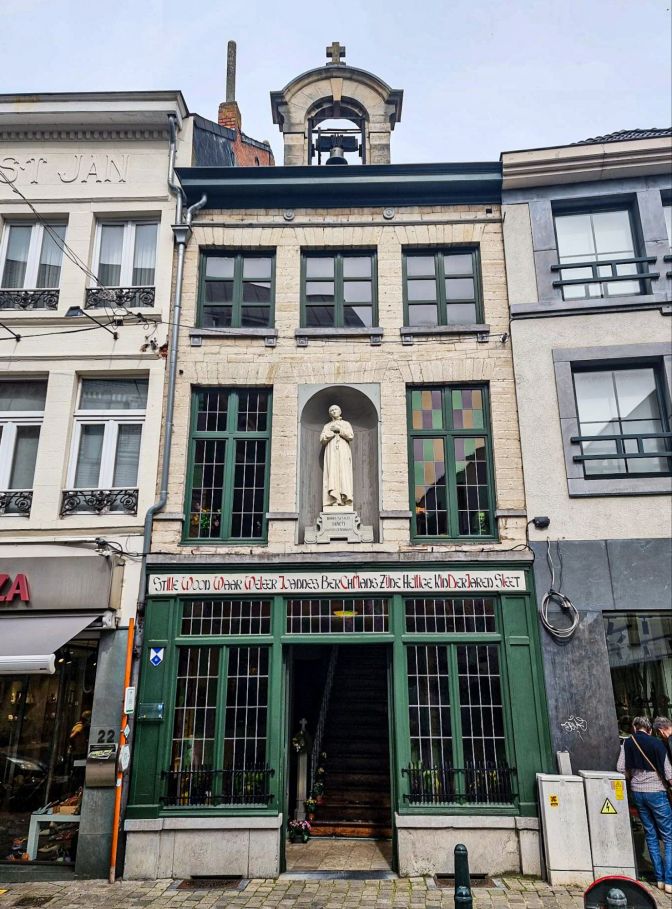
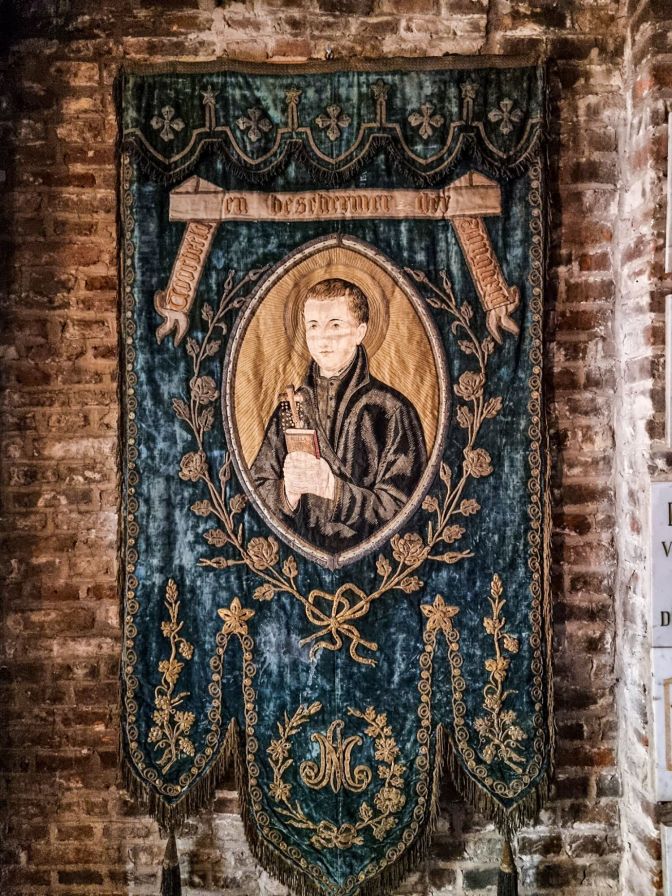
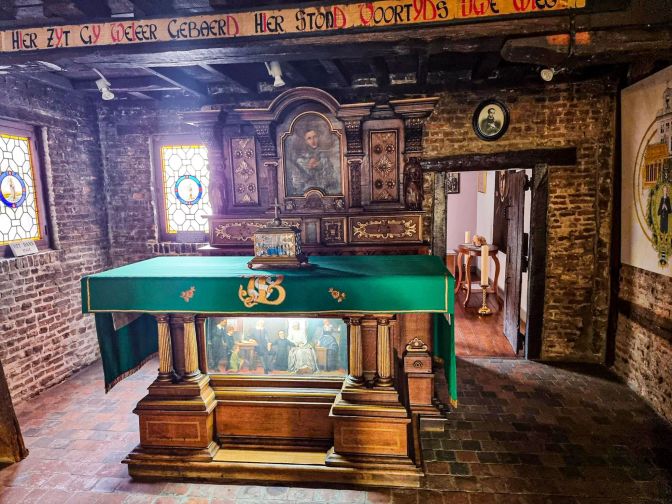
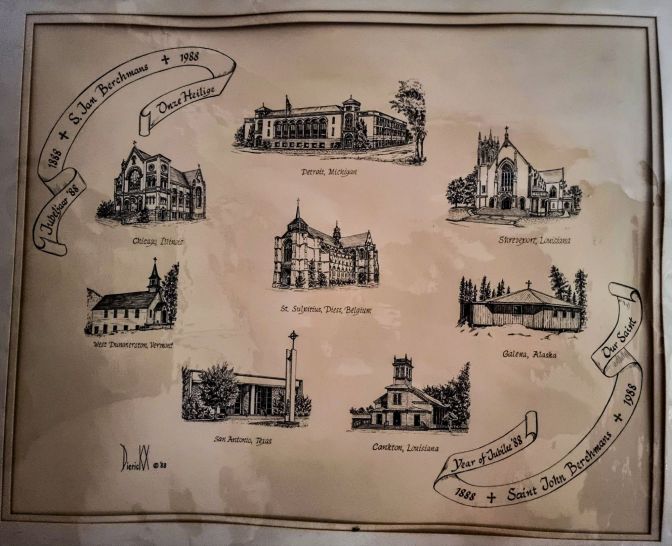
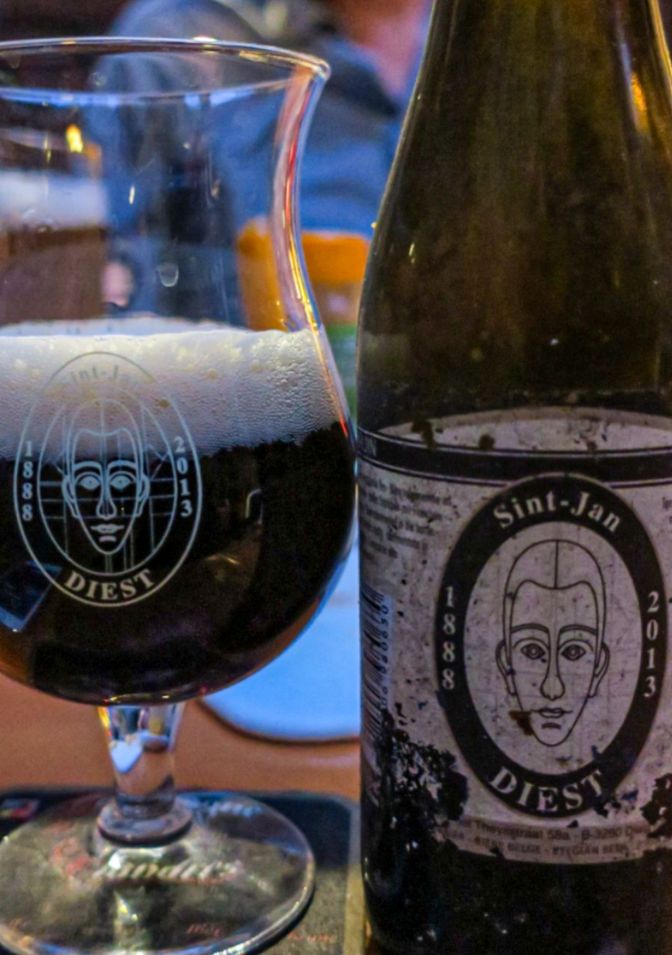
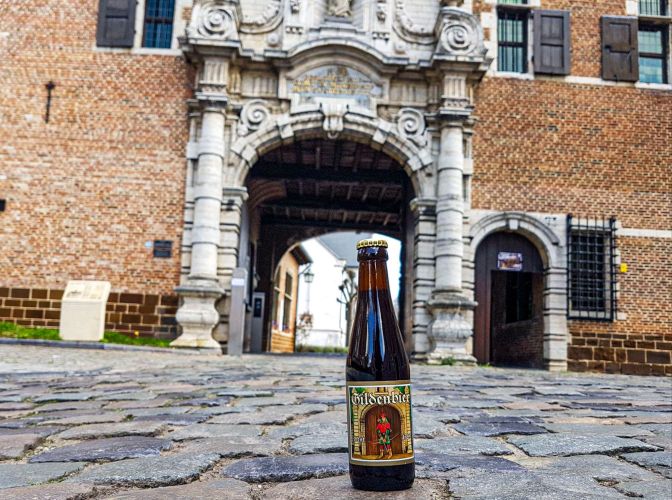
The interior is completely decorated in honor of the saint. He became a Jesuit priest and today, there are numerous schools and churches throughout the world dedicated to him. His notoriety seems linked mostly to his profound piousness and friendly charm. Sainthood is fine, but nothing can compare to having a beer named after you.
The Ruined Church
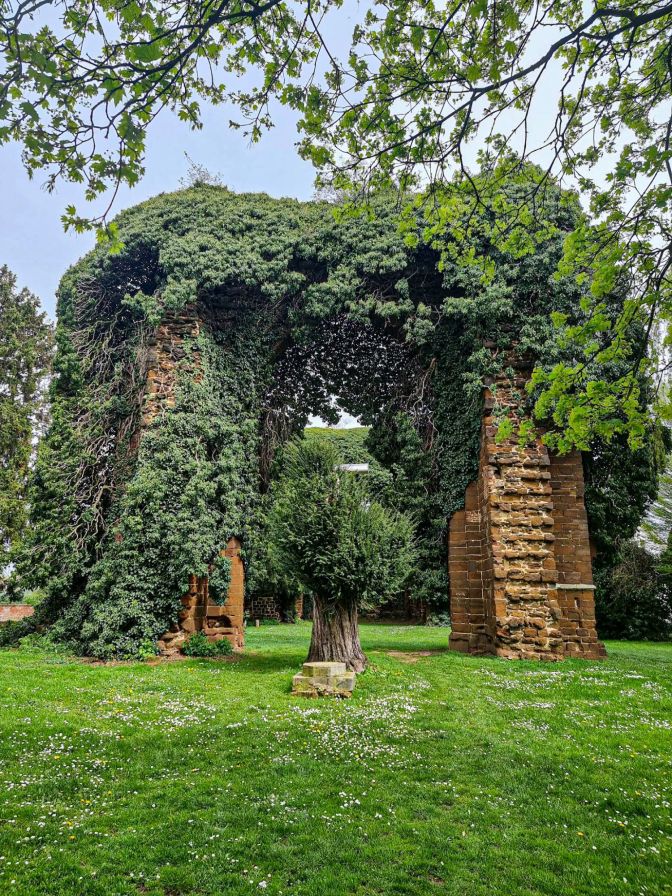
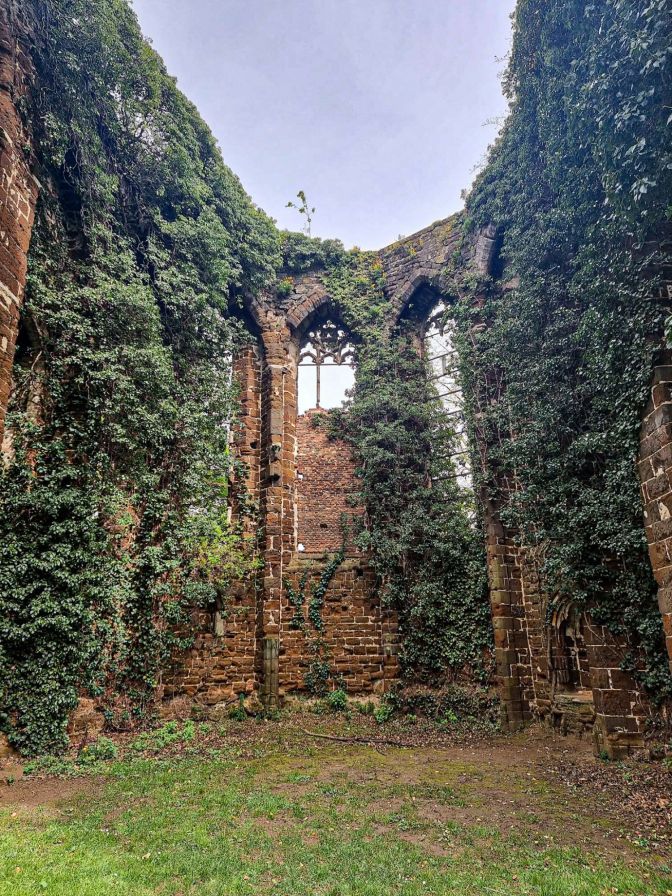
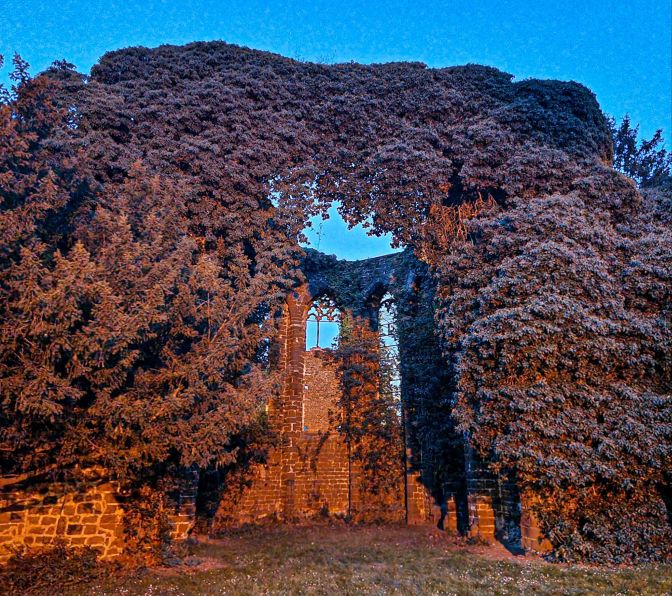
“in the churchyard is a ruined church” sounds like the opening line of an Irish poem. This is all Baedeker could tell people in 1910, not specifying which churchyard. It is not a churchyard connected with St. Sulpice but one located in the southeast part of town. The ruins of Sint-Janskerk (not the Berchmans Sint-Jan, but one of the other Sint-Jans) have stood here growing vines since it was destroyed by the mercenaries hired by William of Orange in 1580.
Brewtiful Diest
There are three places in Diest which I find to be essential places to sip a beer. Each gives its own unique view of Diest and its history.
Eetcafe de Kapel (in the Begijnhof)
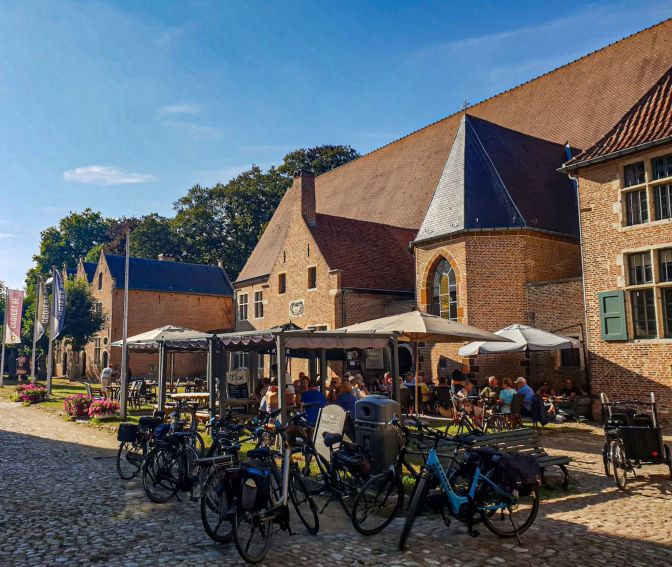
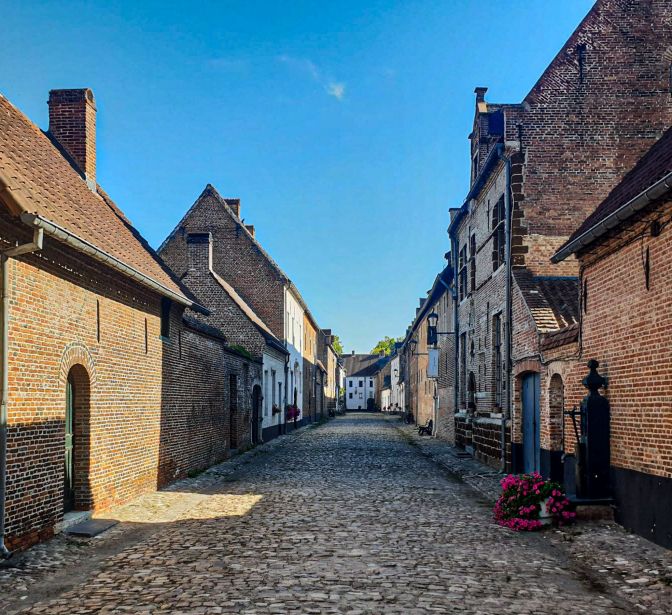
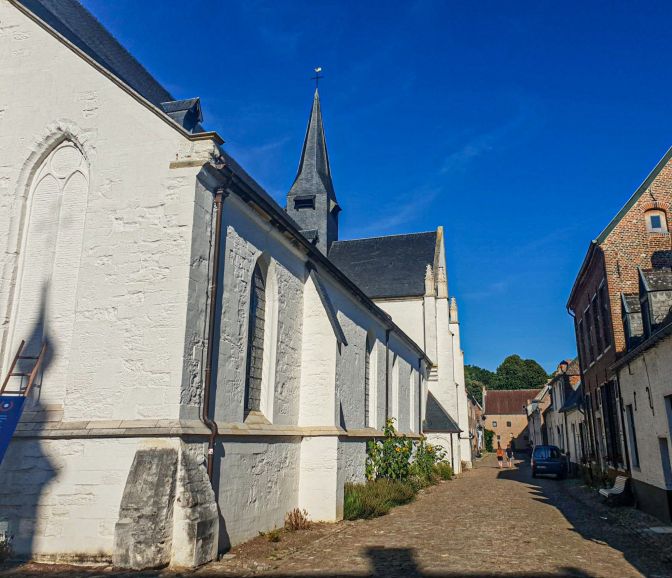
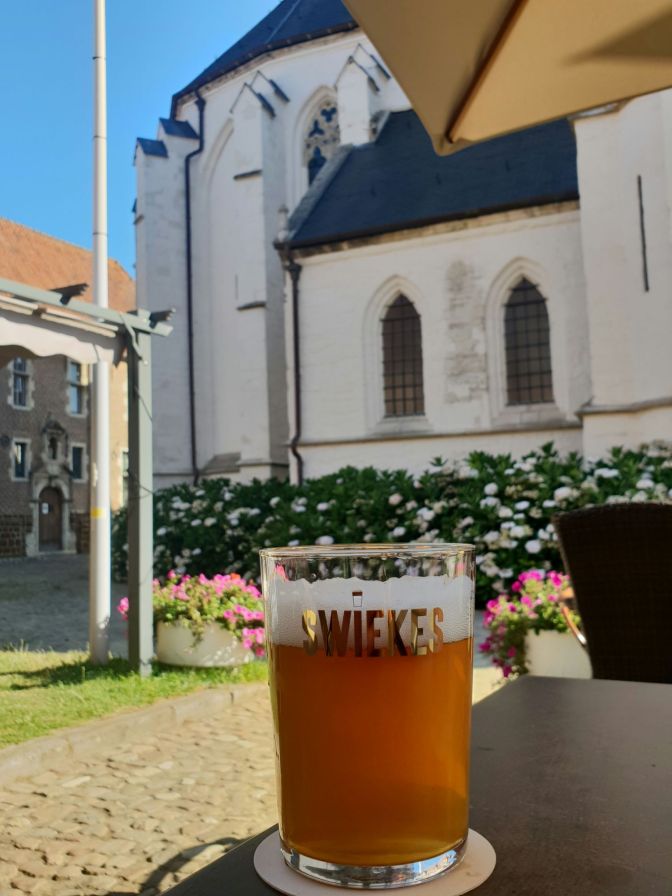
Having a Begijnhof is not a unique feature for a Flemish town, but few exude the cobblestone medievalness as well as the one in Diest. If you are lucky enough to get an outdoor table on a beautiful day, sitting in this pastoral atmosphere sipping a local brew while gazing around at the utter prettiness of it all is one of the best experiences in Diest. It is not a bar, but the beer selection is definitely good enough to satisfy even the most hardened beer tourist such as myself.
Brouwerij Loterbol
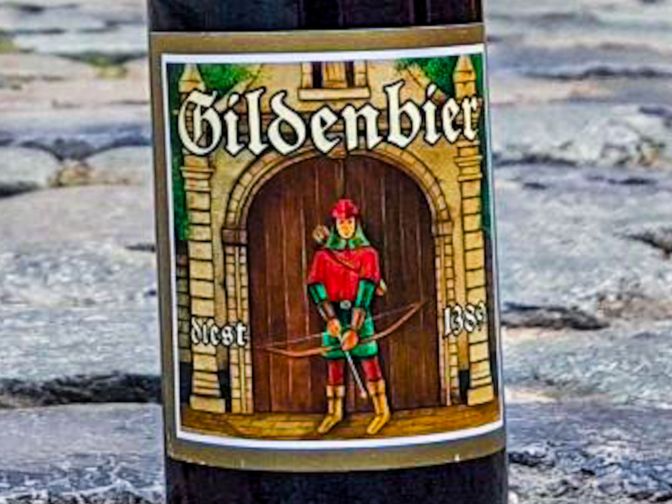
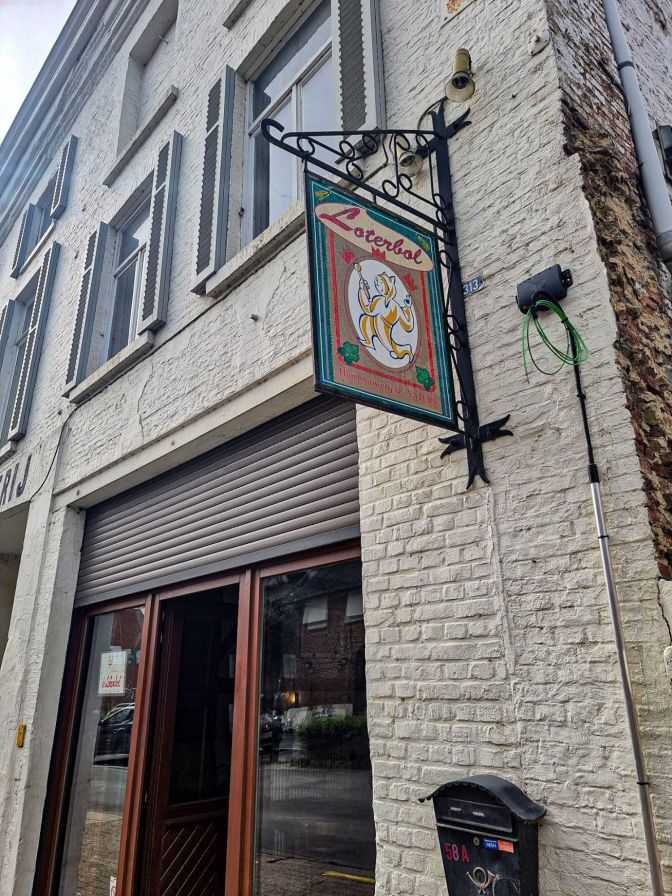
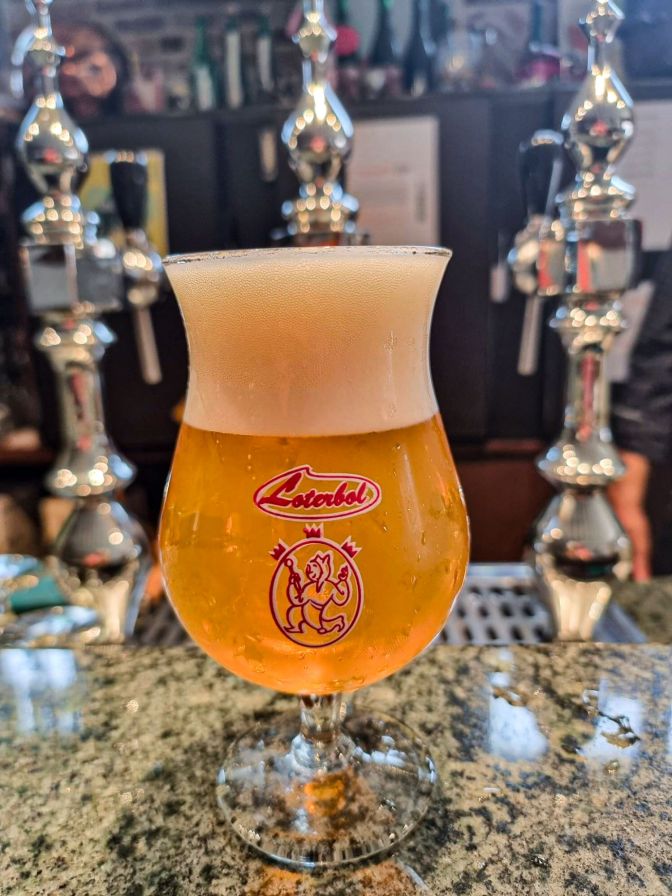
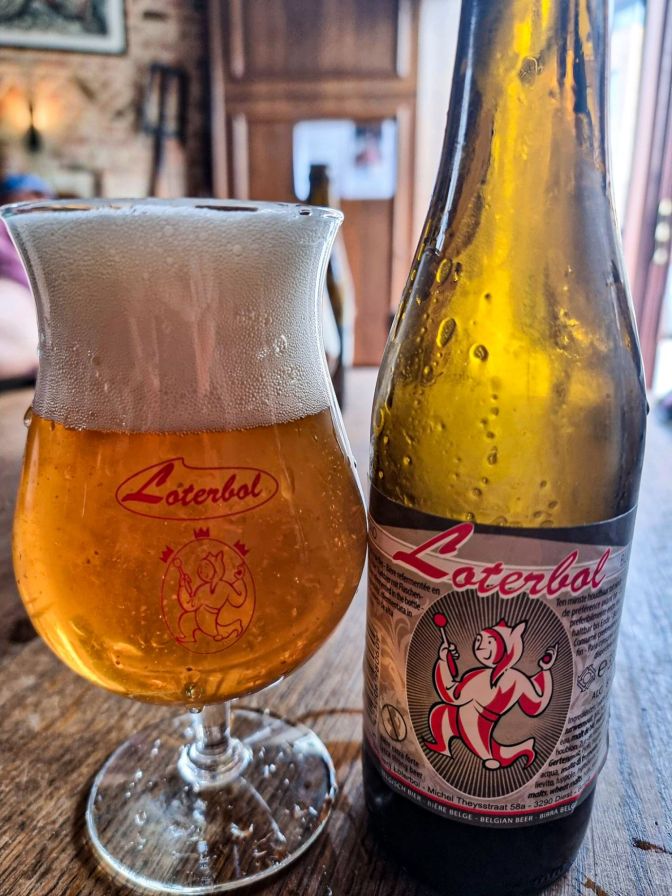
On the first Saturday of the month, Loterbol opens its rustic doors to the public. The tasting room of Loterbol is decked out in dusty classic Belgian brown bar fare. It’s as close to stepping back in time to Diest’s glory days of 1881 as any place in Diest. Even the labels on the beer bottles have an old-timey feel to them, like they should almost smell of mold from months of storage in a damp medieval basement. The Loterbol Blond is a succulent masterpiece.
De Biertempel
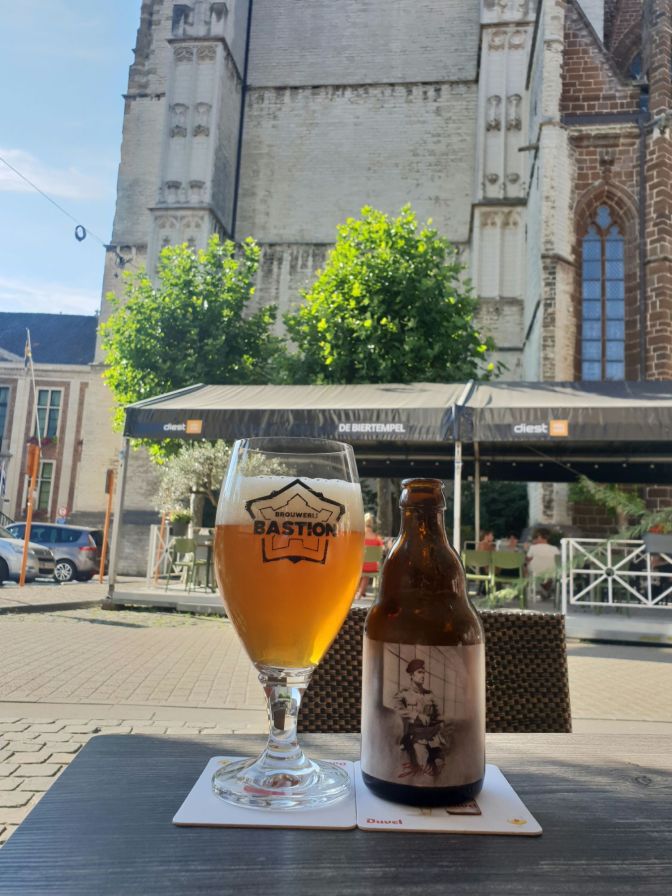
One of the great beer bars in all of Belgium really. The selection here is magnificent and loaded with local beers, including the Baret from Enigma Belgian Brewery (formerly known as Brouwerij Bastion). Additionally, it is situated on the Grote Markt facing the bulk of St. Sulpice. So, this is the place to soak in the city center which will always be buzzing with activity on a sunny day.
The Kilt
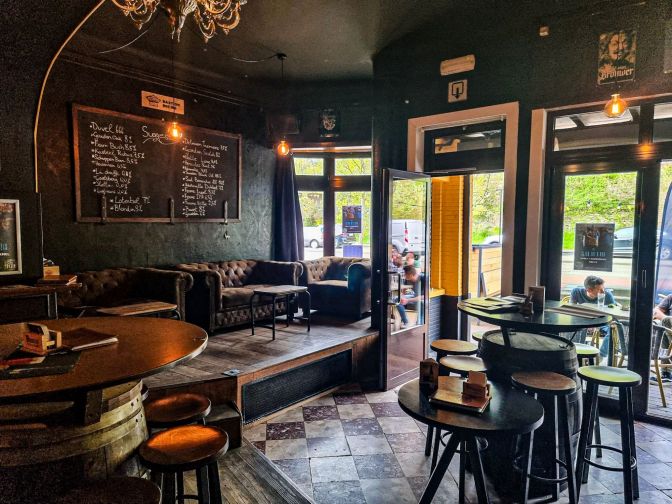
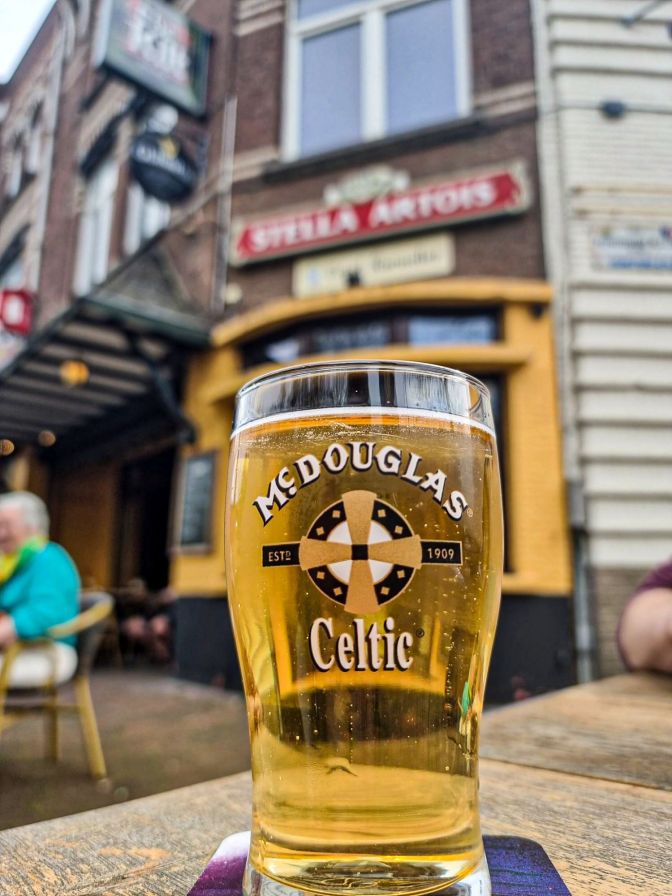
As an honorable mention, I had to include The Kilt. First of all, who can resist a pub called The Kilt? Fortunately, it is not luring you on false pretenses. Ok, it is not exactly going to make you feel like you are in Edinburgh, but it does have a nice atmosphere and a decent enough beer menu. And there is nothing like a strong cider to refresh the palate.
Final Words
In a 1930 copy of Harvey’s Guide-Book of Belgium, Diest is stated as a “town with many breweries.” There is then a brief mention of the city ramparts and the tomb of Philip of Nassau-Orange. Whether Harvey was re-using facts from Baedeker or not is unknown, but it at least seems possible that the brewery industry in Diest survived the First World War and was still thriving as it was on the doorstep of facing an even greater calamity. Today, we can only capture glimpses and whispers of that past. But there is still just enough to heighten the imagination and we are fortunate to have classic guidebooks to bring us back to a time where people witnessed this past before the tragic events would occur that devastated these traditions and populations. The world was by no means an innocent place in 1881, but I can imagine the joyous naivete of a humble citizen of Diest opening up a copy of the latest Baedeker’s and celebrating their small claim to fame with a beer from one of its many breweries.


 itsabrewtifulworld