
“The contestants were these: Filippo di Ser Brunellesco, Simone da Colle, Niccolo d’Arezzo, Jacopo della Quercia from Siena, Francesco di Valdambrino, Niccolo Lamberti”
Commentaries of Lorenzo Ghiberti1
During the winter of 1400-1401, Florence was just coming through one of the many plagues that ravaged Europe from time to time. Despite the risk of bankrupting themselves, it was decided by the merchant elite to invest in a new set of bronze doors to decorate the beloved Church of St. John also known as the Baptistery of St. John.
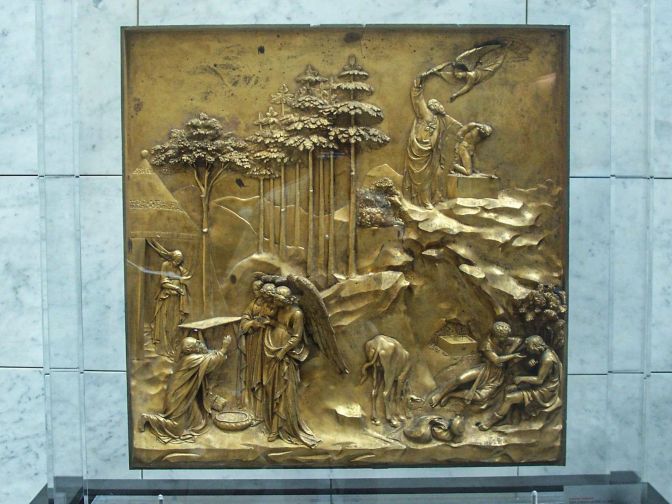
The theme was The Sacrifice of Isaac, perhaps befitting the mood of the city. The commission was offered by a competition to seven artists. The finalists were Lorenzo Ghiberti and Filippo di Ser Brunellesco. There is no modern consensus as to how the commission was awarded to Ghiberti. In the contemporary biographies of both artists, Ghiberti claims to have won by a landslide. However, Brunelleschi’s biographer claims it was awarded to both of them as a collaboration. Stubborn and proud, Brunelleschi then chose to abandon the commission to Ghiberti and set off to Rome where he spent the next fifteen years studying Roman architecture.2
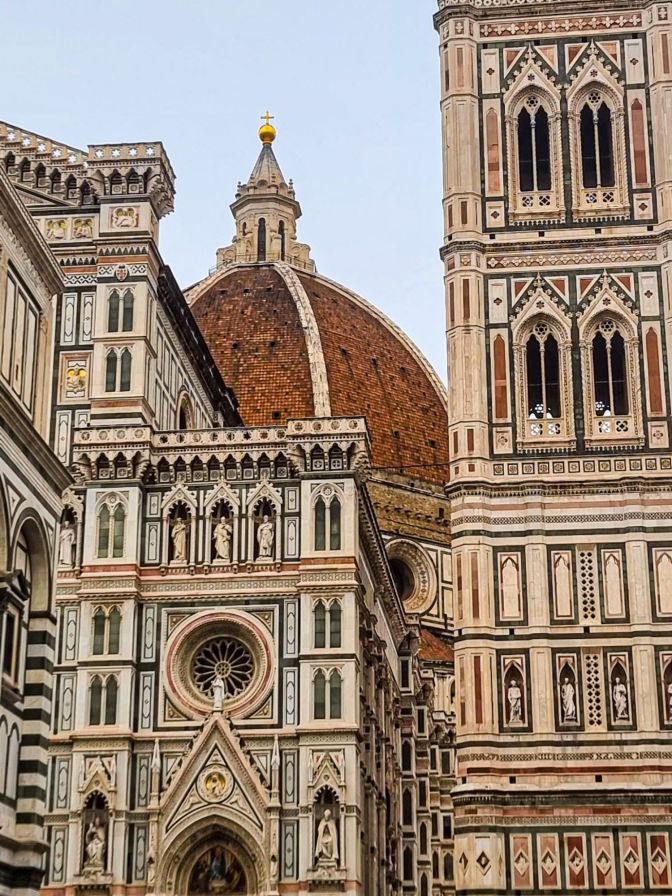
It is within this tapestry of history where we find ourselves in Part II of my Beer & Brunelleschi exploration of Florence. This segment goes to the heart of Florence, the Baptistery of St. John and the Santa Maria del Fiori. Since pubs generally do not open until the late afternoon or early evening in Florence, this means the day can focus on the site-seeing leaving the bibulation for later. Along with a couple nice craft beer bars, I was tempted by a couple of the many wine bars along the way. The two that I chose did not arise from any astute discrimination of a sommelier, but they simply looked casual enough for the unskilled.
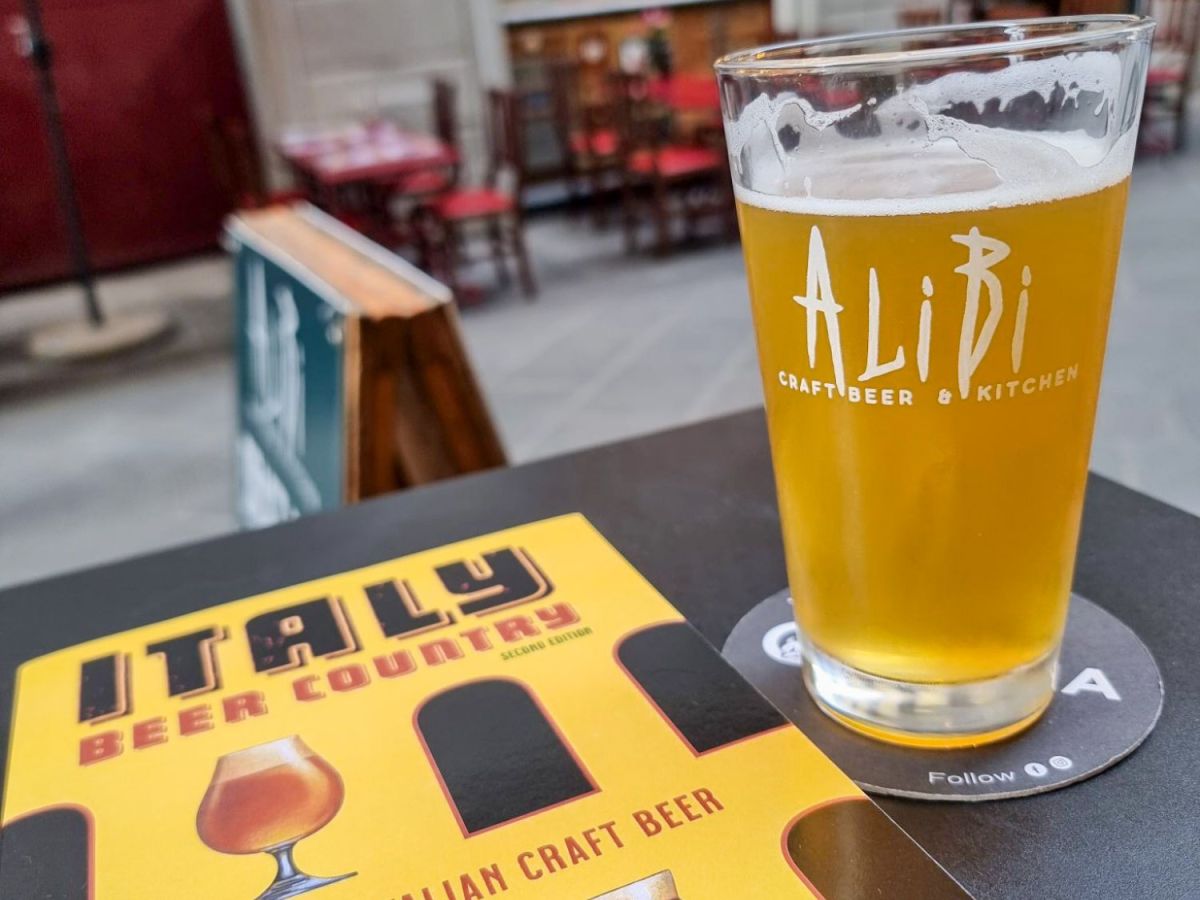
Brewtiful Florence: Beer & Brunelleschi Pt. I
Washing down Brunelleschi & the Renaissance with some great Italian craft beer.
Continue reading Brewtiful Florence: Beer & Brunelleschi Pt. I

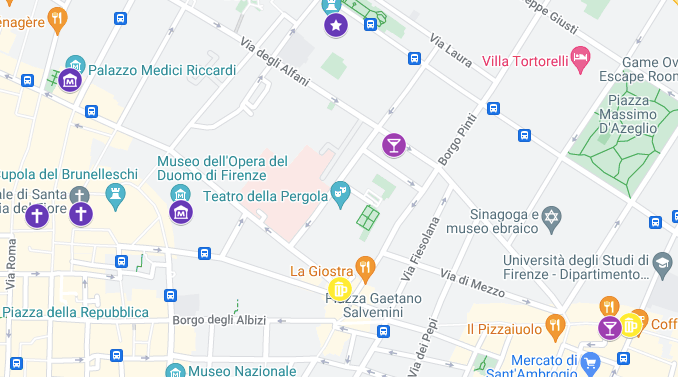
- Baptistery of St. John
- Museo dell’Opera
- Santa Maria del Fiori
- Birreria Articolo 17
- Enoteca Alla Sosta dei Papi
- BEER SPOT
- Vineria Sonora
- Hospital of the Innocents
- Final Words
Baptistery of St. John
This, not the Santa Maria del Fiori, was the primary center of worship or “original cathedral”3 in Florence at the time of the bronze door competition. Every web article known to man about the Baptistery repeats the same fact that Dante was baptized here along with many famous illuminaries from the Renaissance (oddly never giving names to any others). However, more interesting is that up until the early 1900’s at least, all Catholic children in Florence were baptized here. In Grant Allen’s guide of 1897, he states that witnessing the ceremony on a Sunday afternoon was “worth the visit”4.
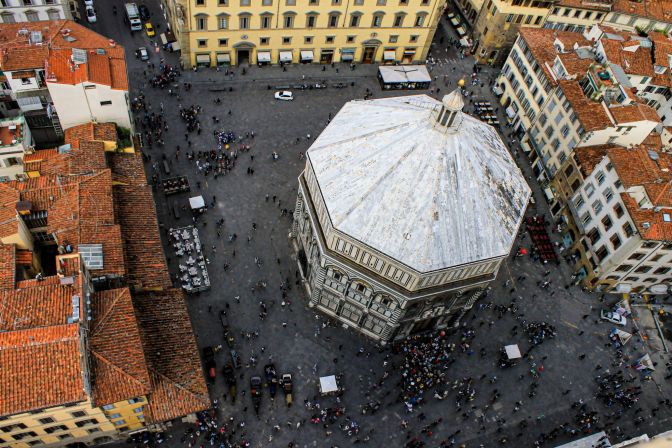
The doors of the competition are found on the north-side of the Baptistery. Today, they are reproductions with the originals being on display in the Bargello. However, it is Ghiberti’s “Gates of Paradise” doors on the east-side, completed some 20 years after the competition doors, which get the most attention.
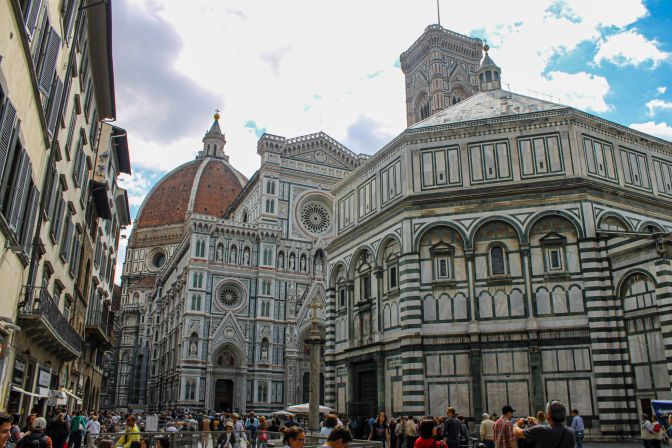
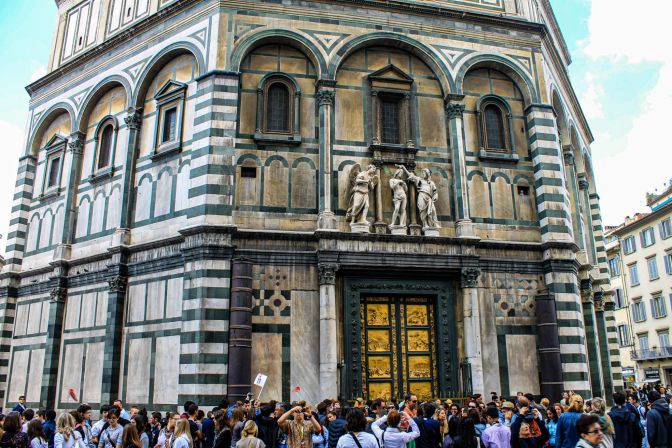
Meanwhile, Brunelleschi’s panels which he entered into the competition are also found in the Bargello Museum which regrettably still remains on my To-Do list. While the Baptistery and the Santa Maria del Fiori may appear to be part of one contiguous architectural design and concept, the Baptistery was already in use over 200 years before the cathedral was even started. Brunelleschi was known to have greatly admired it5. To enhance his understanding of perspective, Brunelleschi invented a device which he used to help paint the Baptistery in “perfect perspective”6. This painting, which was massively famous at the time and was in the collection of Lorenzo the Magnificent, was lost to history after a 1494 invasion from France7.
Museo dell’Opera
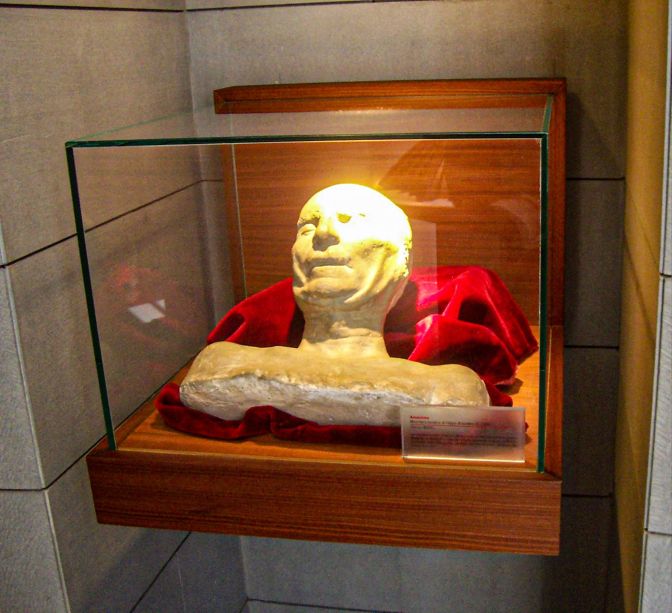
This museum is situated behind the cathedral and is a must see if you want to look at the original “Gates of Paradise” panels of Ghiberti. But for me, the main attraction morbidly enough is the death mask of Brunelleschi made by his adopted son Buggiano.
Santa Maria del Fiori
“…consider for a moment how Brunelleschi fused his life into that supreme achievement impossible to the grasp of duller, feebler intellects, the outer and inner shell forming slowly during a period of fourteen years”
Florence by Virginia W. Johnson (1891)
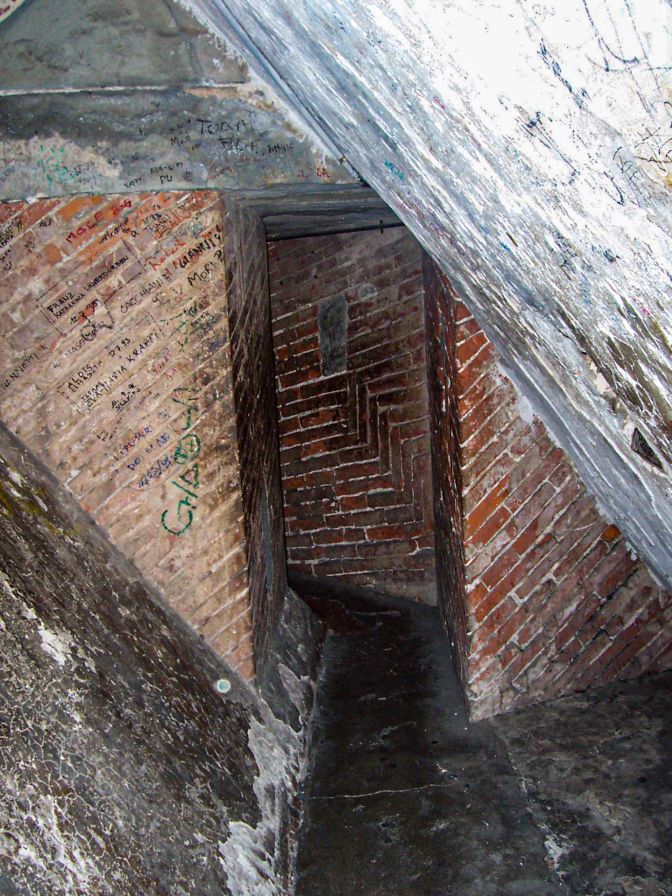
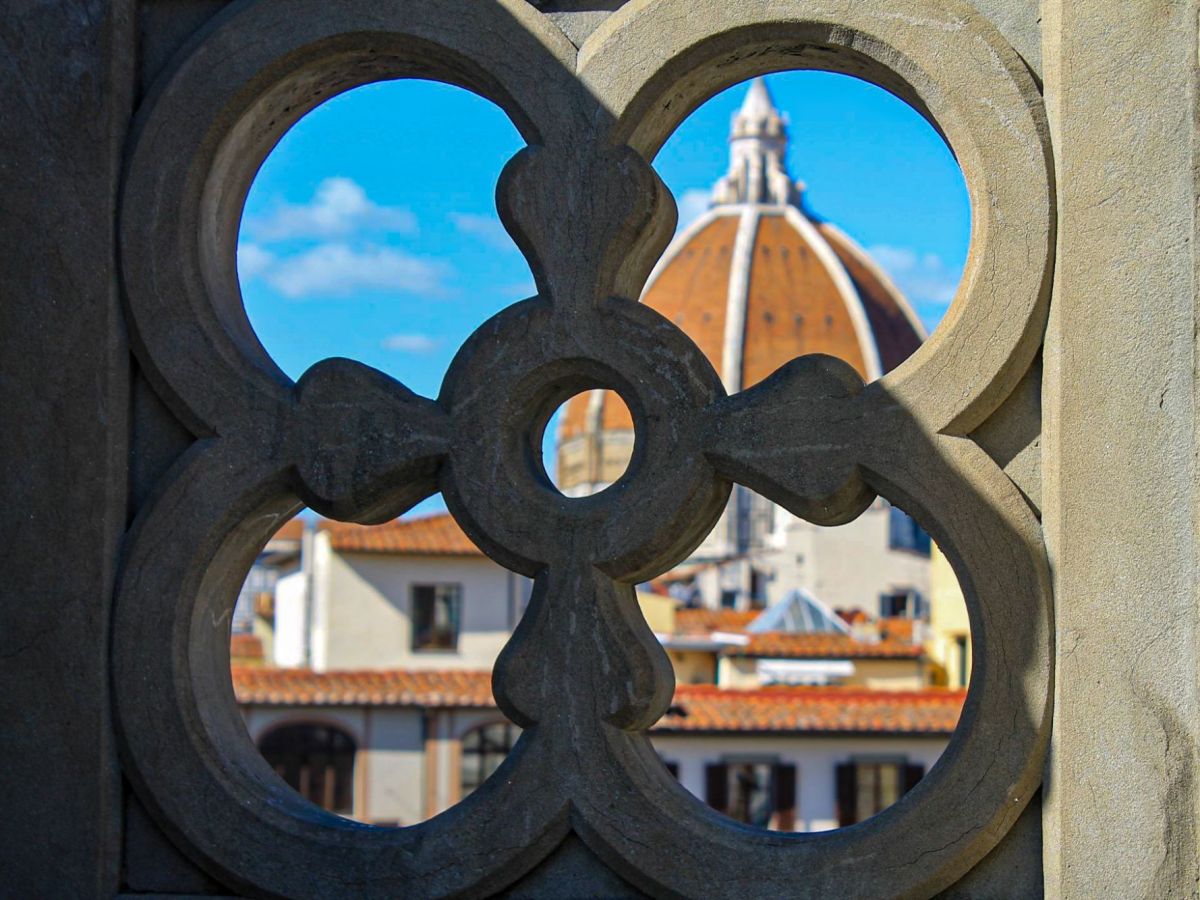
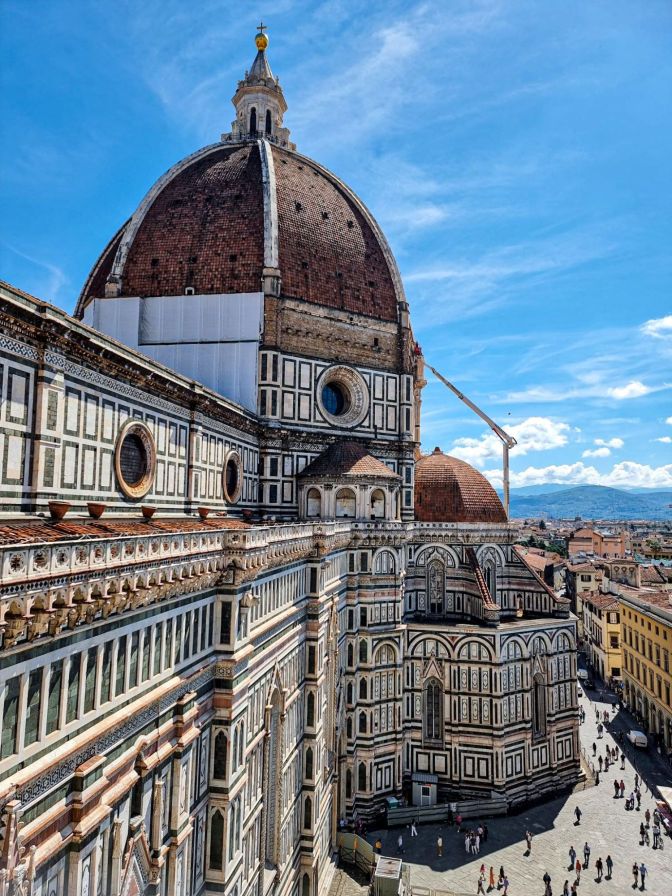
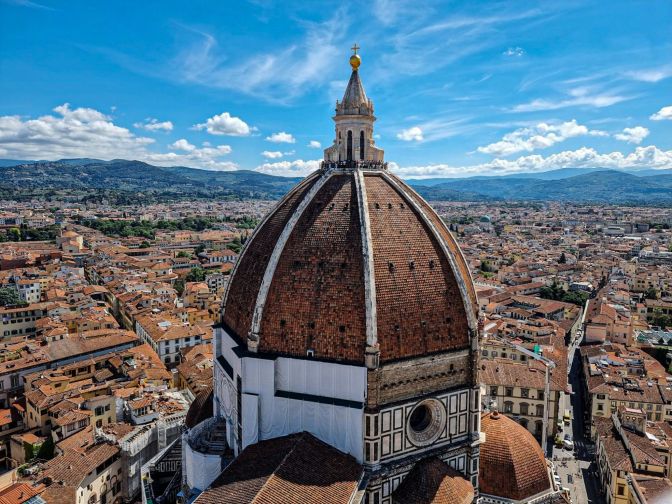
In 1418, the Santa Maria del Fiori stood with it’s nave still open to the sky. Covering it would require the construction of a dome the size of which had never been achieved and without buttresses to support the weight.
Since the competition of the Baptistery doors, Ghiberti had remained in Florence increasing in fame as an artist while Brunelleschi was away in Rome predominantly studying architecture. Brunelleschi was much more prepared for an architectural competition and his design was accepted by the commission. However, to Brunelleschi’s dismay, he was forced to share the capomaestro role with the more beloved Ghiberti and split the salary. Brunelleschi would often feign sickness to force Ghiberti to sink or swim. By 1423, Ghiberti realized he was out of his depth, so he bowed out. The dome and Brunelleschi’s masterpiece was finished in 1436.
Birreria Articolo 17
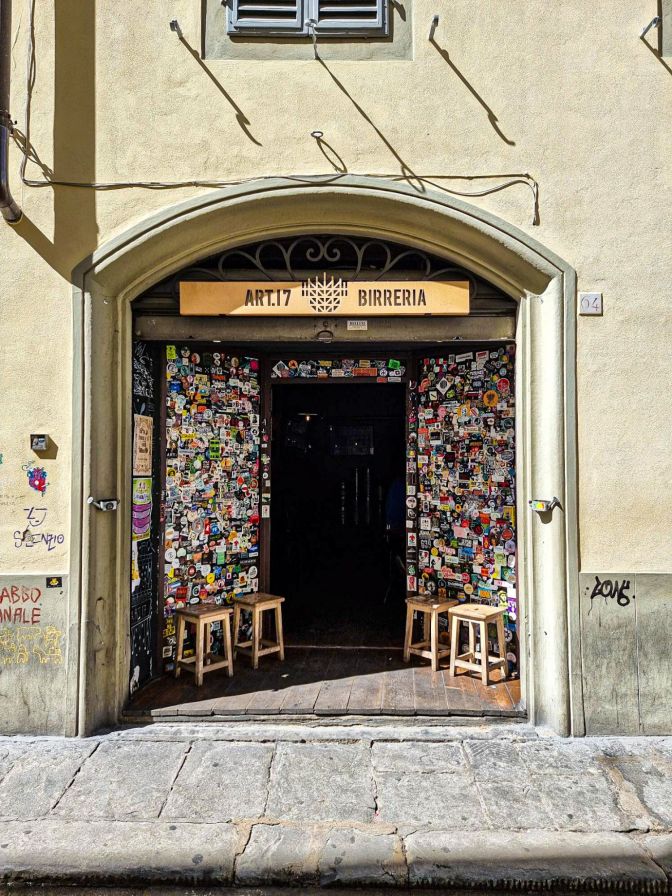
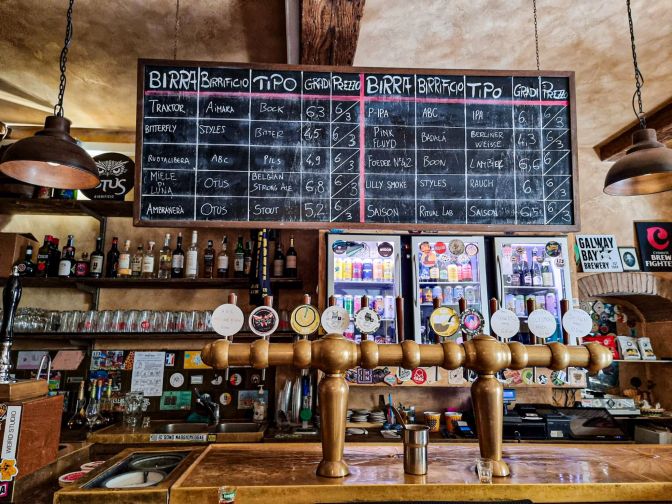
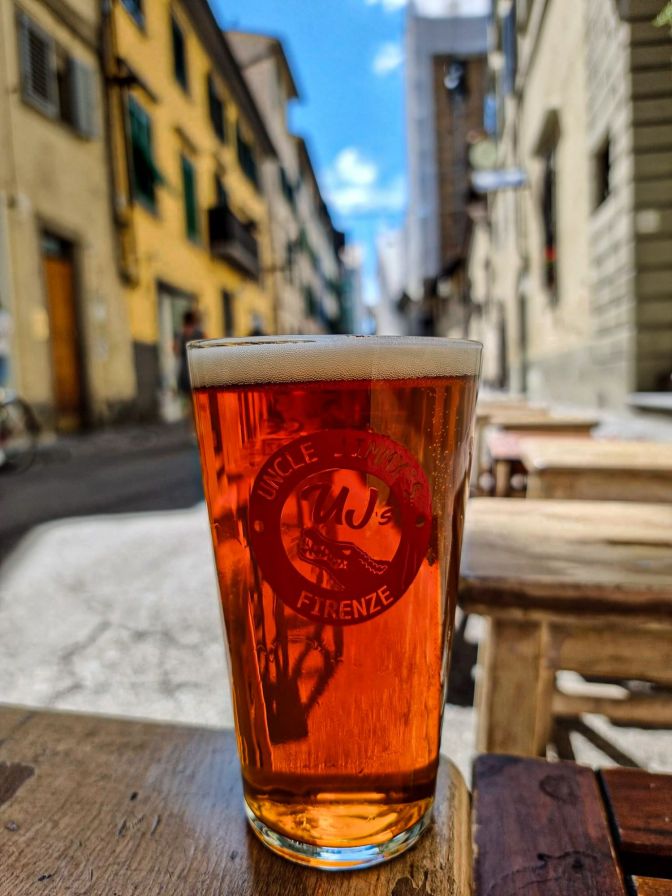
It is recommended to start with this craft beer bar and work back towards the station. Birreria Art. 17 opens at 4pm and is a cozy, dark little watering hole with not-so-comfy little stools to sit outside along a local pedestrian street.
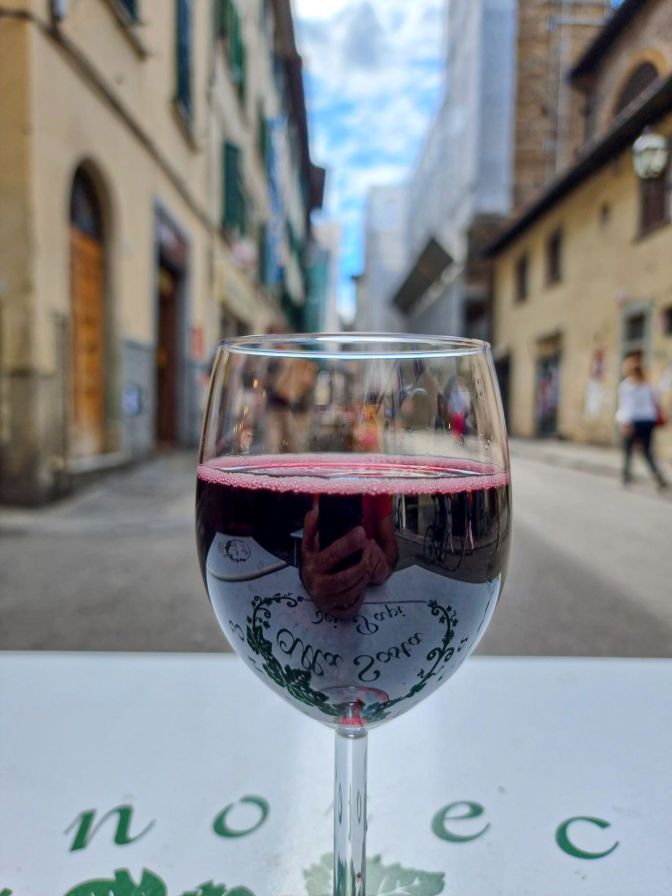
Enoteca Alla Sosta dei Papi
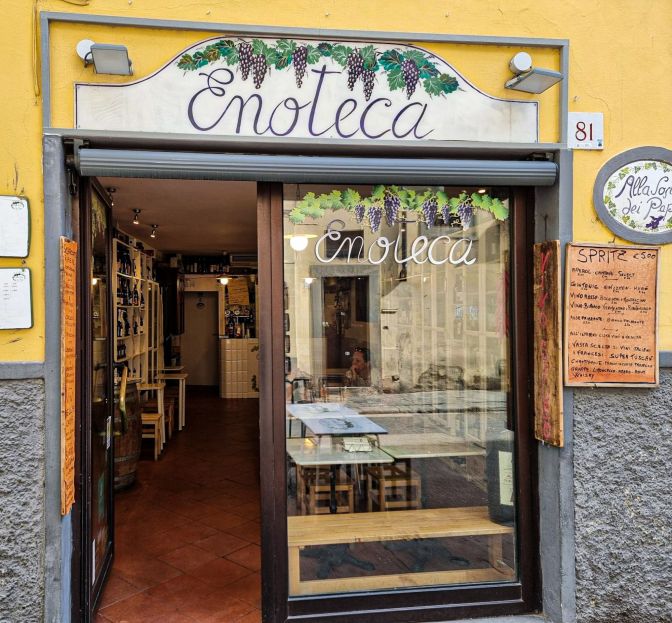
Just a few doors down from the Birreria is this local wine bar, which is closed between 1:30 and 4:00pm. This looks and feels like a place for locals. Most of the pedestrians walking by seem to be focused on going to and from work or school. A little gem in my opinion. I am no wine aficionado, so I am not afraid to admit that I really like Lambrusco, a chilled sparkling red wine. On a hot June day, it was delicious and refreshing.
BEER SPOT
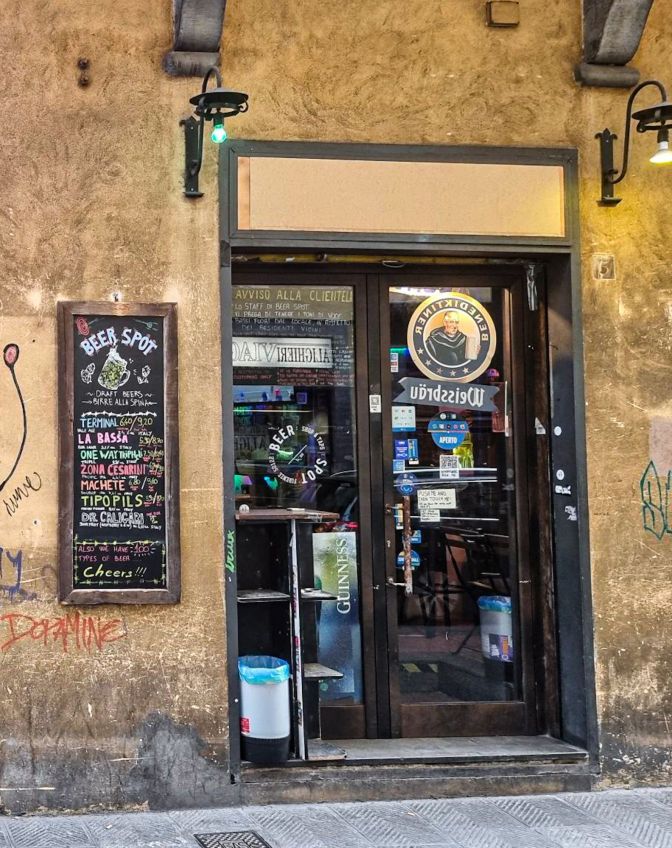
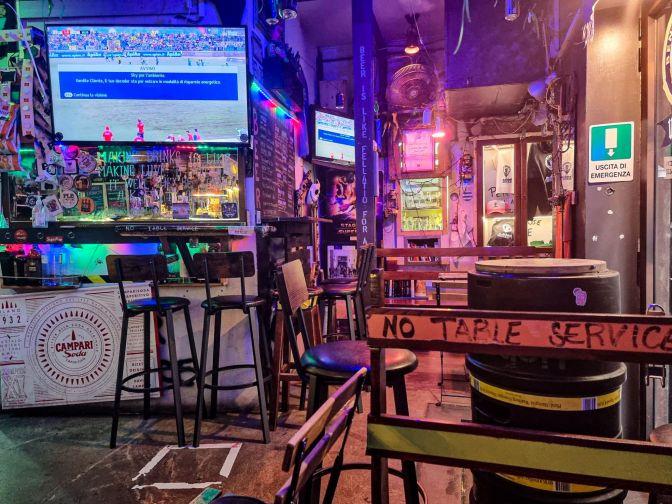
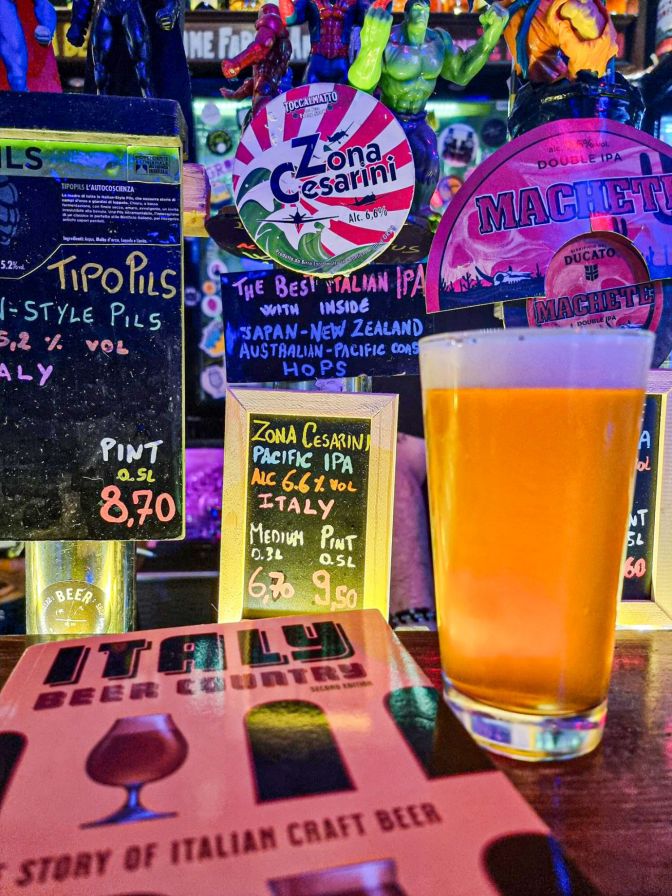
Just a few blocks deeper into the center of Florence from the Enoteca is perhaps my favorite craft beer bar in Florence, which opens at 5pm. It is a kaleidoscope of colors and quirkiness inside, perfect for trying their selection of craft beers from some of Italy’s ground-breaking craft breweries, such as Birra Toccalmatto and Birrificio del Ducato.
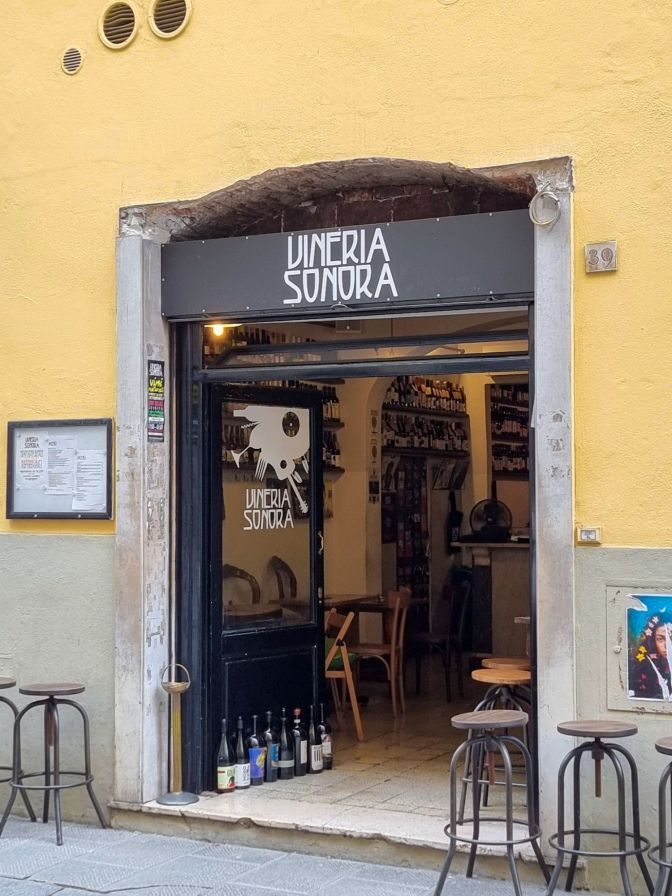
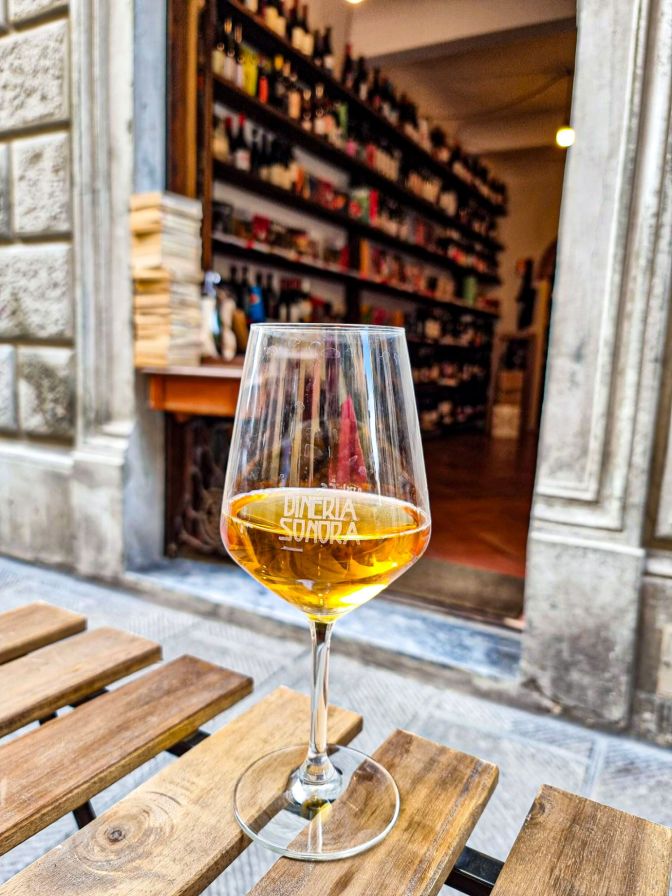
Vineria Sonora
As I was making my way towards the final Brunelleschi site of the day, I passed this inviting wine bar. I opted for a Tuscan white wine.
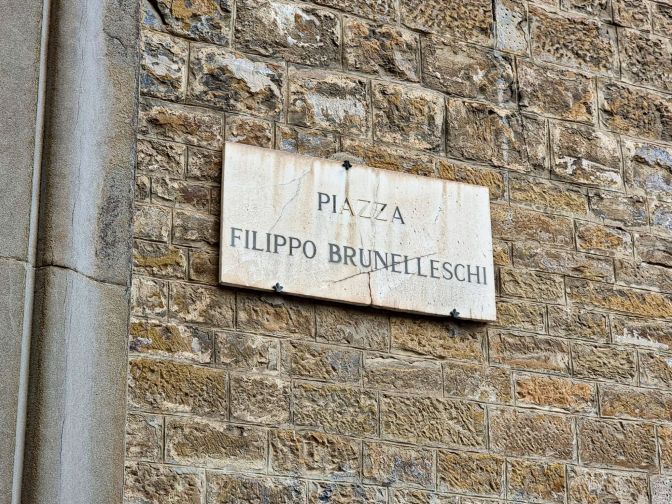
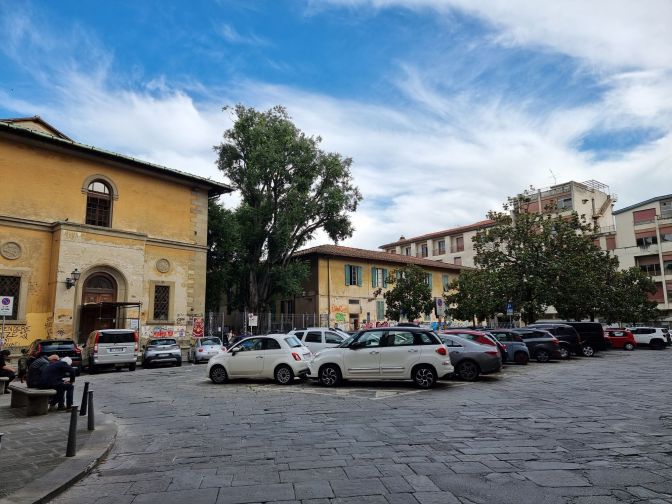
After having my last drink of the evening, I passed a very ordinary parking area in the middle of a modest apartment complex and wondered if Brunelleschi would be proud of his namesake piazza.
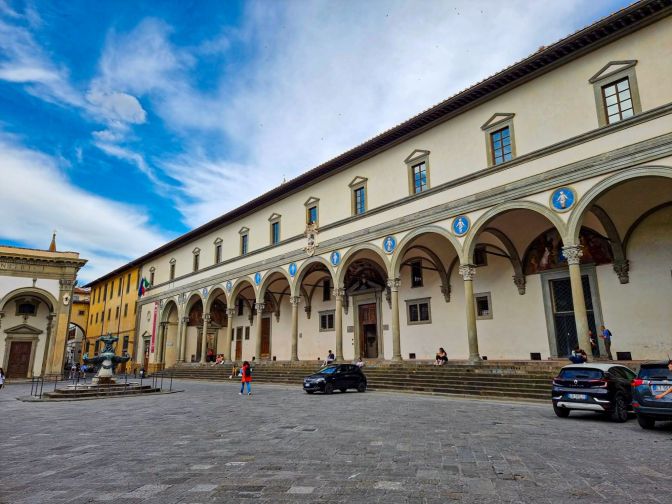
Hospital of the Innocents
Commissioned to Brunelleschi in 1419, a year after winning the dome competition, the Hospital of the Innocents was originally built as an orphanage. Here there was a basin outside where babies would be discretely abandoned and then rescued. Despite his gruff appearance, Brunelleschi was known to be “philanthropic and a patron of poor artists.”8 So it would not be far-fetched to think that this was more than a commission accepted for fame and money.
Final Words
“Florence without Michelangelo would still be very nearly Florence, whereas Florence without Brunelleschi is unthinkable.”
Edward Verrall Lucas. “A Wanderer in Florence.” (1912)
If you could be a fly on a wall at various points in history, somewhere high on my list would be this time period from the end of 1400 when the panel competition was announced right up until the completion of the dome in 1436. To witness his rivalry with Ghiberti, to overhear the discussions of each committee as they decided on the winners, and to follow in Brunelleschi’s footsteps as he rebounded from his disappointment to seek solutions to the great mystery of the Florentine time. How to put a cap on the Duomo? You could imagine it a movie, akin to Amadeus, where Ghiberti would be falsely cast as a Salieri-like villain. This, however, was not the case. Ghiberti was well-loved and a genius in his own right. But it is Brunelleschi in his “dirty and dishevelled clothing”9 who is the great enigma; who some authors like E.V. Lucas put at the pinnacle, while others like John Ruskin anoint Giotto with no mention at all of Brunelleschi10. It is this cinematic and dramatic universe that also makes Florence a great city to contemplate the rivalry between beer and wine. Beer & Brunelleschi in my book.

- The Feud that Sparked the Renaissance by Paul Robert Walker (Perennial, 2003) ↩︎
- Brunelleschi’s Dome by Ross King (Penguin Books, 2000) ↩︎
- Grant Allens Historical Guides: Florence (1897) ↩︎
- Grant Allens Historical Guides: Florence (1897) ↩︎
- https://www.academia.edu/118364476/_Fiorenza_figlia_di_Roma_New_Light_on_the_Baptistery_of_San_Giovanni_and_the_Chronology_of_Florentine_Romanesque_Architecture ↩︎
- Brunelleschi’s Dome by Ross King (Penguin Books, 2000) ↩︎
- Brunelleschi’s Dome by Ross King (Penguin Books, 2000) ↩︎
- A Wanderer in Florence by E.V. Lucas (1912) ↩︎
- Brunelleschi’s Dome by Ross King (Penguin Books, 2000) ↩︎
- Mornings in Florence by John Ruskin (1875) ↩︎

 itsabrewtifulworld