
“AUGSBURG. The very name brings up vivid dreams of ancient splendor, and the picture of that vast, endless sea of evolution, on artistic and progressive lines, which is comparable only to that of Italy’s.”
A Brief History of Bavaria by Gertrude Norman (1906)
Augsburg seems to me to be one of those cities which most people will recognize by name; and most people will have a sense that it imbues some unknown importance. But it likely exists generically in the mind with whatever kaleidescope of random images one conjures up when imagining an old European city. Augsburg lies a mere 30-minute train ride from Munich, which today overshadows Augsburg at least in terms of name recognition and global fame.
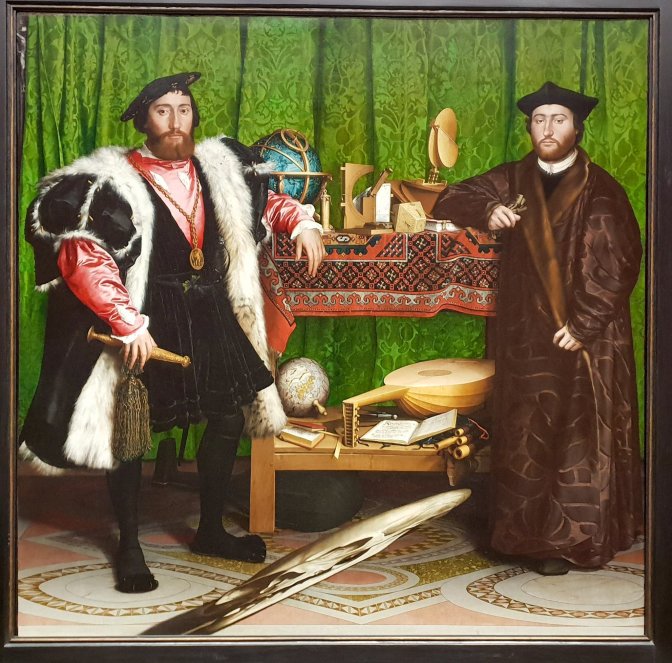
I compare Augsburg somewhat to Antwerp, Belgium. In the 1500’s, neither city was a capital, but they both outshined the city that was or would become, only to have the ever-changing landscape of European politics and religious conflicts erode their importance over the subsequent centuries. While the capital cities of Brussels (Belgium) and Munich (Bavaria) rose to prominence, Augsburg and Antwerp were relegated to the second tier. They both were renowned as being centers of art and gave birth to some of Europe’s greatest painters. Antwerp brought forth the likes of Van Dyck, Jordaens, and Frans Hals while Augsburg gave us Hans Holbein the Elder and Younger.
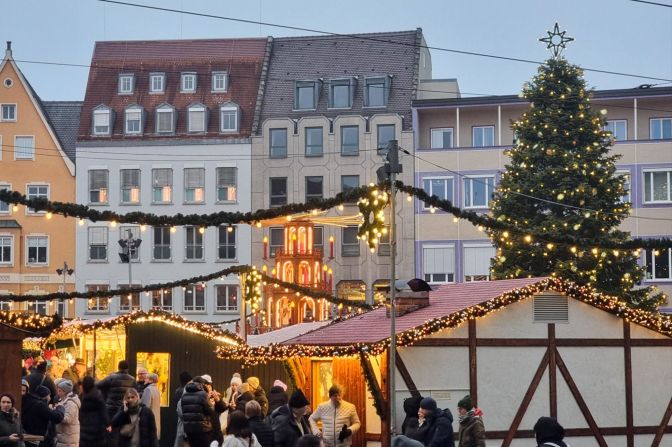
Today though, Antwerp fancies herself as walking the catwalk like she belongs with Europe’s supermodels, but I see Augsburg as a city which long ago has settled into her cozy place in the Bavarian landscape, content to let visitors come to drink beer at one of her several breweries and turn back the clock to the 1500’s. In December 2025, that’s exactly what I set out to do by train from Munich. And visiting Augsburg during the Christmas season gives one the opportunity to experience a way in which Augsburg excels over Munich in the modern day, it’s Christkindlmarkt.
When you arrive to Augsburg, it is good to arrive with a thirst for beer. Despite being so close to Munich, Augsburg retains its own singular beer identity. This makes it a great city to do a bräuhaus crawl while timewarping to the 1500’s. If you were arriving to Augsburg in the early 1500’s, you would be completely aware that you were entering the domain of the richest man in Europe, Jakob Fugger, who dabbled in all sorts of money-making professions, like textiles, banking, and mining. You probably don’t get that rich without stepping on some toes, but this was no cigar-chomping calloused businessman. Fugger founded and built the first social housing community of 52 homes starting in 1514 which still today has a rent equivalent to less than 1 euro. The Fugger family used their wealth to finance the successful election of Charles V (of Gouden Carolus and Keizer Karel beer fame) to the position of Holy Roman Emperor in 1519. So it is easy to understand why in 1530, even though Munich was already the capital of Bavaria, it was in Augsburg where Charles V called several leaders from all over Europe to a diet to try and unite the Christian faith against the Ottoman siege of Vienna. It was before Charles V that Philipp Melanchthon read the document that would become known as the Augsburg Confession where he laid out 28 Articles of the Lutheran faith which was one of the defining documents of the Protestant Reformation.
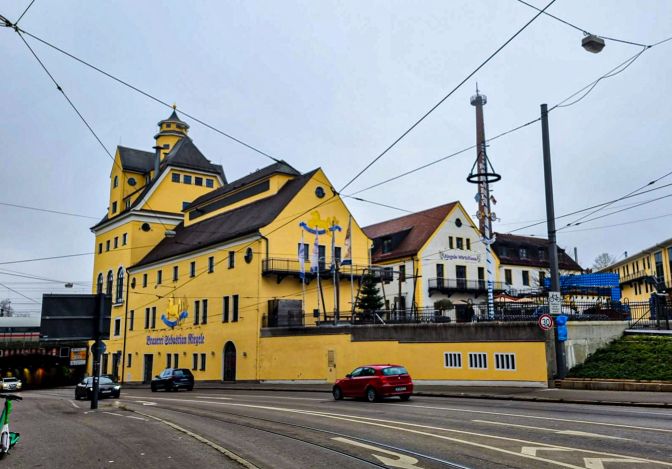
It is also recommended to arrive in Augsburg by train around lunch time. When you emerge from the Augsburg train station and take a left, within two minutes you can kick off the visit at the Riegele Brewery and Wirtshaus.
Riegele Brauerei and Wirtshaus
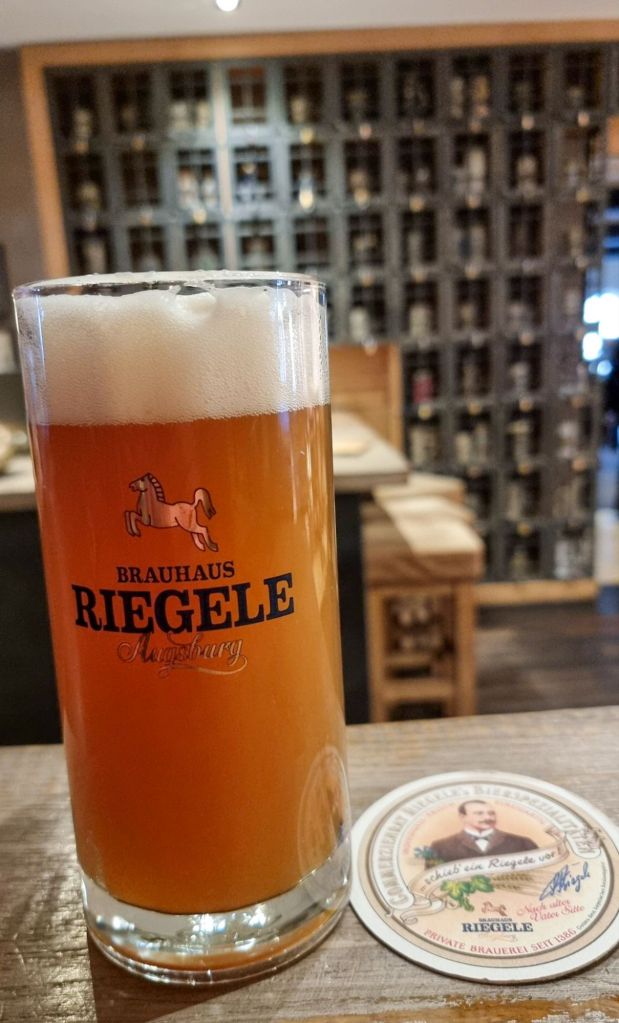
The Riegele Wirtshaus is a classy hospitable place to fill the belly with some good German food to prepare for an afternoon of beer and gluhwein fun.
After a hearty salad with grilled hähnchen, I started my exploration of Augsburg from the south, visiting the Basilica of St. Ulrich & Afra and the Rotes Tor.
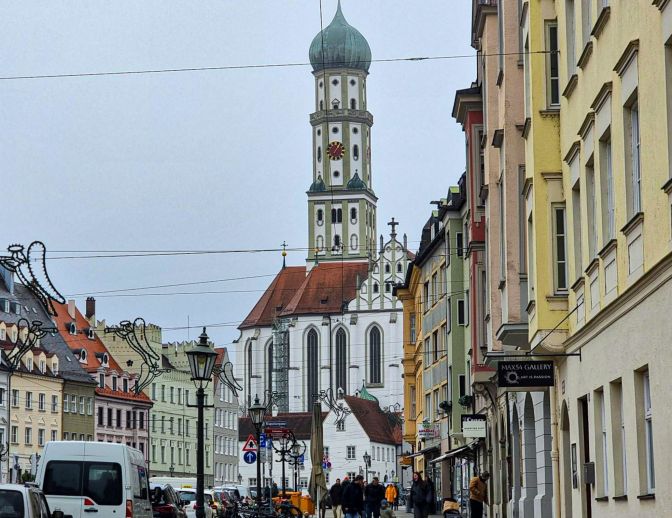
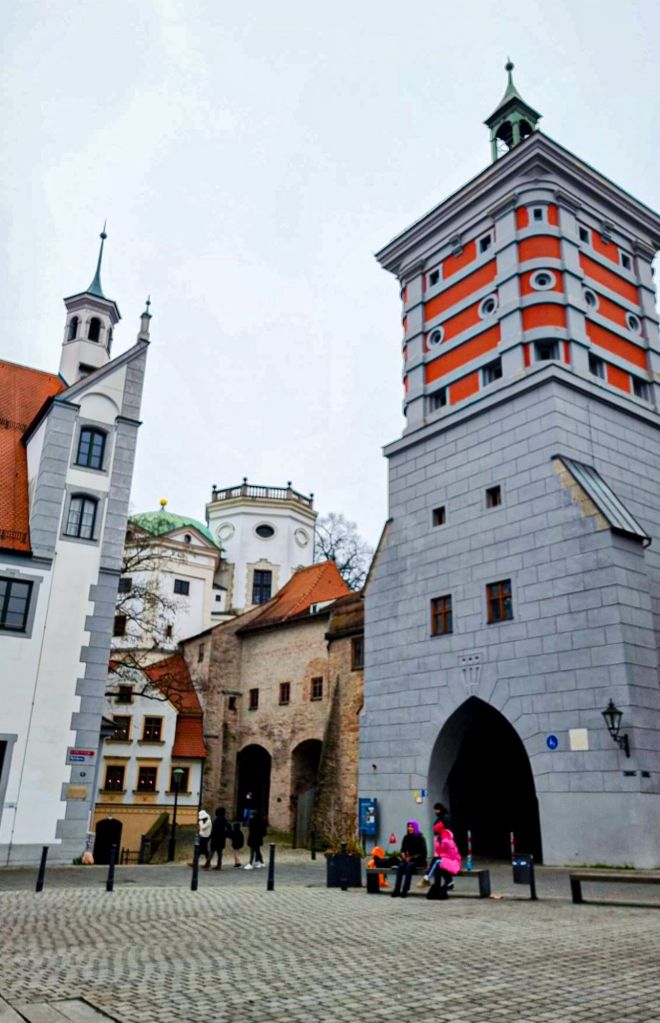
Coming north along the Maximilianstraße, you reach the start of the Christkindlmarkt festivities at the Moritzplatz and the colorful Weberhaus.
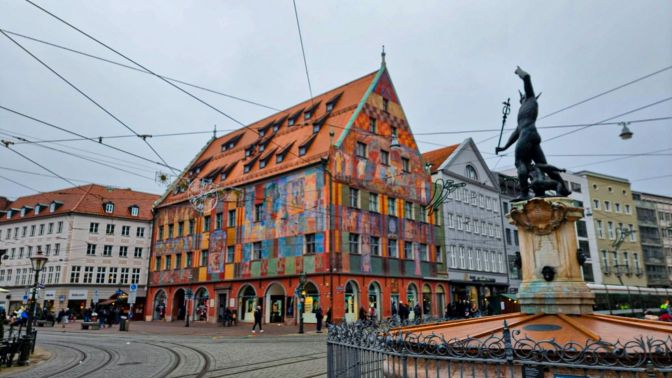
It is here that you find the second brewery bräuhaus, König von Flandern.
König von Flandern
Meaning King of Flanders, this historic bräuhaus occupies one of the beautiful pastel, almost Flemish or Dutch-looking houses on the Moritzplatz. There never was such a position as King of Flanders so it is likely a reference to medieval folklore.
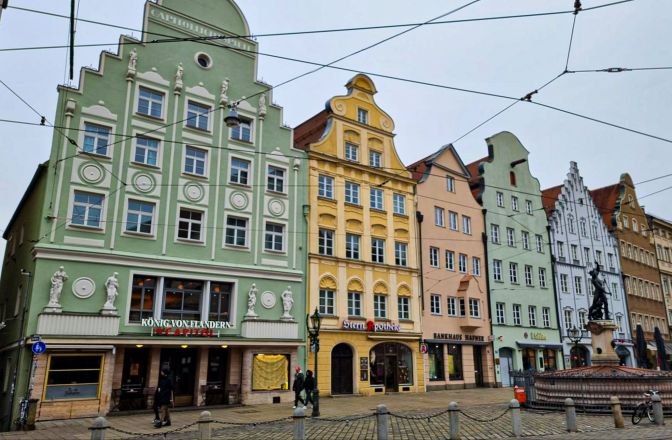

Christkindlmarkt – Fuggerplatz
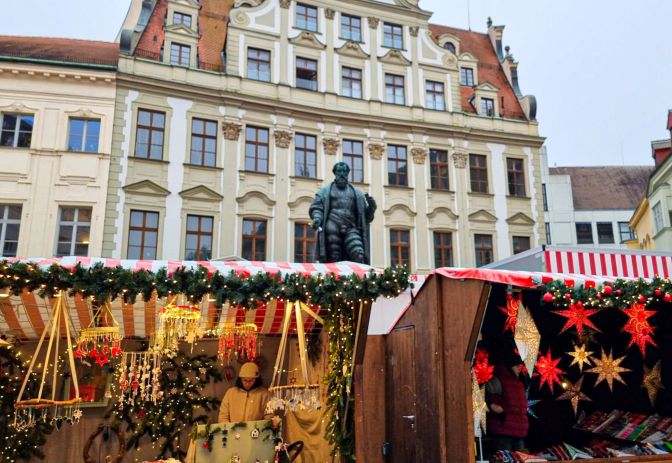
The Augsburg Christkindlmarkt occupies a handful of the city’s historic squares. One of them is the Fuggerplatz, where Jakob Fugger finds himself surrounded by a network of kiosks. Everywhere you look in Augsburg, you find buildings of Gothic, Renaissance, and Rococo architecture which make an elegant backdrop to the Christkindlmarkt. The savory aroma of grilling bratwurst hung in the air like an umami incense. I noticed immediately that the products being sold in the Augsburg Christkindlmarkt felt more authentic to the Christmas Spirit of handicraft than the wares in Munich.
Christkindlmarkt – Lutherplatz
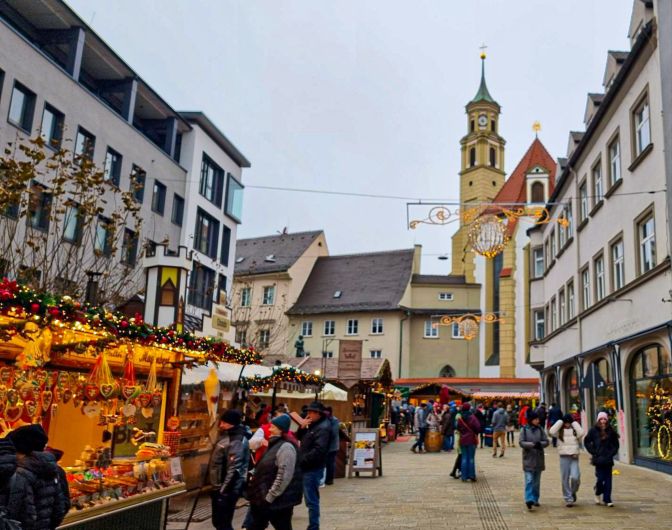
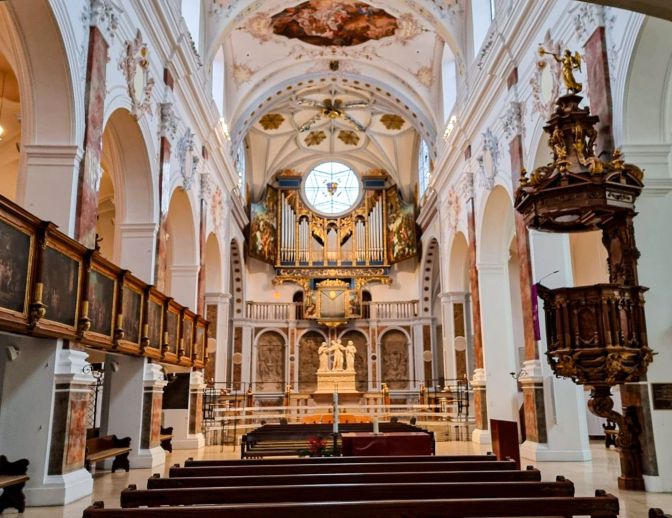
Just around the corner from Fuggerplatz is Lutherplatz and the St. Anna church. I continued to be impressed by the coziness of the Christkindlmarkt. Meanwhile, if there is any church to visit in Augsburg to capture the spirit of the 1500’s, it is this one. So, I took my leave temporarily from the Christkindlmarkt and stepped back to 1518.
St. Anna Church
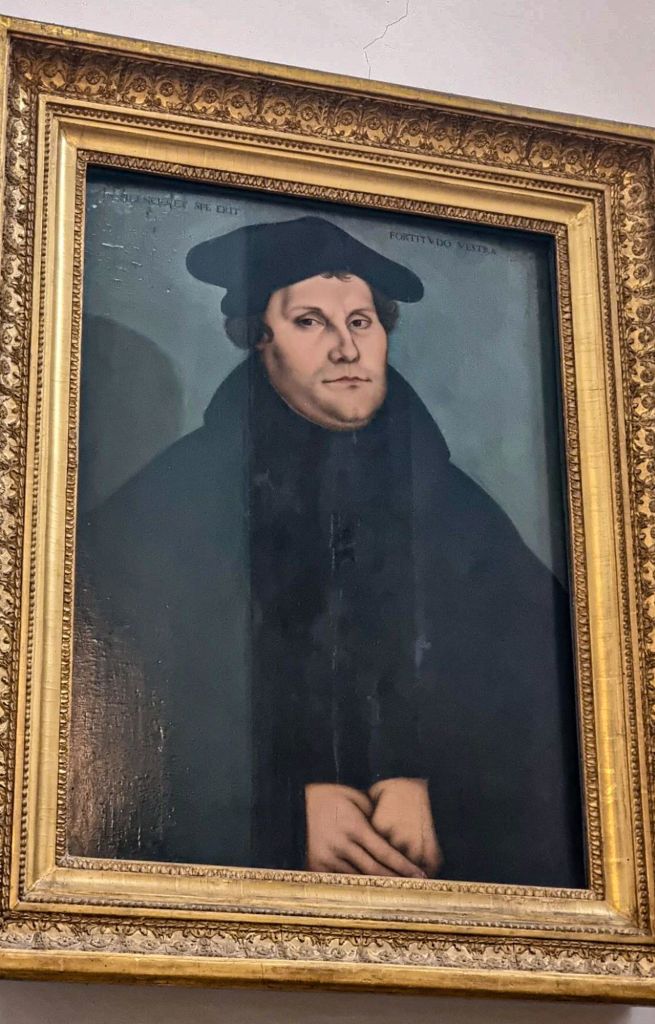
I began this post referring to the Augsburg Confession in 1530. Martin Luther was co-writer of that document, but because he was considered an outlaw, he was not present to read it. Rewind twelve years to 1518 and Luther found himself in Augsburg being interrogated by Cardinal Cajetan for Luther’s 95 theses, which legend says he nailed to a church door in Wittenberg, Germany. St. Anna Church offers an exhibit which starts with that interrogation and follows the role that Augsburg would have on the Protestant Reformation and some of its most historical moments, including 1555’s Peace of Augsburg which allowed rulers within the Holy Roman Empire to choose between Catholicism and Protestantism. As we know from the turmoil of the 1600’s, this peace was temporary.
Back out into the Christmas fairyland of Augsburg, I headed towards ground zero.
Christkindlmarkt – Rathausplatz
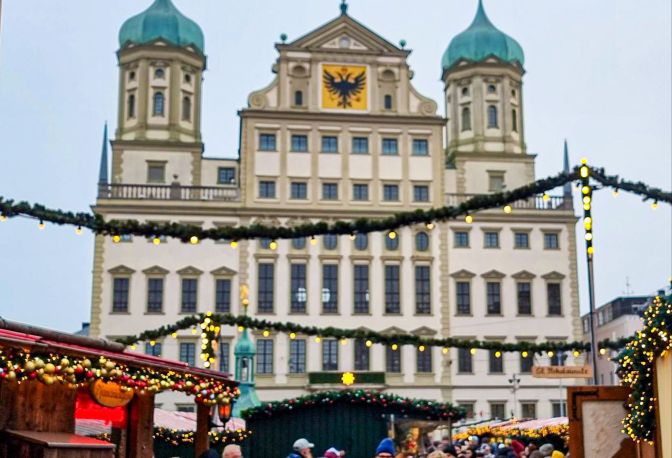
Here we might have one of the finest Christmas Market platzes in all of Germany. In contrast to the Neo-gothic Neues Rathaus in Munich, in Augsburg you have the Renaissance style Rathaus. The wide avenues of the Augsburg Christkindlmarkt seem to allow it to breathe better. Perhaps it was the time of day, but despite the crowds, navigating the market did not feel like a chore as it does in Munich. In addition, the quality and variety of what was being sold was more original and less repetitive as in Munich.

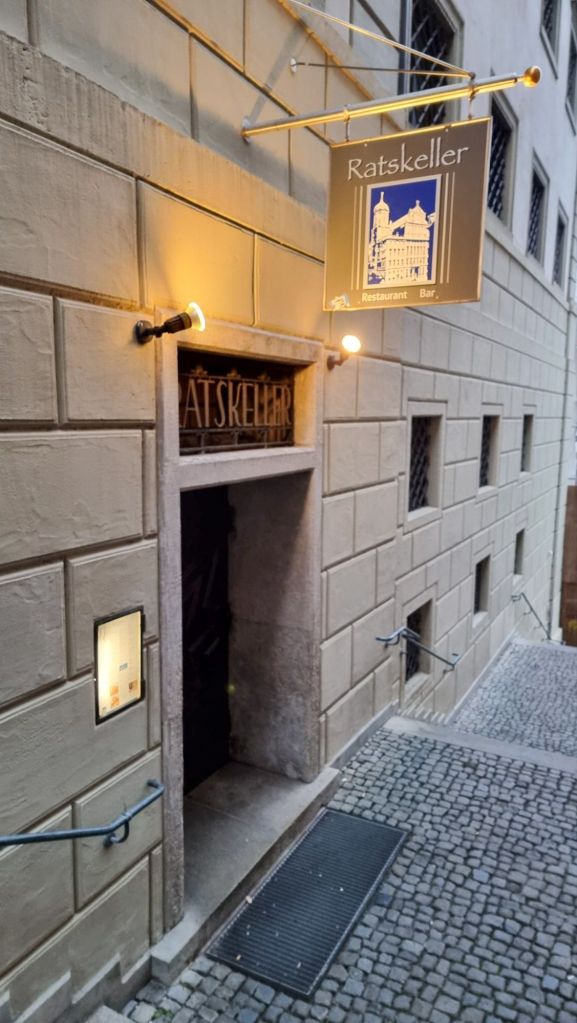
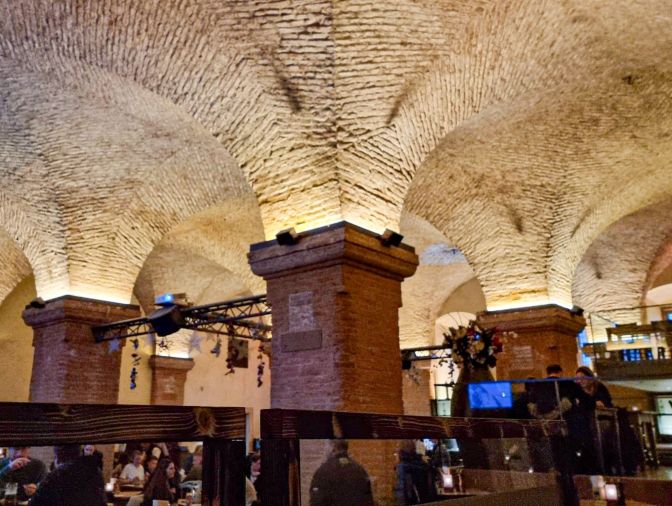
Beneath the Rathaus is a restaurant called the Ratskeller with vaulted brick ceilings that give the atmosphere of a medieval crypt or wine cellar. I had dinner here many years ago on a business trip. During this visit, I was content to just peek inside to refresh my memory.
The Fuggerei
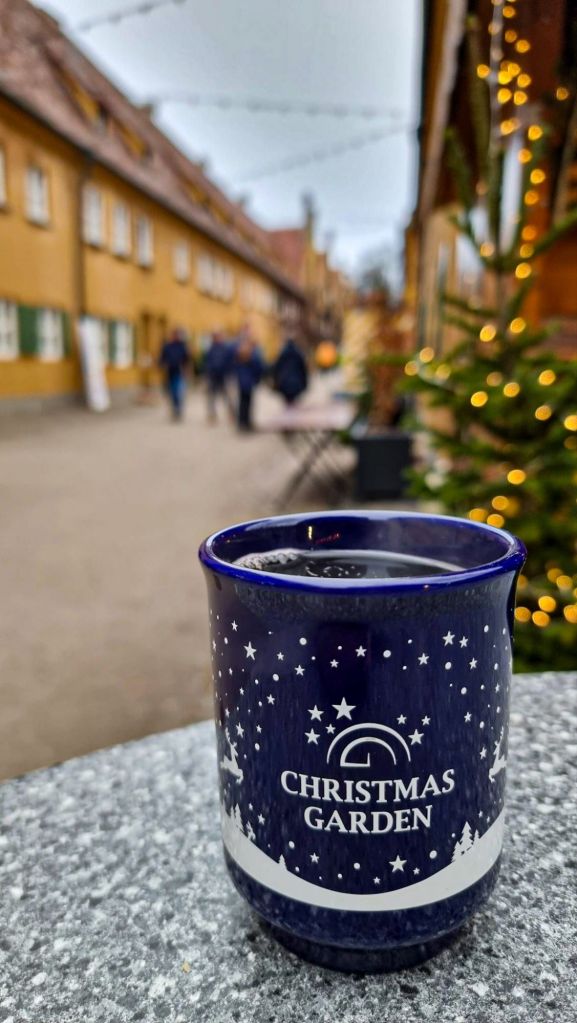
Just a few blocks from the Rathausplatz is the Fuggerei, the social housing community started in 1514. Here there was a gluhwein stand and a merchant selling and wrapping Christmas trees. Most of the houses are still occupied and measure anywhere from 45 to 65 m2. It does not have the medieval quality of a Flemish begijnhof, but it has a similar layout while serving a different function. Of most interest to me was the bunker where the residents had to hide when Augsburg and the Fuggerei suffered from the bombs of World War II. Franz Mozart, the great-grandfather of Wolfgang lived here in the late 17th century.
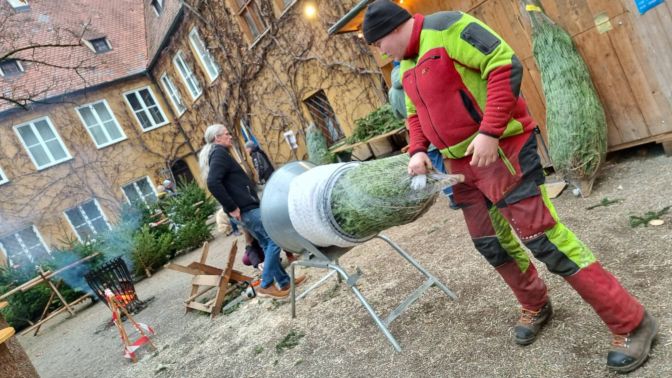
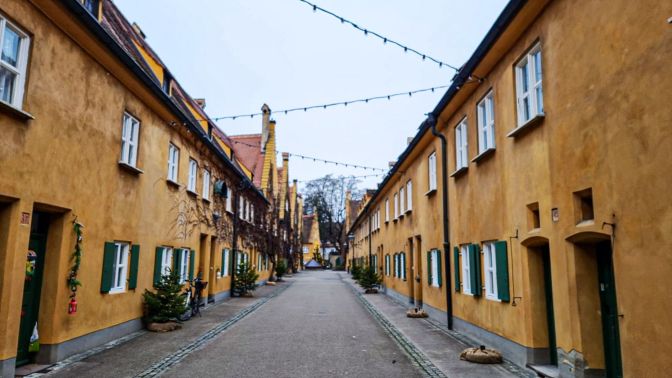
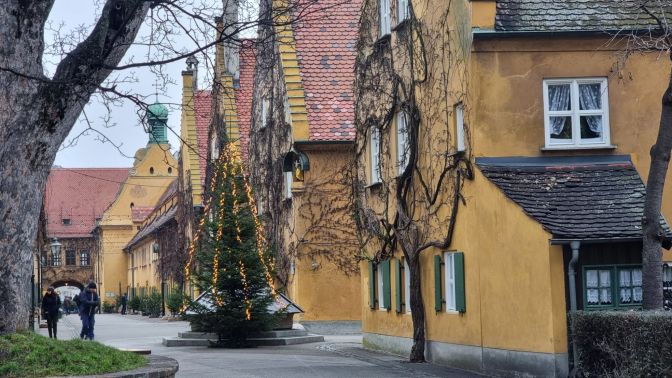
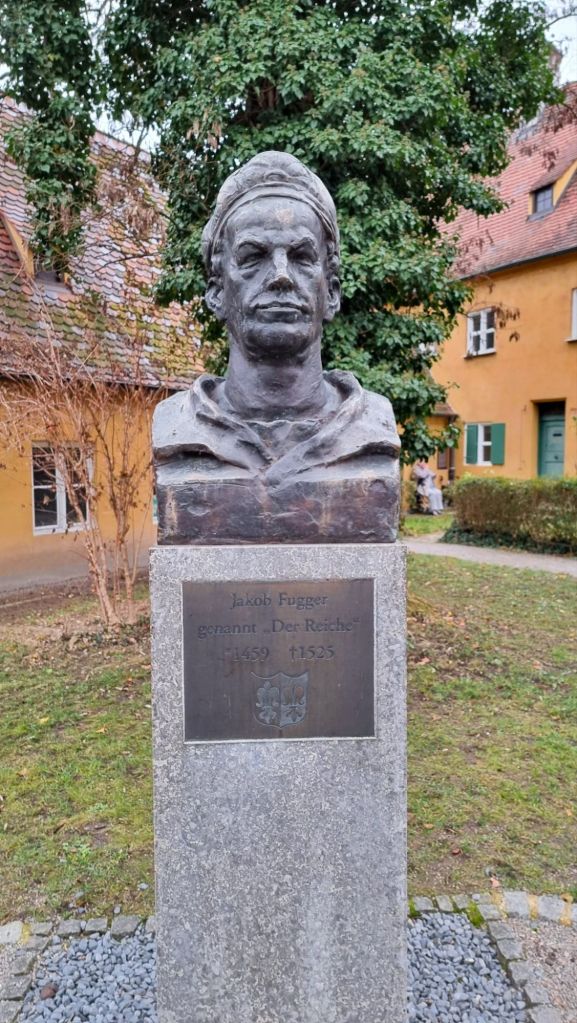
After the Fuggerei, I headed to the north of Augsburg stopping at the Dom and passing by another link to Mozart, his father Leopold’s childhood home.
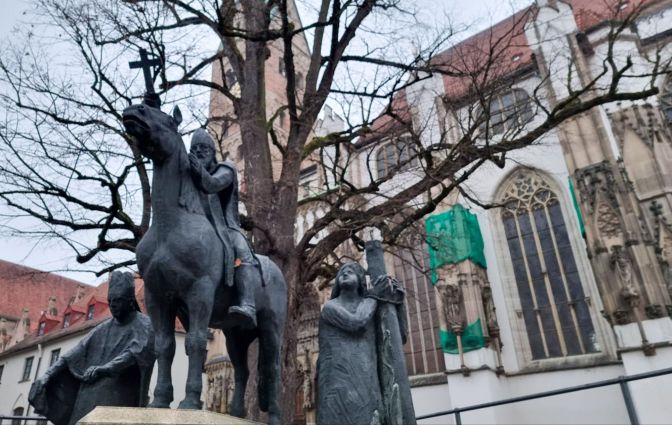
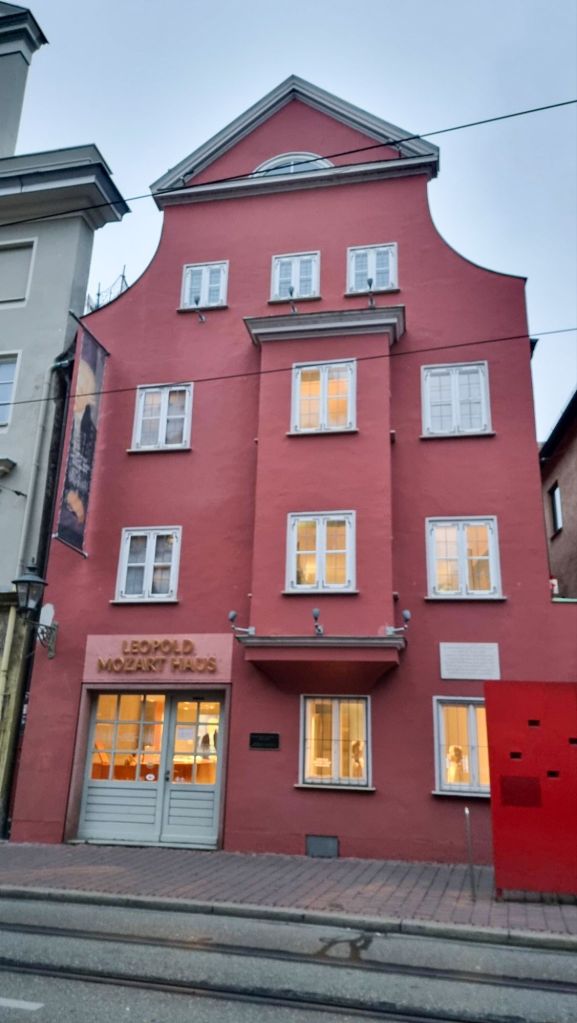
And shortly after, I discovered a small brewery which wasn’t on my list.
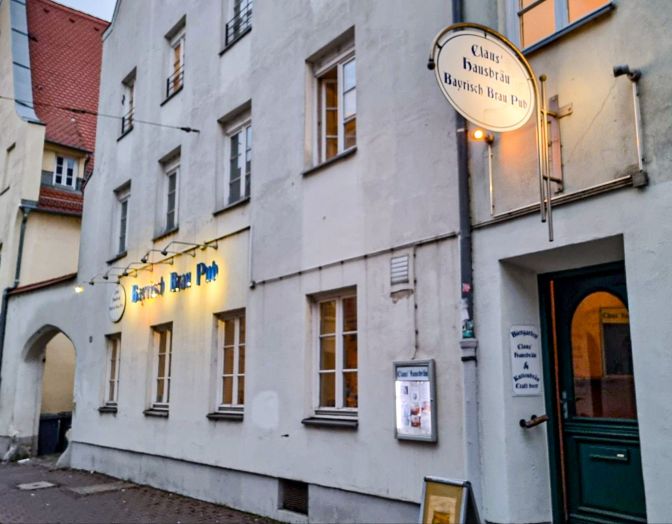
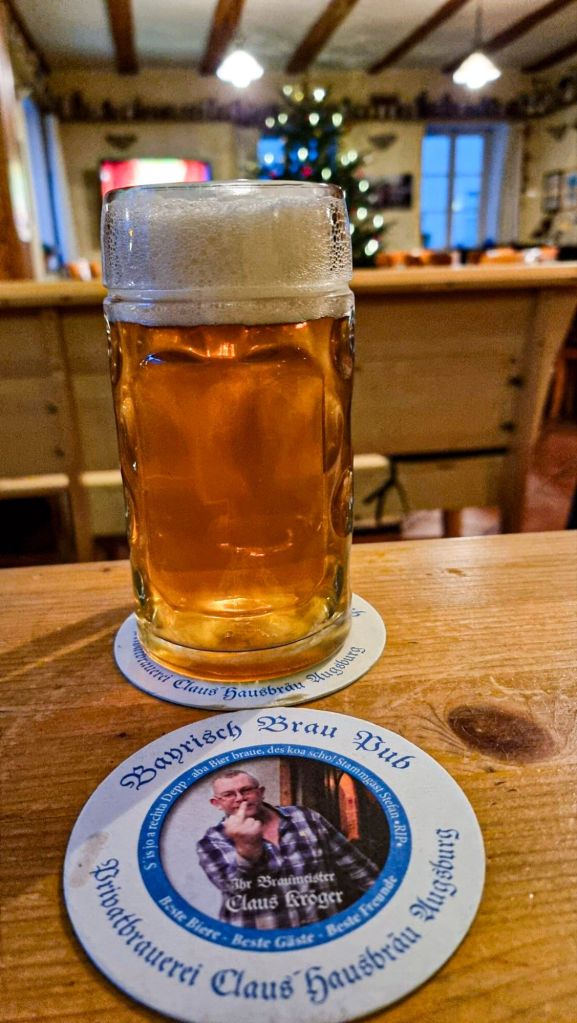
Bayrisch Brau Pub
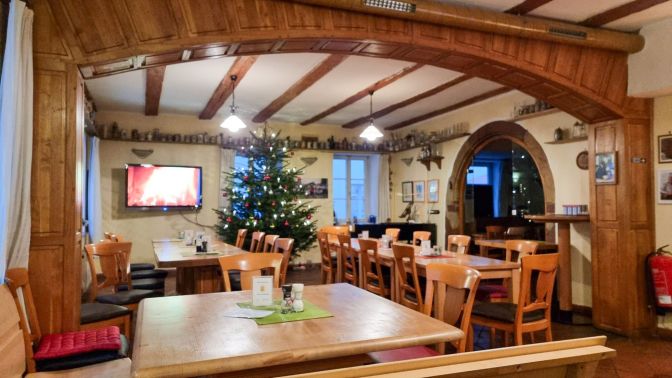
With a name like that, it would seem to be a pub specializing in serving beers from all over Bavaria, but this is actually a small craft beer brewery. The outside has the simple white-washed look you might expect to find in the 1500’s. Under the advanced dusk of the evening, it gives off a timeless mystique. The inside was empty at the early evening hour allowing me to quietly listen for the ghosts of conversations and gossip that might have happened after citizens heard the words spoken by Philipp Melanchthon in 1530.
Thorbräu Bierkeller
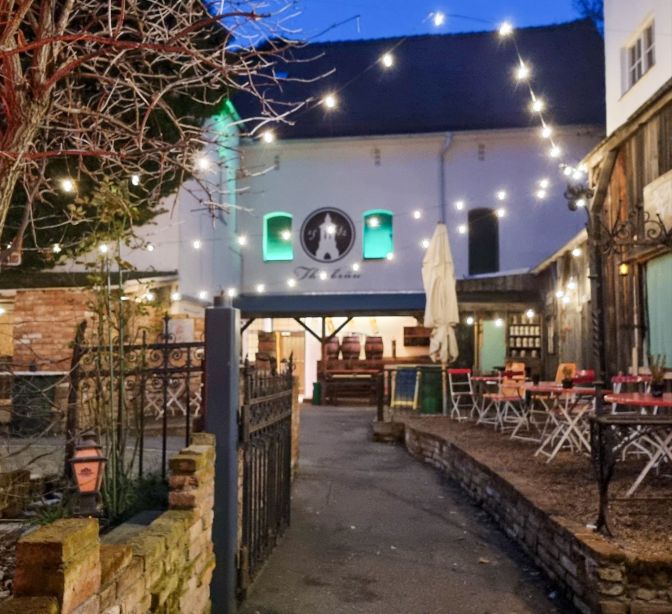
The final stop was this brewpub affiliated with the local Thorbräu brewery, brewing beer just a few blocks away since 1582. What a century that was for Augsburg! Despite the name, Thorbräu Bierkeller only serves the Thorbräu beer in the bottle and no longer on tap. There were some recent issues with the consistency of the quality of the kegged beer. Let’s hope this doesn’t interrupt the success of one of Germany’s oldest breweries.

Final Remarks
I recently proclaimed Munich to be the Valhalla of all beer cities, but Augsburg definitely deserves some accolades of her own. Despite being so close to Munich, Augsburg does not need to ride Munich’s coattails and simply re-market the Munich beers. Augsburg’s beers belong to Augsburg and have their own distinction. Meanwhile, what Augsburg lacks in notoriety, she makes up for by presenting us with a Christkindlmarkt that, in my opinion, far exceeds her more famous neighbor. While Munich gets all the attention, from the little I have read about Augsburg, you could argue that the history of western Europe from the early 16th century onwards was like a bicycle wheel with Augsburg, not Munich, as one of the cities at its center. The fate of the continent from that point on was tied to the events of the Protestant Reformation. So much of the domino effect that the Protestant Reformation had seemed to originate or accelerate from the halls of Augsburg’s palaces and churches. This, of course, is oversimplifying history, but part of the fun of traveling for me is not getting bogged down in the details but finding the essence that gets me immersed into the places I visit. In Augsburg, that essence is squarely in the 1500’s. So the next time you are in Munich at Christmastime feeling squashed like a sardine on the Marienplatz, hop on a train, time travel back 500 years and make the Christkindlmarkt fun again.


 itsabrewtifulworld
My wife and I were in Augsburg as part of our self-guided eight city Christmas Market tour at the end of November. Alas! Unlike the 2023 German Beer City tour I took with my neighbor, beer was at best a tertiary priority on this trip. Christmas markets and Gluhwein were of course the highest priority followed by churches/cathedrals (we saw both that you noted above), with me trying to squeeze in beers when and where I could. We had dinner at the Ratskeller (though the construction around the platz on the eastside of the building confused us as to where we could enter) and I had several Riegele beers there. I also had the opportunity to pick up a Lauterbacher Helles Brotzeit Bier (I found the label interesting) at the Rewe near the Rathaus.
We considered going to Thorbräu Bierkeller after our visit to the Augsburg Dom earlier in the afternoon, but it wasn’t going to be open for several more hours. Later in the evening, I considered going to Kulturbiergarten, which was across the street from our hotel, but we had settled into our room for the night.
My beer detection senses were dulled by travel, gluhwein and having prioritized other things besides beer tourism on this trip, so I didn’t realize that we passed the König von Flandern restaurant several times walking between our hotel and the markets and up until our evening stroll back to the hotel for the night I somehow had missed the Brauhaus Riegele sign under the Augsburg Journal sign on the building on the east side of the Konigsplatz.
One additional note: like 2023, my neighbor has vacation time he needs to use in mid to late September this year. He has suggested a Belgium Beer City trip so we may be seeking suggestions from you as the planning for that trip progresses.
LikeLike