
“In the great beer-halls where Munich spends many of its leisure moments, one man is exactly as good as another. There you will find a mayor and an army captain rubbing shoulders with a sweep and a peddler, and all talking and laughing together with no sense of constraint.”
Romantic Germany by Robert Schauffler (1909)
In the course of my writing excursions, I have often referred to certain cities as the pinnacles of great beer cities; possibly so often that it grows tiresome to read. But if you are a first-time reader, the great hallowed halls of beerdom reside, in my opinion, in the cities of London, Prague, Brussels, and Munich. This should come as no surprise as these are key cities of the great beer nations of Europe. In these four cities, you can experience each country’s characteristic beer styles in their own unique beer-drinking environments. But there must be a Valhalla, and I don’t think I am offering any controversial perspective by giving that distinction to München.
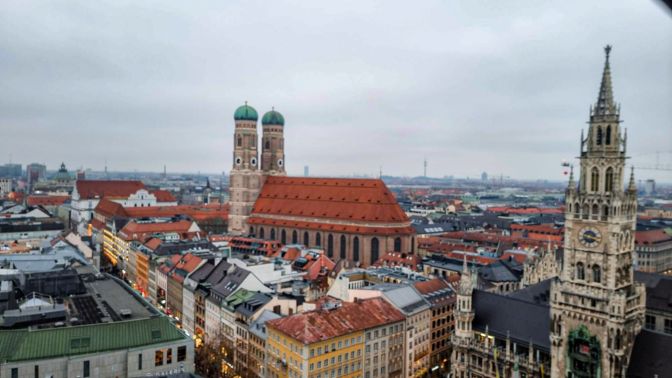
“Munich brews more and better beer than any other city. It is hard to realize what an integral part of the place and its people this liquid is, and what a deep sentiment they have for it. I once overheard a short dialogue entirely characteristic of the local point of view: Waitress: “Yet another beer?” Citizen: “What a question!” “The Bavarian can put up with anything,” runs a well-known proverb, “even with the fires of purgatory, if only he can have his beer.”
Romantic Germany by Robert Schauffler (1909)
Not all classic travel authors are so enamored by Munich. In 1913’s Finding the Worth While in Europe by American author Albert B. Osborne, he calls Munich “a city of which I cannot write, for to me it is but a bore and a tribulation.” Words spoken perhaps by a teetotaler. Admittedly, Munich without its distinctive beer culture might indeed lack the aesthetic appeal to compete with the medieval splendor of rival Nuremburg or the Baroque glory of nearby Salzburg. If you don’t like beer, Munich might be nothing more than as Osborne states “a starting point for the excursion through southern Bavaria.”1

However, American composer Mabel Daniels in her 1905 book An American Girl in Munich brings us back to reality. As a 25-year old music student studying in Munich in 1902, she refers to Munich as her “Mecca” and writes to her Dear Cecilia with an innocent wide-eyed energy that has me ready to raise a glass:
“You would hardly believe me if I should tell you how many bareheaded, blue-aproned girls we met carrying beer through the streets during our walk home. But my surprise at the sight was lost in greater amazement at beholding the number of steins they are able to carry at one time. Not two or three, my dear, but six, yes, even ten, in one hand. It is an art in itself. If one is careless and holds the handful a quarter of an inch from perpendicular, the beer comes oozing out at the top and trickles on the sidewalk.”
An American Girl in Munich by Mabel Daniels (1905)
If that does not get you thinking about your next trip to Munich, I don’t know what will. Of course, that type of spectacle is mainly relegated to the Oktoberfest these days or the Hofbräuhaus for the benefit of tourists. But the next time someone asks me if you could go back in time?… 1902 Munich might just be near the top of the list now.
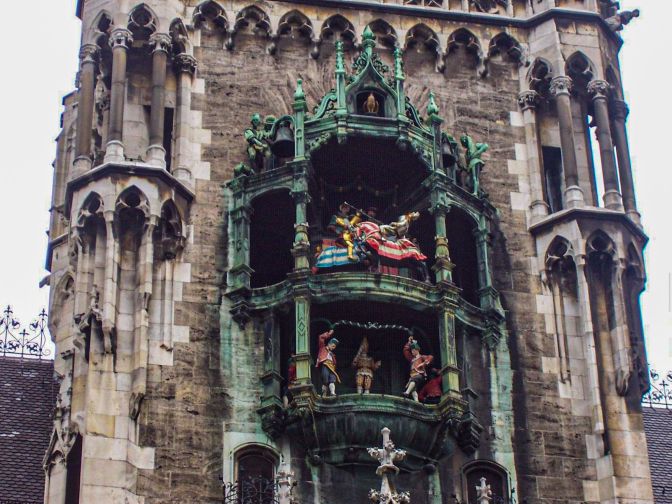
Munich’s beer Valhalla qualifications run quite deep. Even the name München derives from the monks who essentially started Munich as a site for storehouses of salt coming from Salzburg2. All over the region, monasteries were built. And we all know that where there are monks, there is beer. It was in the late 13th century in Munich where Bavarian Duke Ludwig the Severe created an early set of brewing guidelines3, a precursor of the more famous Reinheitsgebot of 1516.
Skipping forward to today, Munich is home to six major breweries who are the backbone of both the city culture and the biggest celebration of all, the Oktoberfest.
- Spaten-Franziskaner Bräu
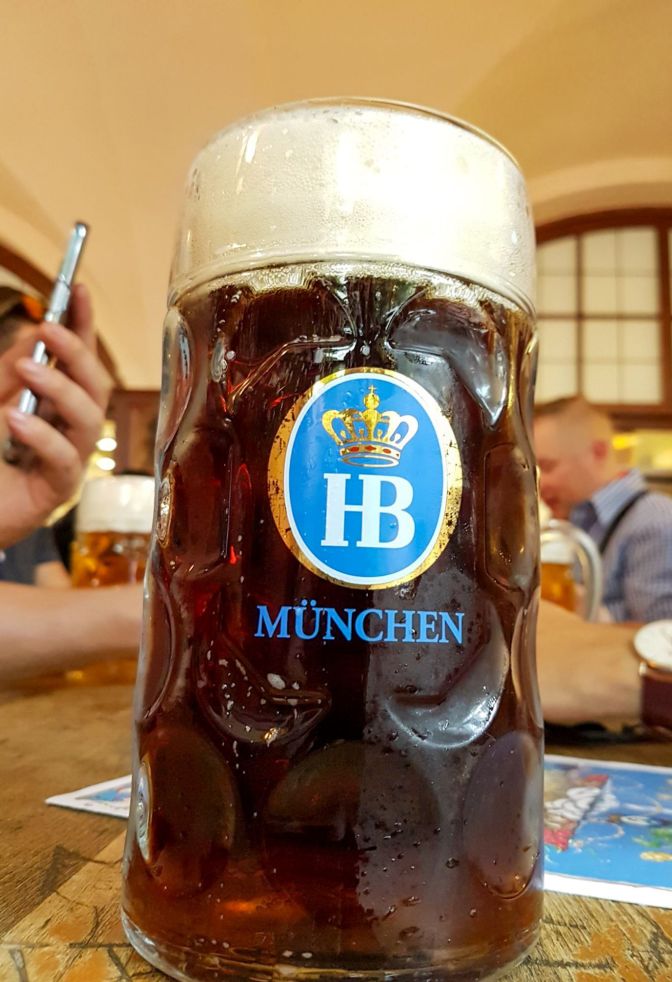
- Hofbräu
- Löwenbräu
- Hacker-Pschorr
- Augustiner-Bräu
- Paulaner
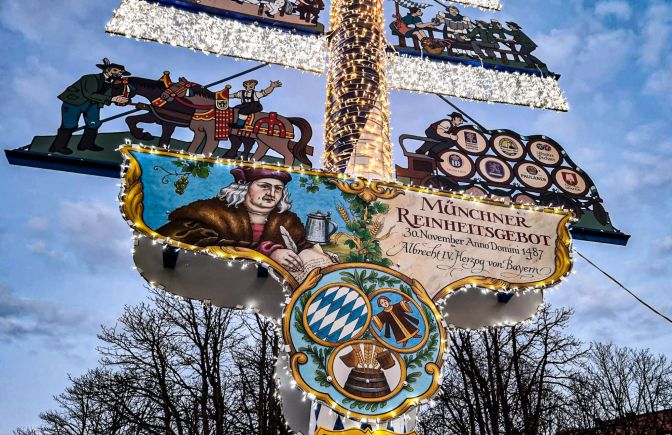
When visiting Munich, there is one thing you must practice ahead of time to not sound like a Heathen tourist. How to pronounce bräu. It is tempting for Americans to pronounce it like brow. However, when you see the umlaut over the a, as in ä, it is pronounced like broy. Saying Lowenbroy instead of Lowenbrow takes some time to get used to. And that doesn’t include the adjustment for the ö. But let’s move on.

The Masterpiece Weekend: Oktoberfest 2017 pt. 1
Eleven friends who painted a masterpiece at Oktoberfest.
Continue reading The Masterpiece Weekend: Oktoberfest 2017 pt. 1

Regarding Oktoberfest, I have gone into great depths about my experiences at a couple of them. In those epic posts, I also recount my excursions with my friends touring several beer halls around Munich. However, this past Christmas holiday (Christmas 2025), I felt the urge to revisit Munich and exchange the Oktoberfest backdrop with the Christkindlmarkt backdrop. The goal was to soak up the beer hall environment in a little more reflective manner than with a boisterous group of beer-guzzling cronies. My past visits didn’t allow me to properly catalog and soak in all of the places I had been. Not to mention, there were several places which I hadn’t yet visited. When I say places, I am referring to the great establishments of the German beer drinking pantheon: the Bierhalle, Biergarten, Wirtshaus, Keller, Stuben, and Brauhaus. For the latter, you can confidently pronounce it brow with full gusto.
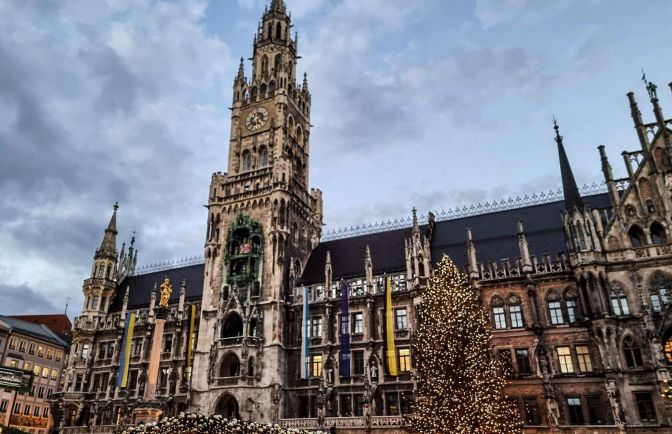
So what is the difference between them? Besides the biergarten being situated outside, I find that their characteristics overlap to where I consider them all as a form of Beer Hall. They all can have long tables which you associate with a Beer Hall. They all serve food. And often they use multiple of these labels to describe themselves or have different levels or rooms within the establishment dedicated to one of those labels. It may be that a place labelled as a bierhalle should be more of a rowdier environment focused on serving the liter beer, called a maß, accompanied by the occasional oompah band. But honestly, if you want a traditional Munich beer drinking experience, you can get that at any of them regardless of what they are called.
My entries in this blog post only scratch the surface of the beer pilgrimages that exist in Munich. All of these are well-known ones. This post does not reveal any hidden gems. But nevertheless, every single one of them is worth the visit.
Without further ado, in no particular order…
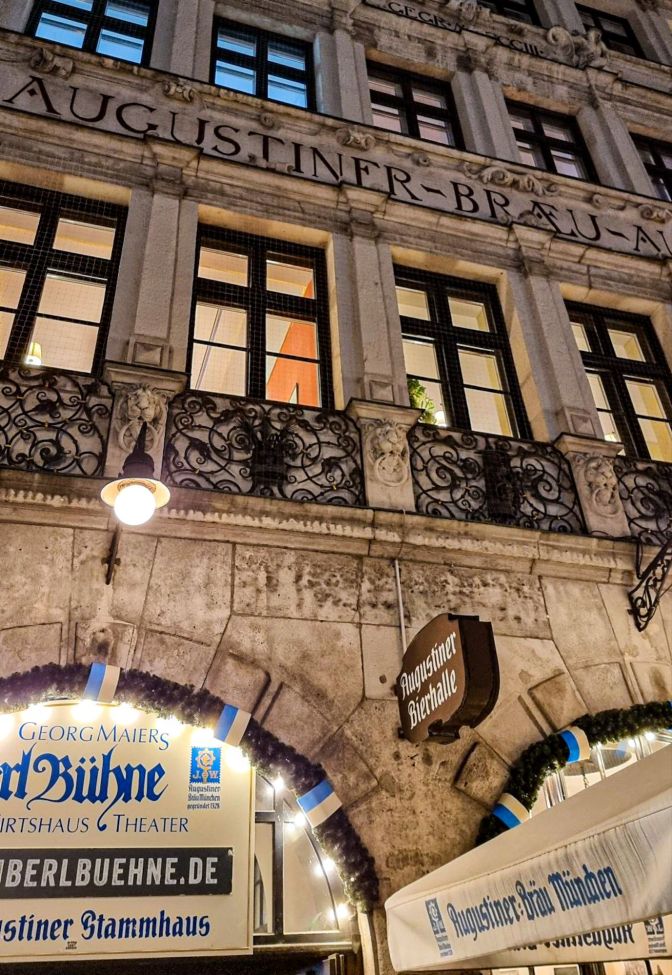
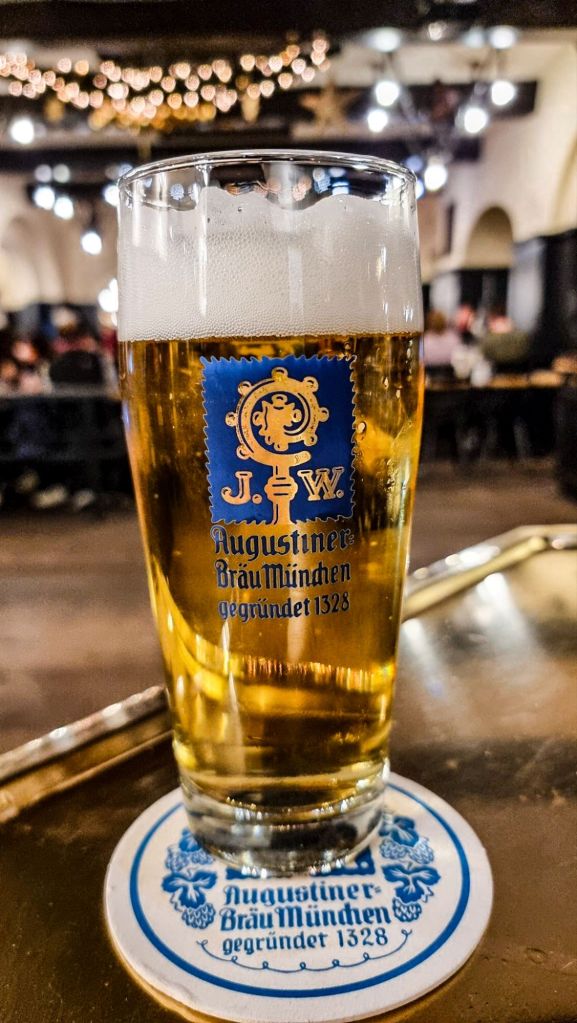
Augustiner Stammhaus
If you enter the old town through Karlsplatz as is common coming from the Hauptbahnhof, this main thoroughfare starts out named as Neuhauser Straße, once called the “highway of the beer taverns.”4
“They were all there, those famous taverns, the Augustiner, the Löwenbräu, the Rathauskeller and many others.”
European Journey by Philip Gibbs (1934)
Perhaps in 1934, Neuhauser Straße extended all the way to the Neues Rathaus, but today it changes names just past Max Krug and all the tempting cuckoo clock souvenir shops. Along this stretch, there is only one old beer tavern today, the Augustiner Stammhaus. This is a rough-around-the-edges beer hall and wirtshaus whose grittiness might make it feel out-classed by some of the other venues on this list. But I also can’t help feeling like Augustiner Stammhaus comes closer in spirit to how things would have been 100 years ago. It seems always packed with tourists due to its prime location, but I had no trouble walking in without a reservation and finding a spot to enjoy a beer. It is noisy and chaotic and deep down, I really like this place.
Augustiner Klosterwirt
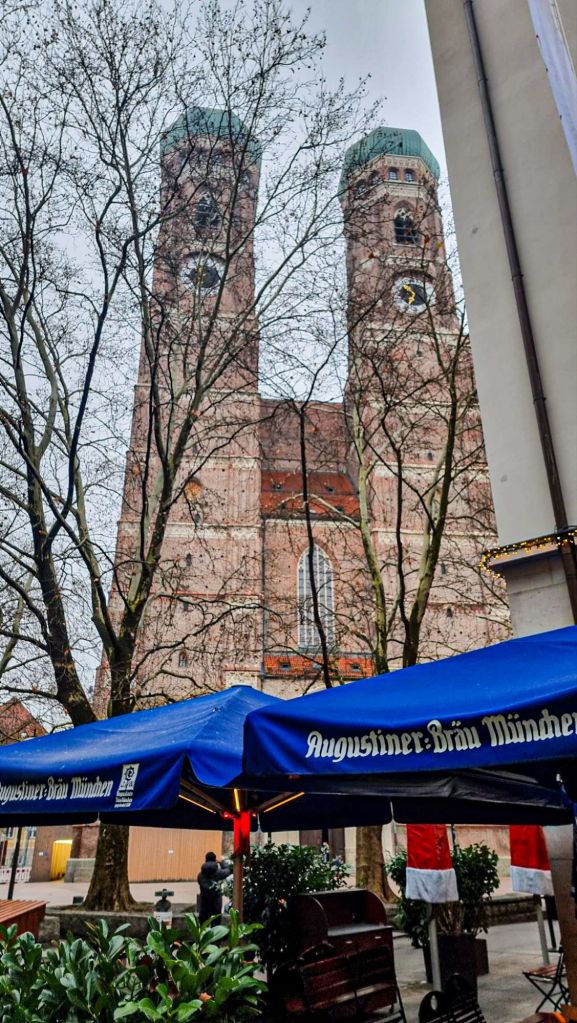
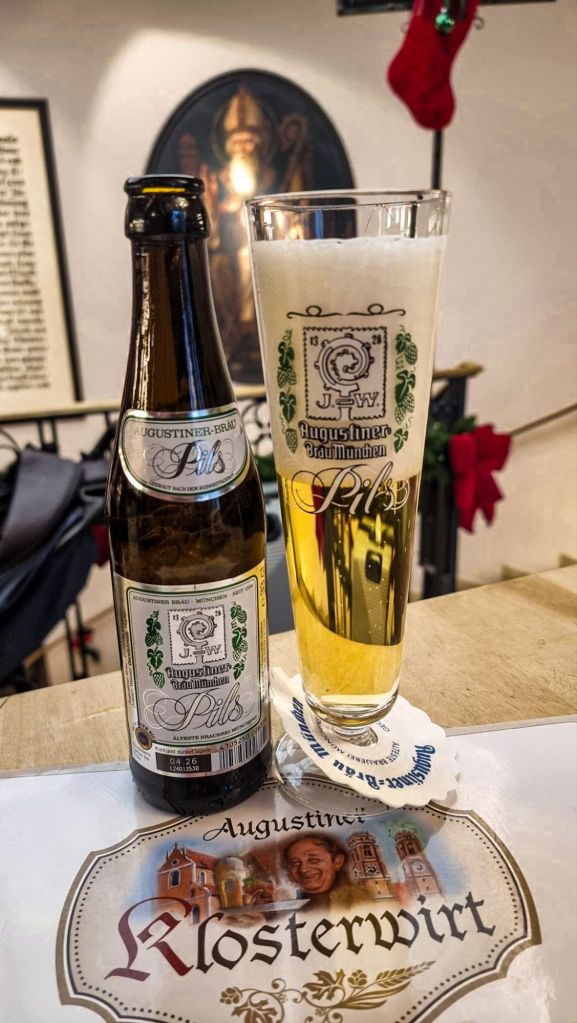
Where Neuhauser Straße changes into Kaufingerstraße is Augustinerstraße. Turning here, you find the Augustiner Klosterwirt situated directly across the entrance to the Frauenkirche. This is one or two levels up on the civilized scale from the Stammhaus. This makes it a popular spot for a semi-classy German wirtshaus dinner which also means you will probably need reservations judging from some of the lines of people that I witnessed being turned away one evening. I strategically planned it for a lunchtime beer and was able to walk right in.
“The saying goes that those landmarks, the twin towers of the Church of Our Lady, are capped by two great beer-mugs. ”
Romantic Germany by Robert Schauffler (1909)
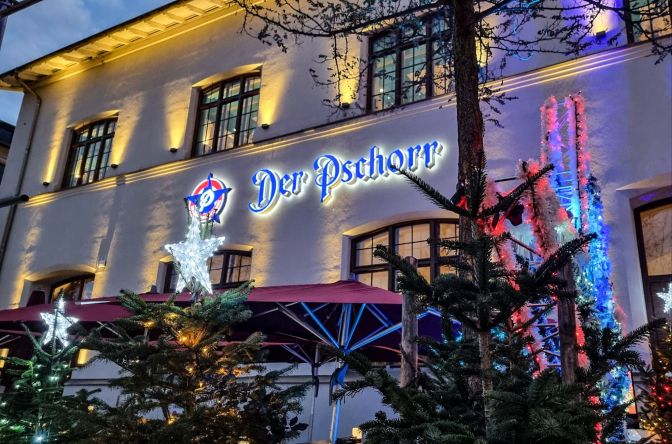
Der Pschorr
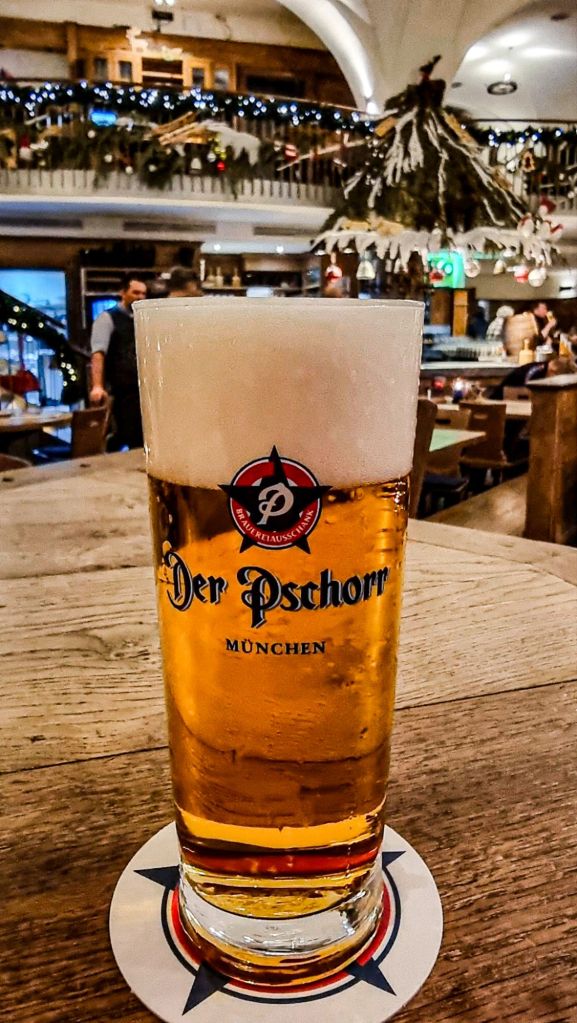
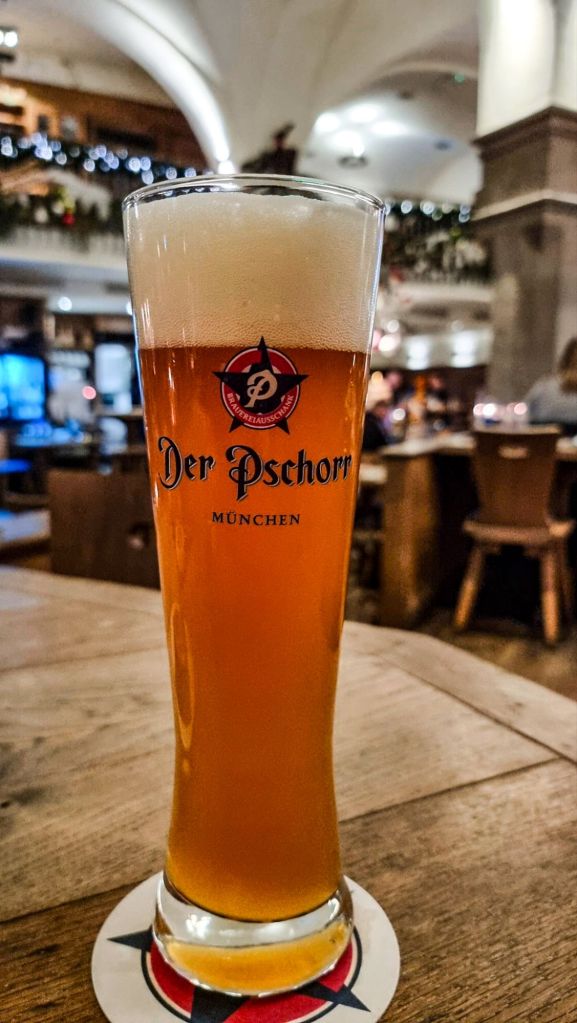
This is my prime spot in the city to enjoy Hacker Pschorr beer with some good food. I had dinner here on my first evening in December 2025, and during one of my Oktoberfest weekends, this was also the location of our group’s first dinner. It is situated at the southwest end of the Viktaulienmarkt, making it a place difficult to get to and from without getting interrupted by all of the tempting delights of the Viktaulienmarkt. I recommend making reservations.
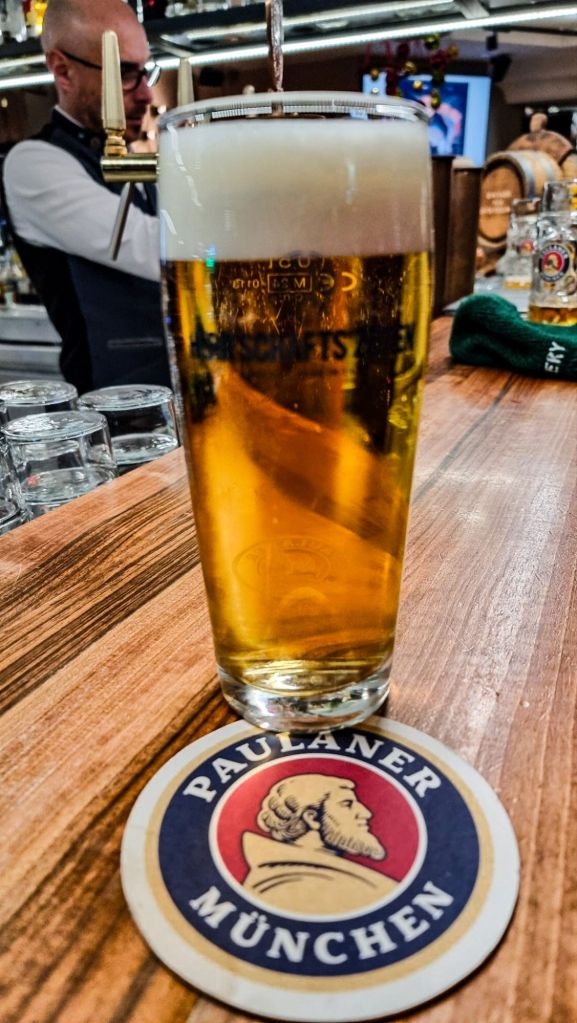
Herrschaftszeiten (Das Paulaner am Tal)
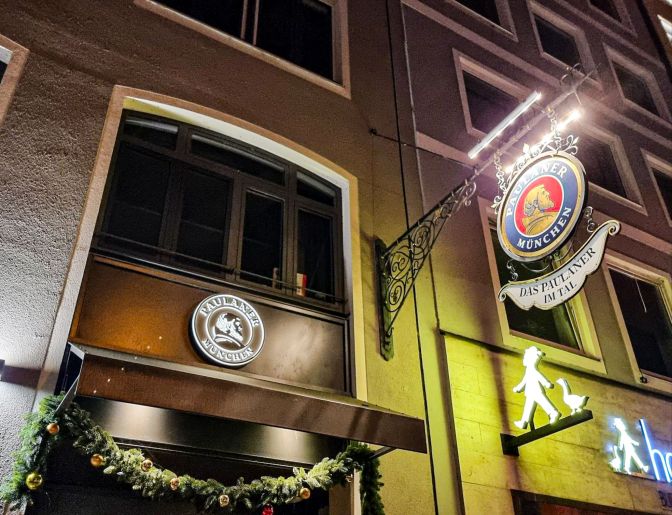
This is the only entry in my post related to Paulaner beer. The Paulaner Brauhaus is more famous but it sits a few blocks outside the city center in the wrong direction from all the activities I was doing, so I never made it. However, Das Paulaner am Tal (as I have always known it) is a nice place. Tal is the busy street running from the Alten Rathausturm to the Isartor. There are several beer halls on one block of this stretch including the Tegernseer im Tal and the highly recommended Weisses Bräuhaus im Tal, all within one block of each other. Those other two were visited during one of my Oktoberfest weekends. I was able to walk into Das Paulaner am Tal around dinner time without a reservation and find a seat at the bar for a beer.
Zum Dürnbräu
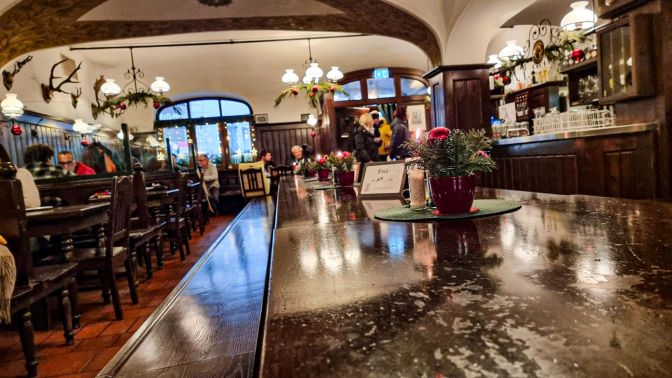
Despite the name, this is a Spaten wirtshaus tucked away down a side street just a short distance from the Tal. I had a late lunch here without any reservations. It had much more of a family atmosphere than most of the others on this list. Very warm and friendly place.


A Word About the am Platzl Beer Halls
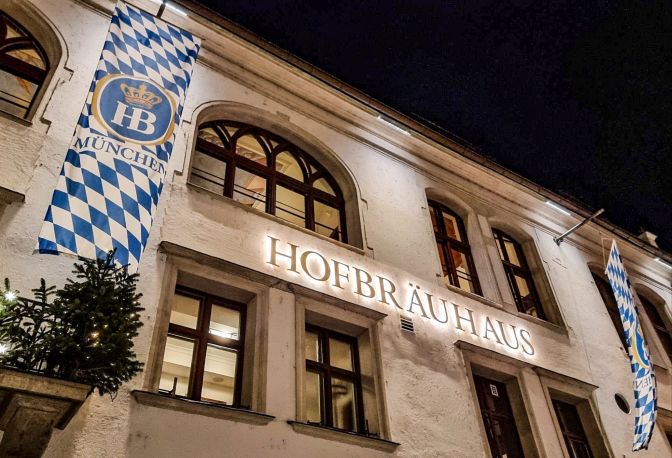
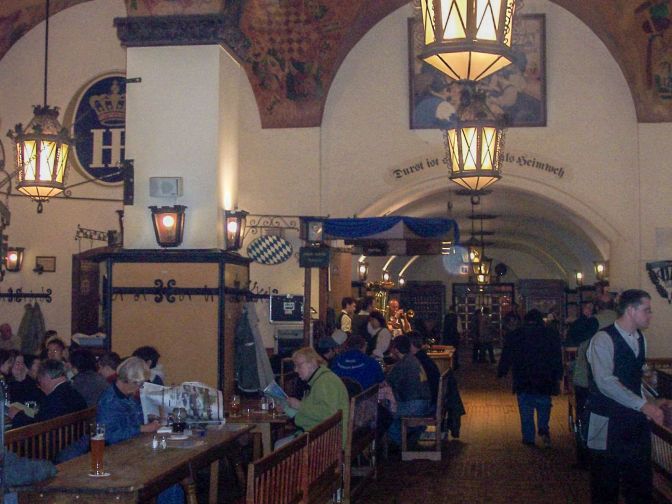
Just a few blocks north of the im Tal beer halls are the am Platzl beer halls. They are the Augustiner am Platzl, Hofbräuhaus, and the Ayinger am Platzl. To borrow a phrase from the great Boromir, One does not simply walk into the Hofbräuhaus. While that is not necessarily true, the Hofbräuhaus is most often a madhouse and can be tricky getting in. If you are lucky to be able to get in and find a table, it is as close to an Oktoberfest-like experience as you will find in Munich. On one occasion with my Oktoberfest buddies, we managed to get a table to ourselves rather easily. It was a memorable opening salvo for the weekend. Everybody should do the Hofbräuhaus once. I’ve done it, so now I prefer to skip it. Augustiner am Platzl offers a convenient alternative if the Hofbräuhaus is too crowded. This was my first Munich beer hall dinner many years ago (2004) where I discovered the hard way how awful the Bavarian meatball in chicken broth is (I fail to remember the name of the dish, but if the English translation says meatball, then avoid it). It has it’s charm, but if you had to choose one Augustiner beer hall, go with the Stammhouse or the one I will talk about later in this post. I have never been to the Ayinger am Platzl. Ayinger beer is fine, but not what I am looking for in Munich. Am Platzl is a square which I enjoy walking through but don’t care to loiter anymore.
Zum Franziskaner
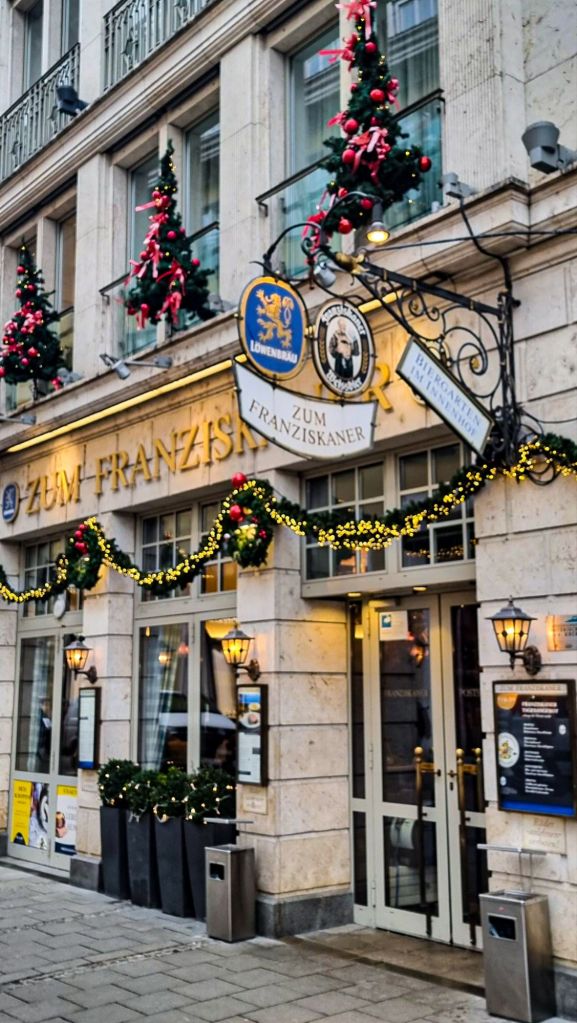
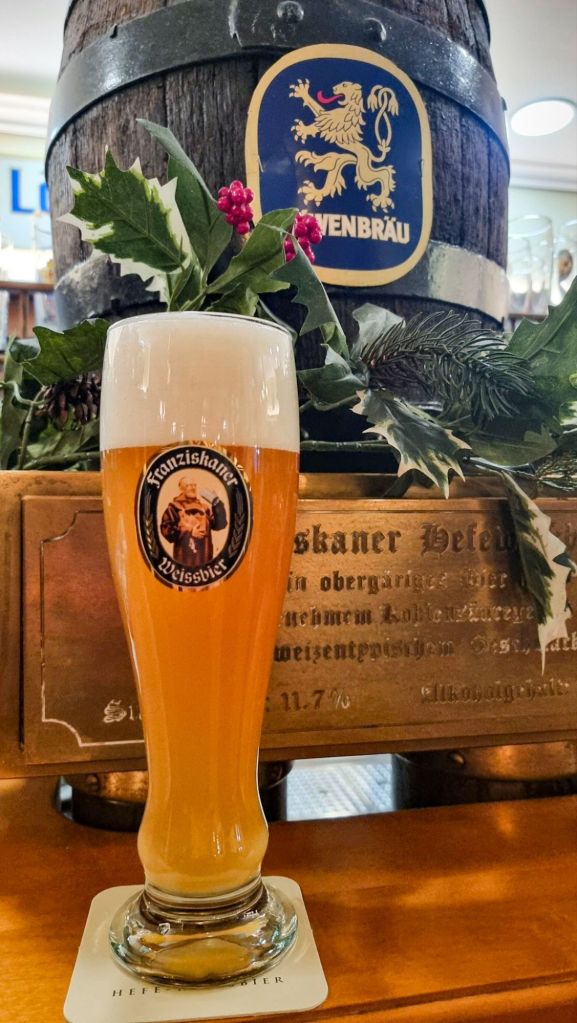
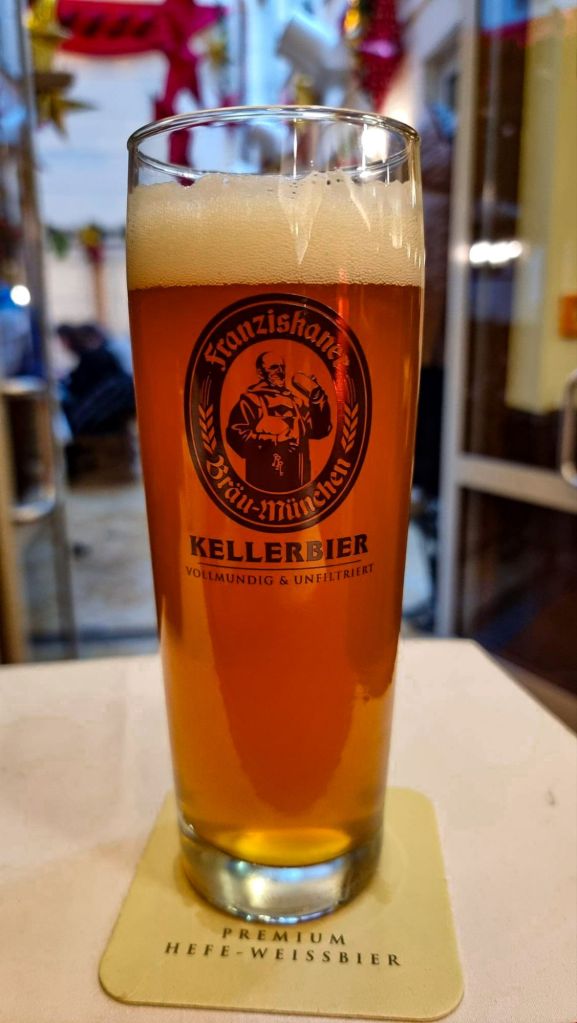
Franziskaner is the hefeweizen line in the Spaten-Franziskaner partnership, but they also have a kellerbier. Both can be enjoyed in this lively beer hall located near the busy intersection by the opera house and Residenz. I also had success as a late lunch walk-in when the neighboring Spatenhaus an der Oper couldn’t fit me in. It was a fortuitous happenstance in my favor. Between the food and the atmosphere (and the beer notwithstanding), it was one of my favorite beer hall experiences of the holidays.
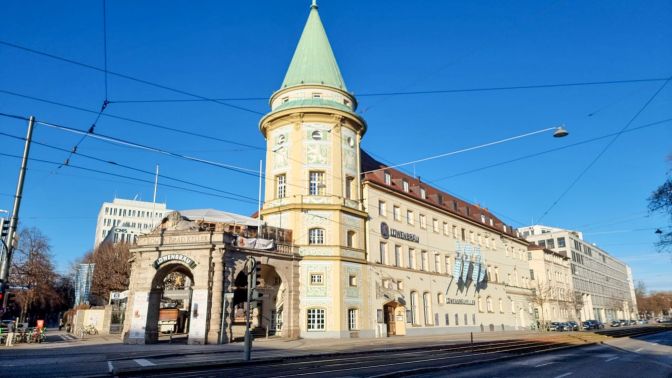
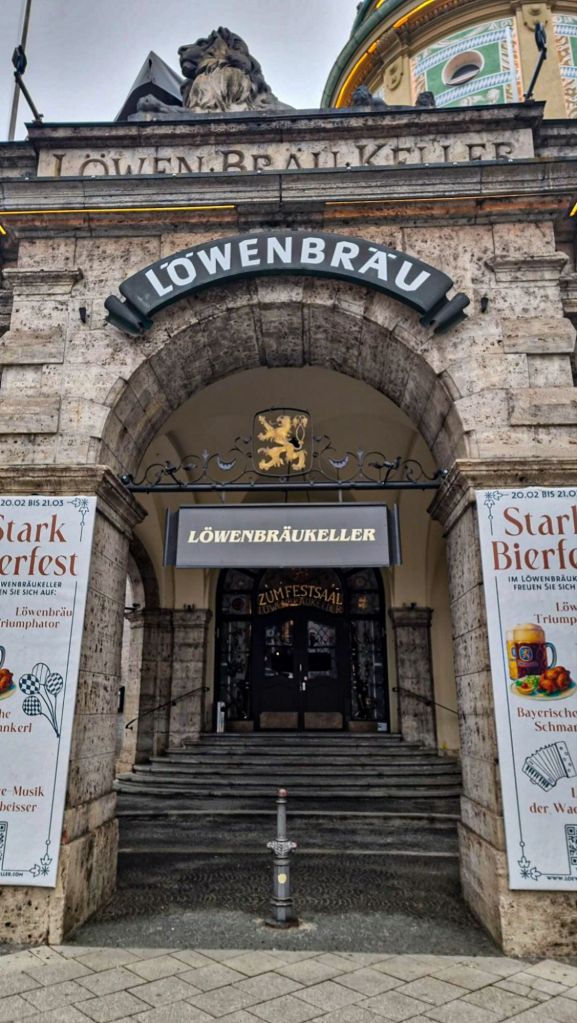
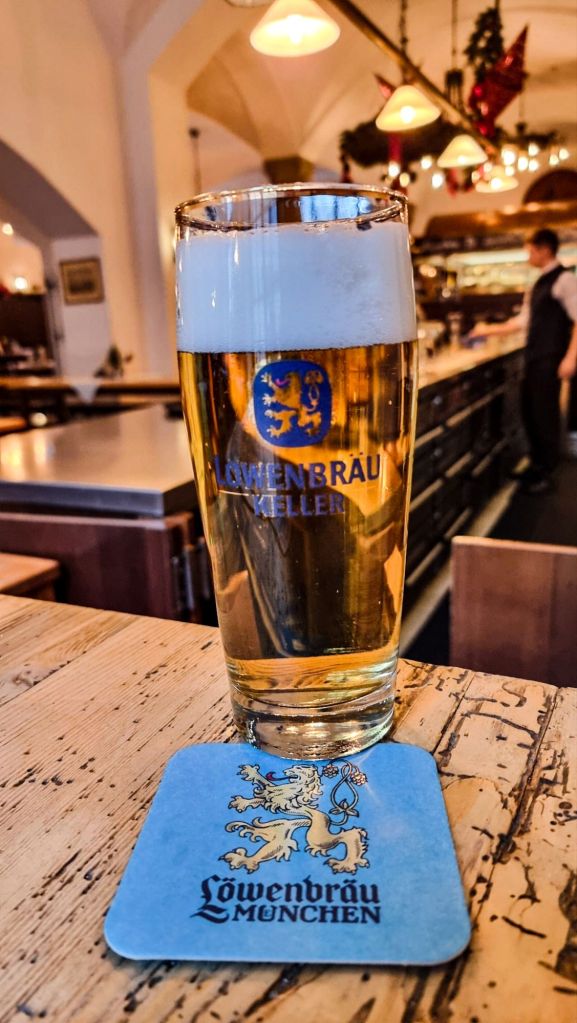
Löwenbräukeller
Located north of the Hauptbahnhof a few blocks outside the old town, this is the ultimate Löwenbräu beer hall in Munich. I made a reservation for lunch, but wouldn’t have needed to. It was a calm time of day, but I could only imagine what it would be like during the summer months when the biergarten is open. Inside and out, it is a spectacular setting. I also visited during one of my Oktoberfests for a late evening schnitzel and nightcap.

Augustiner-Keller
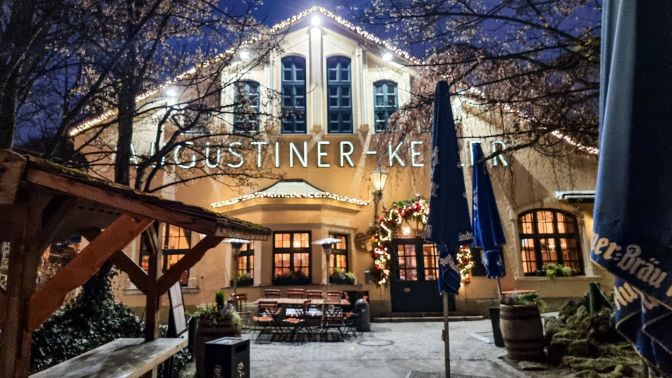
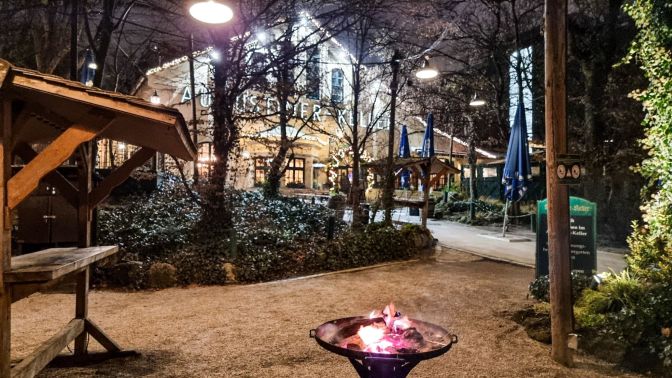
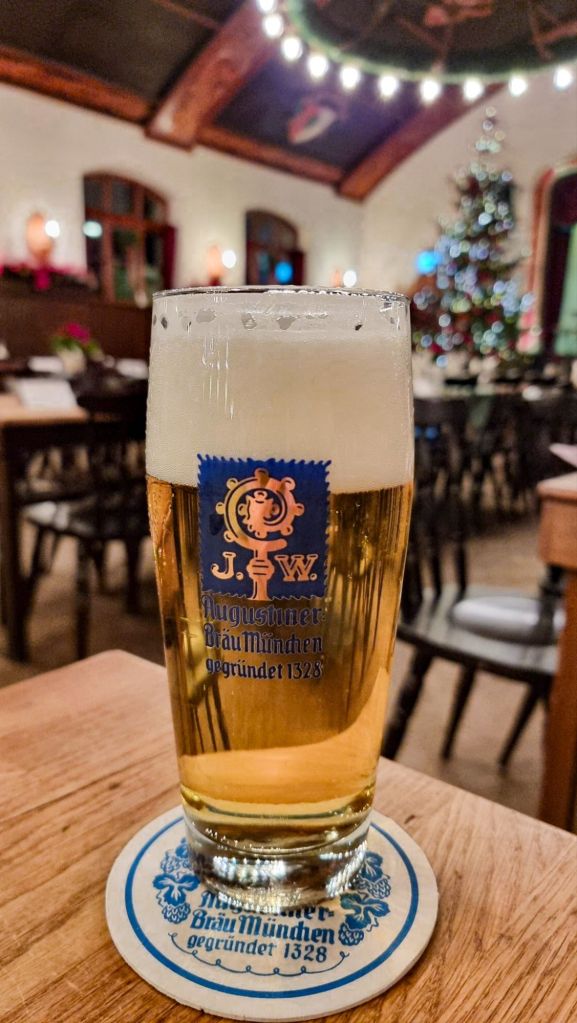
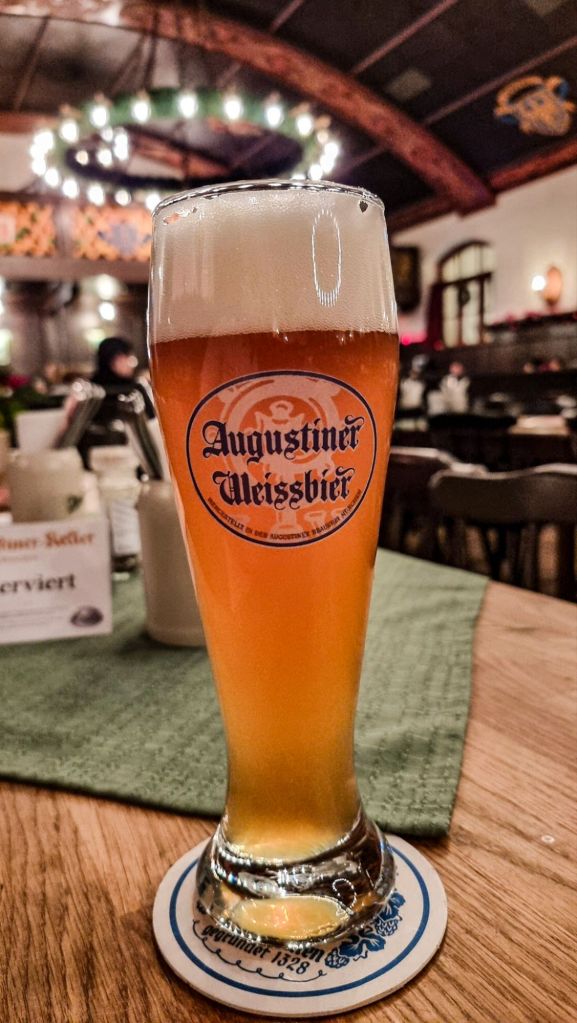
Saving this one for last because this became my favorite beerhall over the holidays. It sits a bit away from the old town, a few blocks west of the Hauptbahnhof, but it is well worth the walk. This massive, colorful beerhall resembles the Oktoberfest tent aesthetic even better than the Hofbräuhaus. The interior is a vast barrel-shaped hall with Bavarian crests decorating the ceiling. During the Christmas season, you can book a table in one of the private cottages out in the courtyard. Outside, they also keep a cozy fire going with a gluhwein stand for a charming respite from the overcrowded Christmas market in the old town.

Final Remarks
When I sat down to write this post, I wondered where I would find inspiration in the travel books of the past. The very first classic travel book that I ever purchased was Esther Singleton’s Germany: Described by Great Writers published in 1907. It pointed me towards G.W. Steevens’ Glimpse of Three Nations from 1900 where he repeatedly remarks on the German affinity for beer including:
“How do we amuse ourselves? First and most important, with beer and the band. Germany cannot do without either.”5
Another book that was referenced was Gertrude Norman’s A Brief History of Bavaria from 1906 which provided me with a couple valuable nuggets of beer history related to Munich. These were a couple of small glimpses of light about a country whose bibliography is filled mostly with gloomy subject matter written during the World War years. Therefore, it is not easy to find books presenting Germany in a sentimental and positive way. It wasn’t until discovering a passage in 1997’s Where Ghosts Walked: Munich’s Road to the Third Reich by David Clay Large which lead me to Romantic Germany by Robert Schauffler in 1909. It is available on the Internet Archive with a downloadable epub file, but I have since ordered a hardcopy on eBay. Discovering this book instantly set this blog post in motion. In the preface, Schauffler remarks that, even in 1909, it was difficult to find sources which discuss the pleasures of traveling in Germany as opposed to focusing on its history and political stature in Europe:
“But for the latest account in English of Germany’s most representative and picturesque towns one must turn either to the guide-books or to a rare volume called “Views Afoot,” written by young Bayard Taylor in the year 1846.”6
I own an 1889 edition of Views Afoot and it is a fascinating tale of a man’s journey mostly by foot from Ireland to Italy and back living essentially on the scant donations he would occasionally get wired from his benefactors. Taylor visits Munich, but the circa 1846 Munich doesn’t seem to inspire him to write any observations about the beer culture. The entire chapter is mostly devoted to the Pinakothek art museum and the Residenz when it was still the palace of the Wittelsbach monarchs.
A search on the great website, Project Gutenberg, led to the discovery of Mabel Daniels’ An American Girl in Munich from 1905 which cannot help but put a smile on your face when she makes observations like a Munich restaurant’s attempt to serve an American-style turkey dinner “was but a farce when compared to the genuine creation, in spite of the American flag on the menu and the assurance that these were American turkeys” but that “anything was preferable to dining on veal and beer on Thanksgiving Day”. 7 What makes these books additionally fascinating is that they come before there was such a thing as a world war.
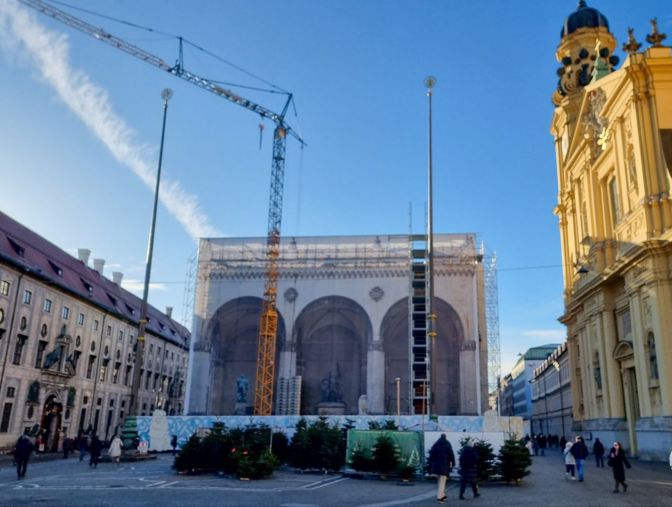
Munich and beer were inseparable even as the world wars would come. One of the darker chapters in Munich’s history centers on a beer hall; the infamous Beer Hall Putsch in 1923, where Hitler attempted to seize power from the Bürgerbräu Beer Hall.
Sentimental travel books about Germany would naturally not fit the atmosphere of the era between the World Wars. One of the most interesting books in my collection is 1934’s European Journey where British journalist Philip Gibbs travels to Munich to witness the Nazi regime and gain an understanding of the mindset of the people. Yet, within the shroud of this negative and simmering environment, even Gibbs cannot help but find brief solace in Munich’s delights:
“We had drunk many glasses of dunkles and helles… that beer which is the nearest thing to the nectar of the gods…”8
Munich is the Valhalla of beer pilgrimages. From its monastic infancy through the devastation of the world wars to the modern day, beer runs through its veins. And I am very grateful for the aforementioned key sources that you didn’t just hear it from me.

- Finding the Worth While in Europe by Albert B. Osborne (1913) ↩︎
- A Brief History of Bavaria by Gertrude Norman (1906) ↩︎
- A Brief History of Bavaria by Gertrude Norman (1906) ↩︎
- European Journey by Philip Gibbs (1934) ↩︎
- Glimpses of Three Nations by G.W. Steevens (1900) ↩︎
- Romantic Germany by Robert Schauffler (1909) ↩︎
- An American Girl in Munich by Mabel Daniels (1905) ↩︎
- European Journey by Philip Gibbs (1934) ↩︎

 itsabrewtifulworld
I have been to Munich in 2007, 2010 (for Oktoberfest), 2017, 2023 (again for Oktoberfest) and late in 2025 (passing through the Hauptbahnhof on our way to and from Christmas Markets) so I have been to many of the places you list. I was particularly found of Der Pschorr from my visit in 2010.
We made two attempts in 2007 and one in 2010 to eat and drink at the Hofbräuhaus. All of these were unsuccessful due to crowds or being ignored by the servers. After the first attempt in 2007, we went to the Ayinger am Platzl (or Ayinger Wirsthaus as it sometimes appears to be called) on the northwest side of the Platzl. We were served immediately and the food was excellent as was the beer. When asked by friends about Hofbräuhaus, I recommend walking through it to see it and then leaving immediately to go to Ayinger or Augustiner. Ayinger am Platzl remains on our itinerary when we are in Munich (along with Dallmayr, whose coffee is favored by my wife).
One correction – your last picture is of the Feldherrnhalle. This is not the site of the Bürgerbräukeller that was where the start of the Beer Hall Putsch occurred. The Feldherrnhalle is where the Putsch ended when Munich police and army opened fire on the NSDAP marchers, I think on the left side of the picture where the Residenzstrasse is located. The Bürgerbräukeller site is now where the Hilton Munich City Hotel is located at Rosenheimer Str. 15.
LikeLike