
“I played Chopin’s Nocturne in C Sharp Minor.”
The Pianist: The Extraordinary True Story of One Man’s Survival in Warsaw, 1939-45 by Wladyslaw Szpilman (New York, 2000)
Part two of my bike exploration of Warsaw takes me away from the heart of the Warsaw Ghetto and Warsaw Uprising highlights which encompass the central and upper half of the city and focuses on Warsaw’s lower half. Here the ride brings together two of Warsaw’s most famous pianists, Wladyslaw Szpilman and Frederik Chopin. The convergence of these two composers would culminate in the climactic scene depicted in Szpilman’s biopic, The Pianist, where he plays Chopin for the German officer, Wilm Hosenfeld, in an abandoned building where Szpilman was hiding out. The address still exists, but since Warsaw was completely bombed to the ground, the remaining DNA of that experience exists mainly in spirit and not in the physical structure of the current building at that address. The site is the first stop on the ride and in that sense the ride begins with the denouement and works backwards in time, finishing with the life of Chopin.
This ride was accomplished using the same bike rental service as the Warsaw North ride. For more details on that, please refer to the link below. Overall, this ride is much shorter in distance than the Warsaw North ride, but it adds the discovery that Warsaw is not as level as it might appear if you are just hanging around the old town or the Palace of Culture and Science building. Where Warsaw comes to the Vistula River south of the Stare Miasto, the city has quite some steep inclines which give this ride a touch of challenge on a city rental bike.
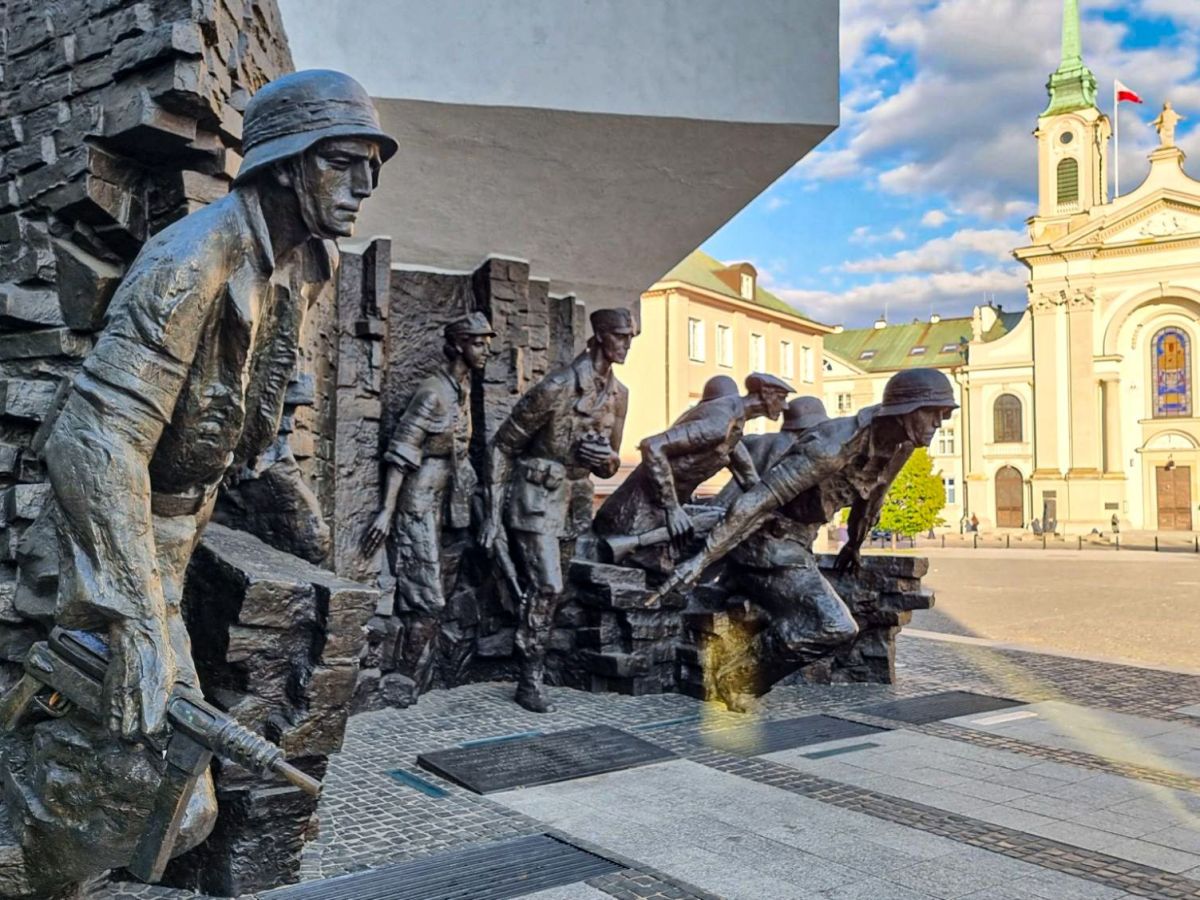
Beer & Bike: Warsaw North
A sobering bike ride through the Warsaw Uprising and then unsobering it.
Continue reading Beer & Bike: Warsaw North

Lower Half Route
The below is not the actual recorded route but the original planned route, although my actual ride followed this quite closely. I was struggling to understand why Komoot was not recording with the screen off (I came to discover later on, it was because the app had been sentenced by my phone to the deep sleep status), and thus the actual ride was never recorded.
It’s Not Just a Beer, It’s a Journey
Starting from Stare Miasto, the ride heads south past the Warsaw Ghetto Uprising Museum building mentioned in my Warsaw North post. This building also houses the craft beer bar Piętro Niżej. The skies were blue, but the temperature peaked at around 11C (52F) which seemed ridiculous for May.
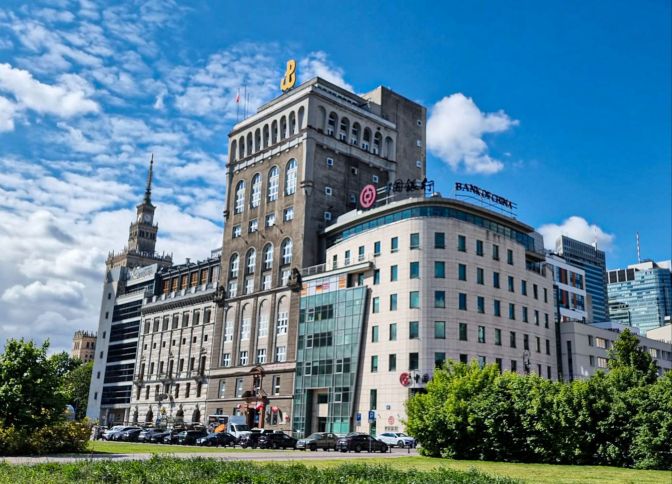
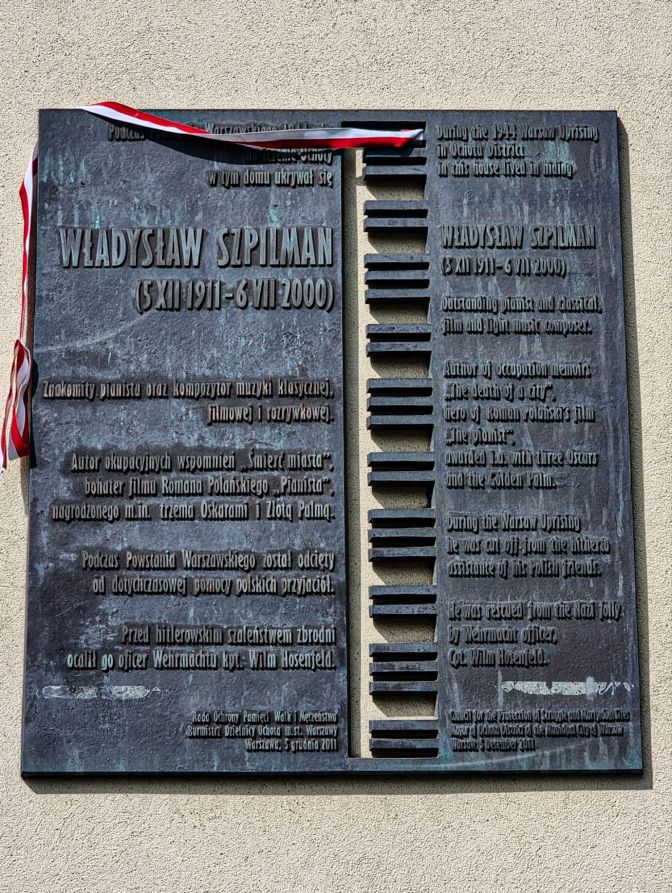
Wladyslaw Szpilman’s Hideout #1
Aleja Niepodległości 223 marks the location where Szpilman played Chopin for the German officer.
“‘I’ve no intention of doing anything to you!’ The officer shrugged his shoulders. ‘What do you do for a living?’
‘I’m a pianist.'”
The Pianist: The Extraordinary True Story of One Man’s Survival in Warsaw, 1939-45 by Wladyslaw Szpilman (New York, 2000)

Jozef Pilsudki Plaque
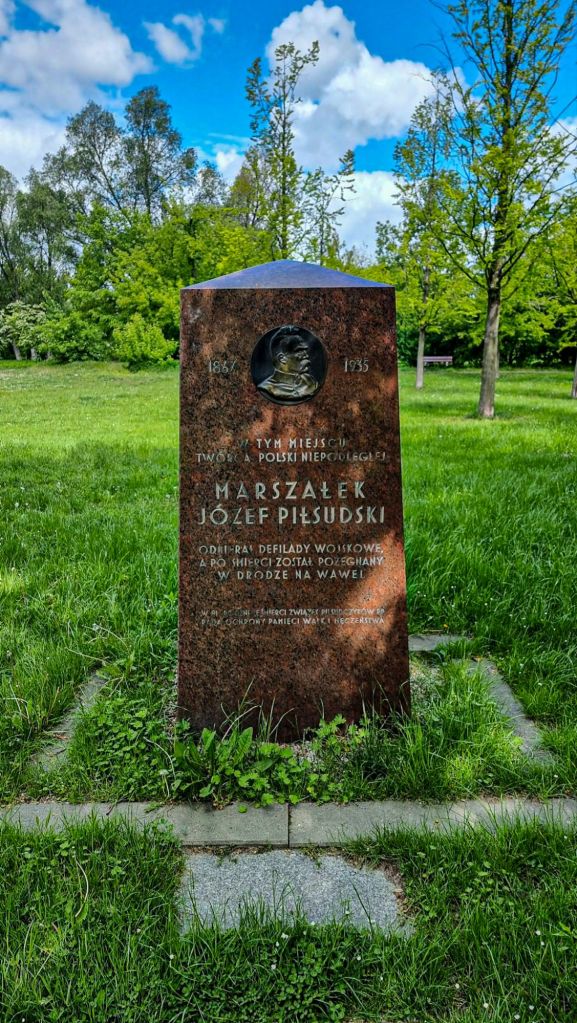
The ride then passes through Pole Mokotowskie park. In the park is a memorial to Jozef Pilsudski marking the route of his funeral procession through the park in 1935. I have discussed Pilsudki at some length in my Warsaw North post and the following blog post where I rode a bike to Pilsudski’s mound outside of Krakow.
For more details on Jozef Pilsudski
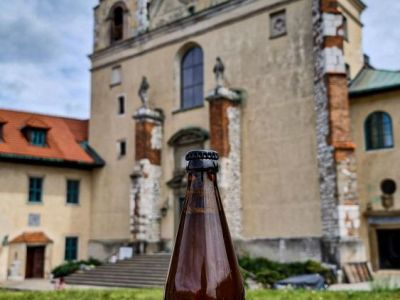
Beer & Bike: Tyniec (Krakow)
Not the most well executed Beer & Bike route, but what is better to plan around than a beer abbey?
Continue reading Beer & Bike: Tyniec (Krakow)
The bike ride then goes as far south at Fort Mokotów, whose entrance road is the ulica Wladyslawa Szpilmana. Today this former section of the old Warsaw fortress is converted into trendy cafes and business offices. Between WWI and WWII, this building housed the Polish Radio, of which Wladyslaw Szpilman was a popular performer.
Wladyslaw Szpilman’s Hideout #2
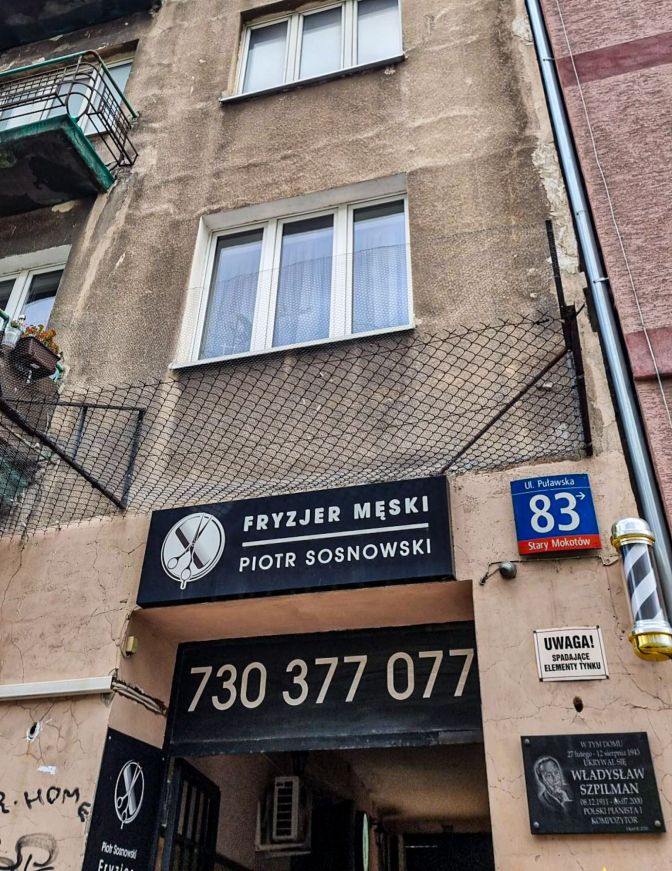
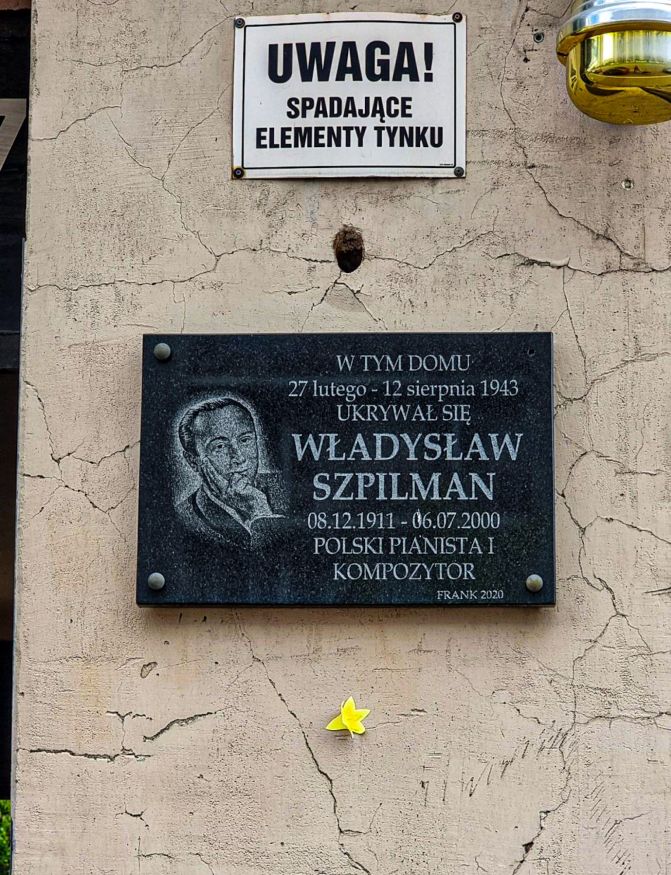
The ride then swings around and comes back north along Puławska, where at Nr. 83 Szpilman also had a hideout. Szpilman hid for about six months in 1943 at this location.
It is shortly after this site that the ride veers thru Park Szustrow and downhill. At the base is the busy road Belwederska which then goes back uphill in the direction of the Royal Baths Park.
Jozef Pilsudski Statue
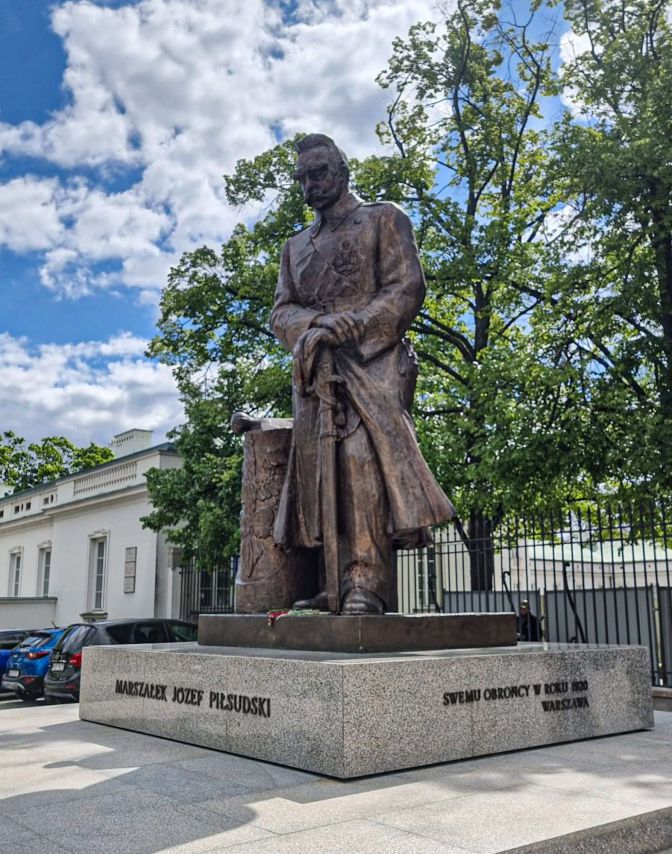
Next to the Royal Baths Park is the palace of the Polish President. Just in front of that is a statue of Pilsudski greatly emphasizing his characteristic flat top, unibrow and Kaizer-stache.
Frederik Chopin Monument
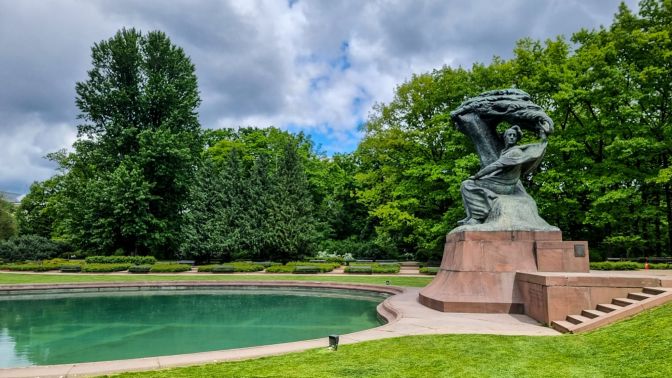
The main highlight of Royal Baths Park is the Chopin Monument, which was erected in 1926, blown up by the Nazis in 1940, and then rebuilt after the war.
Frederik Chopin Museum
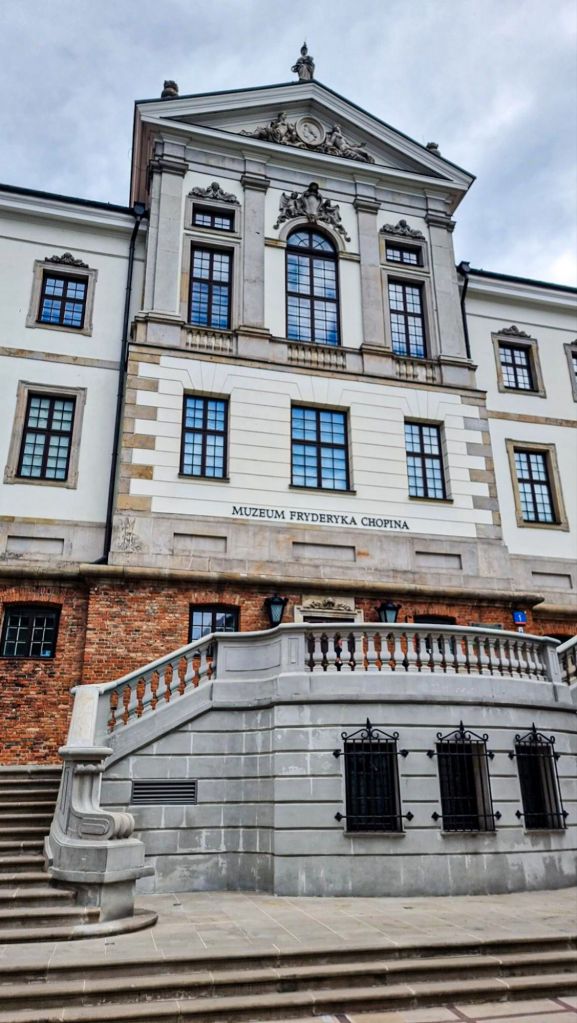
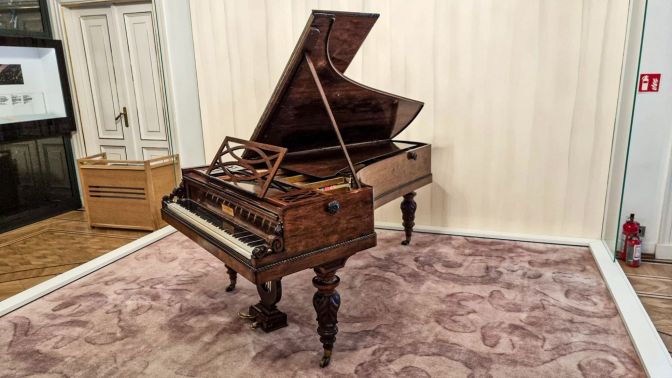
Chopin was born in Warsaw in 1810 while it was a Duchy under the thumb of Napoleon’s empire. Of any museum dedicated to the life of a classical composer, this has to be the most impressive one that I have been to. Besides an insightful walk through his life, it features several pianos with which he performed and an assortment of busts and brooches emphasizing his famous silhouette which became instantly recognizable during his lifetime.
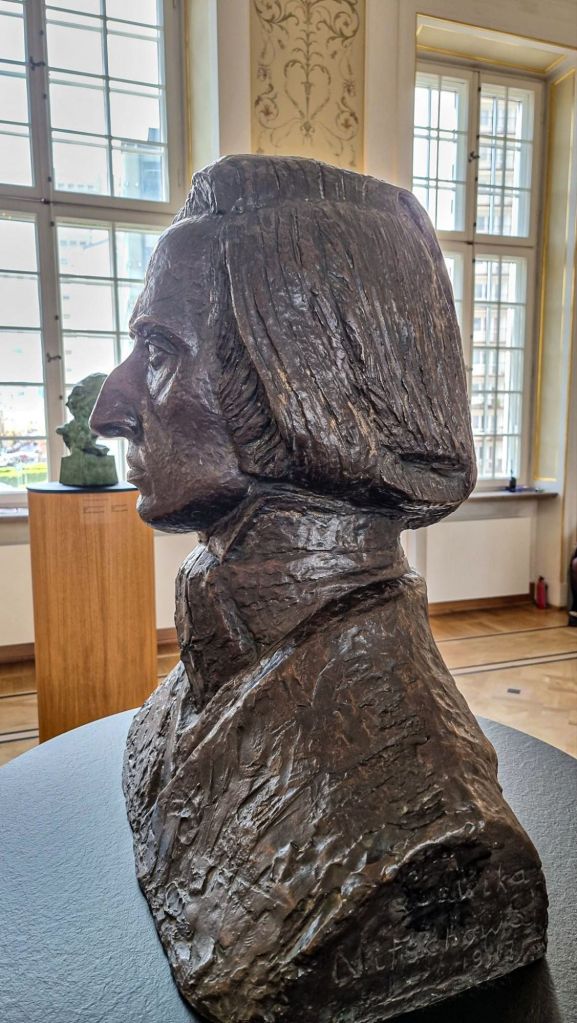
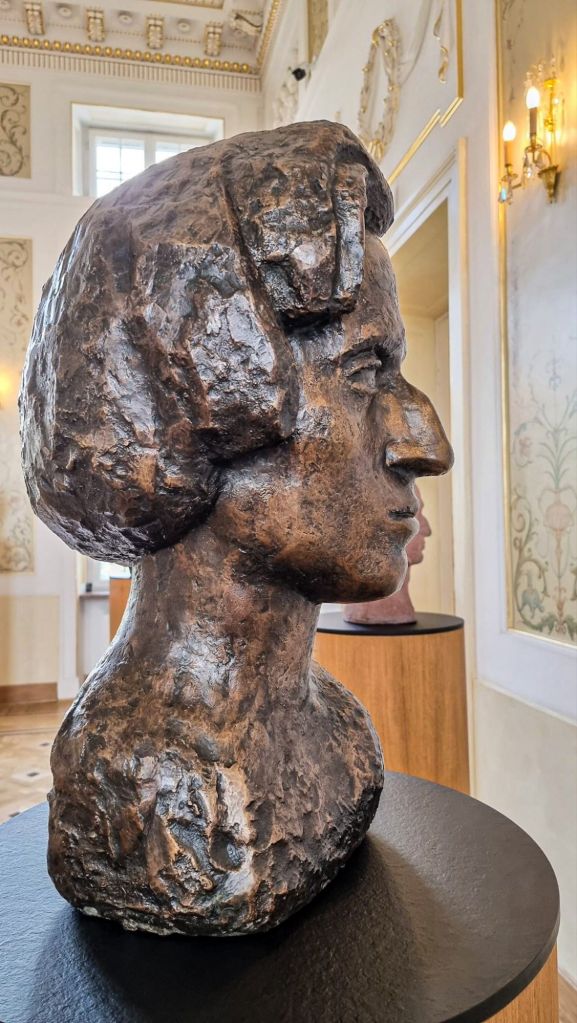

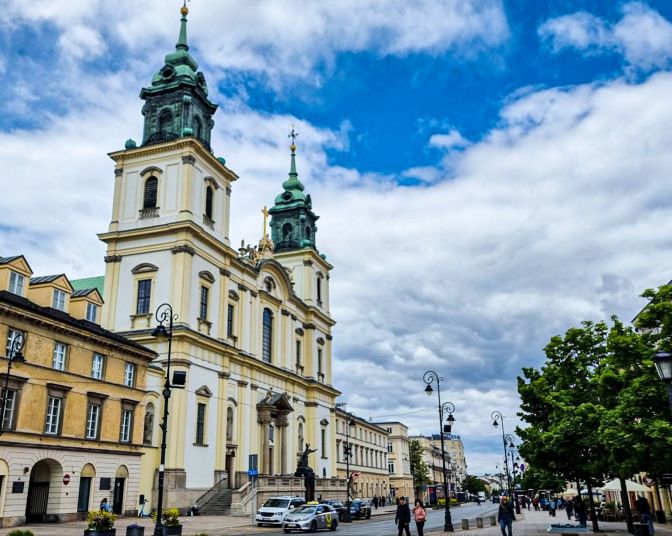
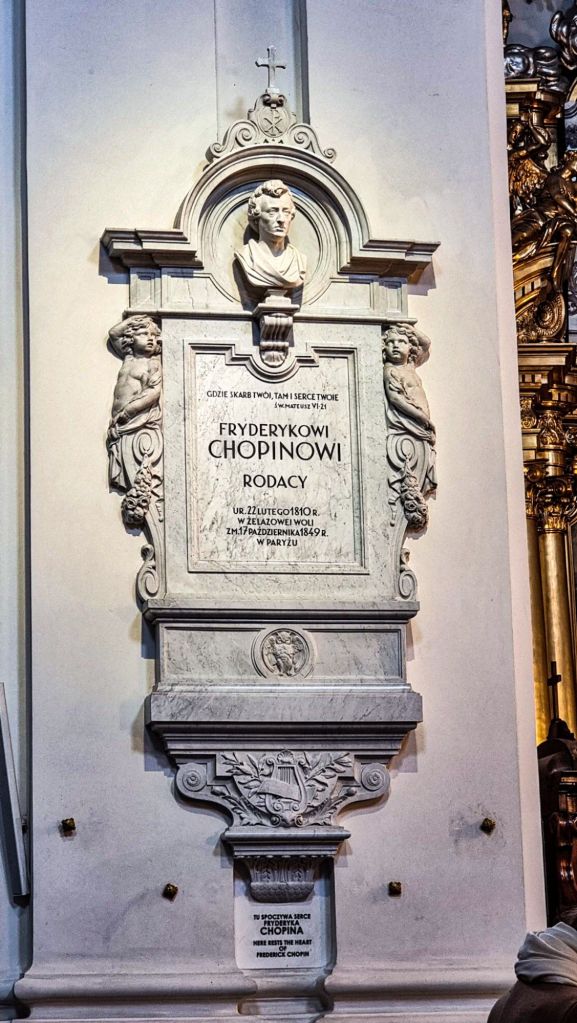
Basilica of the Holy Cross & Chopin’s Heart
When Chopin died in Paris in 1849, his heart was separated from his body and stored in an oak cask in the Basilica of the Holy Cross. It was temporarily stolen by a Nazi SS officer during World War II but eventually returned in 1945.
Brewtiful Warsaw
Piw Paw
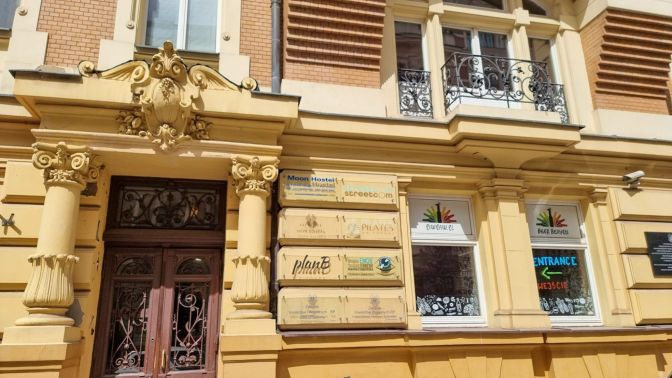
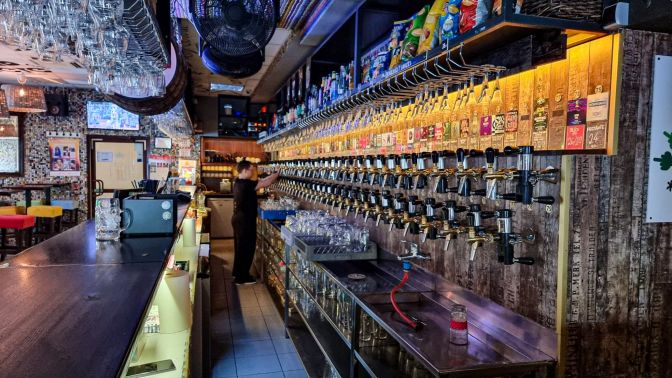
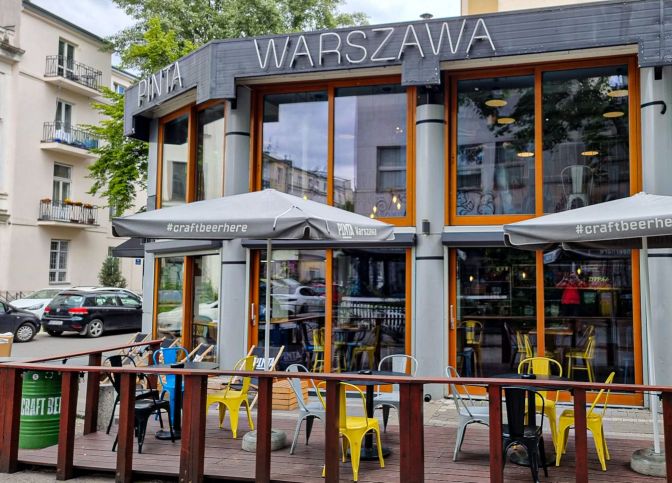
Perhaps the finest craft beer bar that I visited in Warsaw. The exterior of the building doesn’t exactly scream craft beer bar inside! but the interior is spectacular with an impressive number of taps.
PINTA
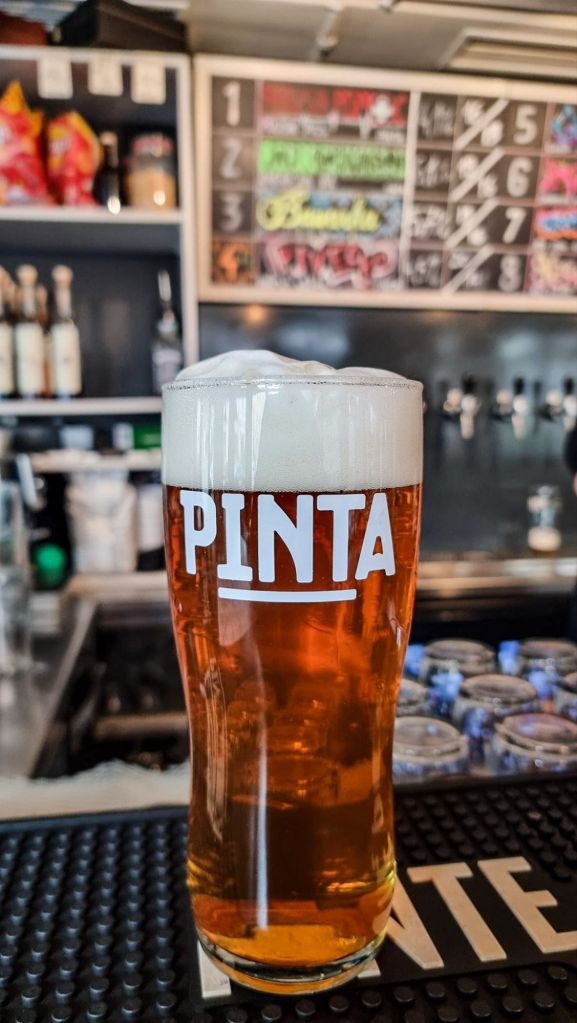
If not already, PINTA is becoming a Polish institution in the craft beer brewing industry. They remind me of Poland’s version of Brewdog. They have two locations in Warsaw, and I visited the one at Chmielna 7/9.
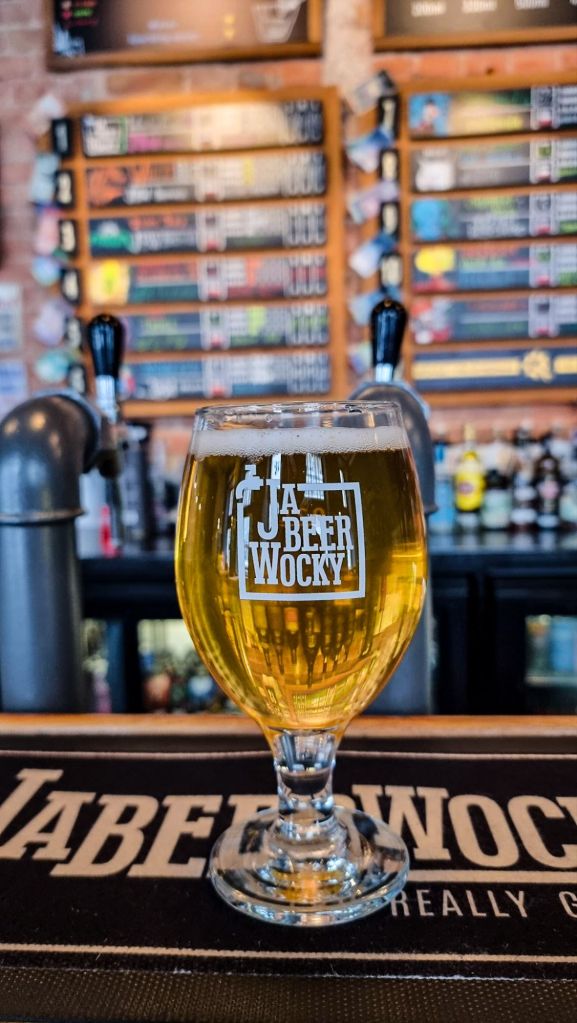
Jabeerwocky
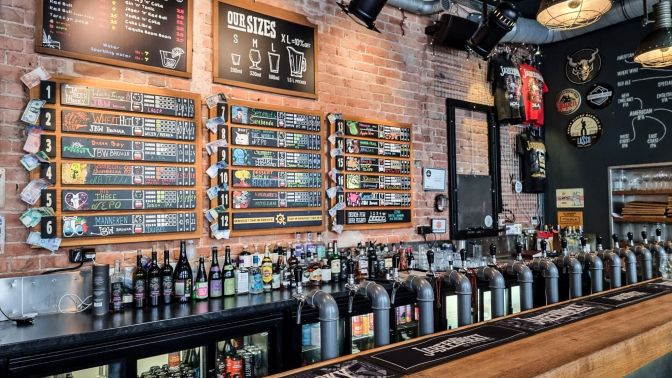
Another great craft beer bar with a fantastic selection on tap.
Kufle i Kapsle
Only gets a mention as it is practically next door to Jabeerwocky and I was admittedly feeling beered-out at this point. However, it looked to be a fine craft beer bar and a worthy beer pilgrimage.
Final Remarks
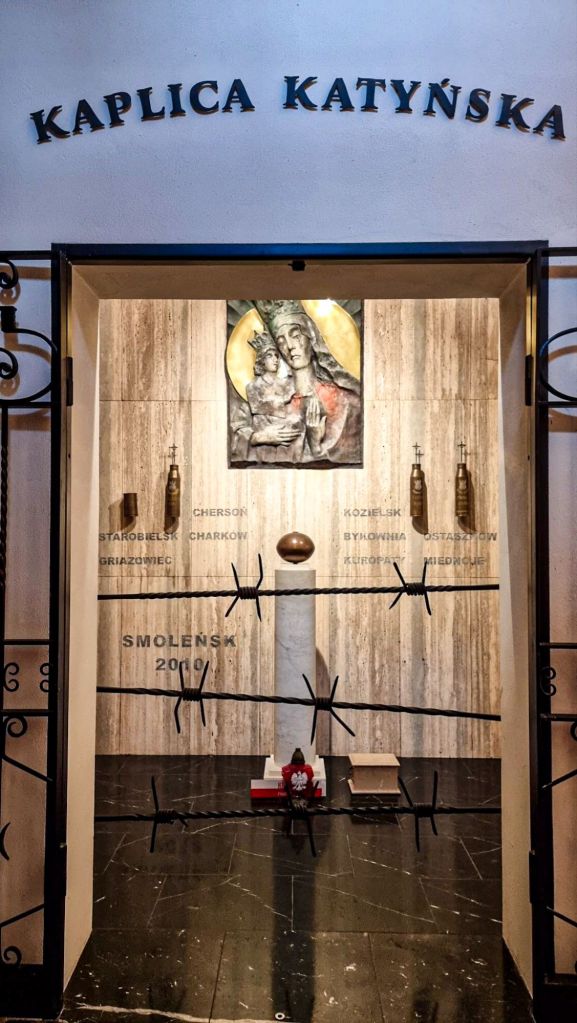
Thus ended my May 2025 holiday in Poland. I set out on this trip to discover the beer culture of Poland while enjoying its beauty and history. I discovered in the process that Poland’s history was one which I couldn’t navigate around its edges and feel connected to the places I visited. Names like Pilsudski and Kościuszko kept appearing. Memorials everywhere seemed to mention an event during World War II called The Katyn Massacre. Even the idea of Poland as a nation seemed to carry a significance that should not be taken for granted. All of these served to draw me from the perimeter and immerse me into Polish history in a way I’ve rarely experienced in other countries. While this was happening, I was also realizing that the Polish beer culture was remaining elusive. The craft beer culture is certainly thriving in Poland. The beer quality was top notch. But I was missing the element of tradition. What is the Polish version of the Munich beer hall or the Prague pivovar or the London Dickensian pub or the Brussels brown bar? I don’t think I ever discovered it. However, as I sit here wrapping things up, I suppose that I went in to Poland with an idea of what I wanted to see, and Poland showed me what she wanted me to see. I can’t deny that I feel like I came out on the best side of that transaction.


 itsabrewtifulworld
Excellent weave through a sobering history (if that can be said of a beer/bike journey). A look back at your Warsaw North post reminded me of how evergreen your journeys are. Thanks again for your adventures in a great city.
LikeLike