
1784. Winter Palace, St. Petersburg, Russia (probably)
A delegation arrives carrying a petition. Catherine the Great, Empress of Russia, scans the list of grievances by a large group of new subjects now under her authority due to the First Partition of Poland in 1772. The petition complains about this group of people being “deprived of their main source of income.”1. One can only imagine the Oh, Bloody Hell moment as Catherine reads through the list.
Distilling, brewing, selling of liquor, leasing of inns.
If you are imagining this scenario in your mind, you are probably picturing a community of Poles, most likely those that would have asked for strength and guidance in their local Catholic church. However, the source of this petition didn’t come from Christians. It came from Jews.
Catherine didn’t toss the petition into the fire like you would expect in many places in Europe intolerant of Jews. Rather, Catherine’s response was “everyone is entitled to the advantages and rights appertaining to his calling or estate, without distinction of religion or nationality.”2. It took a year or two for the Senate to make some adjustments to it, but the petition was eventually approved.
This tolerance and attempt to make sure Jews and non-Jews lived in harmony was something particularly unique to Poland. In this case, Catherine the Great of Russia, a usurper of Poland, was carrying on with this attitude. Europe was not historically known as a place that was welcoming for Jews. Boleslav the Pious, ruler of Poland, in 1264 composed a charter of privileges for them which started the path towards tolerance in Poland. It was eventually ratified by Casimir the Great in 1344 in the city of Krakow, creating a haven for Jewish immigration. That is not to imply that it was all rays of sunshine for the next 600 years, but by the time the Nazi Panzers stormed across the border in 1939, the Jewish community in Poland was over 3 million strong.
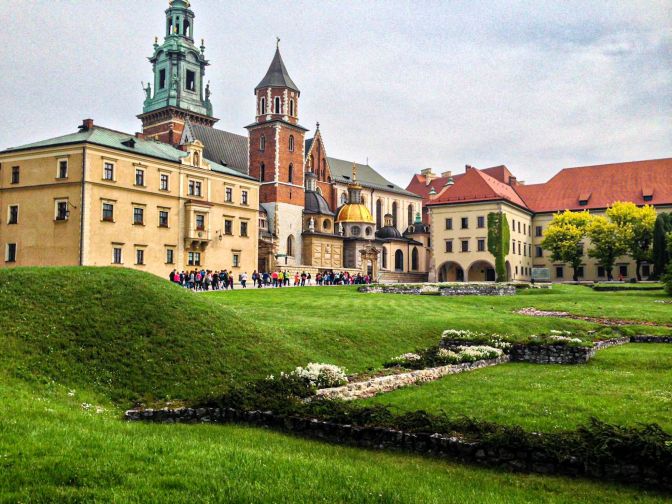
As I was about to embark on an exploration of Krakow’s beer culture, it was interesting to perceive it within the context of the complex dynamics that once existed here. When I think of brewers stirring a vat of beer mash, I think of Christian monks, not someone of the Jewish faith. Beer marketing itself goes hand-in-hand with Christian iconography. Yet, it cannot be denied that somewhere in Poland’s past, it must have been common to drink a beer brewed by a Jewish person and served by a Jewish landlord. This was an utterly fascinating wrinkle to the journey.
Exploring Krakow
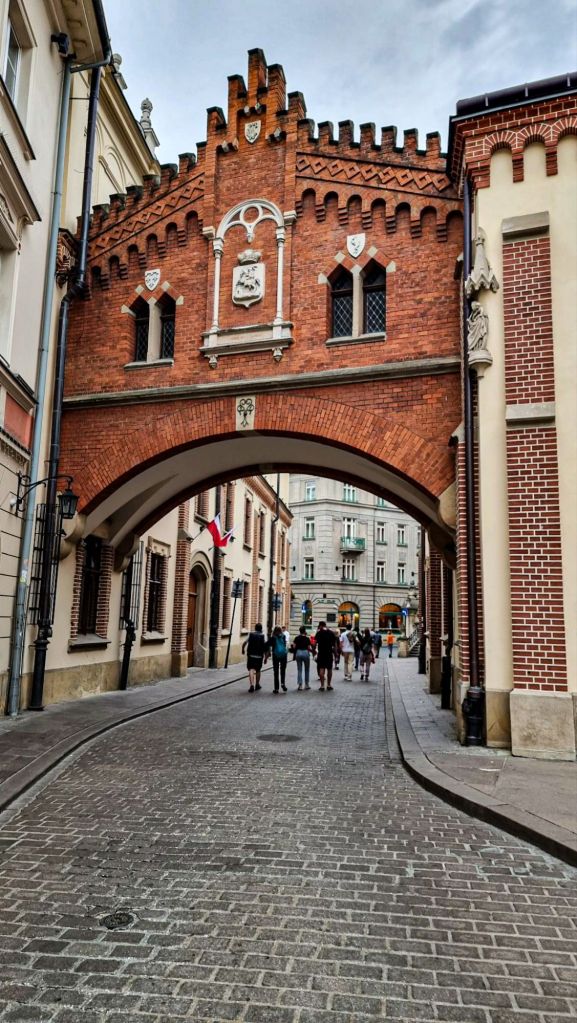
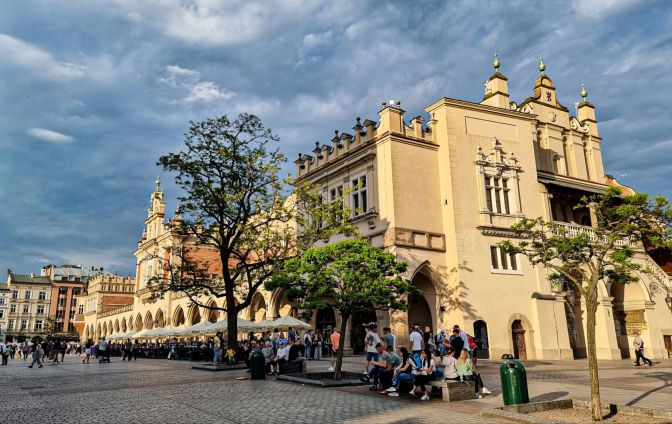
Krakow is a city which is a joy to experience by foot. All of the places described are either in the old town (Stare Miasto) or in the Kazimierz neighborhood south of the old town, which is a short walking distance from the old town. Krakow is a colorful maze with intriguing churches around every corner and down every street beckoning you to enter, provided you politely respect any service in progress, which seem to happen at all hours of the day. My favorite was one that I ducked into as it started to rain. It is hidden away in a back corner of the old town and looks like the type of rustic church you’d find in a small village. It is dedicated to St. Casimir the Prince, no relation to Casimir the Great.



What is the traditional Polish pub?
When I think of places like England, Ireland, Belgium, Germany, and the Czech Republic, I can immediately conjure up an image, a mood, a façade, a style. I came to Krakow fully anticipating to find a beer culture which would place Poland within the echelon of the aforementioned countries. I first visited Krakow in 2015 and joined an organized pub crawl through the Viator website. We visited three local pubs, two of which still exist and are mentioned later. I remember at the time feeling like I had barely scratched the surface of a larger, more vibrant beer culture which needed more time to explore. When I returned for the second time in May 2025, it was with the goal of fully realizing Krakow’s potential. What is the traditional Polish pub? Let’s have a look at the candidates.

Pubs in the Stare Miasto
KORBA Piwo Kawiarnia
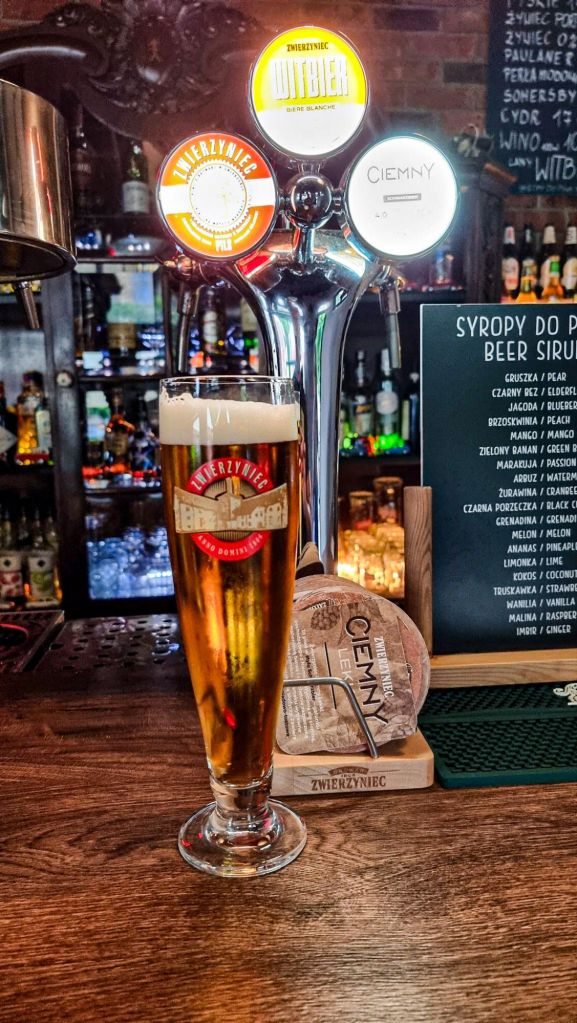
Situated on the tree-lined side of Plac Jana Matejki just north of the old town city walls is this pub. Of all of the pubs that I will feature in this post, this is the one that felt more for the locals. It is not that far away from the tourist hordes and is situated just a few doors down from where a tour bus departs, but it still retains a residential vibe. It has a small effective terrace which was a joy for people-watching as I sipped a Zwierzyniec. It’s rather unremarkable exterior explains the lack of a photo, but this might have been my favorite pub experience in Krakow. But it didn’t fulfill my expectations of what a traditional pub should be. It was for sure the only time during my stay in Krakow where I drank a commercial Polish pilsner in a pub intended for it.

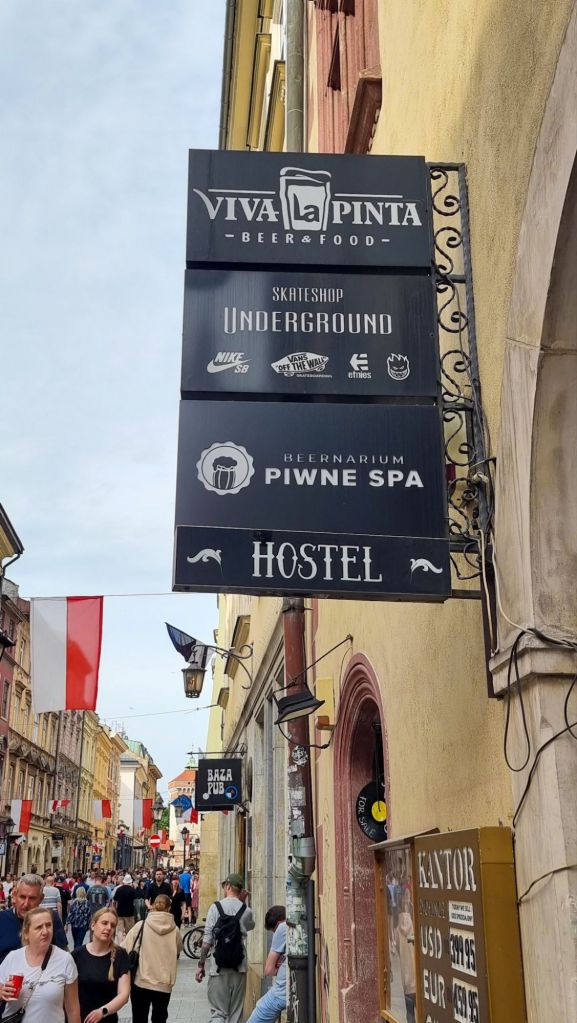
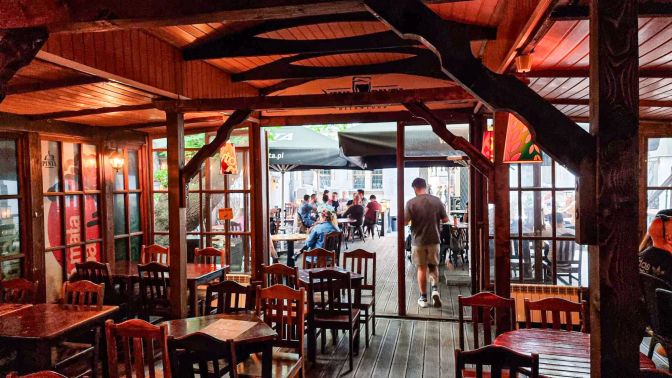
Viva la Pinta
Viva la Pinta was one of the three pubs that was part of the tour I took back in 2015. Barely visible from the bustling Florianska just a half block from Glowny Square, Viva la Pinta is nestled at the back of an alley tunnel with an open courtyard and a rustic covered seating area. This is a craft beer bar with a wide selection of Polish and international craft beers. A very popular place. Really glad to see them still around after ten years.

House of Beer
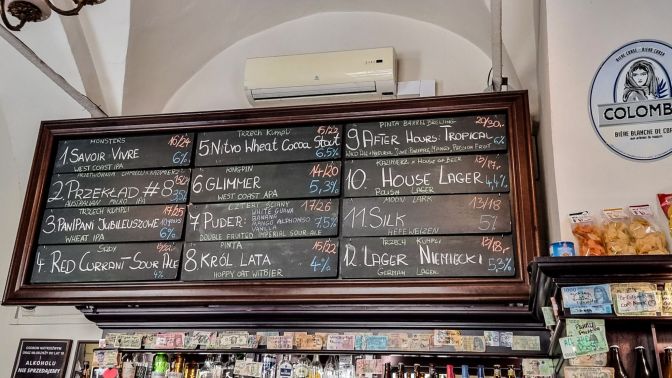
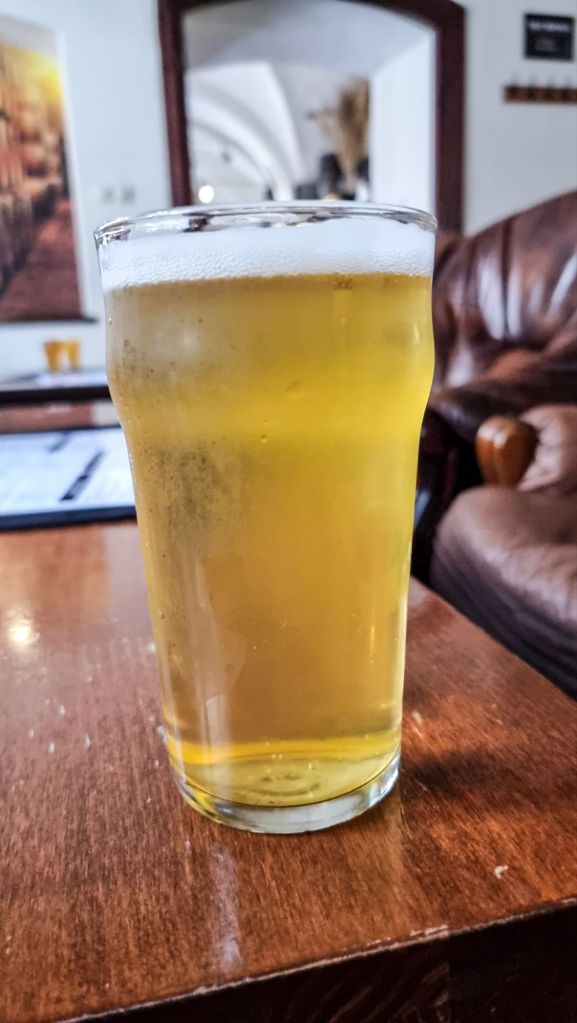
House of Beer was also around during my 2015 visit. To qualify as a traditional pub, House of Beer certainly looks the part, with its stucco exterior in the midst of elegant decay and the bastion looking like it took a miscalculated turn by a German tank. The interior also has a classic pub look. While it has much going for it, it feels a bit fabricated and doesn’t grasp me as traditional. It has a decent tap list of craft beers, and I enjoyed the house lager from a comfy leather chair. It has everything going for it to remain a mainstay on the Krakow pub scene.

Beer Gallery Luxury
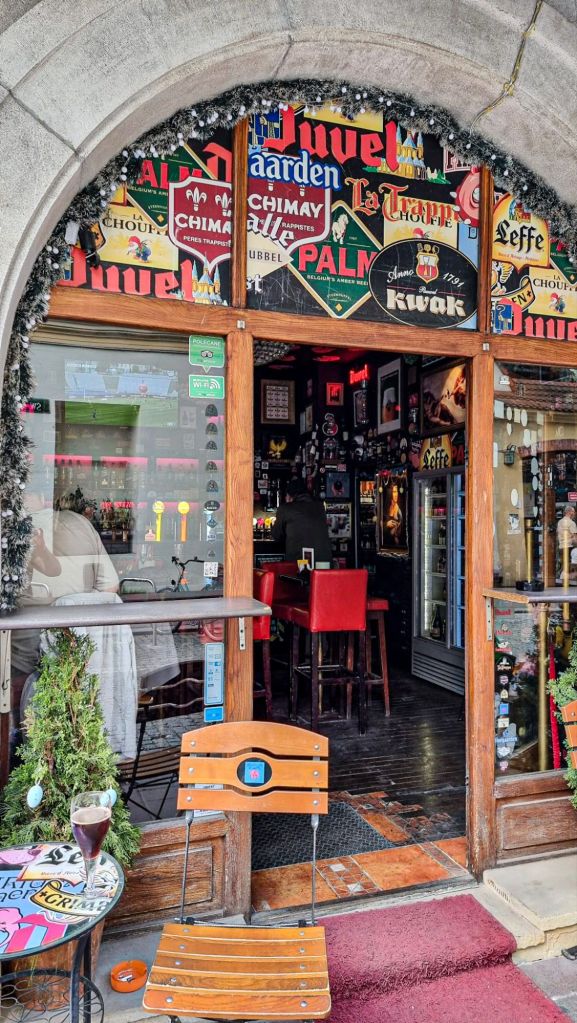
Immediately adjacent to the House of Beer is this pub featuring Belgian beers. It is a very colorful bar with a great selection, but it had nothing new to offer me. I list it here because it would entertain most beer pilgrims. However, I preferred to save my liver stamina for other venues.
Multi Qlti
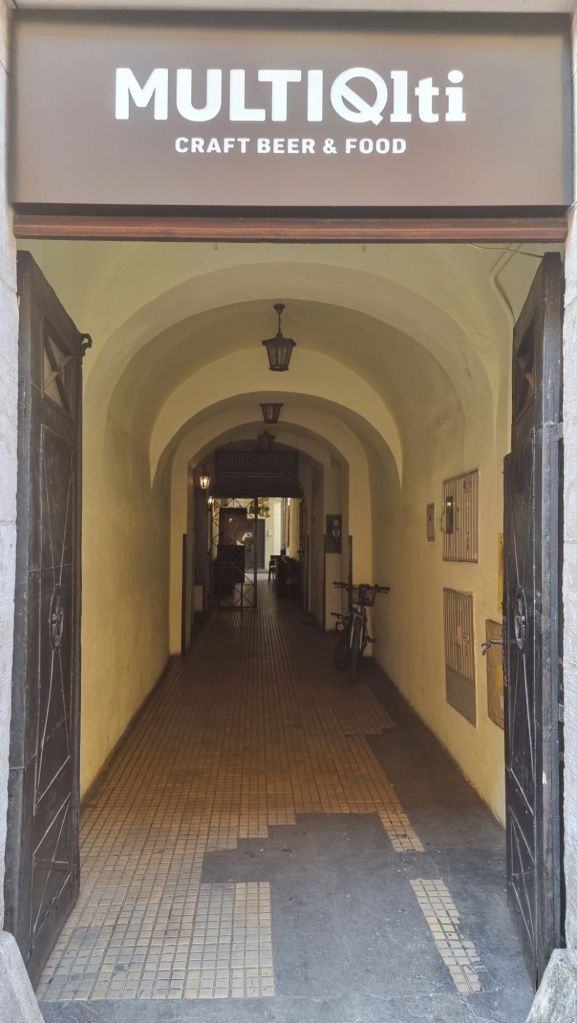
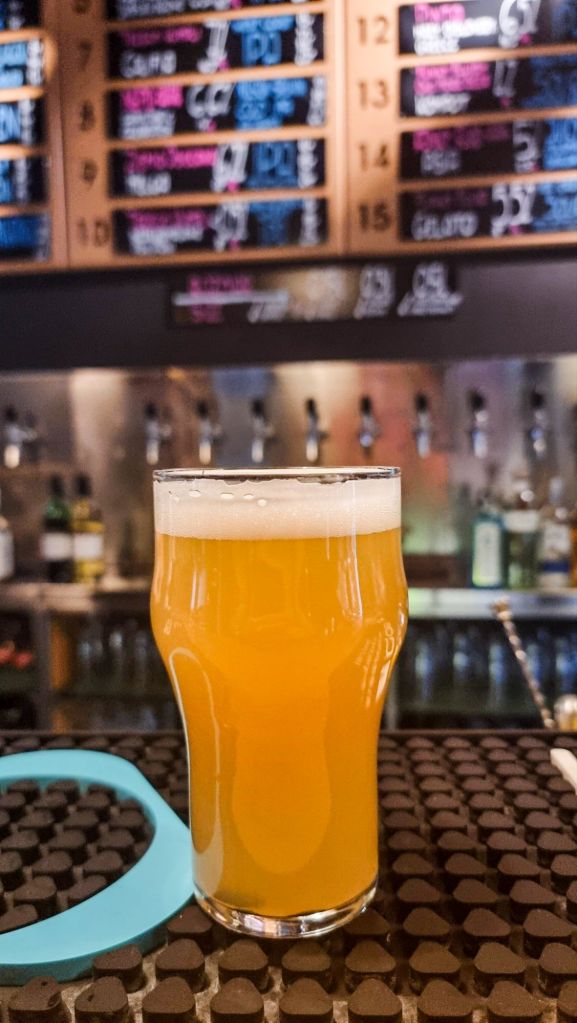
This is the other of the pubs that I visited on a tour in 2015 that still exists. Like Viva la Pinta, Multi Qlti has no standard entrance. In this case you need to walk down a residential-looking tunnel and take a flight of residential-looking stairs to get to the pub. The taplist of craft beers is excellent. If you manage to get a window-side table, you can enjoy the view of the busy Szewska. This is a modern craft beer bar that has managed to become a local staple and stick around all these years, deservedly so.
Bierhalle Krakow
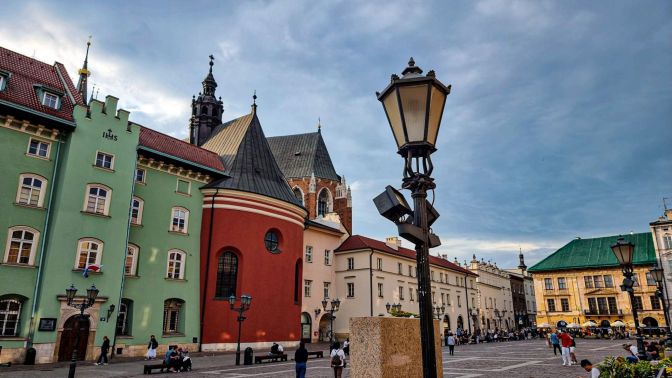
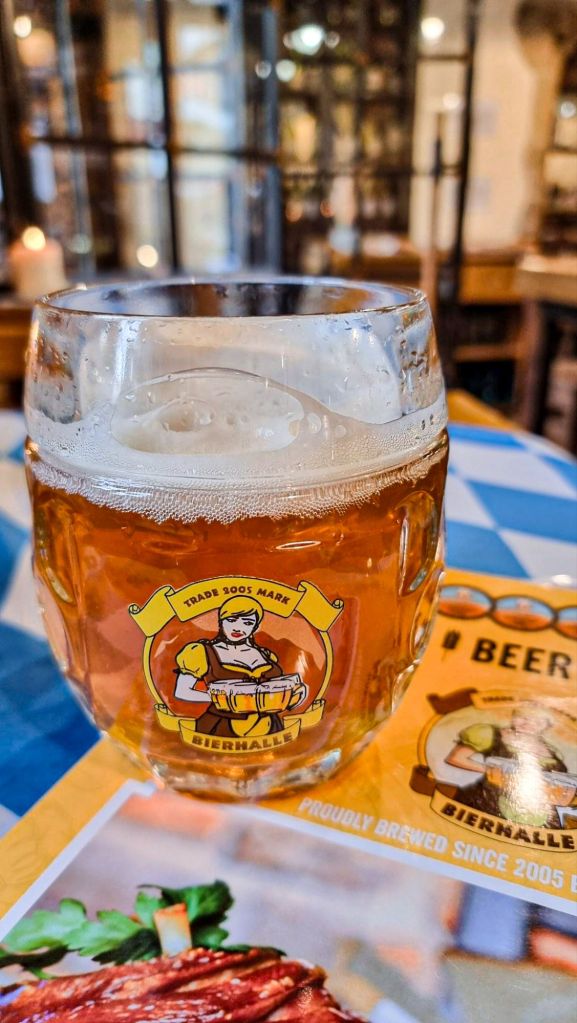
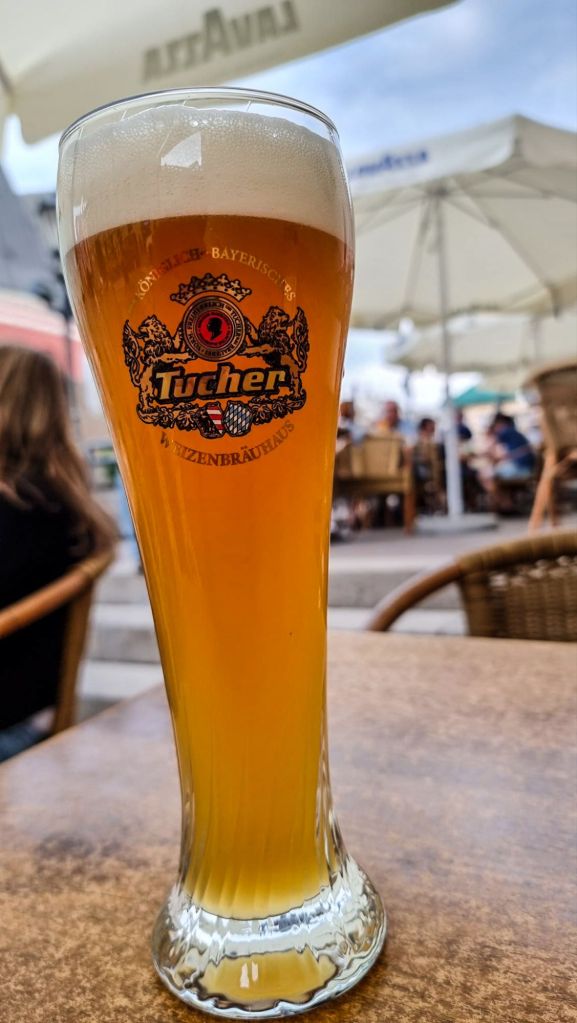
One block away from Europe’s largest square is the slightly quieter pastel paradise of Mały Rynek. Here we find a German-style beer hall, complete with all the typical German-style beers and food. The beers seem to be self-brewed by the restaurant, although the hefeweizen being served in a Tucher glass leads to some question. Let’s face it. You don’t come to a place like this necessarily looking for authenticity. You come because this is the type of atmosphere you expect to have when drinking a beer in Europe… or should I say Germany? I unabashedly enjoyed having a few beers here, but it did nothing to answer my question about what a traditional Polish pub is all about.

C.K. Browar
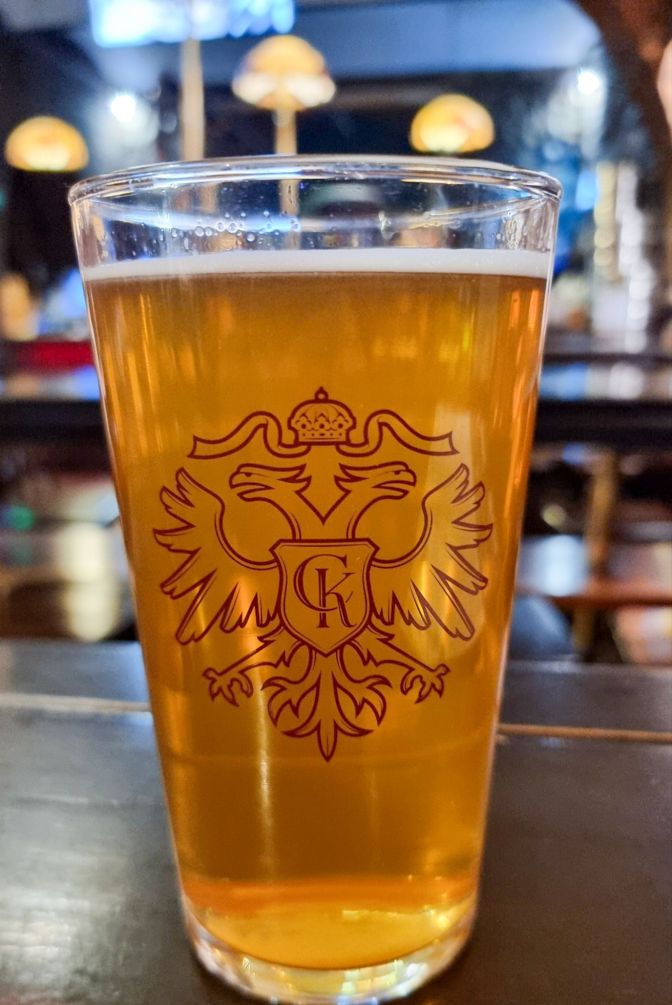
Which brings us to probably the most devisive venue in Krakow. Here is possibly the most authentic brewery and brewpub in the heart of Krakow. Yet to the locals, C.K. Browar is relegated to a place just for the tourists. I get it. I can probably get a better beer at every other place I mention in this blog post, but there is something to be said about the experience. Entering the cellar restaurant/pub of C.K. Browar feels like you are getting that European pub experience rather than a run-of-the-mill craft beer experience. I respect that, but it would be nice if there were two or three other brewery pubs like this around Krakow. This may be the only one of its kind. This should be cherished.


Kazimierz District
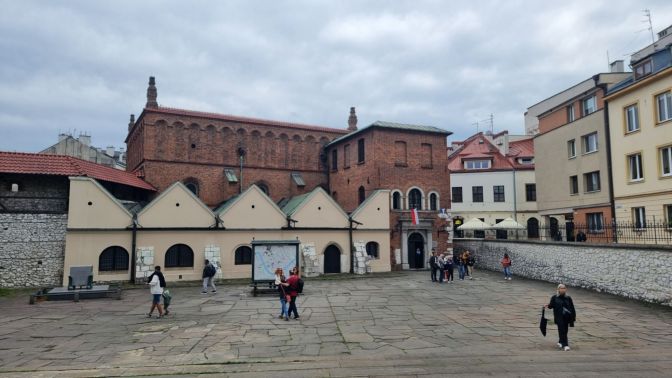
Kazimierz was historically the predominantly Jewish neighborhood of Krakow named after Casimir the Great. Here Krakow exchanges the elegance of the old town for a more weather-beaten, eclectic assortment of small quirky squares full of cafes, markets and food trucks. The district’s Jewish heritage still runs through its veins. A visit to one of its old synagogues is a must. In the heart of Kazimierz is the Plac Nowy food court where people line up to order a zapiekanka, a kind of open-faced toasted baguette with all sorts of sloppy ingredients. But I was here for the beer, and Kazimierz has a handful of craft beer bars.

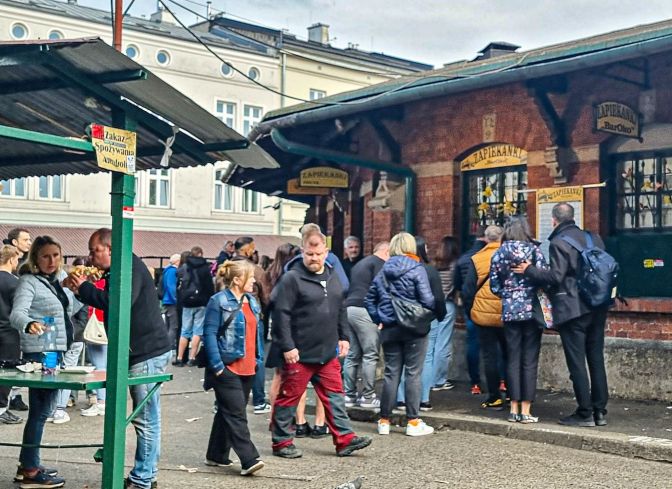
Nowy Kraftowy
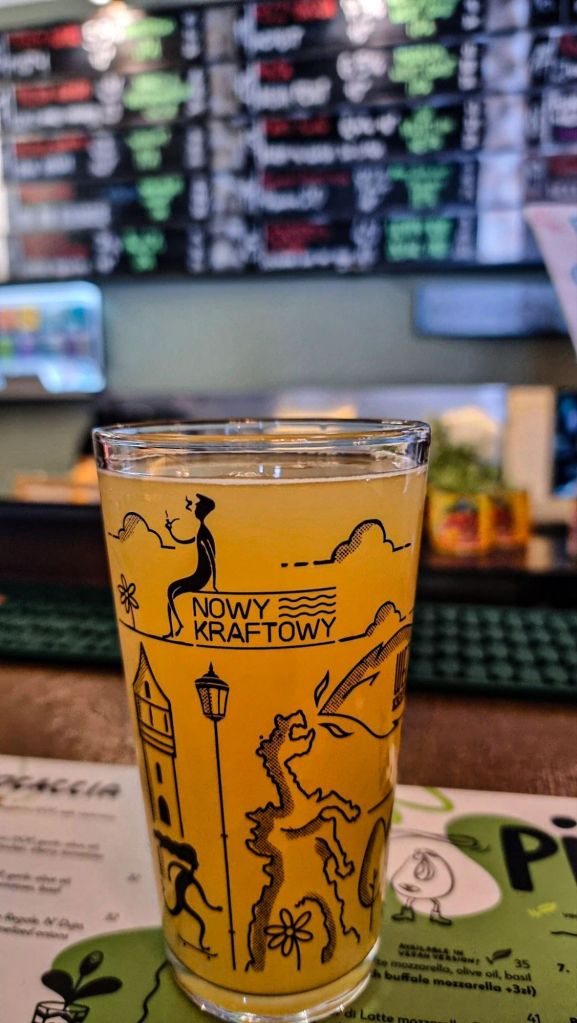
Nowy Kraftowy sits on a corner of Plac Nowy so nonchalantly that even if you are looking for it, it is easy to miss. The demure entrance betrays its spacious interior and sizable taplist.


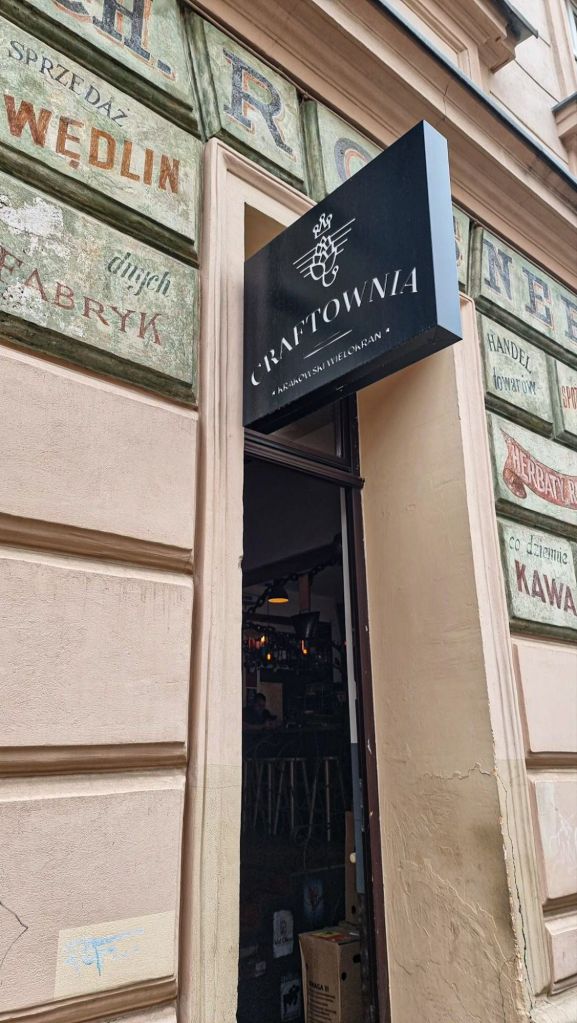
Craftownia
This cozy little joint feels like the kind of place local university students would come to share a beer with their best friend, talk about the exam and gossip. I like the faded advertisements decorating the façade which give the venue an authentic look. Grab one of the few street side tables and enjoy watching local life pass by for a time.

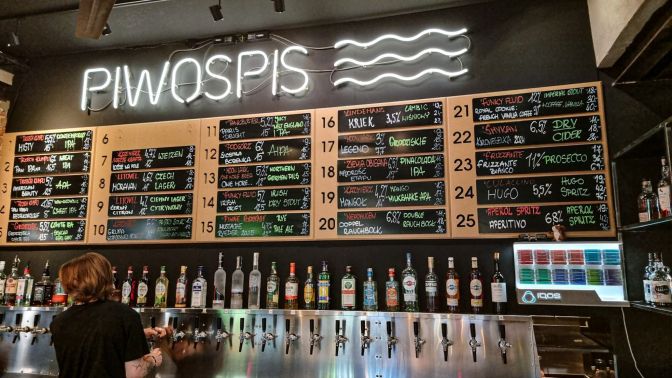
Weżża Krafta
The final selection is this fine craft beer pub. With its outdoor terrace, Wezza Krafta is probably the pub of choice in Kazimierz for groups of friends on a beautiful evening. I noticed here that several of the local craft beer pubs share the same beer glass which has all of their names on it.

Final Thoughts
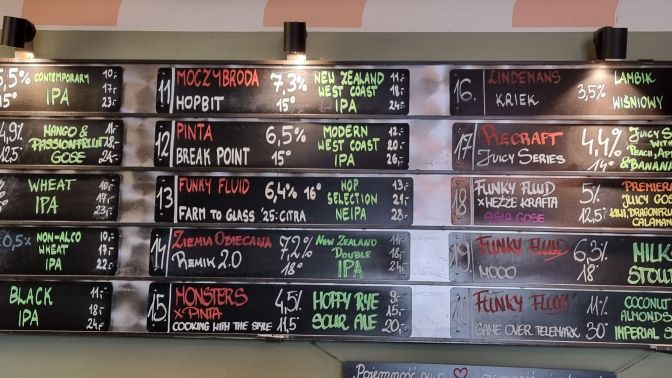
I cannot escape the feeling that I missed something. Perhaps it was a mistake to think of Krakow in the same vein as a Prague or a Munich or even to compare Poland to its beer-famous neighbors, Germany and Czech Republic. Nevertheless, the pubs of Krakow offer a vast variety of craft beers, and no beer pilgrim will go away disappointed. Yet, I would not rank Krakow in the upper echelon of great beer cities. With that being said, Krakow itself is a city that will immediately appeal to anyone looking to experience old Europe. I became enthralled with it back in 2015 and that connection exists to this day. It is a city whose buildings glisten like a garden under a blue sky. At the same time, it provides welcoming shade and hospitality in its plentiful green areas, in it’s narrow side streets, and within the sanctuary of its numerous churches. It beckons you to understand the tribulations of Poland’s past and that it stood apart from other nations in Europe while its neighbors kept attempting to tear it asunder. Here you can sit meters away from a synagogue sipping a craft beer and not feel like it is somehow encroaching on another culture; that maybe 250 years ago, it would have been pretty normal. How cool would it be to discover this legacy continuing today? Meanwhile, it was time to take a train to Warsaw and resume my discovery of both Poland and its beer culture.


 itsabrewtifulworld
Wonderful post. Looking forward to Warsaw!
LikeLiked by 1 person