
Some of my favorite adventures are the ones which rise up out of the ashes of ill-fated plans. Such was the case the day after my ambitious but exhausting urban hike in an unseasonably warm first couple days of May in Krakow, Poland. The nice 28-degree weather, however, was about to take a nosedive into the low teens or below causing me to abandon my idea of hiking in the mountains near Zakopane, where the weather was going to be even worse. Turning to Google Maps, I began in earnest to try to find something that would fill the void. I have learned in the past, when in dire need of a quick adventure, search for abbeys. And there along the Vistula River not far from Krakow was the Benedictine Abbey of Tyniec. A quick glance at their website revealed an abbey shop with its own beer. Say no more.
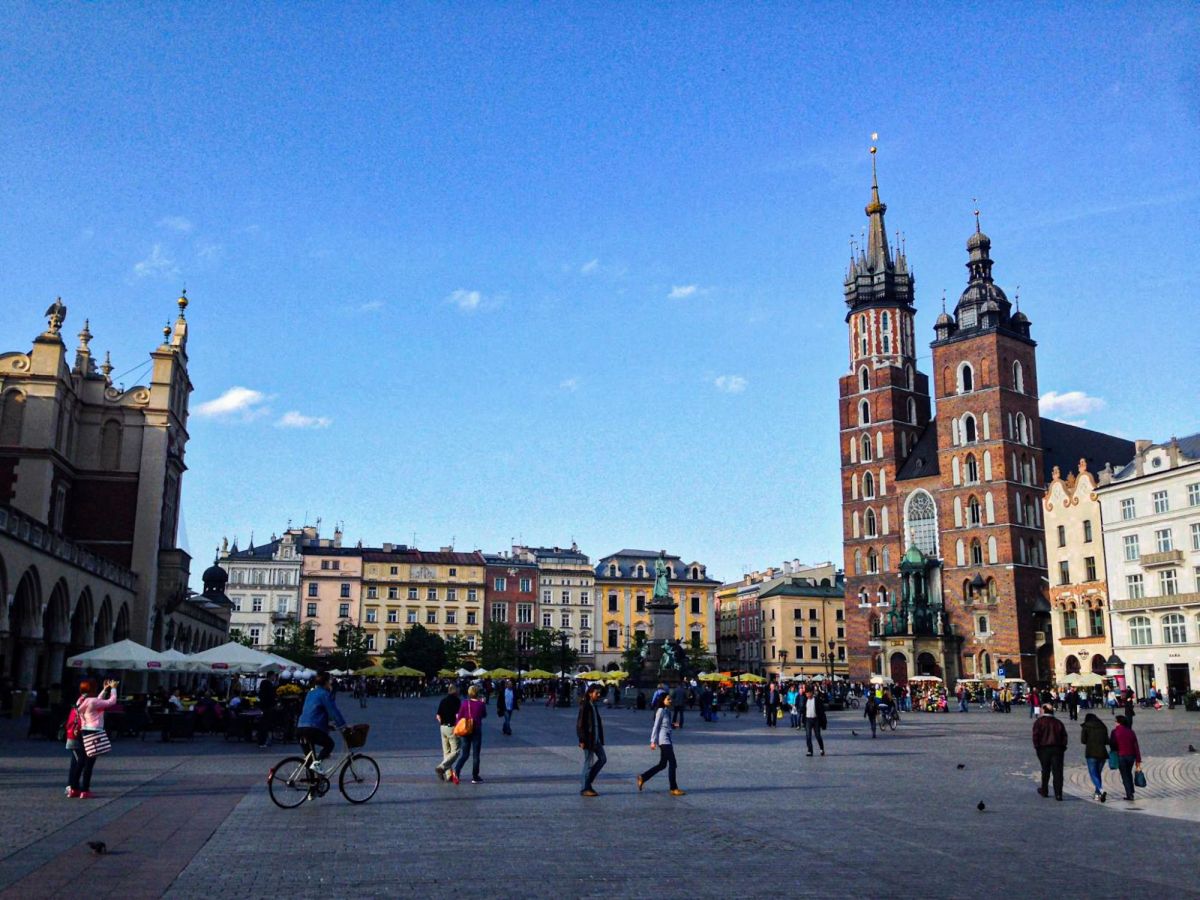

As I scanned the map, some other interesting waypoints appeared. I quickly generated a route on Komoot and headed to the bike rental shop. The downside of hastily-made adventures would reveal itself in short order, but then what fun would an adventure be if it didn’t come with a little cursing? As such, I would not recommend following this route precisely as drawn for reasons I will explain.
The Route
| Starting/Ending Point | KRK Bike Rental |
| Total Distance | 31.9 km |

It’s Not Just a Beer, It’s a Journey
When I visit countries in Europe, including the one I live in, Belgium, I don’t often burden myself with too much historical detail. To pull back the pretty layers and really understand a country’s existence is to confront names and dates and treaties and politics. It is perfectly acceptable to visit a city like Bruges, be awed by its pseudo-medieval charm, and leave with nothing more than memories of canals, stepped gables, chocolate, and beer. But for me, taking Krakow and Poland at face value creates a disconnect in a way that I have not experienced in other places. For example, the Czech Republic and Prague. I have always been willing to just let Prague entertain me and enjoy it casually as I wander from brewery to brewery. Perhaps, it is because much of the appeal of visiting Poland for me is related to its World War II heritage rather than its beer culture.
To appreciate the devastation that World War II caused Poland, it helps to understand who or what Poland was at the time. It would be easy to take for granted that Poland always was; that in 1939, it was a long-standing nation. However, the Poland that was invaded in 1939 had only existed as an independent nation since 1922, a status it had gained after 127 years of being absorbed in the German, Austro-Hungarian, and Russian empires.
After World War I, when the German and Austro-Hungarian empires were being dismantled, Poland used the opportunity to try and re-establish its nationhood. It’s new borders would include territories lived in by German, Czech, and Ukrainian peoples, so Poland immediately found itself in a series of small frontier wars. The man leading the way during those trying years of 1918-1922 and sporting one of history’s best imperial uni-brows is Josef Pilsudski. While he is considered a founder of modern Poland, he wasn’t the first elected President of the new republic.

In the elections of 1922, Pilsudski, a Socialist, did not run for President against the opposing Nationalist party. According to Europe After 1918 by Herbert Gibbons (1923), Pilsudski refused to run because his victory would come from the deciding votes of Poland’s German and Jewish populations. Whoever would win would face severe backlash from the Nationalists. In case of the eventual winner, Socialist Gabriel Narutowicz, the severest. He was assassinated within five days. It took a few years for the political landscape to stabilize, partially due to a Pilsudski-lead coup d’etat in 1926, following which Pilsudski landed the position of Prime Minister until retiring in 1930.
In the hills west of Krakow sits the Kopiec Pilsudskiego or Pilsudski’s Mound. Getting to it by rental bike is not as difficult as putting together a coalition government, but it certainly put the bike ride to the test. This was one instance where relying on the automatic route generation of Komoot didn’t work out optimally. And then I made matters worse.
Getting to Pilsudski’s Mound
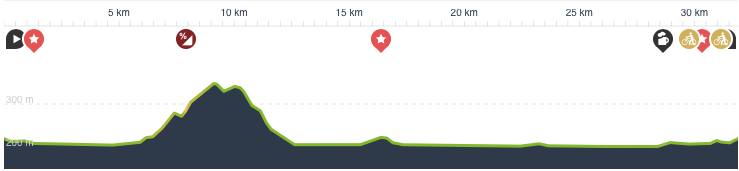
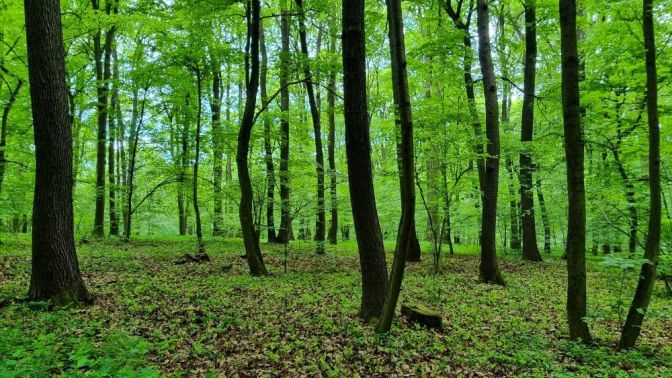
You aren’t going to get to Pilsudski’s Mound without a serious climb. Komoot chose the most direct route which is taking the road up to the zoo. About half way up, I pulled over to the side of the road as I was gassed. It just so happens that this spot was the entrance to a trail network leading into the forest surrounding the mound. Looking at the climb ahead of me, I decided to take my chances with the trail despite the fact that I was using a city-style bike. The trail looked wide and in good condition and at least as far as I could see, running level. That would be the little notch you see during the ascent in the above elevation graphic.

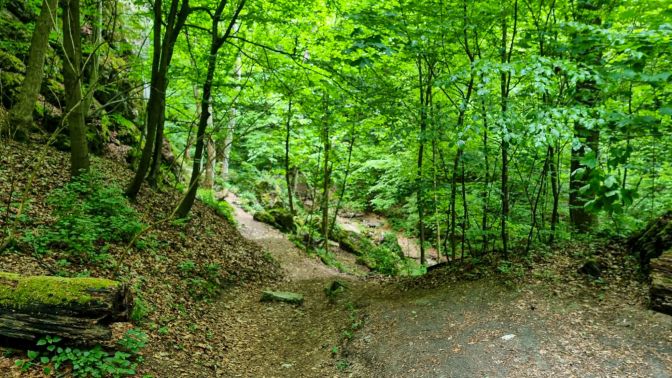
The nice, smooth bike-friendly path soon gave way to root formations and obstacles even a mountain bike would struggle with. After a lush part of forest, I stood before the path going straight up a steep hill. My Beer & Bike Ride became a Beer & Bike Push. To ease my frustration, I convinced myself that pushing the bike was preferable to climbing a winding road being passed by cars and busses. Eventually, I reached the top, hopped on the bike for the final hundred meters and rode triumphantly to the foot of Pilsudski’s Mound. In a moment of irony, simultaneously someone rode in from the northerly direction on his bike, appearing to arrive with far less difficulty.
Josef Pilsudski’s Mound
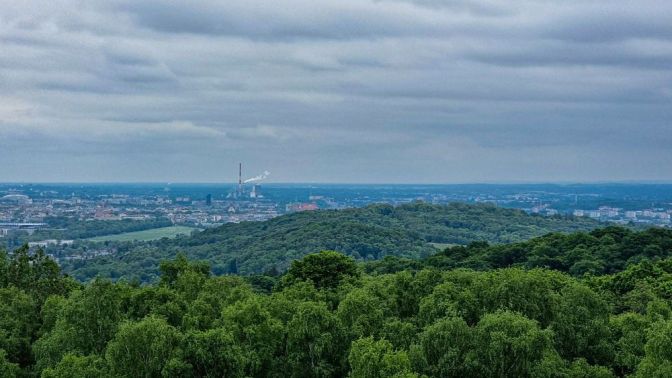
Hike to the top for some great views.

Ride from Pilsudski’s Mound to Tyniec
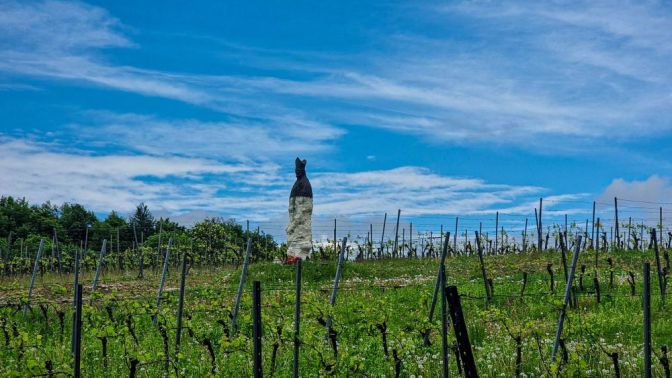
The ride from the Mound down to the Vistula River is a steady downhill progression through the beautiful forest and coming out next to a large vineyard.

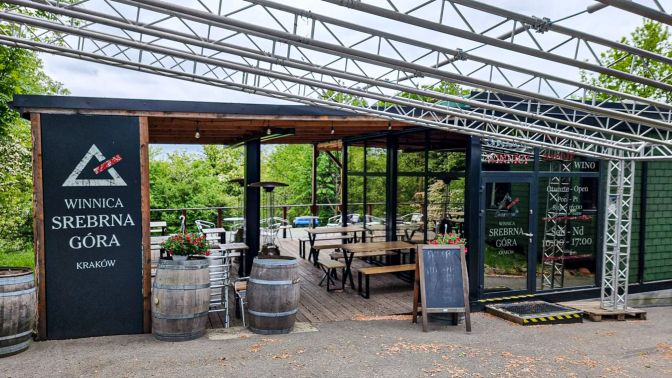
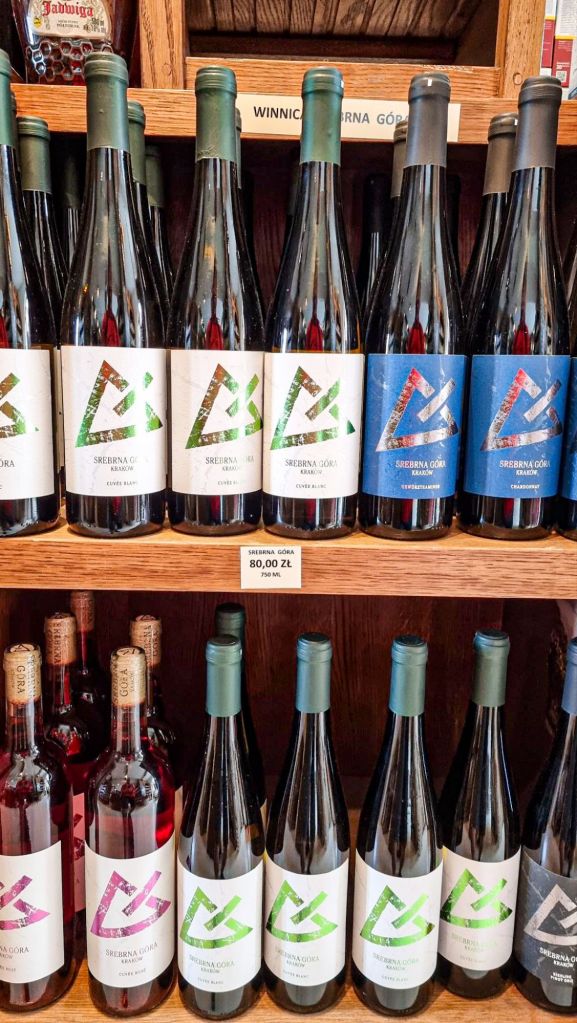
Srebrna Gora Winery
Despite what Google Maps was saying, the winery cafe was not open on Mondays.
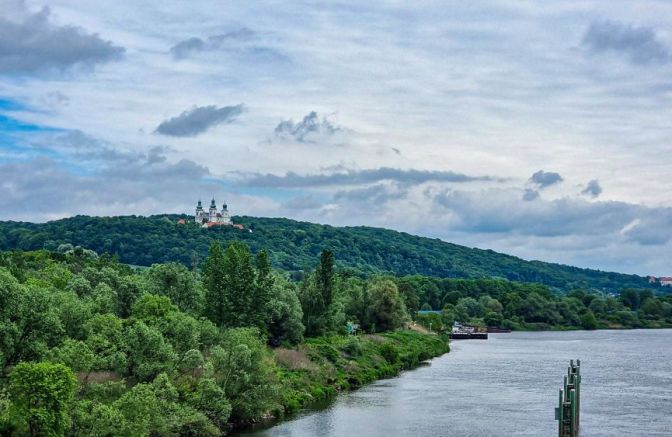
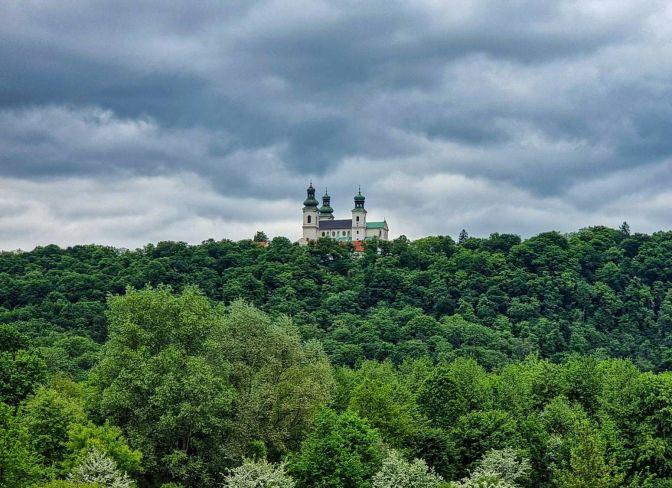
Camaldolese Monastery of Bielany
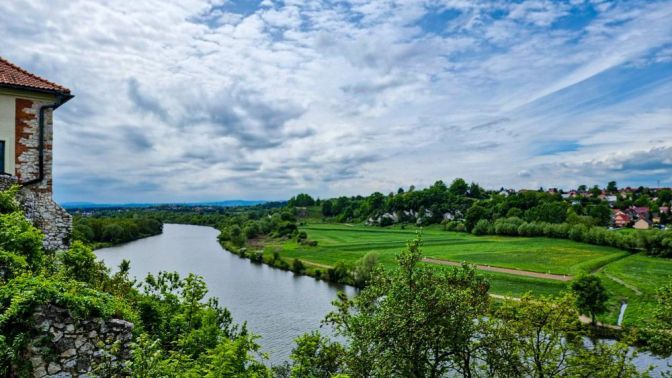
You actually pass the monastery property before reaching the vineyards but it is not possible to see the monastery until you reach the Vistula River. It makes quite a dramatic appearance. The Camaldolese monks live in extreme solitude. Each monk lives and eats entirely alone, only visiting other monks in case of illness.
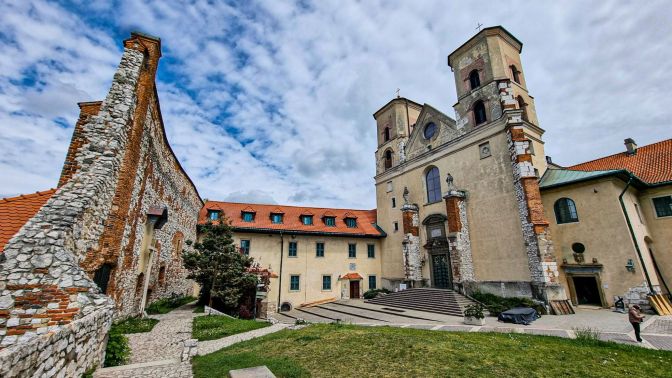
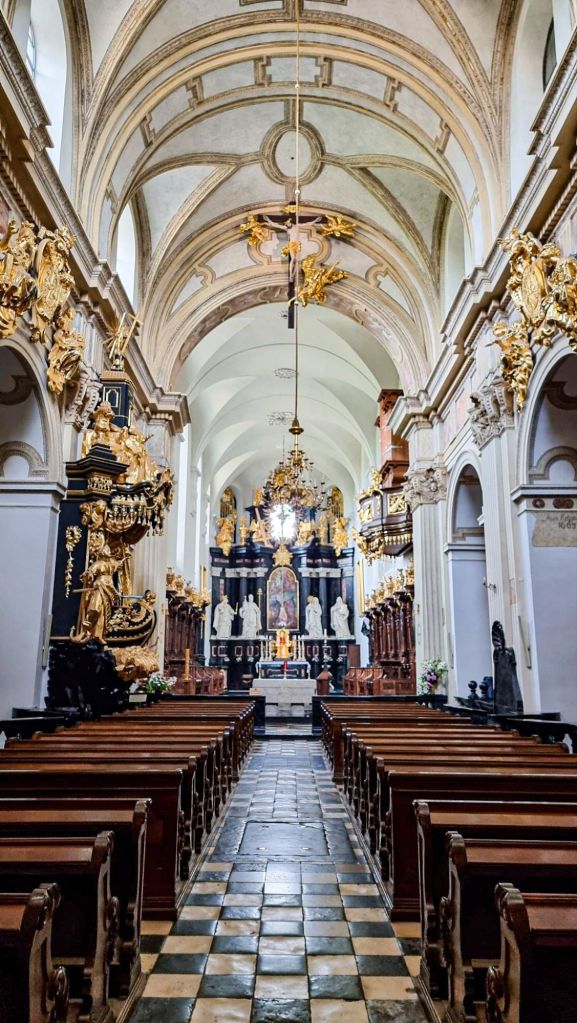
Benedictine Abbey of Tyniec
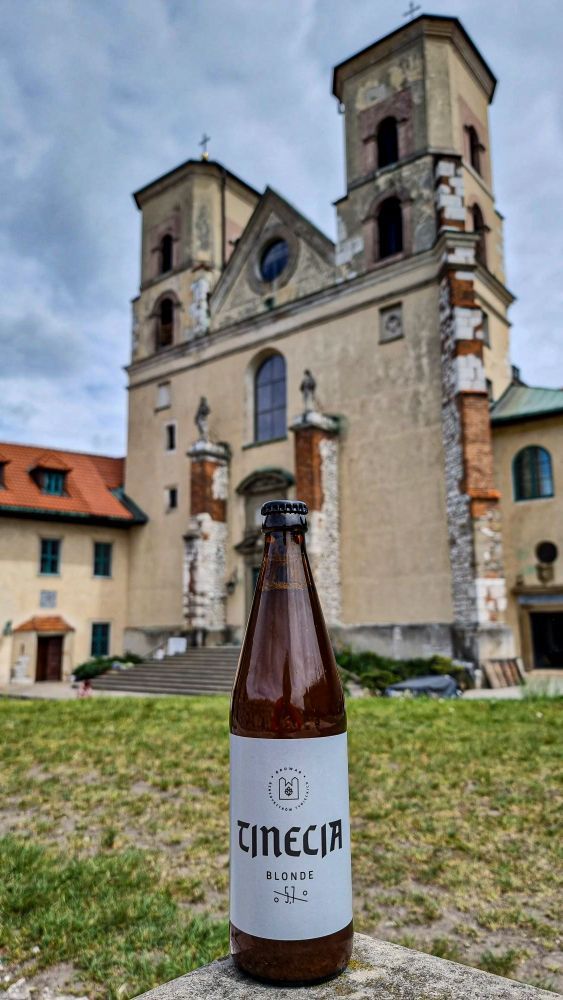
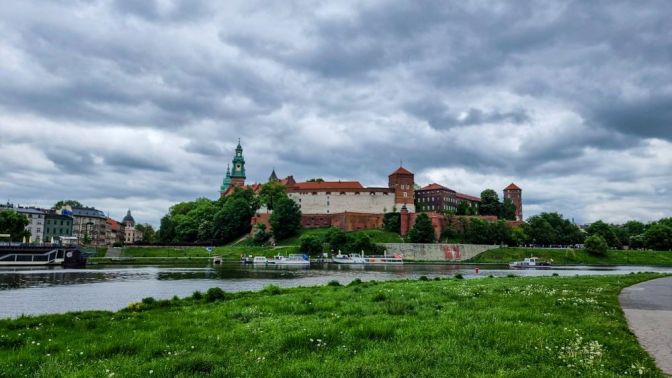
The Benedictine Abbey of Tyniec is believed to have been originally founded in 1040. Like many abbeys in Europe, it did not survive very long during the early 1800’s as in this case, it was dissolved by Austria in 1816. It wasn’t until eleven Belgian monks arrived in 1939 just weeks before the Nazi invasion that the monastery became active again. Today, the monks brew the Tinecia beer which can be purchased in the gift shop. They do not serve the beer here, but there is a pub nearby. Despite being about 12km away, the village of Tyniec is officially incorporated into the city of Krakow.
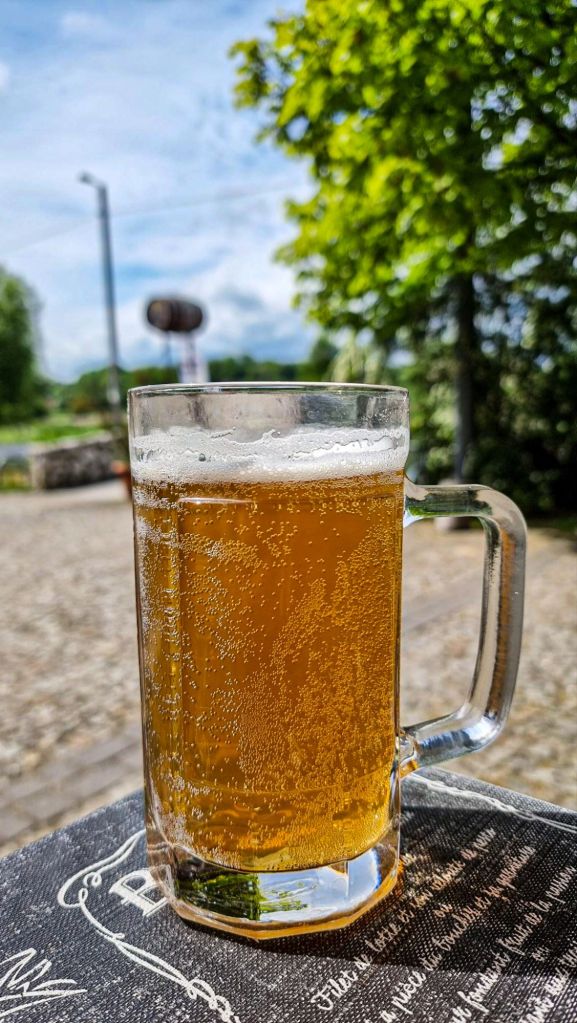
Browar Tynieckie
Just a short distance from the abbey along the route is this pub where you can enjoy the Tinecia beer.

Ride from Tyniec to Krakow
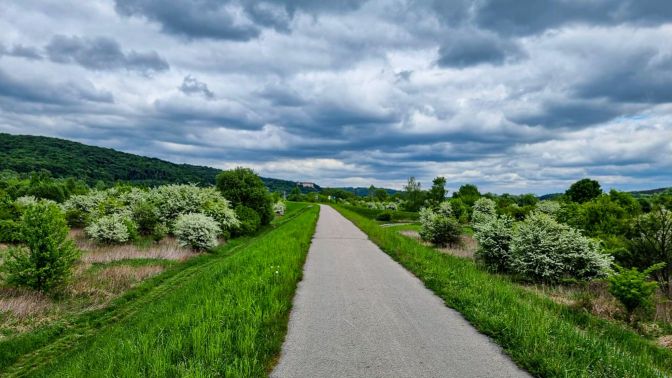
The ride back to Krakow is a peaceful, easy journey along the Vistula River.
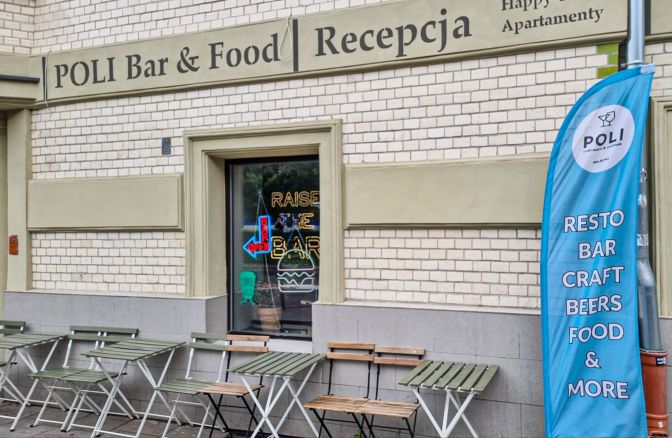
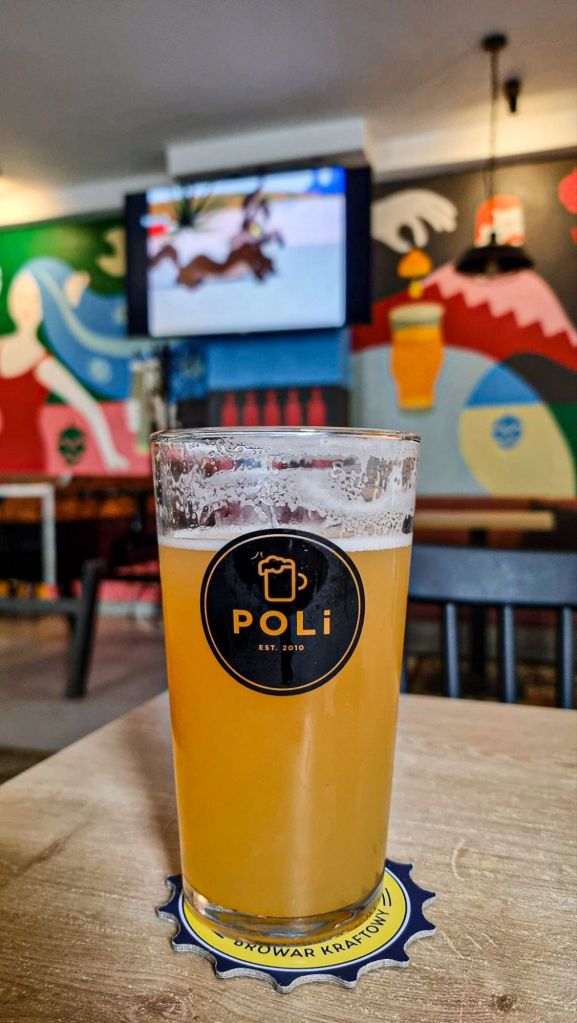
POLI Craft Beers
I chose this craft beer bar to feature in the bike ride since it is situated a little outside the main city center and easier accessed by bike. They have a good selection of local craft beers and the pub is well worth the visit. Despite food being mentioned everywhere, the kitchen is not open on Mondays. Wile E. Coyote & Roadrunner cartoons streaming on the television did a good job cheering me up.
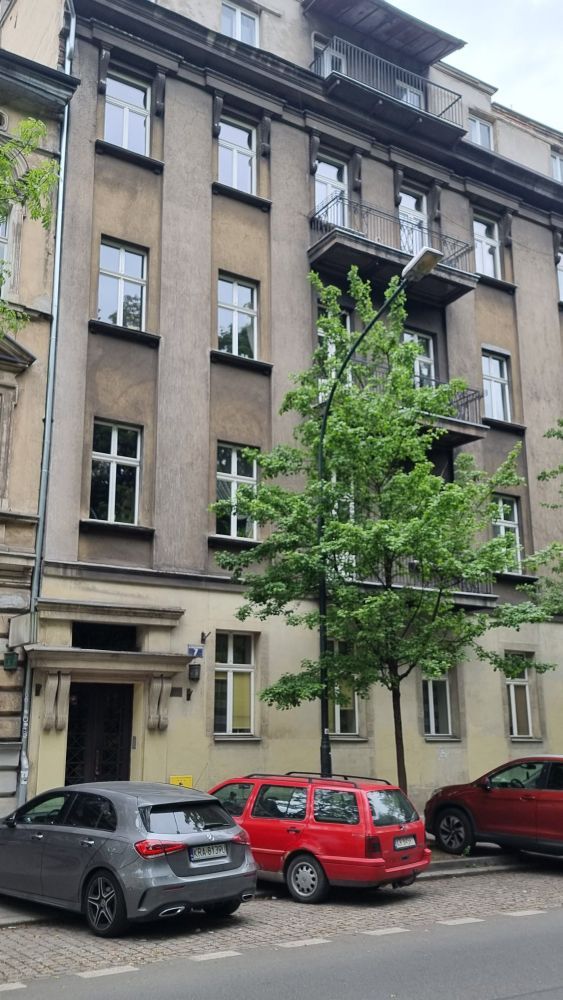
Former Home of Oskar Schindler
This drab looking building on Floriana Straszewskiego 7 near the castle was a former home of Oskar Schindler and was briefly seen in the Schindler’s List film. It makes a nice quick final photo opportunity before returning the bike back to the rental shop.
Final Words
Despite my mishap in the bike route planning to Pilsudski’s Mound, I do recommend visiting it by bike from Krakow city center. No matter what, it will take some effort to ascend from any direction, but there are other better ways than the route I chose. Pilsudski, like Kosciuszko in my previous post, is a name worth knowing if you really want to have a tangible sense of Polish history. And the name Pilsudski has such a beer vibe to it that there must be such a thing as a Pilsudski Pils. And indeed, according to Untappd, there is a Pilsudskis Pilsner made in Lithuania, Pilsudski’s birthplace when it was simply a region in the Russian empire. It is too late in this post to go down another rabbit hole discussing the historic relationship between Poland and Lithuania, so I will leave that to your curiosity should you care to indulge on your own. For now, it is time to look ahead to more beer adventures in Krakow.

 itsabrewtifulworld
My first read on a quiet Sunday is this delightful account. So good to know there is Pilsudski beer! Thank you and safe travels.
LikeLike