
“Ours was the marsh country, down by the river, within, as the river wound, twenty miles of the sea. My first most vivid and broad impression of the identity of things, seems to me to have been gained on a memorable raw afternoon towards evening. At such a time I found out for certain, that this bleak place overgrown with nettles was the churchyard”
Great Expectations by Charles Dickens (1861)
Great Expectations
In Chapter 1 of Charles Dickens’ novel, Great Expectations, we find the main character Pip in a creepy unnamed churchyard where he meets the escaped convict Magwitch.
The churchyard and surrounding marsh country are vividly and atmospherically filmed in the 1946 version of the movie by director David Lean. Far from being a figment of Dickens’ imagination, these places are not stock settings, but real locations that Dickens was intimately familiar with both through his childhood and later as an adult when he explored them frequently by foot.
The region associated with the “marsh country” is the area north of Gravesend, Chalk and Higham which consists of vast fenland and populated by the remote villages of Cliffe and Cooling.
“Between the scenery about Cooling and Cliffe and the scenery of the valley of the Medway from Rochester to Maidstone there is all the difference between a November fog and a brilliant summer’s day.”
Dickens-Land by John A. Nicklin (1911)
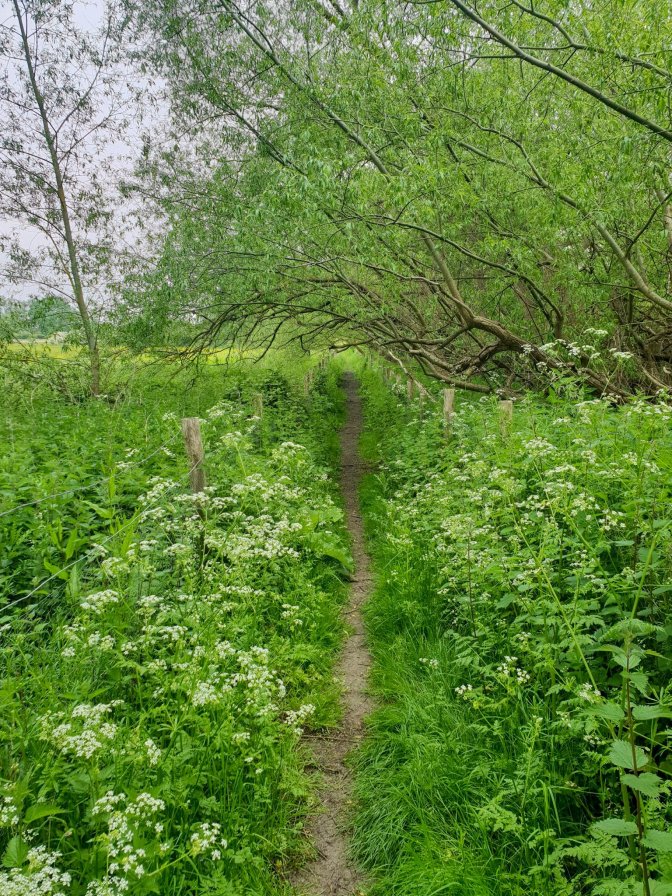
This hike will explore this moody landscape with stops in the two aforementioned villages of Cliffe and Cooling to check out their local pubs. One interesting discovery of this hike was the variety of character in the British public footpaths. Some of the paths have become completely overgrown with stinging nettles; others appear or disappear in farm fields depending on the whims of the farmer; while others are conveniently marked by the landowner in unique ways. More than once, I found myself getting frustrated particularly when walking a tightrope between two rows of nettles or while having the constant feeling of tall grass and weeds against my bare legs without being able to see where I was stepping as I calculated the odds of picking up a tick that I would need to search for later. At times during the hike, I was wondering how I would be able to recommend this hike to others. However, as I look back at the photos, they seem far less menacing and far more beautiful from the comfort of my writing chair. My memories have softened those moments. Part of the joy of exploring an unfamiliar area are these quirky obstacles. In reality, they are a figment of one’s own comfort zone at that moment. Had I wore long pants, the story would have developed differently in my head. Which leads me to my main recommendation for those who would follow in my footsteps: long pants would be useful.
Tramp Details
| Starting / Ending Point | Lower Higham Train Station |
| Distance | 22.9 km |
| My Moving Time | 4h 35m |
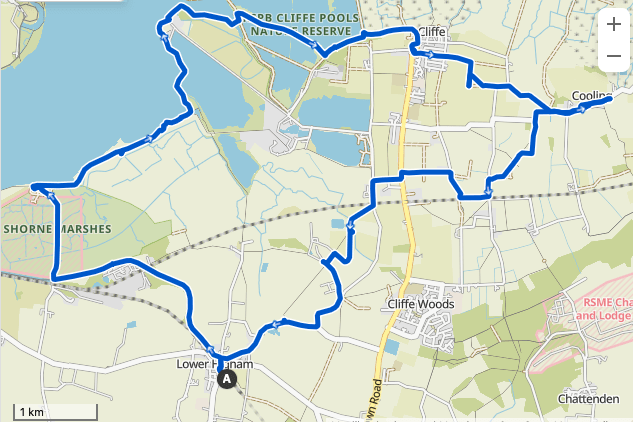
This hike is completely flat so no elevation details are necessary.
The Tramp
Higham is the only train station in the neighborhood (as it also was in the early 1900’s) between Gravesend and Rochester. Starting from there, it is a rather uneventful walk until you get to the Shorne Marshes.
Into Marsh Country
“Altogether, the place has a dreary and lonesome appearance in the close of the summer evening, and we can picture with wonderful vividness the remarkable scenes described in Great Expectations, as the lurid purple reflection from the setting sun spreads over the Thames valley, and lights up the marshes; the tall pollards standing out like spectres contribute to the weirdness and beauty of the scene.”
A Week’s Tramp in Dickens-Land by William R. Hughes (1891)
Entering the marshes, the grey clouds cast a pall over every pool of water. It was as if the literary Gods wanted to demonstrate what dreary and bleak meant.
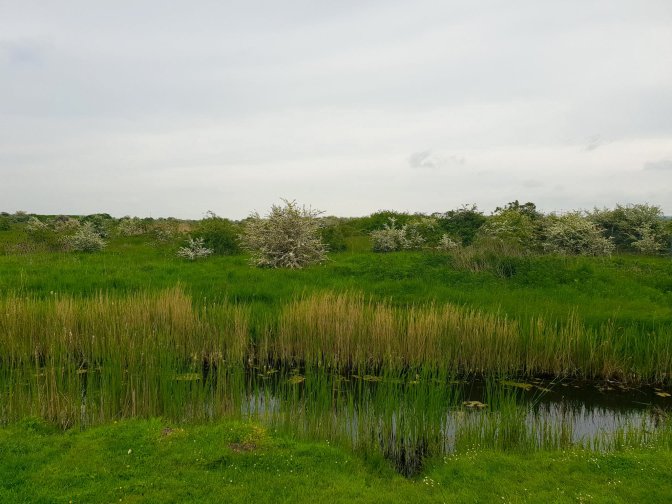

Lonely ships silently drifted like ghosts on the Thames while the path that brought me through the fens suddenly became more of a suggestion along the banks; a ribbon of yellow flowers struggled through the pervading greyness to provide a means of navigation.


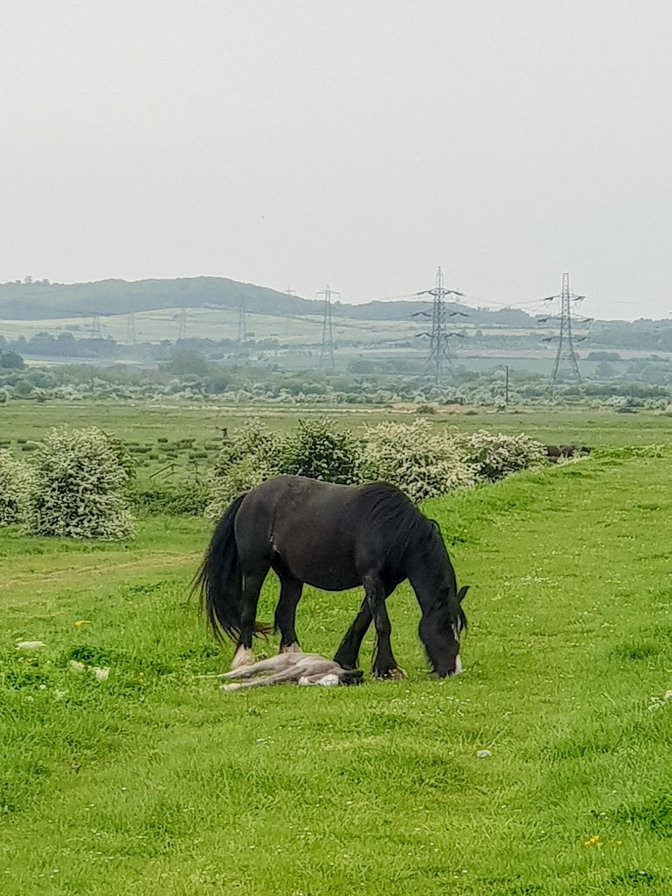
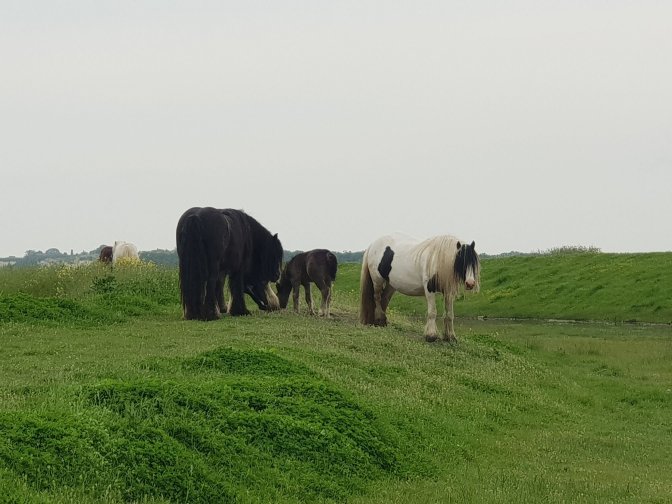
There are animals grazing in the marshes, both cows and horses. I came across this small herd of horses where a foal was lying so still on the ground, I couldn’t tell if it was alive. Walking close to it made me a bit nervous with the mother nearby munching grass, but she didn’t pay me any mind. I kept looking for signs as I was pretty sure the foal was only sleeping. Eventually, my patience was rewarded.

Along the way, you pass the ruins of a couple of forts, including Cliffe Fort. Circumventing Cliffe Fort which is fenced off and inaccessible was a bushwhacking experience. If this were Texas, I would be turning back; but since I was pretty sure I wasn’t going to step on an alligator, cottonmouth snake, or wild boar, I forged ahead like a true Briton.
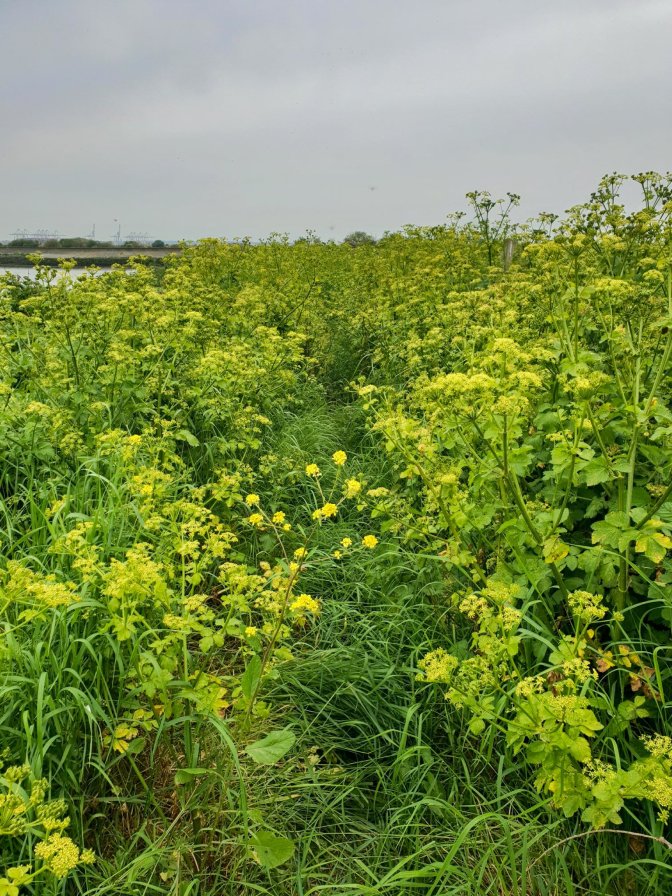
On the other side of the thorns, weeds, and nettles was a view of the marshes where you could easily picture Pip exploring.


Cliffe
Cliffe is the end of the line for civilization in this neck of the woods.


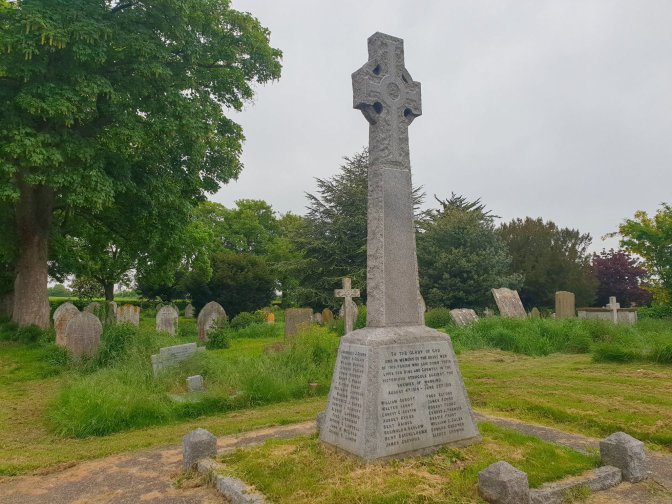
The Six Bells
Cliffe’s pub at the edge of the world is The Six Bells. Despite the suboptimal beer selection, it was a welcome albeit surreal oasis. To avoid repeating my beer choices of the past, I had to go with a German lager. It makes you wonder if any outsider is ever coming here who is not here because of Charles Dickens even to this day.


Public Footpaths Between Cliffe and Cooling
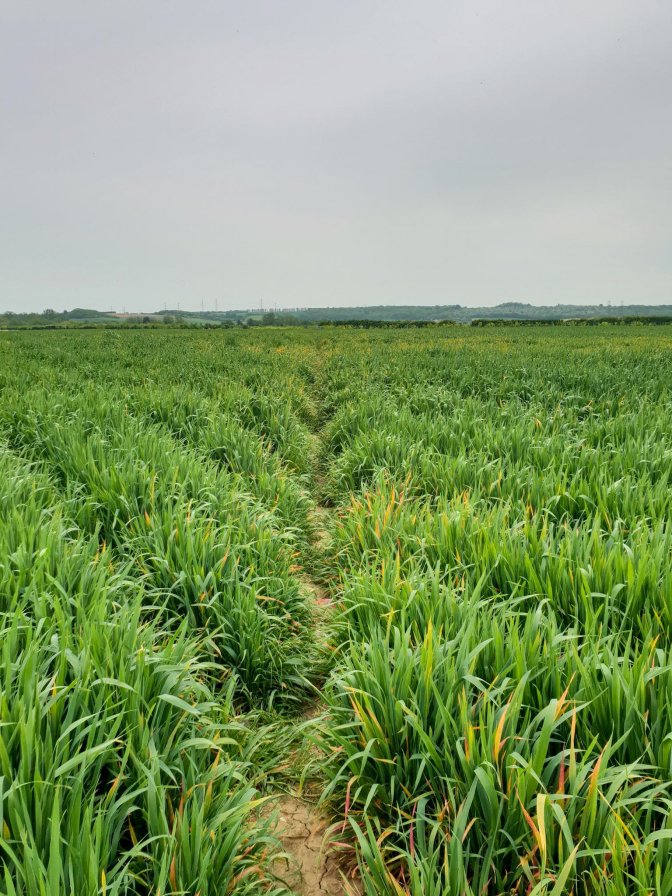
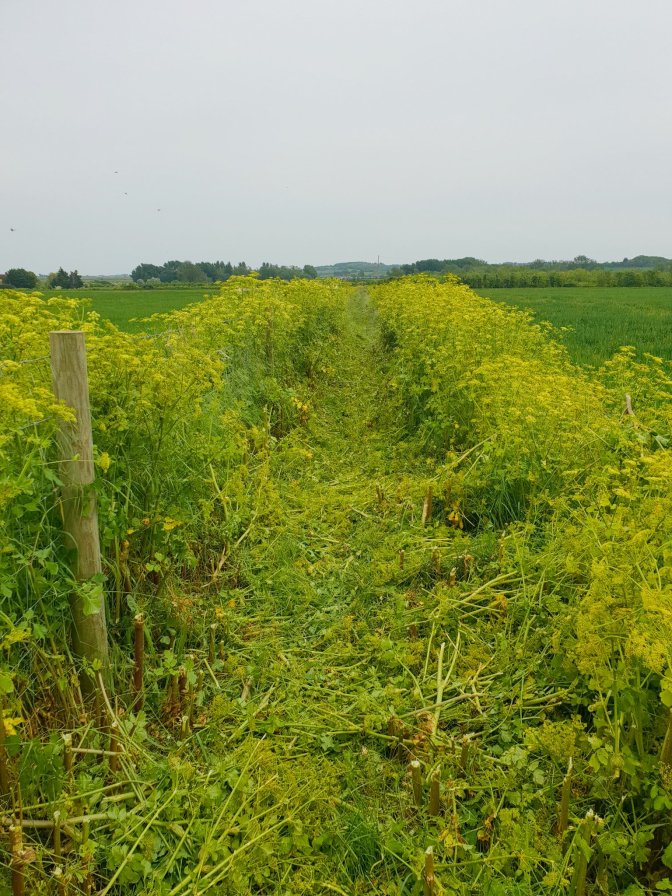
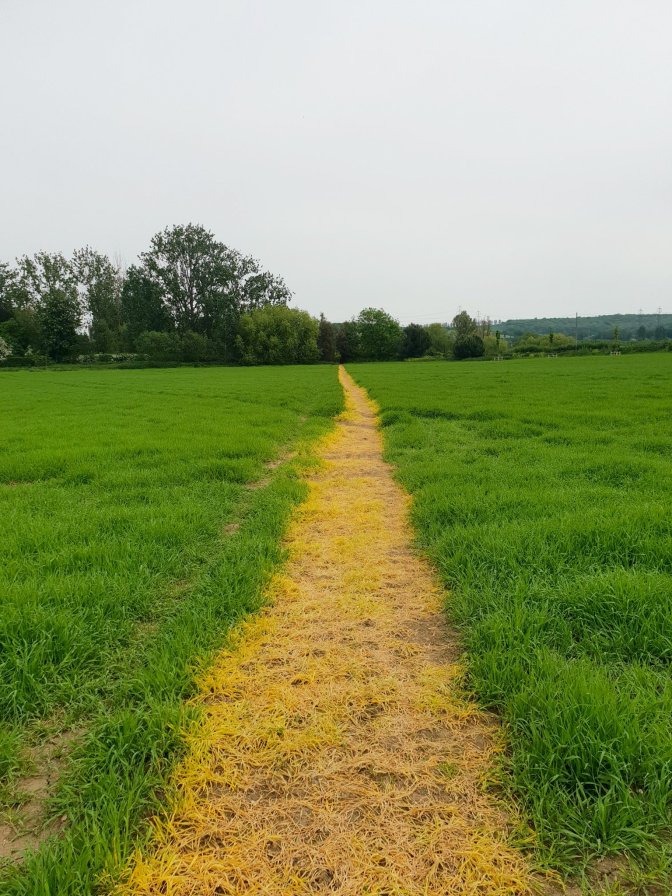
The route between Cliffe and Cooling is a good overview of how varying a public footpath can be. In some cases, it is simply going right through a farmer’s field. Other times, the farmer (or someone) has made the effort to burn the grass to make sure the wanderer stays on the path. Occasionally, it is completely an overgrown mess. Yet in retrospect, each in its own way has a charm and beauty.


Cooling
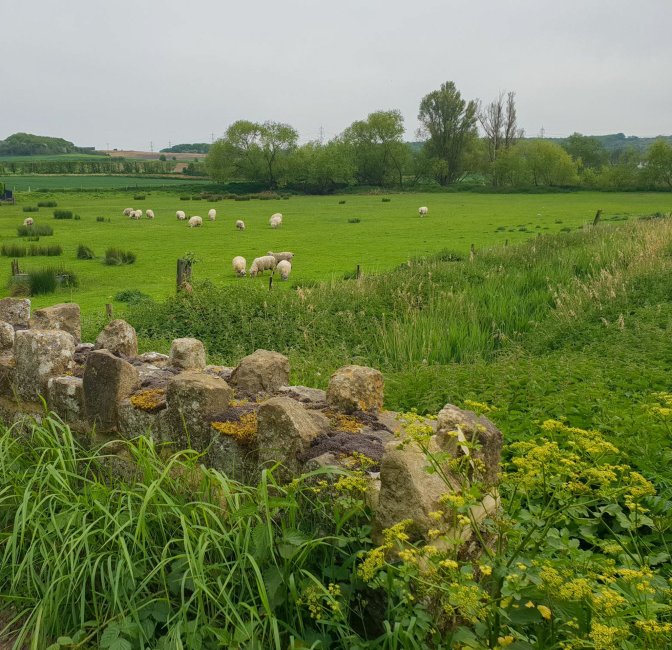
Like Cliffe, Cooling is a frontier town on the marshes.
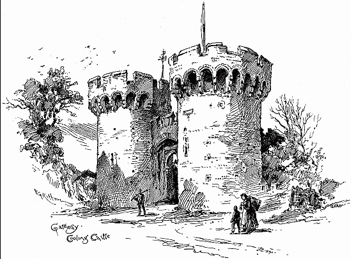
“There are the ruins of an old castle there, and, as the dreary churchyard and the adjacent marshes are the scenes of some of the most striking incidents in the story of Great Expectations, I was wishful to follow in the novelist’s track”
In Kent with Charles Dickens by Thomas Frost (1880)
“The village of Cooling, standing so bleak and solitary in the Kentish fenland bordering the southern banks of the Thames, possessed a weird fascination for “Boz.”1 Here, in the midst of those dreary marshes, much of the local colouring of “Great Expectations” was obtained. ”
The Dickens Country by Frederic G. Kitton (1905)


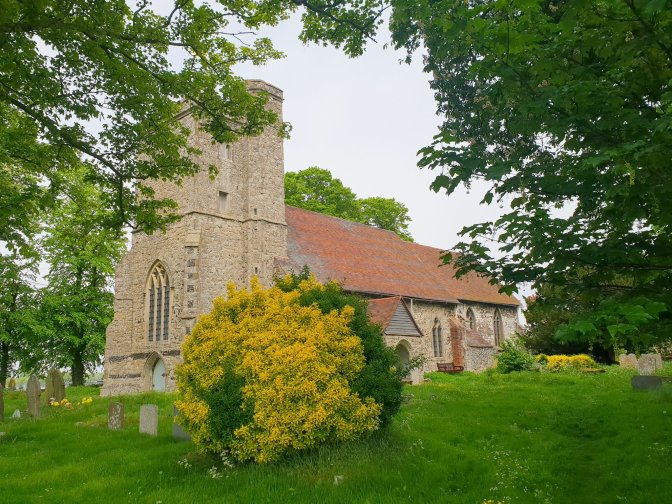
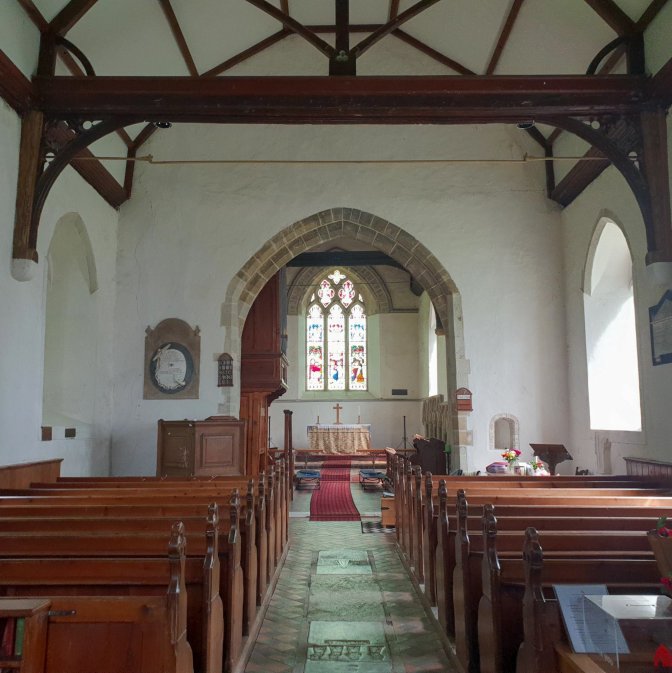
Cooling Church
“Readers of Great Expectations will remember that the scene in the first chapter between Pip and the convict, Magwitch, is laid in Cooling churchyard”
A Week’s Tramp in Dickens-Land (1891)
The Cooling Church churchyard was the most anticipated waypoint on this hike. While in Canterbury earlier on this trip, I picked up an old promotional booklet from the 1946 film. Inside is a great shot of the churchyard set.


The Horseshoe & Castle
“The hamlet of Cooling has an inn, the “Horseshoe and Castle,” prototype of the “Three Jolly Bargemen”2
The Real Dickens Land by H. Snowden & Catherine Ward (1904)
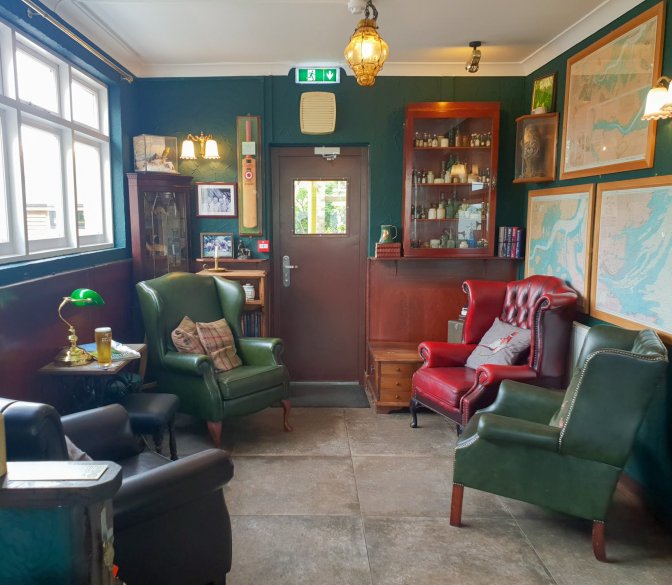
It was time for another beer and The Horseshoe & Castle did not disappoint. I sat in the corner of the pub with four cozy loungers sipping a Whitstable Bay Premium Lager. All that was missing was pipe smoke (figuratively) and the banter of literary giants. This pub is a must-visit when tramping this part of Dickens Land.


The Butterfly
As I started my tramp back towards Higham station, one friendly Wall Brown gave my hike some needed color.

Public Footpaths Between Cooling and Higham
In one field, a farmer painted the public footpath a bright yellow rather than killing the grass outright.

This public footpath is identified by the treadmarks of a tractor. I would imagine its clarity depends on the time of year.
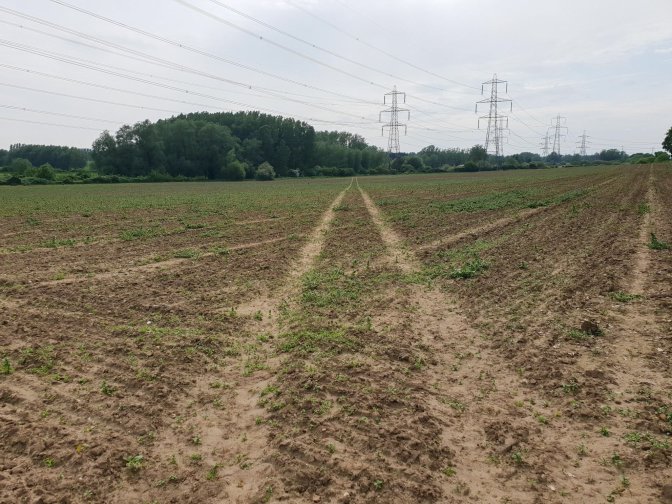
My favorite segment of public footpath was this sea of stinging nettles.

After the stinging nettles, a tractor path appeared.
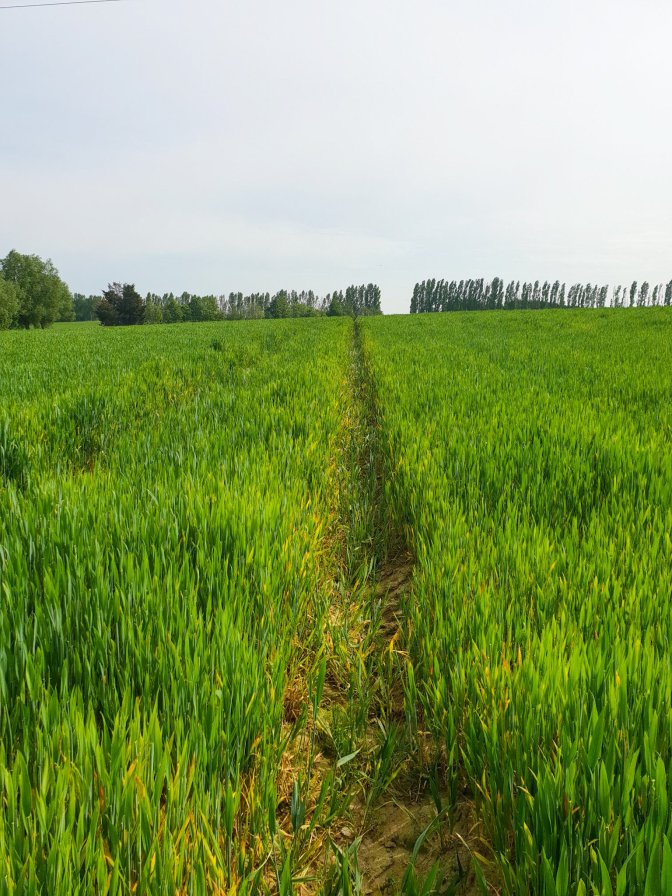
When I had reached this field, both the sign and my map pointed forward, but it was clear the farmer had other ideas. Instead, I was forced back out to the main road which I followed the rest of the way to Higham station.

Final Words
“It is still possible to walk the lanes radiating from the main road, towards Cooling and Cliffe… and there are still stretches of comparatively open country to be found, but one must be prepared for the incessant whizzing of cars and lorries past one on the narrow lanes, an irritation which would have made Dickens’s walking marathons impossible. The marshes are no longer mysterious, the villages no longer lonely… the railway and car have made the area one in which Dickens would not nowadays dream of settling.”
Dickens’s England by Michael and Mollie Hardwick (1976)
I only had to dodge the whizzing cars for the last kilometer and a half. As much as I try to romanticize these hikes, by the time I got back to Higham station, I had been thorned and stung enough times by the public footpaths that I was teetering on negativity. It is the public footpath that makes tramps like this (and Dickens’s walking marathons) possible these days without having to deal with cars and lorries. When I arrived to the station, I watched a train leaving towards Rochester and realized I would have to wait another hour. Looking around for a pub in Higham (more correctly, Lower Higham), it seems I miraculously discovered a village without one. Raising my arms to the sky in disbelief, I pulled myself together and sat on a bench at the station and read. By this time, the sun had come out as if to represent a change in mindset. It had been a great hike, one that is recommended for Dickens fans of all levels, especially if you want to live and breathe the opening scene from Great Expectations. Great Expectations was the first book I ever read by Dickens, and, in fact, it was the only Dickens novel I finished up until last year. Sitting here in the comfort of my home reminiscing, I would do this hike again in a heartbeat and leave a little more time for a couple of beers and lunch at The Horseshoe & Castle in order to savor that moment more. With my third and final tramp in Dickens Land complete, I was coming close to the end of my trip. By the time the hour was up and the next train pulled into the station, I was already composing some of the thoughts that have finally made it to digital memory above. And I sit here now missing the adventures of this hike. May 2024 can’t get here soon enough.

References
- “Boz” was a psuedonym for Dickens in his early days as a journalist. It became a nickname for him after his identity became known.
- Pip’s neighborhood pub in Great Expectations

 itsabrewtifulworld
One thought on “Beer & Dickens Hike: Having a Beer with Great Expectations”