
Introduction
Welcome to Part 1 of a 4-part discourse on the brewtiful character of the great city of Philadelphia. I was born in Pennsylvania and lived in the ‘burbs of Philly from 1996 to 2000. During that time, I was quite naive to the benefits of living close to such an important city. Since I moved (far) away from Philadelphia, I have visited the city center more often than I did during those four years, having returned on occasion during the Christmas holidays and during my most recent Summer holiday.
Philadelphia, for better or for worse, has the distinction of sitting geographically between two cities which are better known internationally, Washington DC and New York. When Europeans ask me which cities they should visit, Philadelphia leaps from the depths of my heart but always gets stuck in my throat. It is hard to justify skipping one of those other two which are loaded with monuments, landmarks, and pop culture connections that Europeans would recognize probably far more than Philadelphia. However, this puts Philadelphia in a category that it absolutely relishes; represented by perhaps its two most famous pop culture landmarks, the steps of the Philadelphia Museum of Art and the Rocky statue.
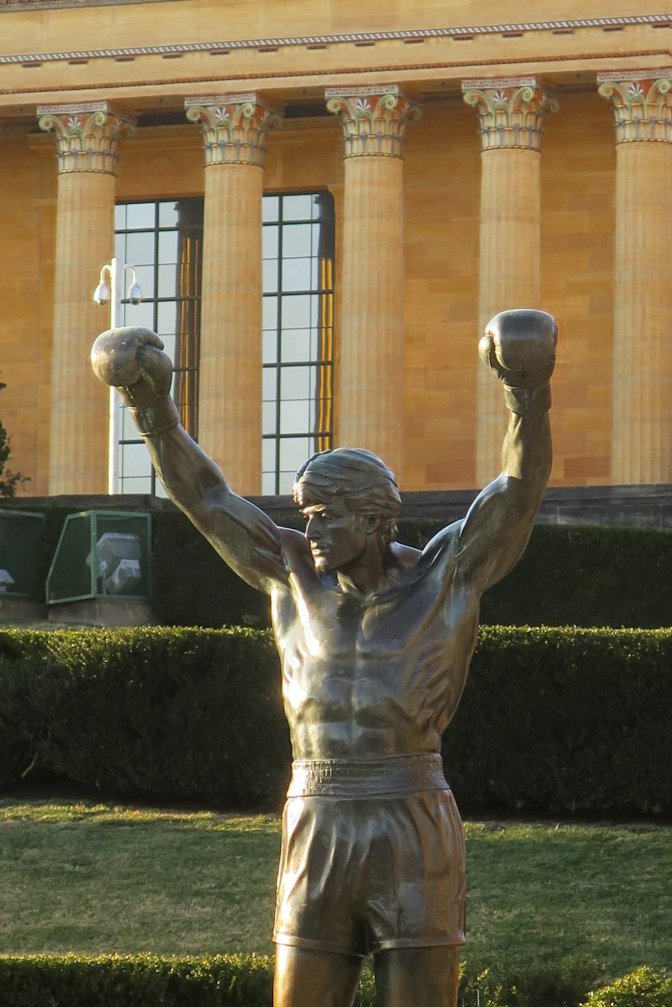
And that category is the Underdog.
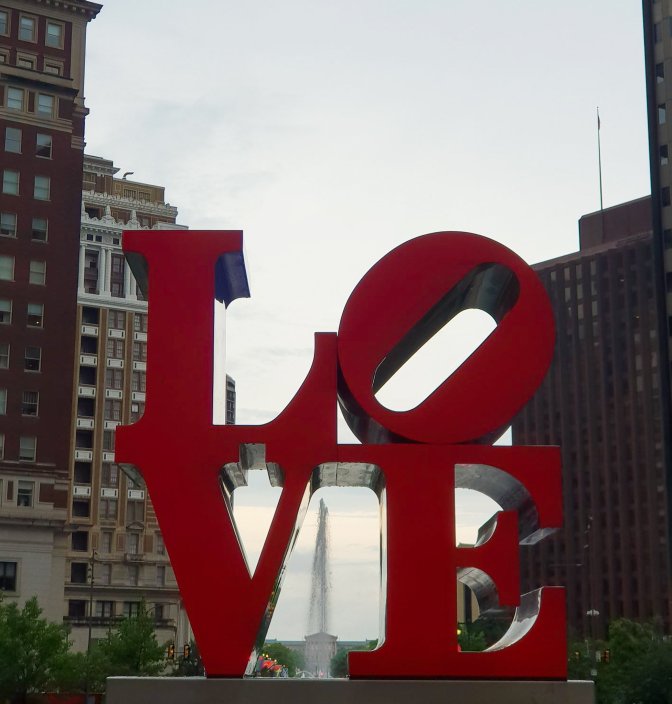
Over the next four posts, I hope to show Philadelphia as a contender for one of the World’s Best Beer Cities and a Must See city for all those people who have asked or will ask me where they should visit in the USA. Philadelphia may lose (it usually does), but it will win your heart over trying. It is the City of Brotherly Love. Love is everywhere in Philly. And maybe John Lennon was right, Love is all you need.
1842. Abraham Lincoln is a lawyer in Springfield, Illinois and slavery is still 23 years from being abolished.
After a six-hour trip from New York City, which in those days required a train ride and two ferry rides1, Charles Dickens, then just 30 years old, arrives in Philadelphia. Dickens expressed his observations in a way only a Victorian author can express. “What I saw of its society, I greatly liked”. “It is a handsome city, but distractingly regular. After walking around it for an hour ot two, I felt that I would have given the world for a crooked street.” Philadelphia was still a Quaker city at the time2 and Dickens’ couldn’t resist sarcasm to describe the impact that the omnipresent Quaker appearance had on his city stroll. “My hair shrank into a sleek, short crop, my hands folded themselves upon my breast of their own calm accord…”1
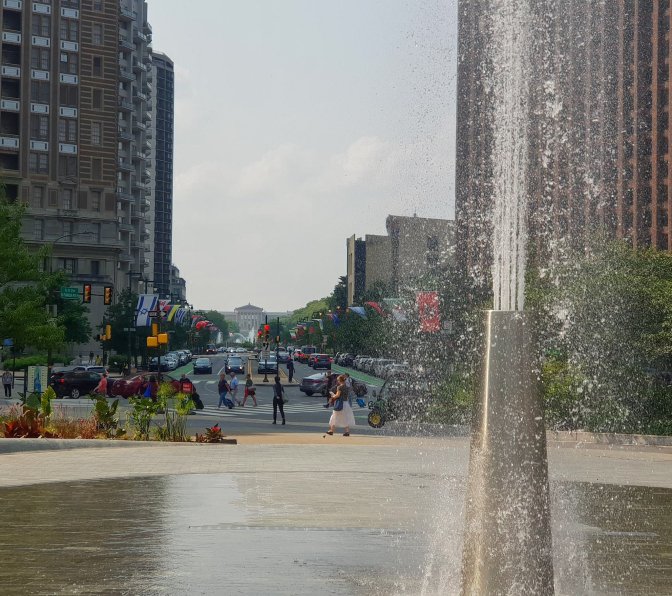
2023. I arrived in Philadelphia by means of the railway from the airport to the city center, emerging from Suburban Station. Almost immediately upon exiting the station, one confronts the Ben Franklin Parkway, a thoroughfare started in 1917 and designed to imitate the Champs-Elysee in Paris, which cuts diagonally from the Philadelphia Museum of Art to the City Hall. While the avenue is not “crooked”, it’s diagonal alignment to the otherwise grid pattern of the Philly streets would have been a breath of relief for Dickens.
Dickens in the Philadelphia of today would not have to worry about being surrounded by hand-folding Quakers in wide-brimmed hats. He might remark on something more omnipresent than even the Quakers in 1842. The smell of marijuana. The US has practically expunged cigarette smoking from public life, but in Philadelphia, this has been replaced by the pungent aroma of weed on the streets and subways. As I type, marijuana is likely to be legalized recreationally in Philadelphia, although it already seems like a foregone conclusion. On this matter, I don’t protest, but with every invisible cloud I would walk into, it started to feel a bit over-the-top. Dickens also would have noted the plague of homelessness. The homeless are almost on every block and intersection in the busy areas of the city. If Dickens were writing today, for sure homelessness would be a social disorder that he would build characters around in his novels. But before you wonder about the tilted introduction to a city that I want to promote…
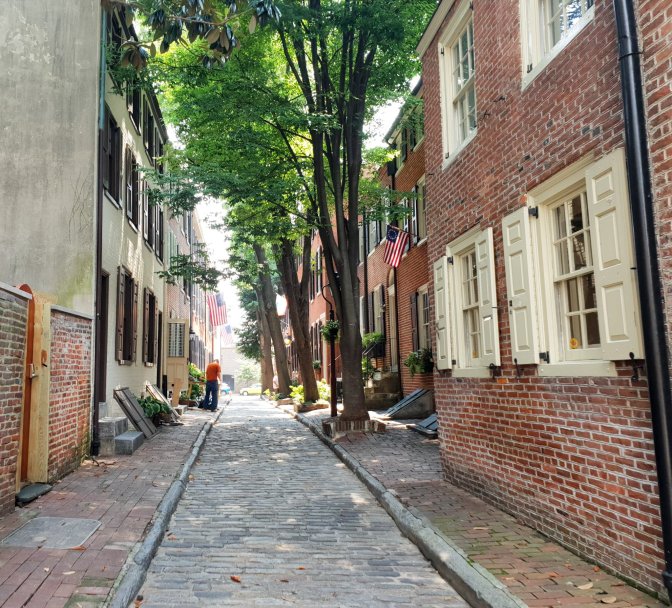
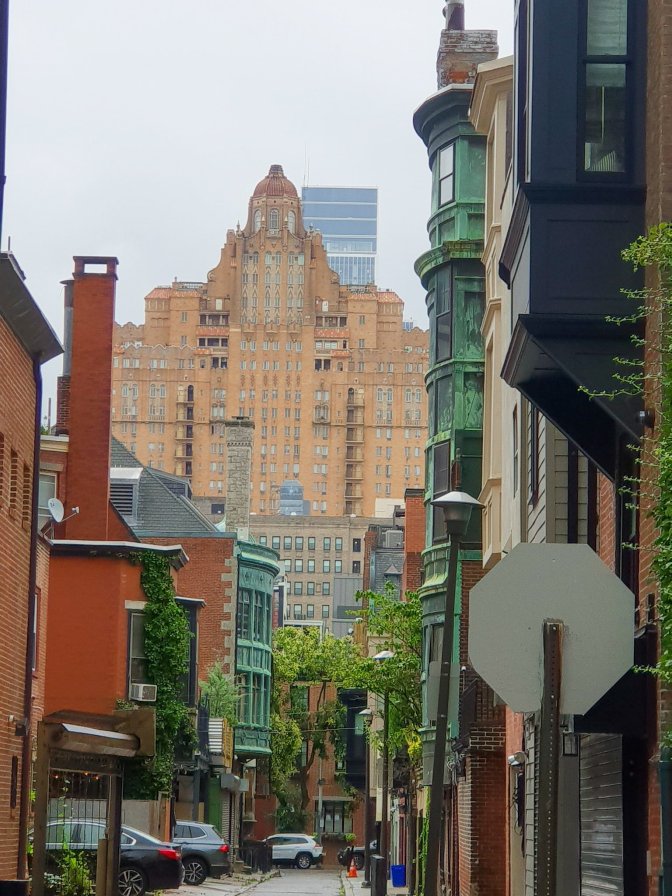
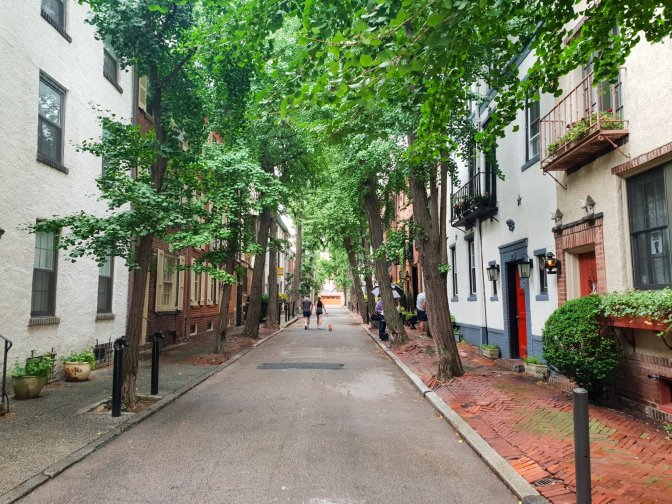
Philadelphia is a city which embraces the past, full of amazing historical sites related to the American Revolution and the Founding Fathers. It also has many neighborhoods with cobblestone, tree-lined streets that retain their colonial appearance. It feels in many ways like the most European of American cities. I love the street-level cellar entrances.
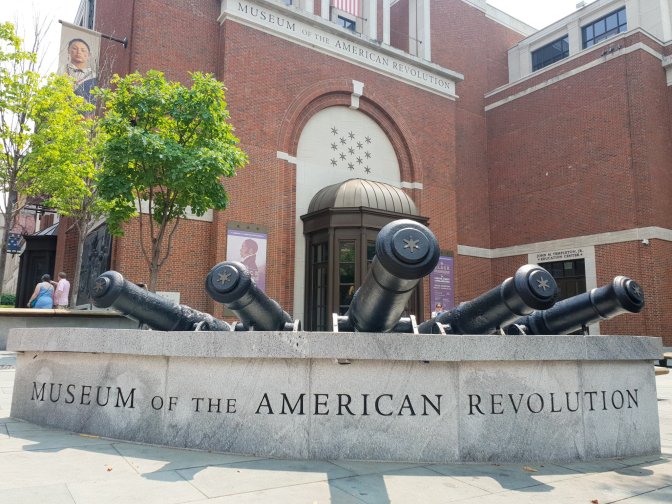
At the same time, it is a city which is acknowledging the incomplete representation that it has given of the past over the years, bringing a modern retooling of our views on the making of America. The neglected history of women, African Americans, and Native Americans is visible around the city. I think there is no place in America which has that responsibility more than Philadelphia. I am not certain though that Dickens would be impressed at all with where we are today with setting the record straight. Chapter XVII in his American Notes reads like a man who has travelled the US holding his tongue about America and slavery, letting his thoughts simmer, until finally reaching the point where he could compose them into a tirade of epic proportions.
However, during Dickens “very short”1 stay in Philadelphia, it wasn’t slavery that ruffled the collar of his Victorian coat. But something else Dickens describes as “cruel and wrong.” And he spent about 85% of Chapter VII in his American Notes on it. The Eastern State Penitentiary. The “Penitentiary” started out as a type of prison meant to inspire penance as a way of rehabilition. It did this by putting each prisoner in isolation.
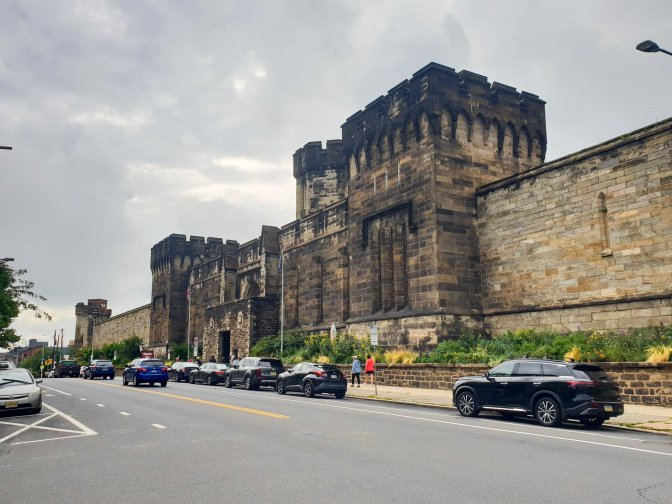
I believe that very few men are capable of estimating the immense amount of torment and agony which this dreadful punishment, prolonged for years, inflicts upon the sufferers… I hold this slow and daily tampering with the mysteries of the brain to be immeasurably worse than any torture of the body.
Chapter VII American Notes by Charles Dickens
More on the Eastern State Penitentiary coming in the next blog post.
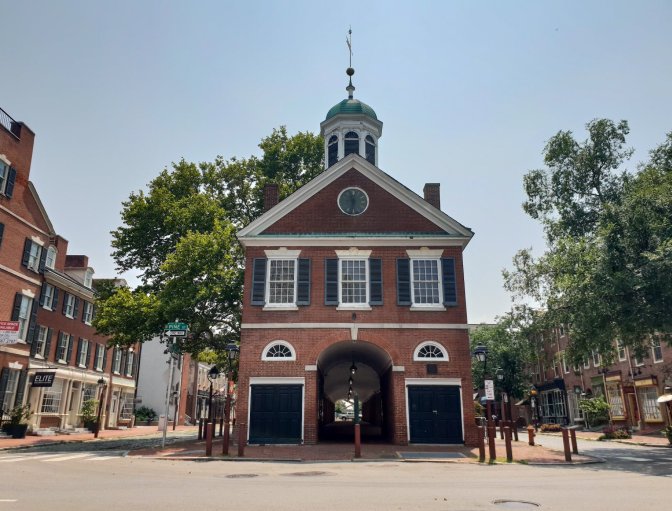
Perhaps one of the legacies of Dickens’ visit to Philadelphia is that it is 1 of 22 cities in the USA which has a branch of the Dickens Fellowship. Naturally, the regular meeting place for the fellowship would be a pub formerly known as The Dickens Inn and today called Cavanaugh’s Headhouse on Headhouse Square. I didn’t learn this until after my trip, but somehow I still managed to capture a photo of the Headhouse while I was strolling around the city. Well, kind of…
To explore Dickensian Philadelphia, I have composed two urban hikes which should whisk one away to 1842 and connect one with the great Victorian bard. Along the way, I have added some great drinking spots to ensure all is enjoyed with the proper beer buzz. It might just help your British accent. To facilitate that, both hikes begin and end at the Victory Brewing Company right on Franklin Parkway which was situated next to my hotel.

Urban Hike #1 – The Rosenbach & Little Nell
Distance: About 10km
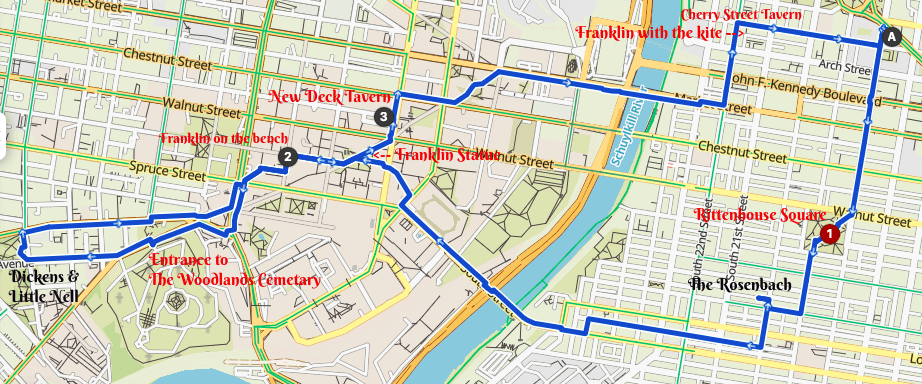
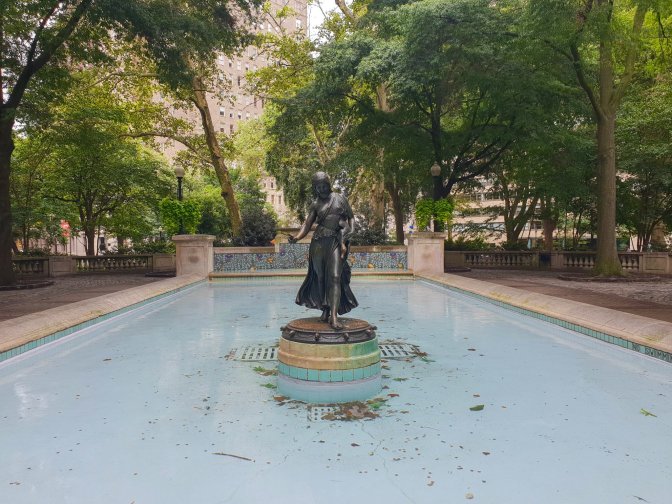
The hike takes you from the taproom (we’ll wait to indulge until the end) down 18th Street and through Rittenhouse Square, one of Philadelphia’s historic square parks. Criss-crossing through the park and after getting a good taste of an old neighborhood, we arrive at the first Dickens stop.
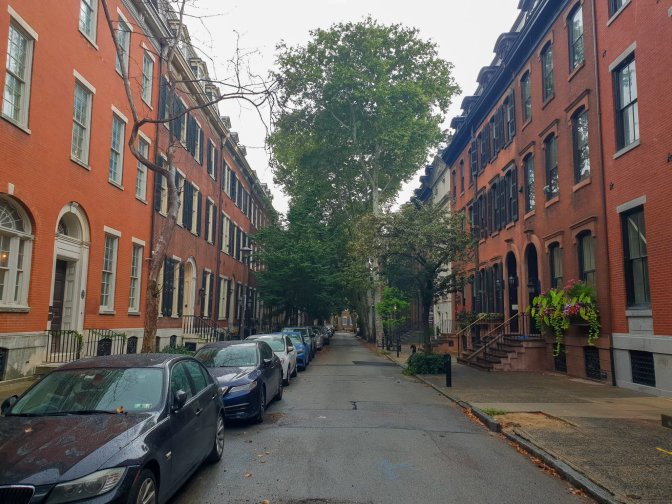
The Rosenbach
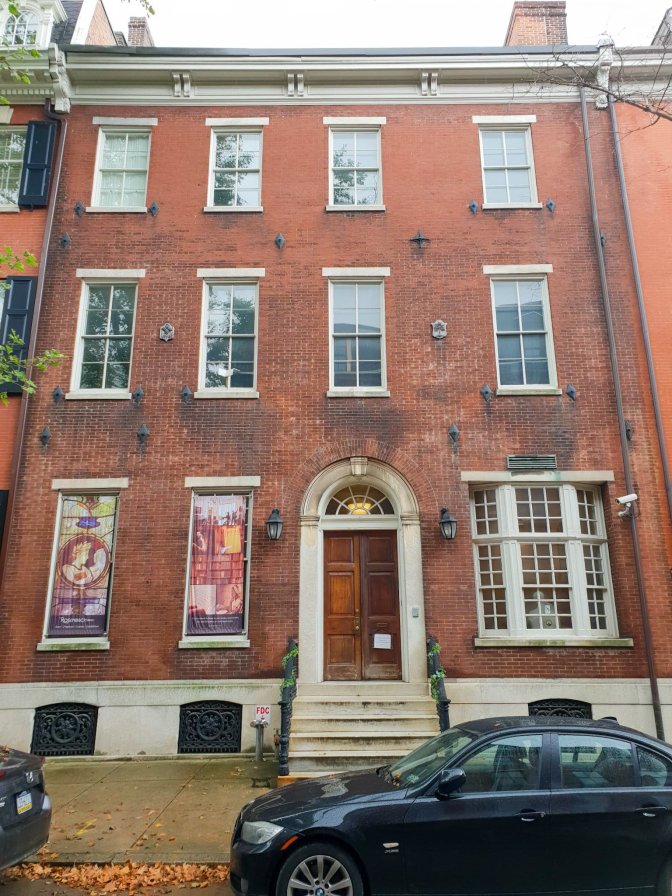
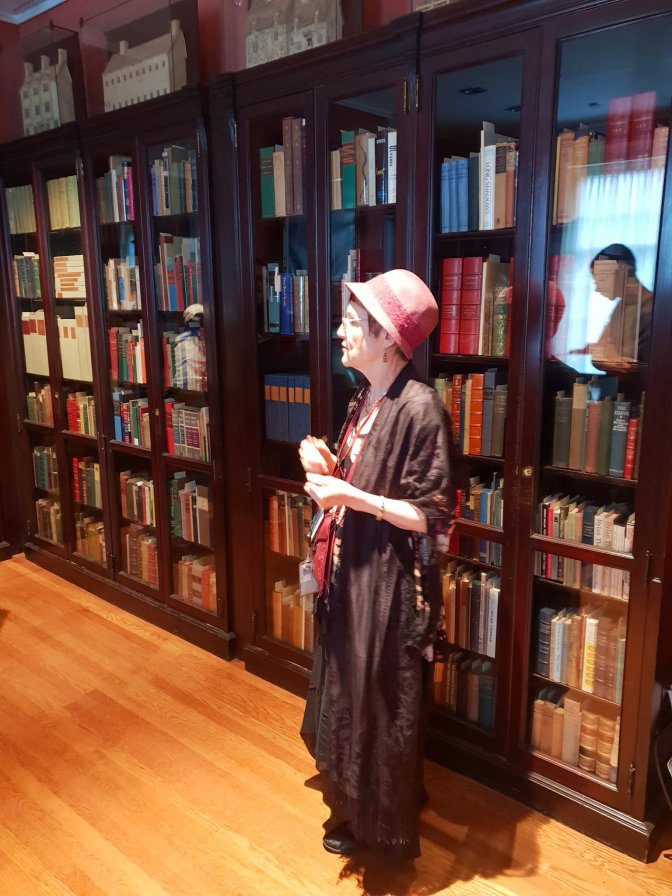
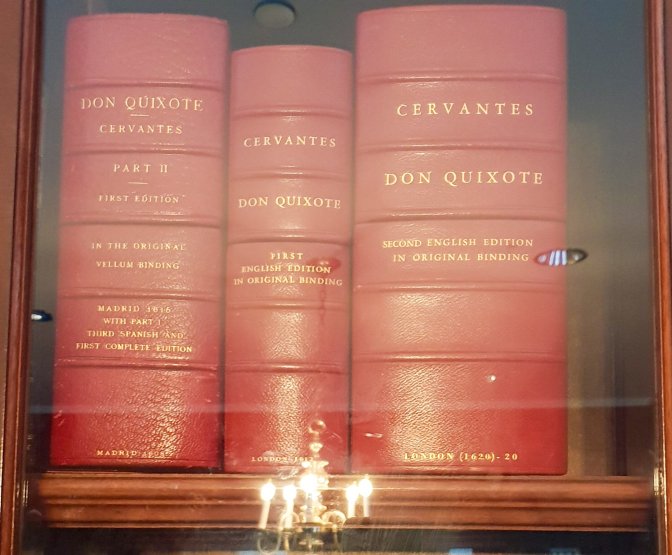
The Rosenbach is a museum and library in the former home of the Rosenbach brothers, Philip & Abraham. Abraham was a renowned rare book collector and dealer and his collection is astounding, including an original handwritten manuscript of James Joyce’s Ulysses, a first edition of Don Quixote and my favorite, a collection of all the original serial editions of Dickens’ The Pickwick Papers. I highly recommend the tour if you are a bibliophile, and if you are lucky you will get as your guide the appropiately dressed sweet lady who talks to ghosts every time the lights flicker in the museum (which they did several times).
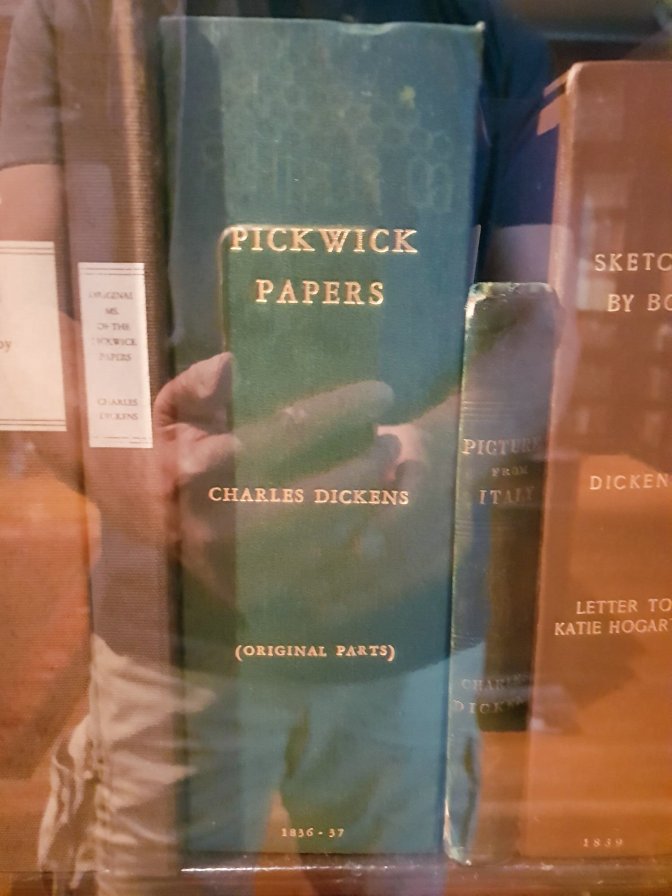
I found out about The Rosenbach thru their Youtube channel which has an ongoing series of readings of Pickwick Papers.
Head west over the South St. Bridge and into Pennsylvania’s most prestigious school of higher learning, the University of Pennsylvania, founded by Ben Franklin prior to the Declaration of Independence (notice how many times the name Ben Franklin comes up over this series of posts. We will discuss him further in the 4th and final post.).
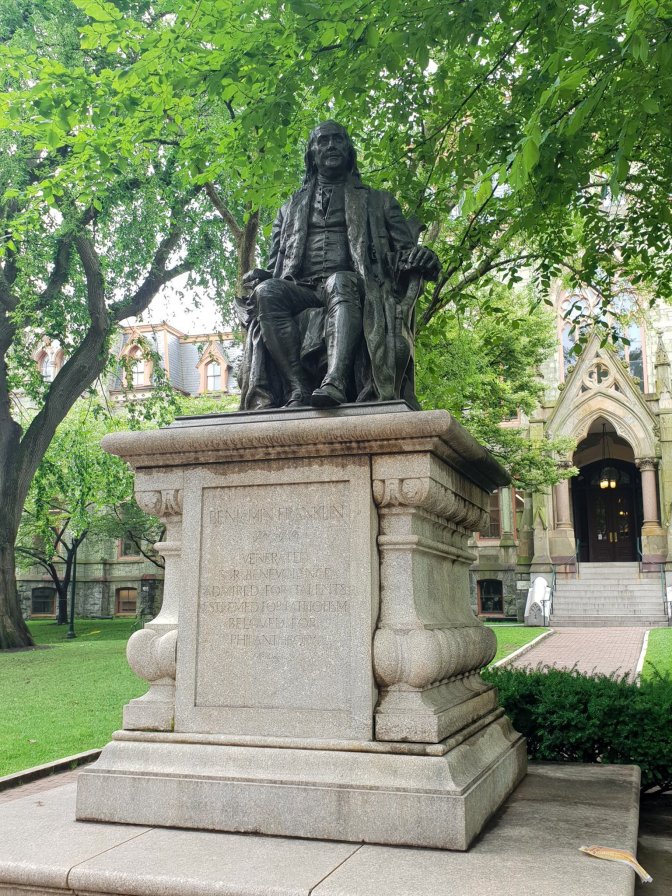
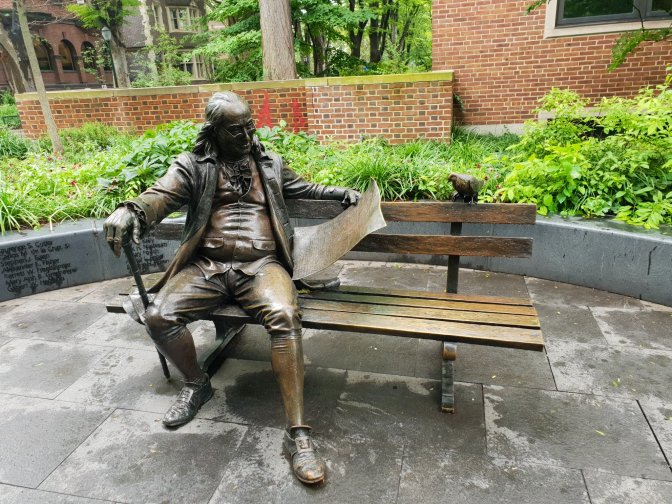
Follow the Locust Walk through the heart of the campus passing by two statues of Ben Franklin, one on a pedestal and the other seated on a bench. The latter a popular selfie location for new students.
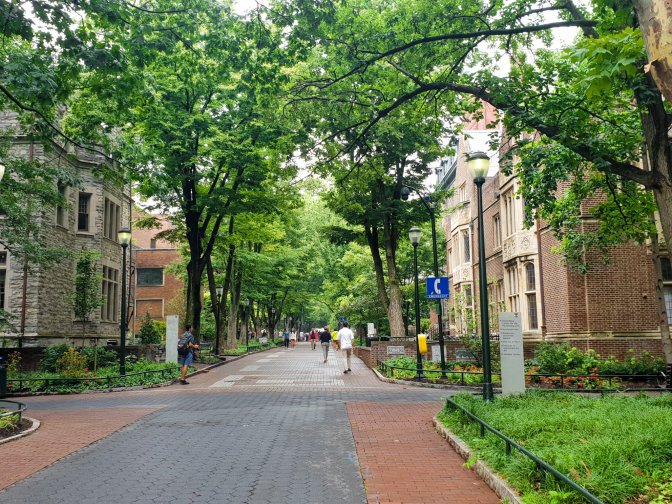
Leaving campus and heading past historical Woodland Cemetery (a nice place for a quiet diversionary stroll), we come to a most unique statue.
Charles Dickens and Little Nell
“I conjure my friends on no account to make me the subject of any monument, memorial, or testimonial whatever. I rest my claims to the remembrance of my country upon my published works”
John Forster. “The Life of Charles Dickens” (1875) reciting from the Will of Charles Dickens
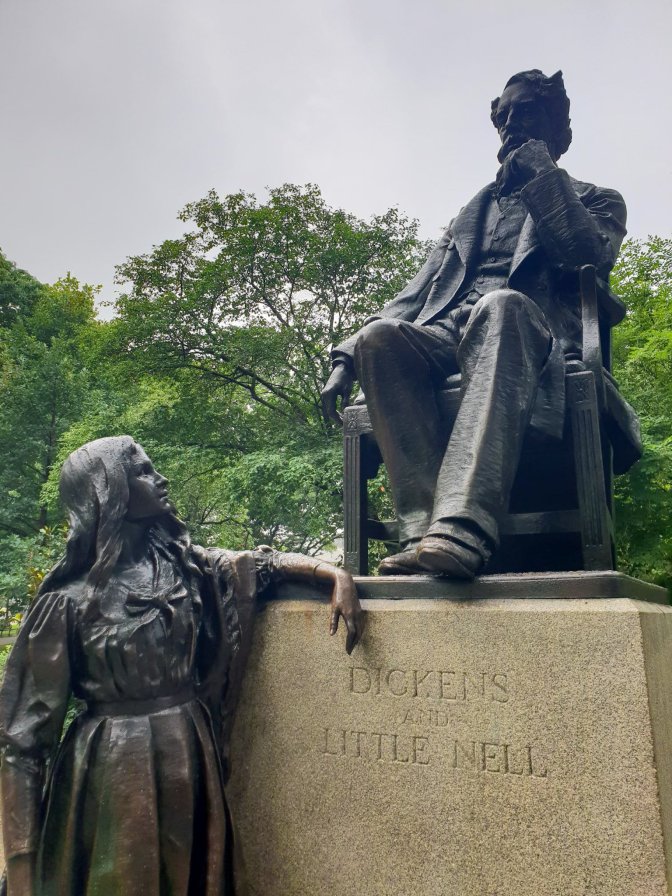
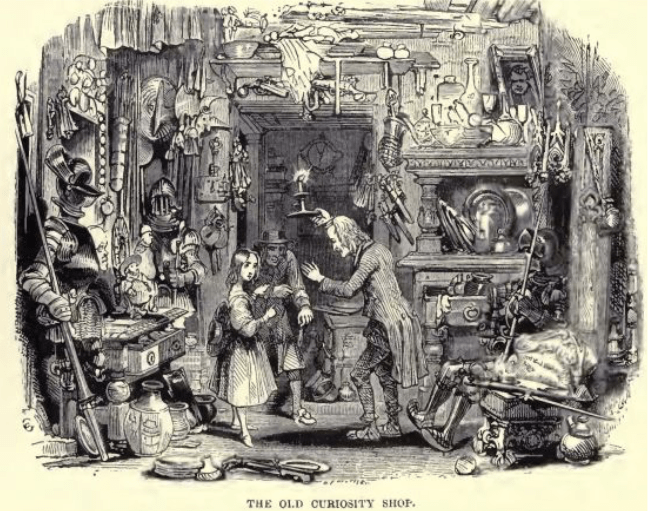
Commissioned in 1890 by the founder of the Washington Post, it was cast in a Philadelphia foundry and intended to go to London, but at the time, it was too close to Dickens’ death for London to disrespect Dickens’ will. So it ended up in Clark Park in Philadelphia. The character Little Nell comes from the novel The Old Curiosity Shop.
While I could not find precisely the motivation for the statue, I noted that Dickens had achieved immense fame in the US. His 2nd visit to America and Philadelphia came in 1867. Apparently, his first visit which he recounted in his American Notes with its scathing reprimand about slavery had brought some doubt to how he would be received on his second visit, however…
“All the old grudges connected with “The American Notes,” and “Martin Chuzzlewit,” sank into oblivion. ”
Frank Thomas Marzials. “Life of Charles Dickens.” (1887)
On the contrary he was wildly popular.
“Again and again people waited all night, amid the rigours of an almost arctic winter, in order to secure an opportunity of purchasing tickets as soon as the ticket office opened. There were enormous and intelligent audiences at Boston, New York, Washington, Philadelphia—everywhere.”
Frank Thomas Marzials. “Life of Charles Dickens.” (1887)
Just three years later in 1870, Dickens would pass away. Perhaps the statue was meant to commemorate the 20th anniversary of his death of the famous author who wasn’t afraid to expose the hypocrisy and cruelty of a country claiming to be the land of liberty.
This sobering thought made me realize it was time for a drink. For that we backtrack thru the beautiful campus of the University of Pennsylvania and stop a pub which is a close as it gets to a traditional British or Irish-style pub.
New Deck Tavern
This tavern sits between the University of Pennsylvania and Drexel University. It is a good place to stop for lunch and get the beer buzz started.
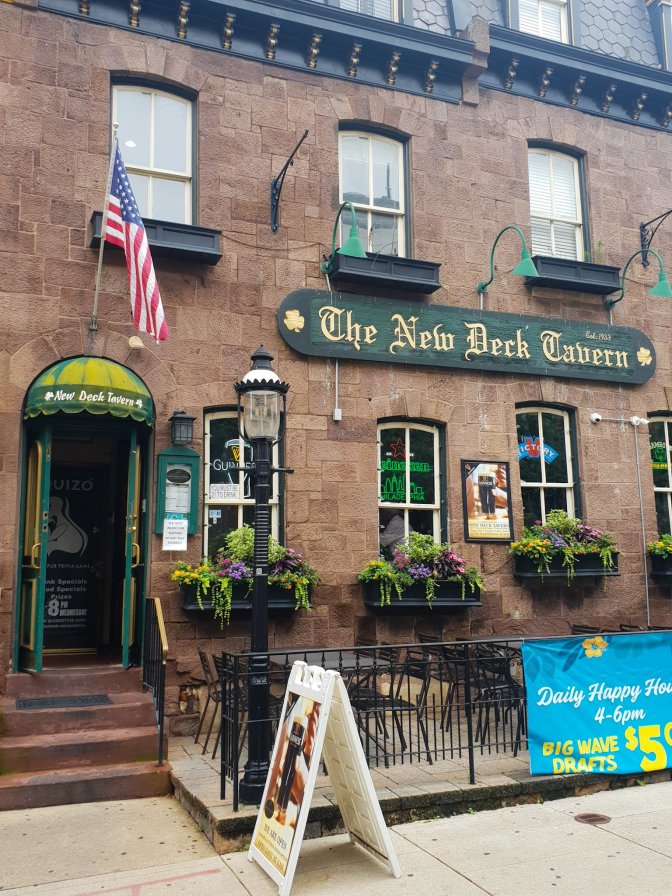
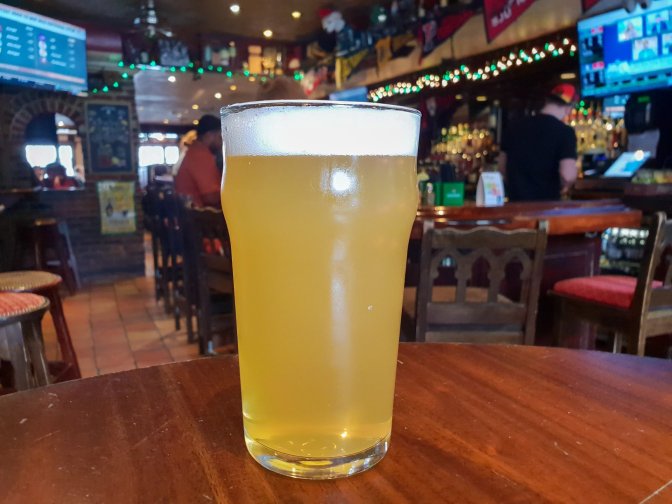
After lunch, the walk passes through Drexel University. Philadelphia is known for it’s Big 5 universities. Penn, Drexel, St. Josephs, Villanova, and Temple. So within a matter of a short time, you have passed through two of them. Crossing Chestnut St. bridge and taking a left, you come to a nice traditional local pub.
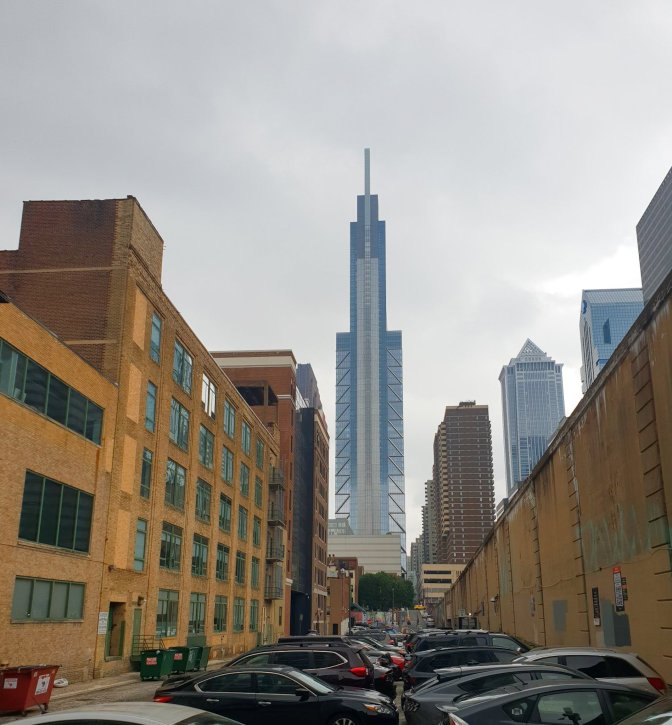
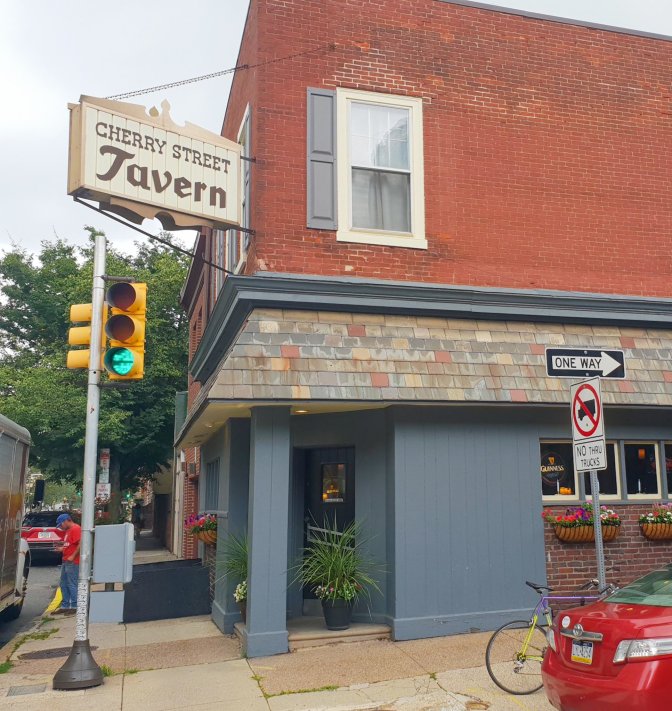
Cherry St. Tavern
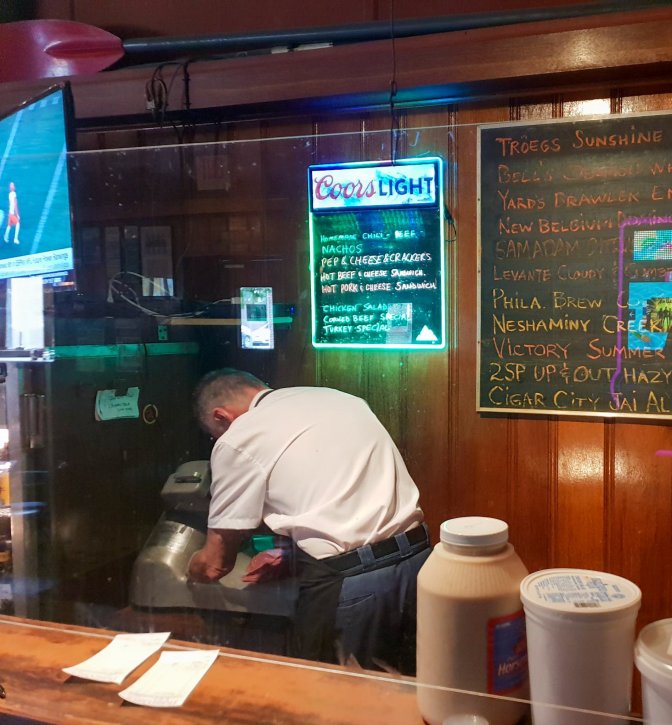
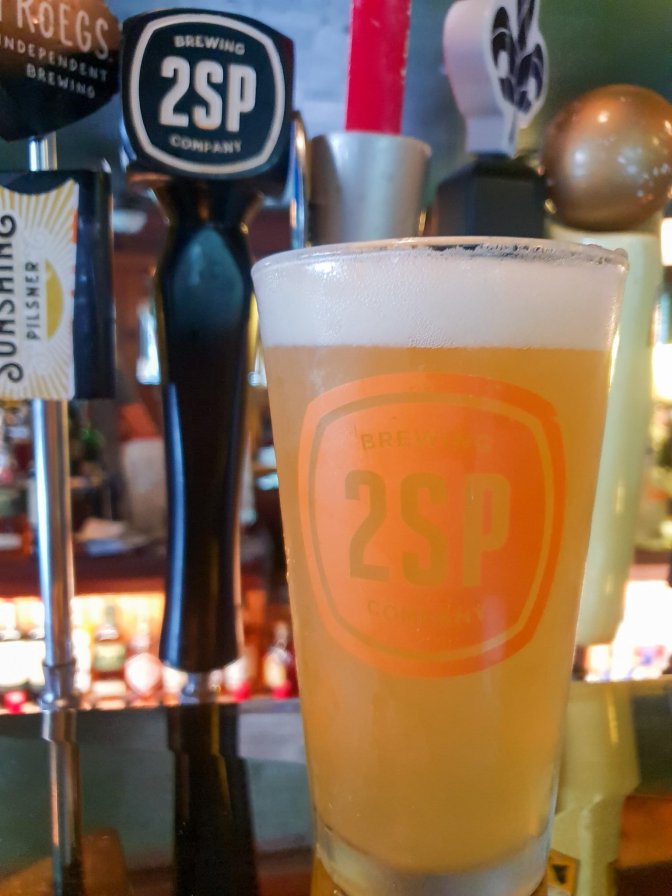
Probably 10 years ago, this pub would have served a few common beers on tap for the local neighborhood, but today it has a respectable row of craft beers on tap which has become the standard for pubs in the USA. But in the process, it hasn’t lost it’s soul, exemplified by the meat slicer behind the bar cutting the meat to make the hoagies3 that make America great.
Nearby is yet another Ben Franklin statue (this guy is a Philly icon).
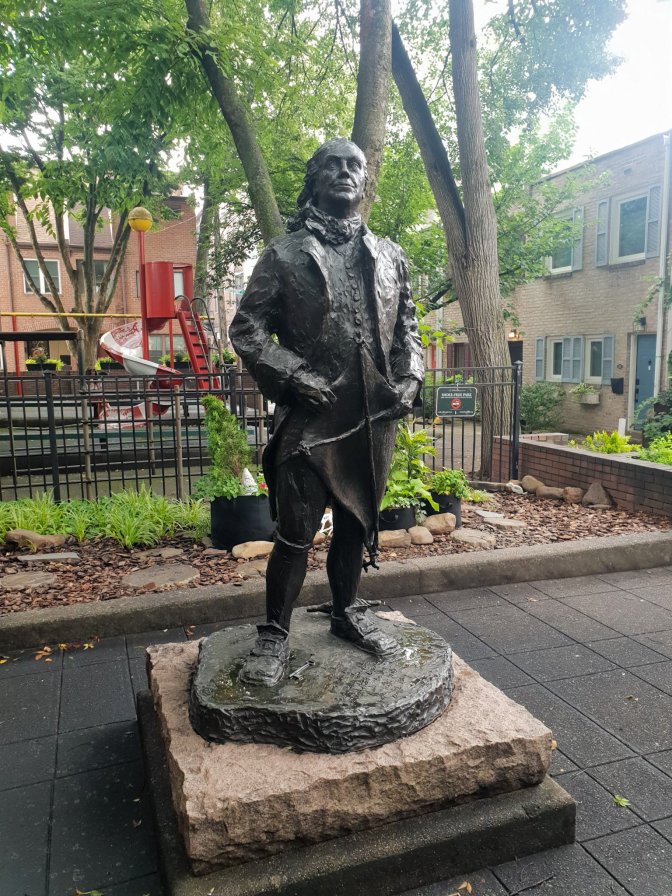
We can then follow Cherry Street all the way back to the hotel and the Victory Brewing Company for a final toast to this Dickens walk.
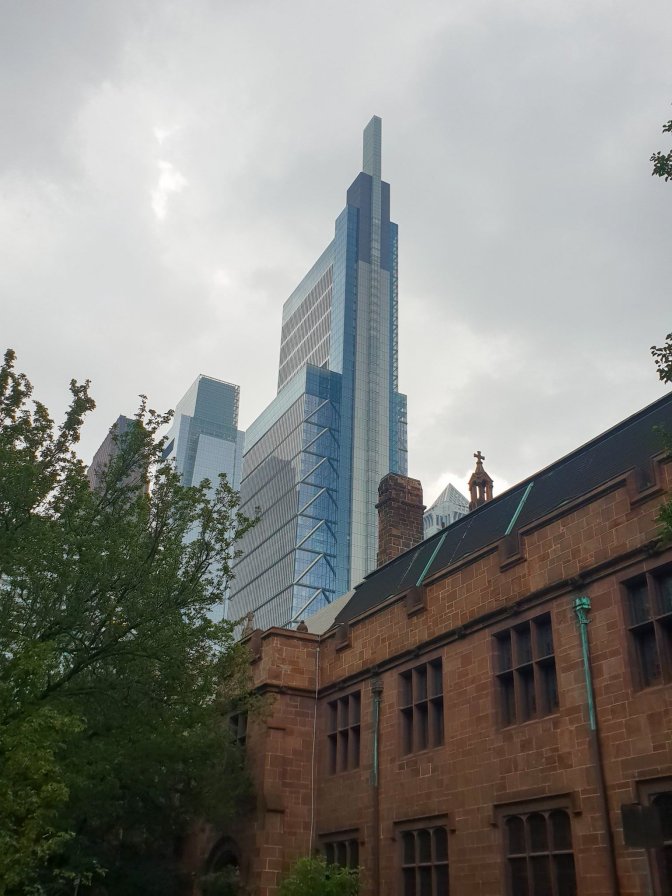
Victory Brewing Company
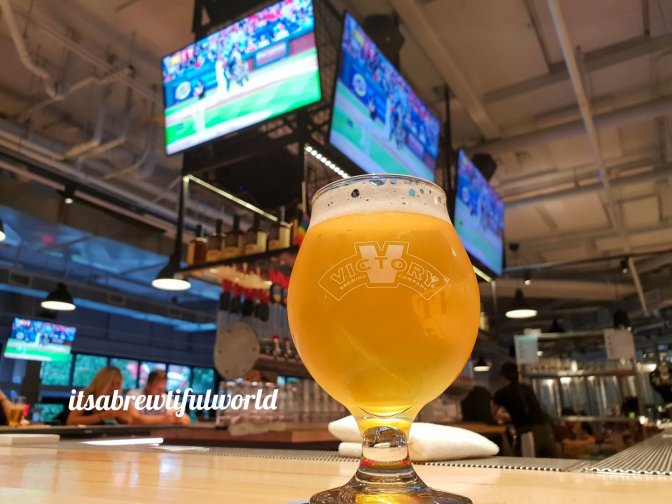
This is a Dickensian way to end a Dickensian urban hike. What the US does better than any country is make beer an experience. The Victory Brewing Company was just the start of what I was about to experience in Philadelphia. A taproom like this might be the highlight in any city in Europe, but Victory was just one of many and this trip was just getting started.
Final Words
The Old Curiosity Shop was published serially starting in 1840. Two years before Dickens would arrive on his first visit.
Crowds of Americans anxiously waited at the docks for the ships coming from England to receive news from the novel’s next installment of the whereabouts and well-being of Little Nell, an angelic little girl, not yet fourteen, who fled London on a perilous journey into the countryside in the company of a mentally infirm grandfather with a passion for gambling.
https://www.victorianweb.org/authors/dickens/boev1.html
Reading the above article reveals the depths at which the sentimentality towards Little Nell reached both the heights and depths of human and literary critique. Long before this critique came to be, the author arrived in a country, having barely completed this beloved novel which touched the hearts of many, where he had to confront a country where this sentimentality existed along side the lowest of human disgraces.
As Dickens travelled thru the south, (I deleted the city name)
“I never felt so warlike as I do now,—and that’s a fact.’ I was obliged to accept a public supper in this _________, and I saw plainly enough there that the hatred which these Southern States bear to us as a nation has been fanned up and revived again”
John Forster. “The Life of Charles Dickens” (1875)
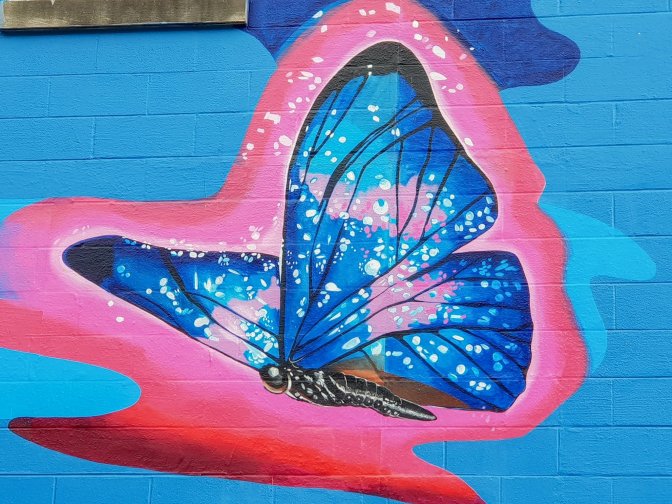
As I sat there sipping my IPA with the luxury of spending $10 per beer while homeless people sat around just blocks away holding cups for pennies, I tried to rationalize it. It wasn’t easy to appreciate the moment at first, but we all have that way of blocking things out like that. I was back home. I love where I come from. I hadn’t been there since 2019. There was a welling up of emotion as I sat there. To think of the implications of my feet on this soil. I felt the urge to contemplate Love. A word you see all over the city of Philadelphia. I feel it. It is elusive. But copiously there. There is bittersweetness to it. I suppose similar to Dickens’ visit in 1842. All you need is Love, I’m told. And after sitting with my thoughts with the murmur of happy hour customers laughing and blowing off steam and the baseball game streaming over my head and order after order for beers and burgers whizzing past my ears… like the fluttering of a blue butterfly. I took a sip of my beer and smiled…

References
- From American Notes by Charles Dickens
- A Quaker’s faith is represented by silent worship and a personal relationship with God.
- Hoagies are what we Pennsylvanian’s call subs. They are the single most delicious sandwich on the face of the Earth. The classic style is a soft, white Italian fresh-baked roll about a foot long, a combination of Italian sliced meats pepperoni, salami, and ham, provolone cheese, mounds of shredded succulent iceberg lettuce, juicy sliced tomatoes, preferably with a spicy pepper like banana peppers or a pepper relish, mayo, and an Italian oil dressing. Sandwich of the Gods.

 itsabrewtifulworld
One thought on “Beer & Dickens: Philadelphia Pt. I”